


The Rising Problem of Obesity in Cats
As pet obesity rates continue to climb, veterinarians are increasingly concerned about the health implications for cats. Recent studies indicate that approximately 60% of cats in the United States are classified as overweight or obese, a statistic that has doubled over the past two decades. This trend raises significant questions about the long-term health of these pets and the potential for associated diseases, such as diabetes and joint issues. For more information on obesity-related health risks, visit this article.
In response to this growing issue, pharmaceutical companies have begun exploring the use of weight loss medications traditionally prescribed for humans. For instance, drugs like semaglutide, marketed under the brand name Ozempic for human use, are being investigated for their effectiveness in helping animals shed excess weight. Early trials have shown promising results, leading to discussions about how these medications could revolutionize pet care.
The American Veterinary Medical Association (AVMA) has emphasized the need for effective solutions to combat feline obesity. In a statement released in September 2023, the AVMA highlighted the importance of addressing this epidemic through both dietary management and potential pharmacological interventions. For insights on dietary strategies, you might find this resource helpful.
As the conversation around feline obesity evolves, pet owners are being encouraged to consult with their veterinarians about the best strategies for managing their cats’ weight. With the potential introduction of new weight loss medications, the landscape of pet health care may soon shift, offering hope for many overweight cats and their owners. The ongoing research and trials will be crucial in determining the safety and efficacy of these treatments for feline patients.
Understanding the Causes of Feline Obesity
Feline obesity has emerged as a significant health concern over the past few decades, paralleling trends observed in human populations. The rise in obesity rates among domestic cats can be attributed to a combination of factors, including changes in lifestyle, diet, and the increasing availability of high-calorie pet foods. As more households have adopted cats as companions, the understanding of feline nutrition has evolved, leading to an influx of commercially produced foods that are often calorie-dense and lacking in essential nutrients.
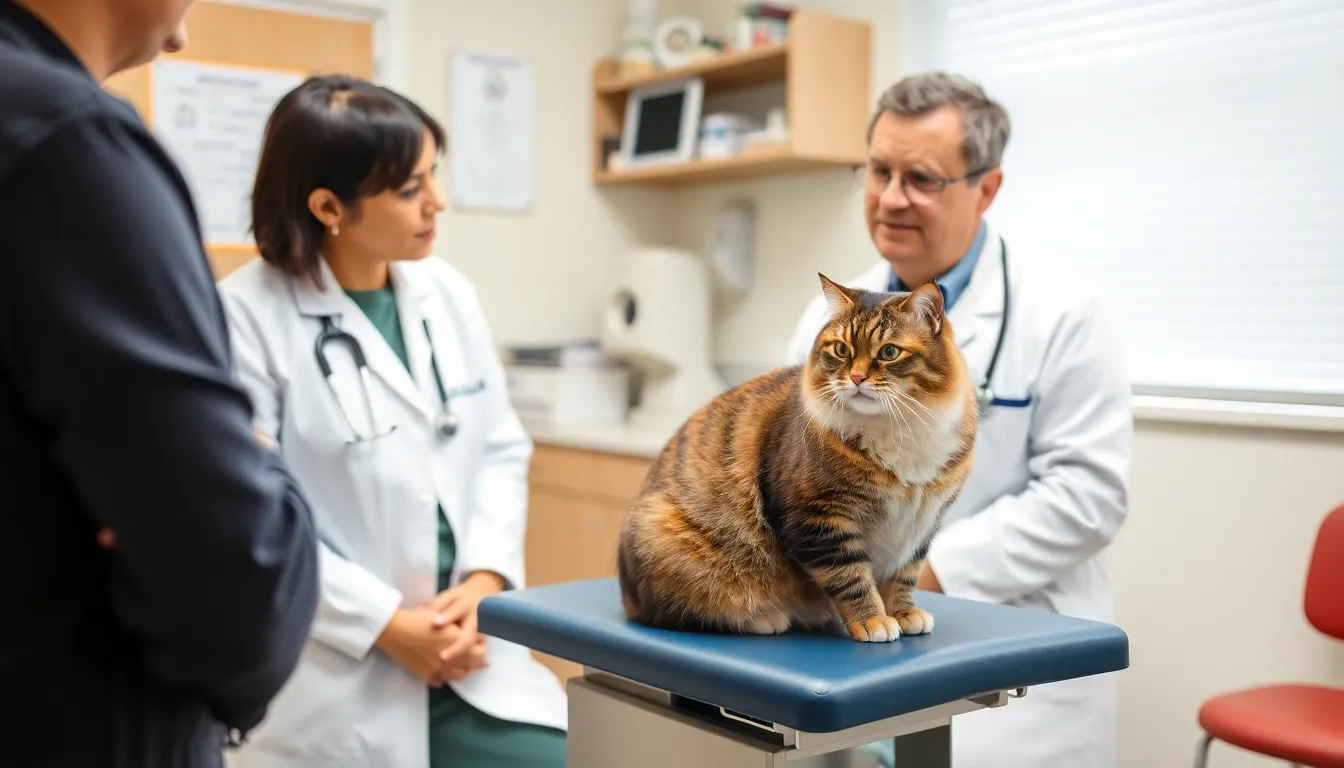
Historically, the concept of pet care has shifted dramatically. In the mid-20th century, pets were often viewed as working animals or outdoor companions, but as urban living became more common, cats transitioned into indoor pets. This change has led to a more sedentary lifestyle for many felines, contributing to weight gain. To understand the broader implications of lifestyle changes, you can explore this discussion.
Economically, the pet industry has witnessed exponential growth, with expenditures on pet food and supplies reaching billions of dollars annually. This boom has resulted in a competitive market where companies continuously innovate to attract consumers, often prioritizing taste and convenience over nutritional value. Consequently, many pet owners may unknowingly contribute to their cats’ obesity by choosing products that are marketed as premium or gourmet, but are high in calories and low in beneficial ingredients.
The Role of Veterinary Awareness
Veterinary professionals have started to address the obesity epidemic among pets more proactively in recent years. Increased awareness of the health risks associated with obesity, such as diabetes and joint problems, has prompted veterinarians to advocate for weight management programs and nutritional counseling. This shift in focus highlights the importance of understanding feline health and the need for responsible pet ownership, which includes monitoring diet and encouraging physical activity.
Key Stakeholders in the Weight Loss Drug Market
The weight loss drug market is influenced by a variety of stakeholders, each with distinct interests and motivations. These include pharmaceutical companies, healthcare providers, regulatory bodies, pet owners, and animal welfare organizations. Understanding their roles and perspectives is crucial in analyzing the potential impact of weight loss drugs on pets, particularly in the context of obesity management.
Pharmaceutical companies are at the forefront, driving the development and marketing of weight loss medications. Their primary interest lies in profit generation through the sale of these drugs. Companies like Novo Nordisk, which produces Ozempic, are already exploring the veterinary market, aiming to capitalize on the rising trend of pet obesity. However, their ambitions may conflict with public health concerns regarding the safety and efficacy of these drugs for animals.
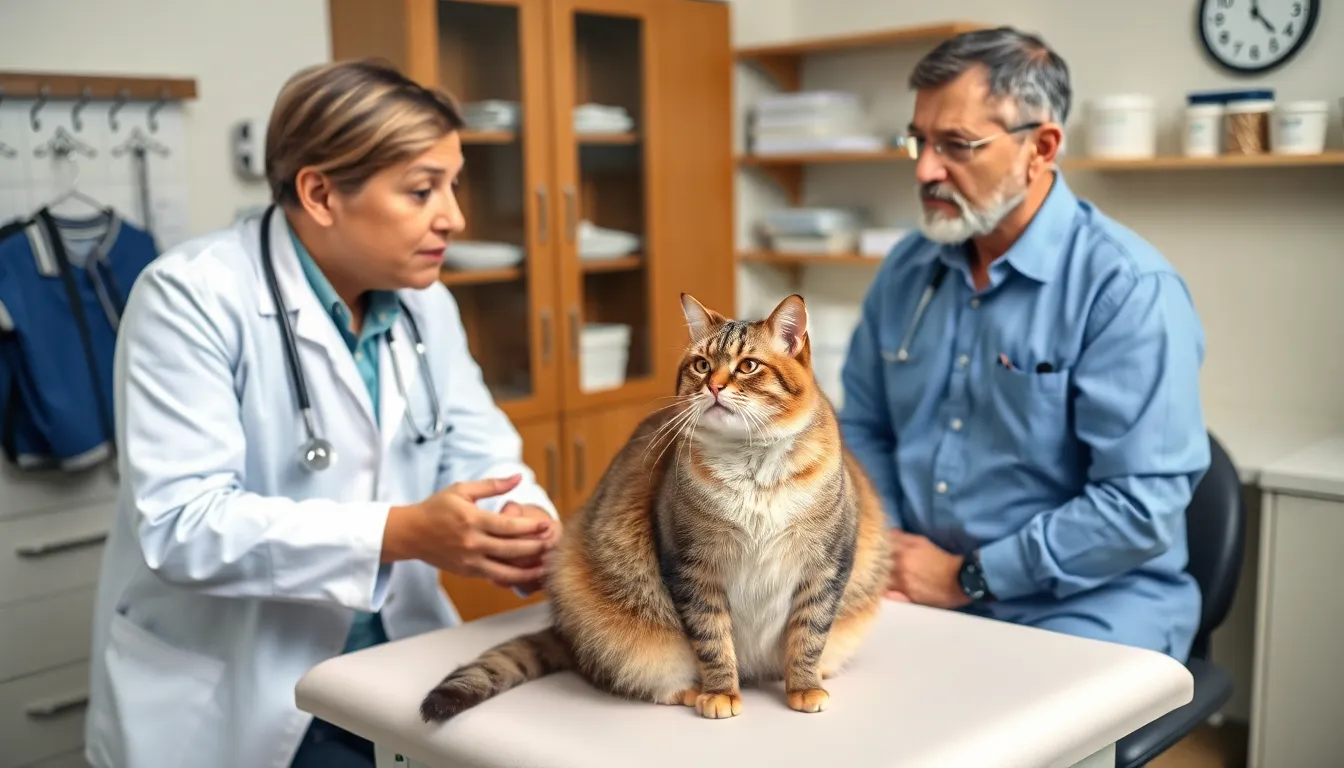
Healthcare providers, including veterinarians, play a pivotal role in prescribing these medications. Their interest is centered around improving animal health and welfare. However, they face ethical dilemmas regarding the long-term effects of weight loss drugs on pets and must balance the potential benefits with possible adverse reactions. This creates a conflict between the desire to treat obesity and the responsibility to ensure animal safety.
Regulatory bodies, such as the Food and Drug Administration (FDA), are tasked with overseeing the approval and monitoring of weight loss drugs for pets. Their interests include ensuring that medications are safe, effective, and marketed responsibly. The challenge lies in establishing appropriate guidelines for the use of human medications in veterinary practices, which may lead to trade-offs between rapid market entry and thorough safety evaluations.
- Pharmaceutical companies may prioritize profit over safety, leading to potential public backlash.
- Veterinarians might face pressure from pet owners to prescribe weight loss drugs despite uncertainties.
- Regulatory agencies must navigate the complexities of adapting human drug regulations for animals.
- Animal welfare organizations may oppose the use of weight loss drugs if they prioritize profit over animal health.
- Pet owners may experience conflicting information about the best approaches to managing their pets’ weight.
Potential Effects on Pet Owners and Veterinary Practices
The introduction of weight loss drugs for pets, such as those derived from human medications like Ozempic, could significantly impact various groups, particularly pet owners and veterinary professionals. Pet owners seeking to improve their pets’ health might find these drugs appealing, leading to increased demand for veterinary consultations and prescriptions. This shift could also affect pet food companies, as owners may reconsider their pets’ diets in light of new weight management options.
In the short term, pet owners may experience a sense of relief and hope as they explore effective solutions for overweight pets. This could lead to a rise in veterinary visits, as owners seek professional guidance on the use of these medications. Additionally, there may be an uptick in sales for related products, such as specialized pet foods and weight management tools.
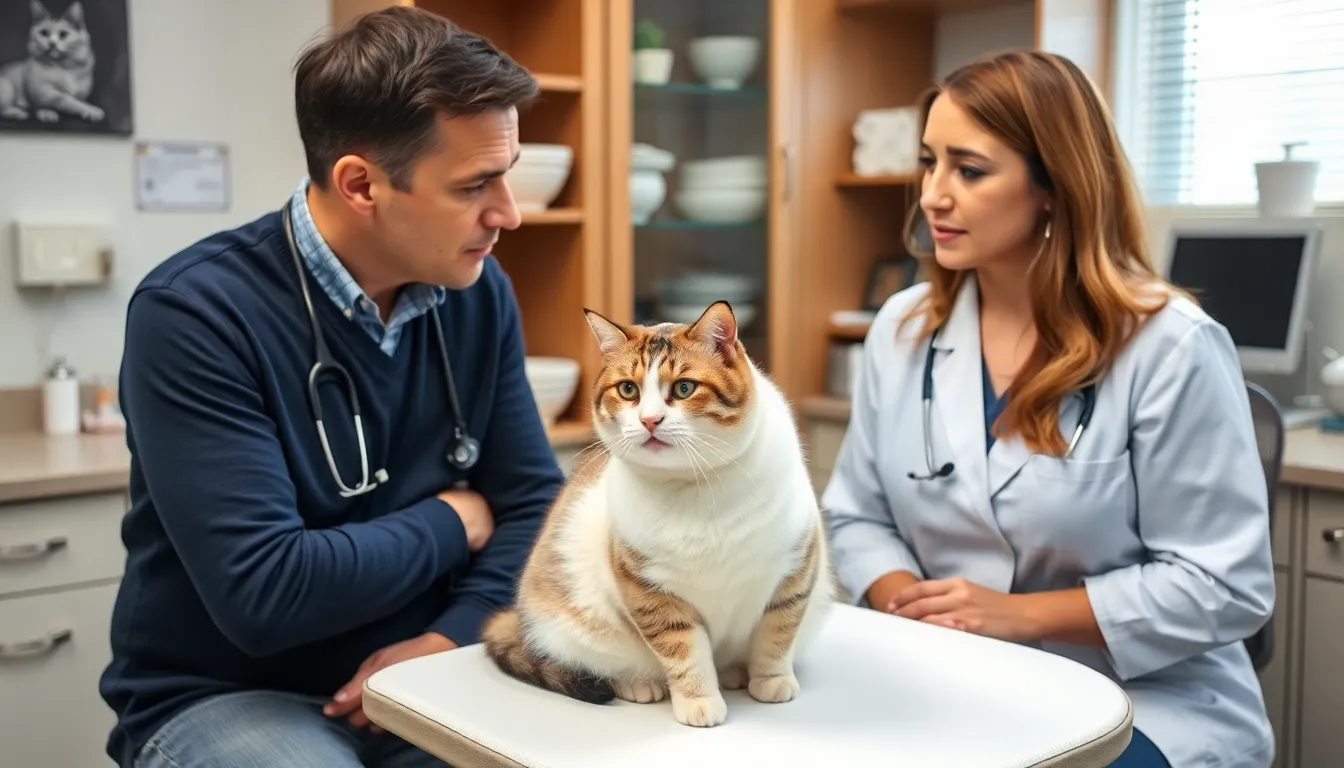
However, the mid-term impacts could present both risks and opportunities. Veterinary practices may need to adapt their business models to accommodate the increased demand for weight loss consultations and prescriptions. This could involve additional training for veterinarians on the use of these drugs and their potential side effects. Conversely, there is a risk of over-reliance on medication without addressing underlying lifestyle issues, which could lead to long-term health complications for pets.
- Increased veterinary consultations as pet owners seek weight management solutions.
- Potential for new product lines in pet food and health supplements.
- Need for veterinary education on drug efficacy and safety.
- Risk of over-medication if lifestyle changes are not implemented.
Regions with a higher concentration of pet owners may see a more pronounced impact, as the demand for these weight loss drugs could lead to a competitive market among veterinary practices. Additionally, as awareness of pet obesity grows, policymakers may be prompted to consider regulations surrounding pet pharmaceuticals, which could further shape the landscape of pet health care.
A: Weight loss drugs for cats are medications designed to help reduce body weight in overweight felines. These drugs work by altering metabolism or reducing appetite, similar to how they function in humans. A: The safety of weight loss drugs for cats depends on the specific medication and the individual health of your cat. Consulting with a veterinarian is crucial before starting any treatment. A: A cat is considered overweight if it exceeds its ideal weight by 10-20%. Signs include difficulty in grooming, reduced activity, and a noticeable belly. A: Obesity in cats can lead to serious health issues, including diabetes, joint problems, and reduced lifespan. Maintaining a healthy weight is essential for overall well-being. A: While a proper diet is critical for weight loss, combining it with exercise and possibly medication can enhance results. It’s best to create a comprehensive weight loss plan with your veterinarian.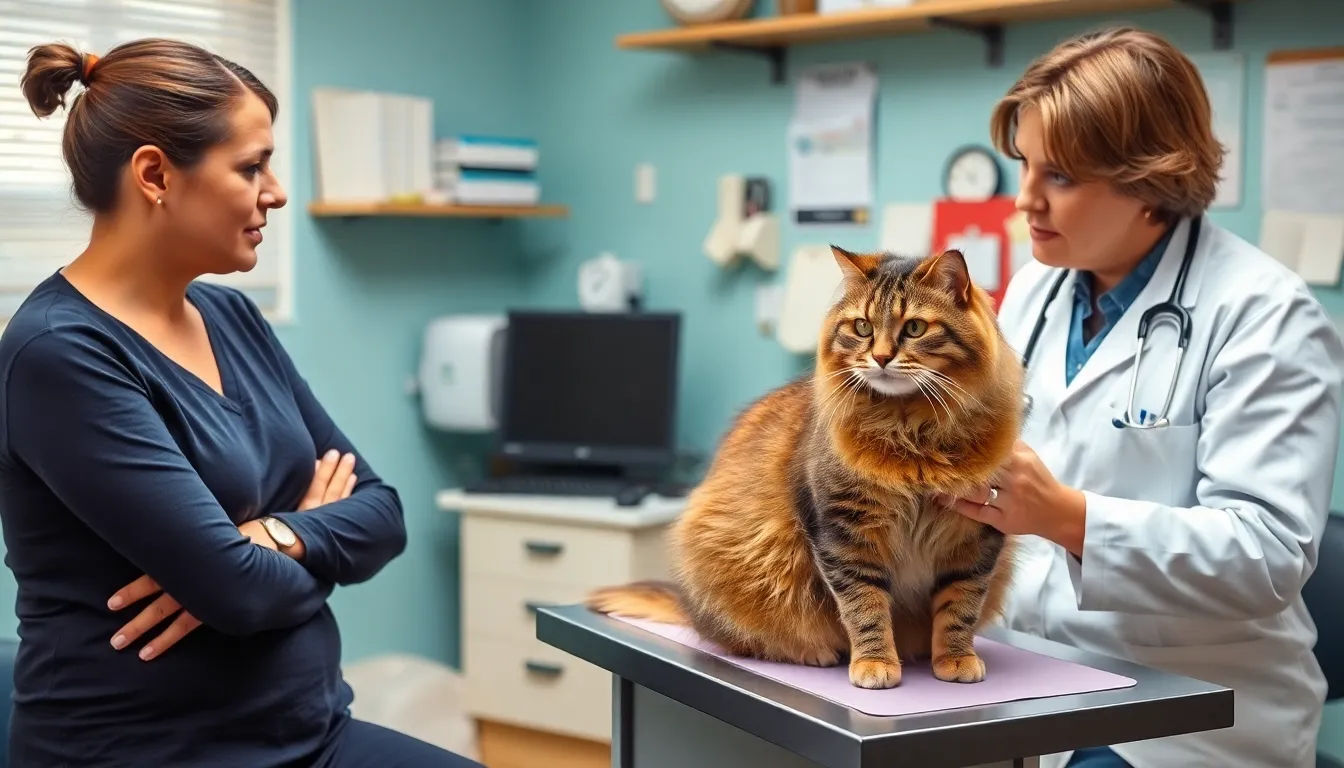
Frequently Asked Questions About Weight Loss Drugs for Cats
Future Perspectives on Weight Loss Solutions for Cats
The emergence of weight loss drugs for pets, particularly those initially designed for humans, signals a transformative shift in how we approach feline obesity. As these medications gain traction, pet owners and veterinarians alike must consider not only the potential health benefits but also the ethical implications surrounding their use. The prospect of transforming overweight cats into healthier, more active companions is enticing, yet it prompts a deeper examination of lifestyle changes that accompany pharmacological interventions.
Looking ahead, it is essential to monitor the long-term effects of these medications on cats, as well as the broader impact on pet care practices. With a growing emphasis on pet wellness, the integration of weight management solutions into routine veterinary care could redefine standards for feline health.
- Monitor Health Outcomes: Regular veterinary check-ups will be crucial to assess the overall health and well-being of cats on weight loss medications.
- Behavioral Adjustments: Owners should be prepared to implement lifestyle changes, including diet and exercise, alongside any pharmacological treatments.
- Ethical Considerations: The use of weight loss drugs raises questions about the responsibilities of pet owners in ensuring the holistic health of their animals.
- Research and Development: Continued studies will be necessary to evaluate the long-term efficacy and safety of these medications in feline populations.
- Pet Owner Education: Increased awareness and education about feline obesity and its management will help owners make informed decisions regarding their pets’ health.