


Recent surveys indicate that while 70% of high school students report having received instruction on managing personal finances, only 30% have learned about self-examination techniques for breast cancer awareness. This disparity raises concerns about the comprehensive nature of education, as students are being prepared for financial responsibilities without adequate preparation for their health needs. The lack of health education can lead to serious consequences, particularly for young women who may not be aware of the importance of early detection.
Advocacy groups have begun to call for a reevaluation of school curriculums, urging policymakers to integrate essential health education alongside financial literacy programs. Initiatives aimed at increasing awareness of breast cancer and promoting self-examinations have gained momentum, with campaigns targeting both schools and communities. These efforts emphasize the need for a balanced approach to education that addresses both financial and health literacy as equally vital for students’ well-being.
The conversation surrounding this issue is becoming more prominent, particularly as studies continue to show the correlation between education and health outcomes. As the dialogue evolves, stakeholders are encouraged to consider the long-term implications of neglecting health education in favor of financial topics. Ensuring that students are well-equipped to handle both their financial futures and their health is crucial for fostering a well-rounded and informed generation.
Understanding the historical focus of school curricula
Historically, school curricula have prioritized subjects that are deemed essential for economic productivity and civic engagement. Subjects such as mathematics, science, and language arts have been emphasized, often overshadowing critical health education topics. This focus can be traced back to industrialization in the 19th century, where educational systems were designed to prepare students for a workforce that required specific skills, leaving little room for personal health education.
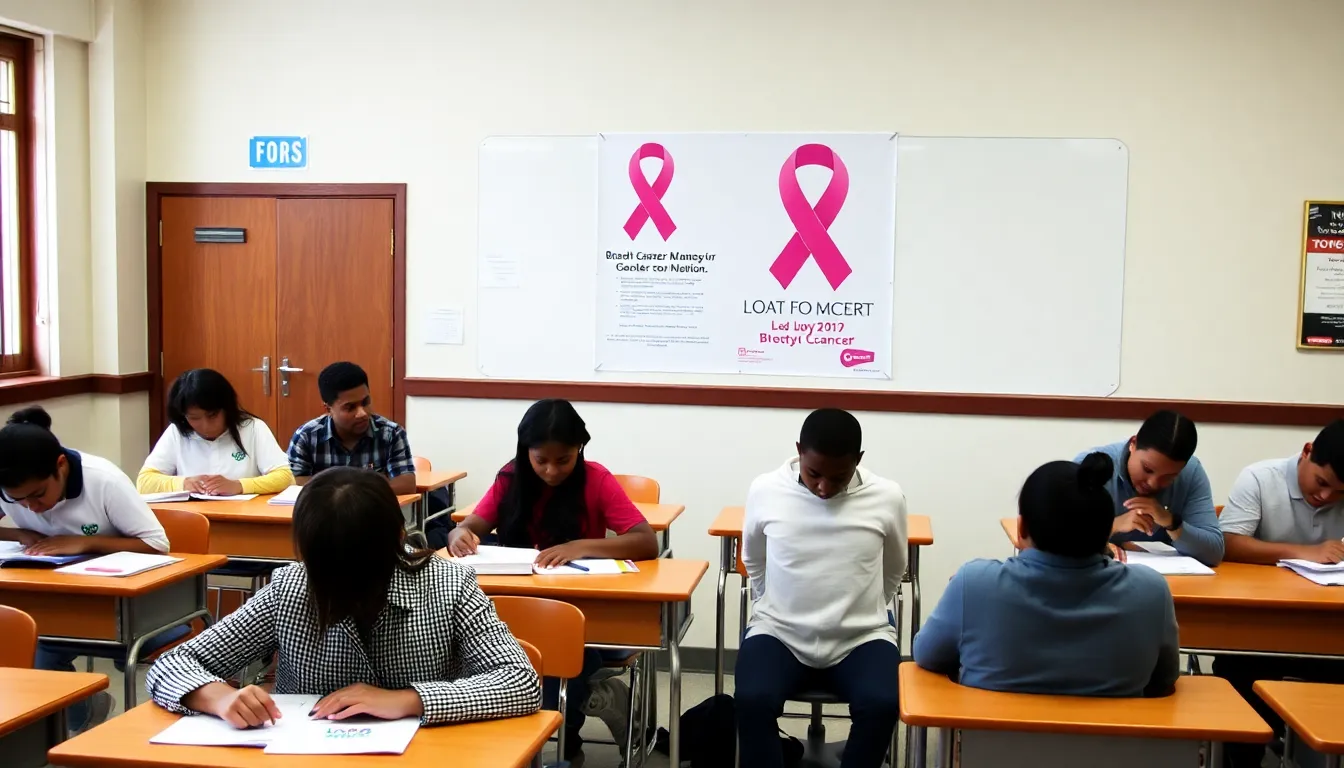
The political landscape has also played a significant role in shaping educational content. In many countries, discussions around sexual health and reproductive education have been contentious, often influenced by cultural and religious beliefs. As a result, topics like breast exams and other health screenings have been sidelined in favor of more traditional academic subjects, despite their importance for personal well-being.
The Economic Implications
Economically, the prioritization of certain subjects over health education can have long-term consequences. A workforce that lacks knowledge about personal health can lead to increased healthcare costs and decreased productivity. Furthermore, the lack of education around preventive health measures, such as breast exams, can result in higher rates of late-stage diagnoses of conditions like breast cancer, ultimately burdening both individuals and the healthcare system.
Key milestones in the evolution of school curricula highlight this ongoing issue. For instance, the introduction of sex education programs in the 1960s and 70s marked a significant shift towards including health-related topics in schools. However, many of these programs were often limited in scope, failing to address comprehensive health education, including the importance of regular screenings and self-examinations.
As society continues to evolve, there is a growing recognition of the need for a more holistic approach to education that encompasses not only academic subjects but also essential life skills, including personal health awareness. This shift is crucial for empowering future generations to take charge of their health and make informed decisions.
Key stakeholders in education and their roles in curriculum development
The discussion around the curriculum in schools often involves various stakeholders, each with distinct interests and influences. These stakeholders include educators, parents, government agencies, and health organizations, all of whom play a crucial role in shaping what students learn and how they are prepared for real-world challenges.
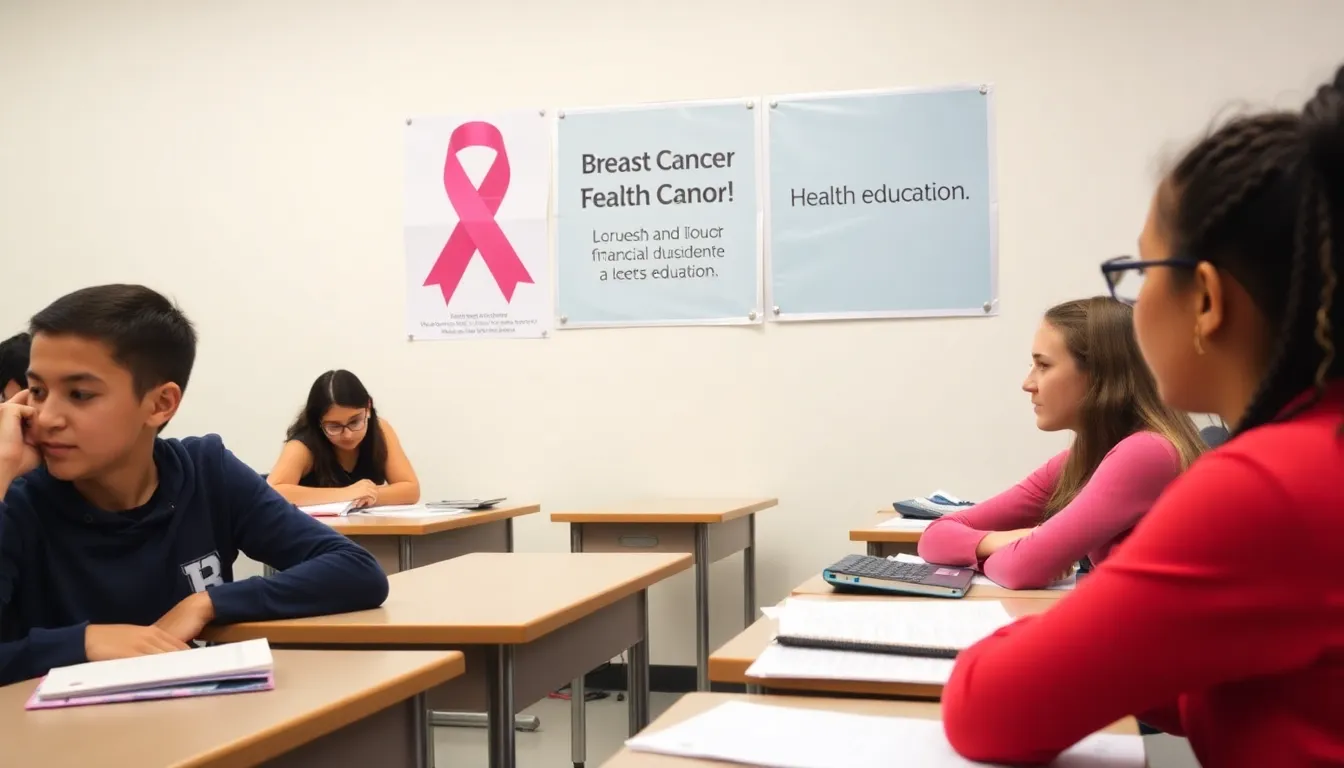
Educators, including teachers and school administrators, are primarily focused on delivering a comprehensive education that meets academic standards while also addressing the personal development of students. They advocate for curricula that not only cover traditional subjects but also incorporate essential life skills, such as financial literacy and health education.
Parents and guardians are another vital group, often voicing their expectations for the curriculum based on their own experiences and values. They may push for more emphasis on practical skills, such as managing bank accounts or understanding health issues like breast exams, reflecting their concerns for their children’s well-being and future success.
Government agencies, including local and national education departments, are responsible for setting educational standards and policies. They face the challenge of balancing resource allocation and curriculum mandates, often prioritizing subjects that align with standardized testing and funding requirements, which can lead to important topics being overlooked.
Health organizations and advocacy groups also play a significant role in this dialogue. They emphasize the importance of including health education in school curricula, arguing that knowledge about personal health is as critical as financial literacy. Their efforts often highlight the need for comprehensive sex education and awareness about health screenings, which are essential for early detection and prevention.
- Conflicts may arise between educators’ desires for comprehensive curricula and government mandates focused on standardized testing.
- Parents may advocate for more health education, while schools struggle to find time within existing schedules.
- Health organizations may face challenges in getting schools to adopt their recommended curricula due to budget constraints.
- Economic factors can limit the resources available for implementing broader educational programs.
- Legal issues may arise regarding the inclusion of certain health topics in the curriculum, leading to debates about parental rights and student education.
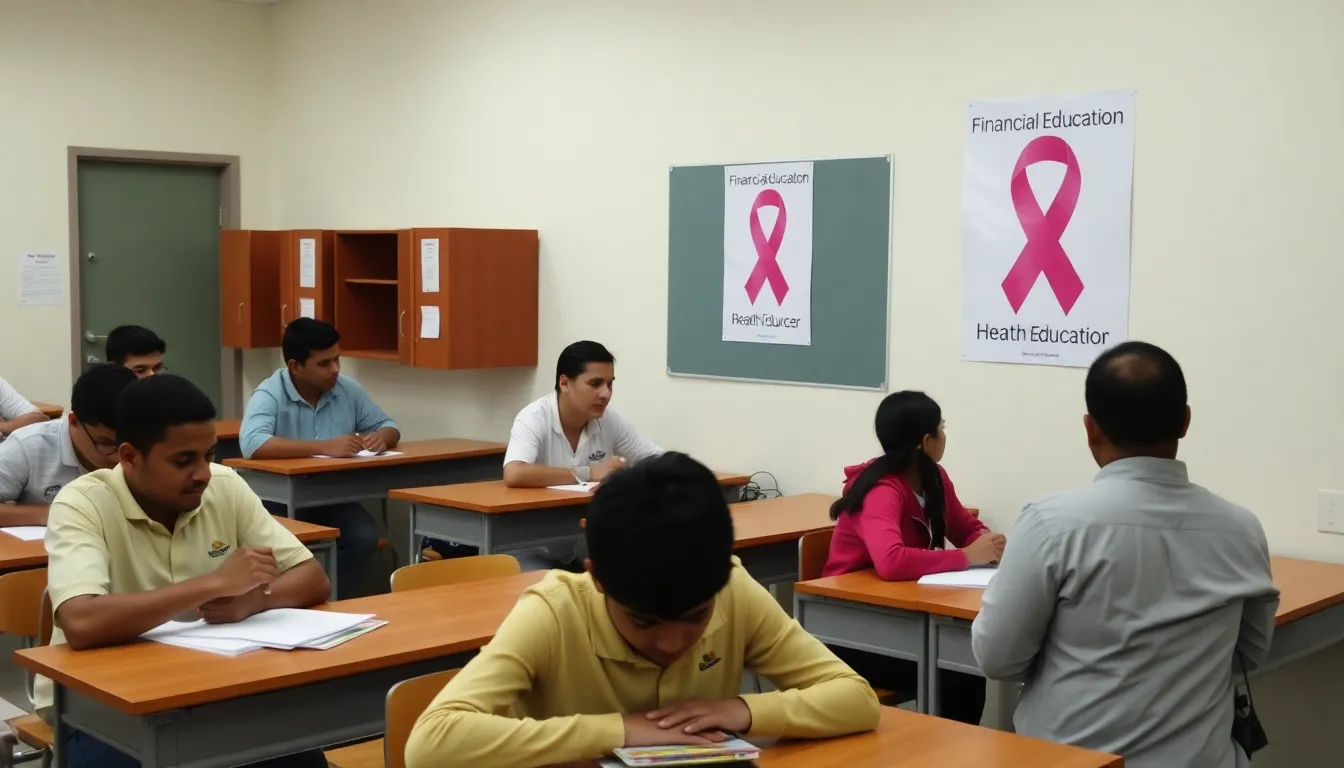
The effects of educational gaps on students’ health and financial decisions
The lack of comprehensive education on critical health issues, such as breast exams, alongside financial literacy, highlights a significant gap in the curriculum that affects various groups. Primarily, students, particularly young women, are directly impacted by this deficiency. Additionally, educators and policymakers in the health and finance sectors face challenges in addressing these gaps, which can hinder effective teaching and outreach.
In the short term, students may experience increased anxiety and confusion regarding their health and financial choices. Without proper education, young women may neglect essential health screenings, leading to potential health risks. Simultaneously, young adults may struggle with managing bank accounts and understanding financial products, resulting in poor financial decisions that could affect their long-term stability.
In the mid-term, the repercussions of these educational gaps can extend to businesses and healthcare providers. Companies may find that employees lack essential financial skills, leading to decreased productivity and increased stress levels. Healthcare providers might see a rise in late-stage health issues due to missed screenings, resulting in higher treatment costs and a greater burden on the healthcare system.
- Health Risks: Increased incidence of undetected health issues among young women.
- Financial Mismanagement: Higher likelihood of debt and poor financial planning.
- Workplace Productivity: Decreased efficiency due to financial stress and health-related absenteeism.
- Policy Changes: Potential for educational reforms focusing on holistic health and financial literacy.
However, these challenges also present opportunities for change. Educational institutions can develop integrated curricula that address both health and financial literacy, fostering a more well-rounded understanding among students. Nonprofits and community organizations can step in to provide workshops and resources, empowering young individuals with the knowledge they need to make informed decisions about their health and finances.
A: Breast exams are often overlooked in school curricula, which tend to focus more on financial literacy. This gap can lead to a lack of awareness about important health practices. A: Schools can enhance health education by incorporating comprehensive programs that cover topics like breast exams, nutrition, and mental health alongside financial literacy. A: Not teaching breast exams can result in lower awareness and higher risks of late diagnosis of breast cancer, impacting overall health outcomes for students. A: Yes, various advocacy groups are pushing for curriculum changes to include more health education, emphasizing the importance of early detection and preventive care. A: Financial literacy equips students with essential skills for managing money, which can lead to better financial decisions and stability in adulthood.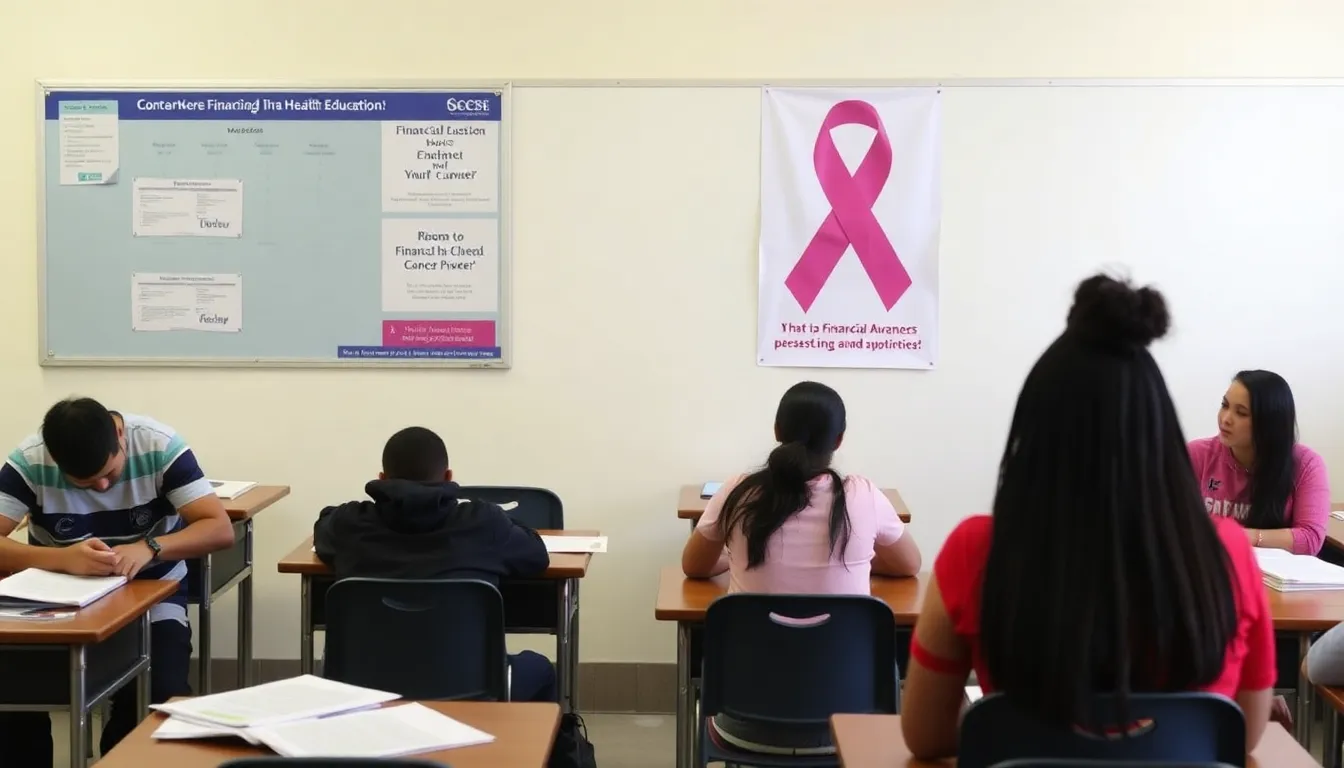
Frequently asked questions about education and health awareness
Insights on improving education for better health and financial outcomes
The disparity between the financial literacy taught in schools and the lack of focus on essential health education highlights a significant gap in the current educational system. While understanding bank accounts and managing finances is crucial for students, equally important is equipping them with knowledge about personal health, such as breast exams and other preventive measures. Bridging this gap can lead to more informed individuals who are prepared to handle both their financial and health-related responsibilities.
As we move forward, it is essential to advocate for a more holistic approach to education that encompasses both financial and health literacy. This dual focus can empower students to make informed decisions that positively impact their overall well-being and financial security throughout their lives.
- Integrate health education into financial literacy programs: Schools should develop curricula that combine financial and health education to provide a more comprehensive learning experience.
- Encourage parental involvement: Engaging parents in discussions about both financial and health topics can reinforce the importance of these subjects at home.
- Utilize technology: Leverage online platforms and apps to provide accessible resources and information on both financial and health literacy.
- Promote community workshops: Organize events that focus on educating students and their families about health screenings and financial management.
- Advocate for policy changes: Support initiatives that call for educational reforms to include comprehensive health education alongside financial literacy in school curricula.