


In response to these challenges, European nations are increasingly concerned about the implications for biodiversity and climate change. The European Union has initiated discussions on how to bolster support for Brazil and other Amazonian countries to combat these illegal activities, as outlined in our article on Understanding the Climate Question and Its Implications. Key players in this effort include Brazil’s government and various indigenous organizations, who are advocating for stronger protections for their lands.
The involvement of foreign mercenaries and private military contractors has also raised questions about security in the region. Reports suggest that some groups are hiring these forces to protect their interests in the lucrative gold mining sector. This development complicates the situation further, as local communities often find themselves caught in the crossfire between these armed entities and environmental defenders.
As the situation evolves, the role of international cooperation becomes critical. European nations are considering deploying resources, including financial aid and expertise, to help establish sustainable practices in the Amazon. The potential for a coordinated response could influence not only the future of the rainforest but also global efforts to address climate change and preserve biodiversity.
Exploring the historical background of European involvement in the Amazon
The Amazon rainforest, often referred to as the “lungs of the Earth,” has been a focal point of European interest since the 16th century when explorers first ventured into its depths. Initial encounters were driven by the quest for wealth, particularly gold and other precious resources. This early exploitation set a precedent for continued European involvement in the region, which has evolved over the centuries into a complex interplay of environmental, economic, and political factors.
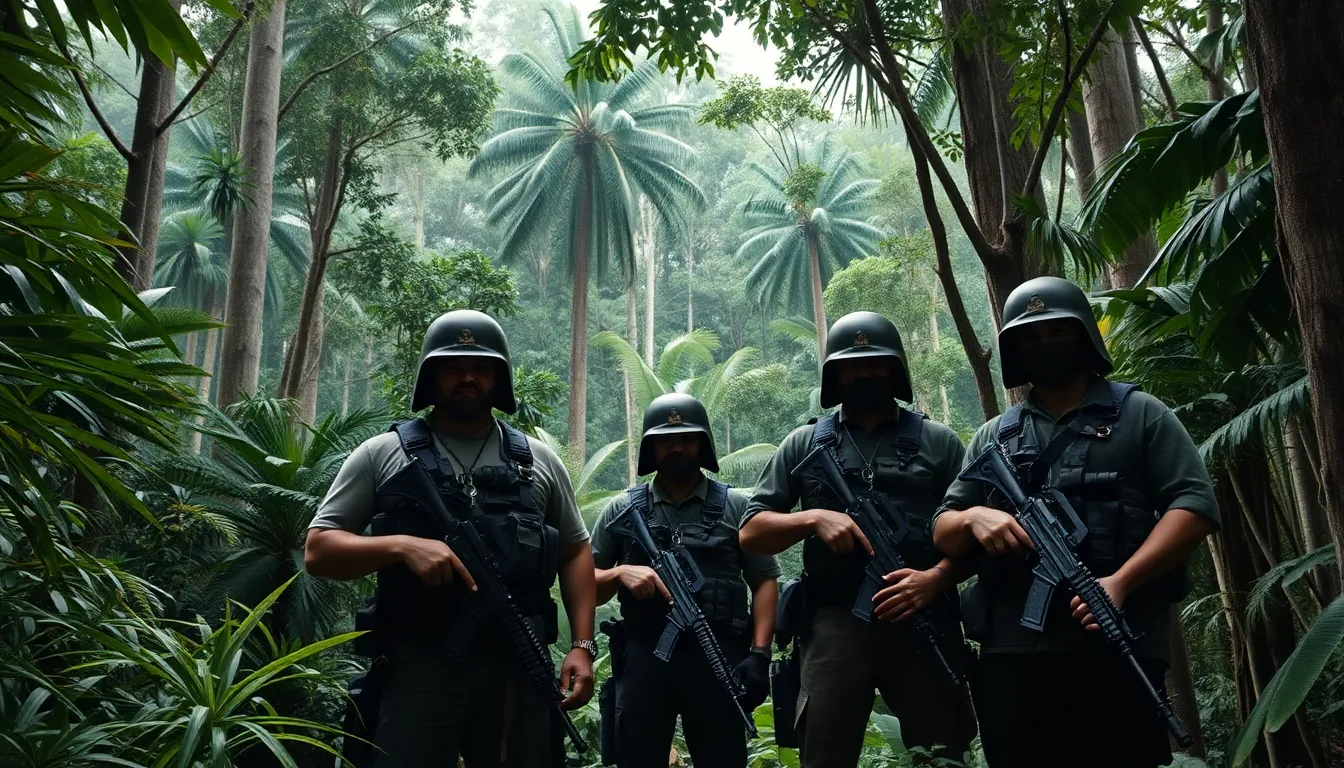
During the colonial period, European powers, notably Spain and Portugal, established territories in South America, leading to significant changes in the indigenous populations and ecosystems. The Treaty of Tordesillas in 1494 divided the New World between Spain and Portugal, paving the way for extensive resource extraction. The introduction of European agricultural practices and the establishment of plantations disrupted traditional ways of life, causing long-lasting social and environmental consequences.
In the 19th and 20th centuries, European interests in the Amazon shifted towards rubber and timber, further intensifying the exploitation of its resources. The rubber boom of the late 19th century attracted thousands of European migrants, leading to the establishment of new communities and economic ventures. However, this influx also exacerbated conflicts with indigenous populations, as land was appropriated for commercial use, often without regard for local rights and traditions.
The Rise of Environmental Awareness
As the 20th century progressed, global awareness of environmental issues grew, prompting European nations to reconsider their roles in the Amazon. The establishment of international treaties aimed at protecting biodiversity and indigenous rights marked a turning point in the relationship between Europe and the Amazon, similar to the broader themes discussed in Understanding The Climate Question and Its Implications. However, the challenge remains: balancing economic interests with the urgent need for conservation and sustainable development in a region that is critical to the planet’s health.
Today, the Amazon faces unprecedented threats from deforestation, illegal mining, and climate change, prompting renewed discussions about European involvement. The question of how Europe can effectively defend its frontier in the Amazon is not merely a matter of policy but involves understanding the historical context that has shaped current dynamics, reminiscent of the complex factors explored in our article about boycotts and arguments surrounding the Eurovision Song Contest. As Europe grapples with its historical legacy, the future of the Amazon hangs in the balance, necessitating a collaborative approach that respects both environmental and social imperatives.
Analyzing key stakeholders and their interests in the Amazon
The Amazon rainforest, often referred to as the “lungs of the Earth,” is a region of immense ecological and economic significance. Various stakeholders are involved in the ongoing debates surrounding its protection and utilization, including governments, corporations, indigenous communities, and international organizations. Each of these actors has distinct interests that often conflict with one another, presenting a complex landscape of challenges and opportunities.
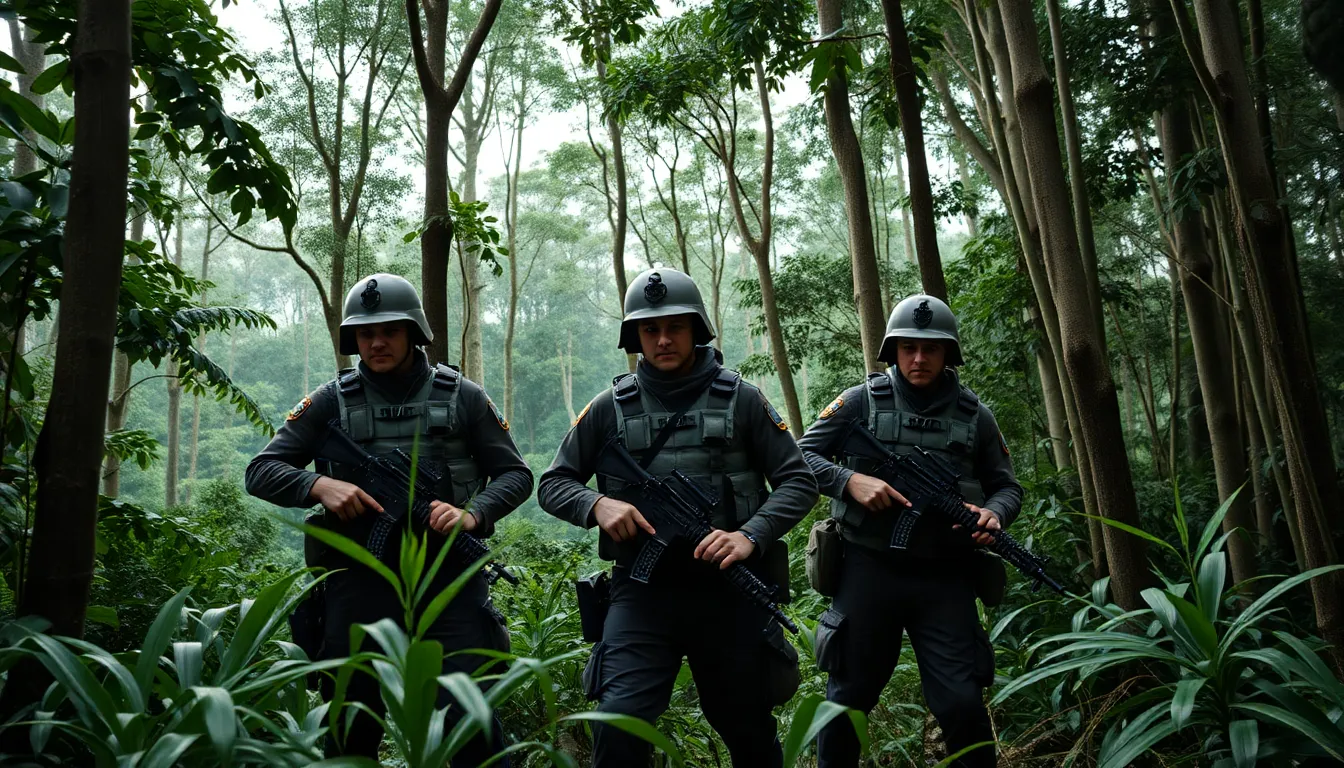
One of the primary actors in this scenario is the Brazilian government, which has significant control over the Amazon’s resources. The government is often caught between the desire to promote economic growth through agriculture, mining, and logging, and the need to preserve the environment. This duality creates a tension where economic incentives may lead to environmental degradation, raising questions about sustainable development.
Corporations, particularly those in the mining and agricultural sectors, have a vested interest in exploiting the Amazon’s resources. These entities often argue that their activities contribute to economic growth and job creation. However, their operations can lead to deforestation and biodiversity loss, which are critical issues for environmental advocates and indigenous populations who rely on the forest for their livelihoods.
Indigenous communities are another crucial stakeholder in the Amazon’s future. They have lived sustainably in the region for centuries and possess invaluable knowledge about its ecosystems. Their interests often center around land rights, cultural preservation, and environmental protection. Conflicts arise when their rights are overlooked in favor of corporate or governmental interests, leading to legal battles and social unrest.
- Government interests: Balancing economic growth with environmental protection.
- Corporate interests: Maximizing profits through resource extraction.
- Indigenous rights: Advocating for land rights and sustainable practices.
- International organizations: Promoting conservation efforts and sustainable development.
- Environmental activists: Fighting against deforestation and biodiversity loss.
Assessing the impact on local communities and ecosystems
The ongoing geopolitical tensions surrounding the Amazon region, particularly in relation to the influx of foreign interests such as gold mining and military presence, have significant implications for local communities and ecosystems. Indigenous populations, small farmers, and environmental activists are among the groups most directly affected by these developments.
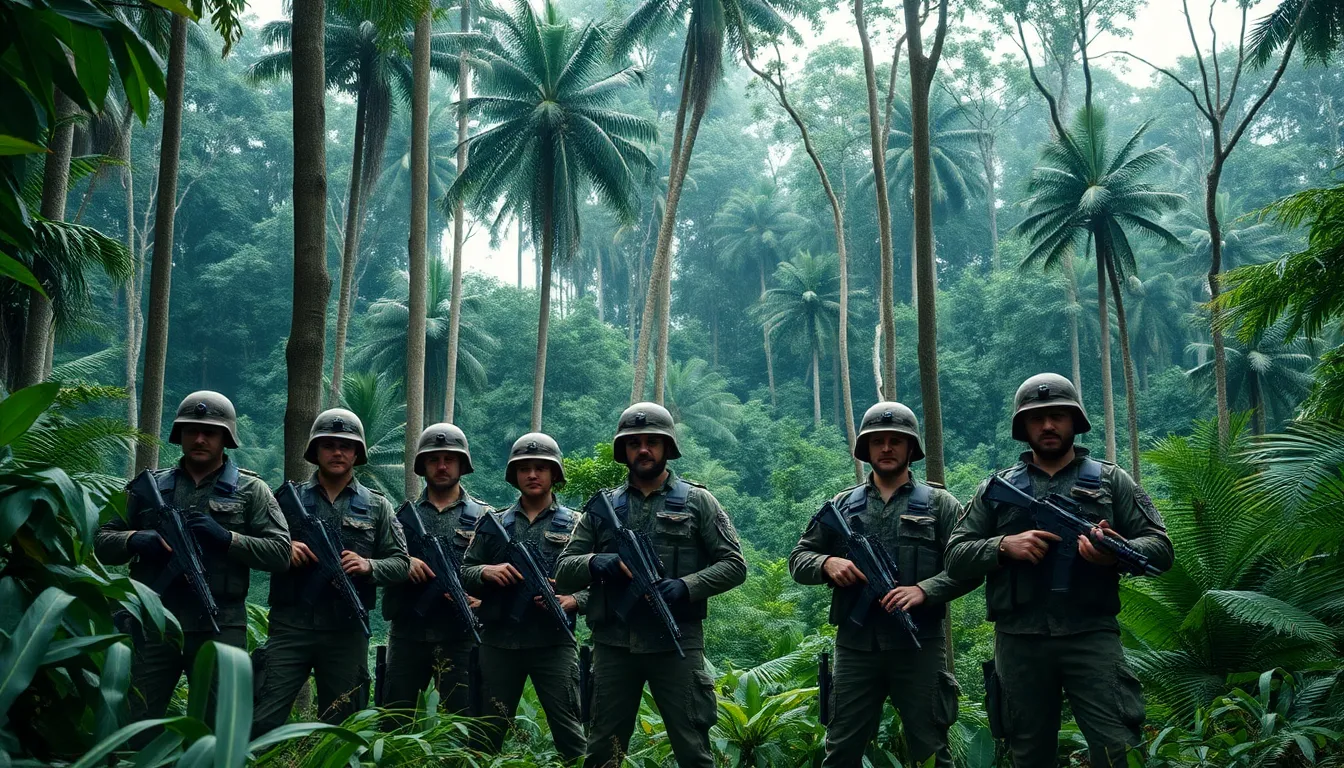
In the short term, local communities may experience disruptions to their daily lives as foreign entities increase their operations. This could lead to a rise in land disputes, as indigenous territories are encroached upon for resource extraction. Additionally, the influx of foreign workers may strain local resources and infrastructure, leading to increased competition for jobs and services.
Mid-term impacts may include shifts in local economies as traditional practices are overshadowed by mining and military activities. While some may benefit from new job opportunities, others could face unemployment as their livelihoods are compromised. Furthermore, the environmental degradation resulting from mining operations poses a threat to biodiversity, which is crucial for the sustenance of local ecosystems and communities.
- Risks: Environmental degradation, loss of indigenous land, increased competition for resources.
- Opportunities: Potential job creation, infrastructure development, and increased global attention on conservation efforts.
As policies shift in response to these pressures, the balance between economic development and environmental preservation will be critical. Local governments may need to navigate complex negotiations with foreign entities while advocating for the rights of their citizens and the protection of their natural heritage.
A: Europe faces challenges such as illegal mining, deforestation, and geopolitical tensions. These issues complicate efforts to protect the environment and local communities. A: The Foreign Legion may be considered for security operations in the region, providing a military presence to support European interests and protect resources. A: Gold mining is a significant driver of environmental degradation and conflict in the Amazon, attracting illegal operations that threaten both ecosystems and local populations. A: Yes, there are various international agreements aimed at protecting the Amazon, but enforcement and cooperation remain challenging. A: Local communities have mixed feelings, with some seeing potential benefits from investment while others fear exploitation and loss of sovereignty.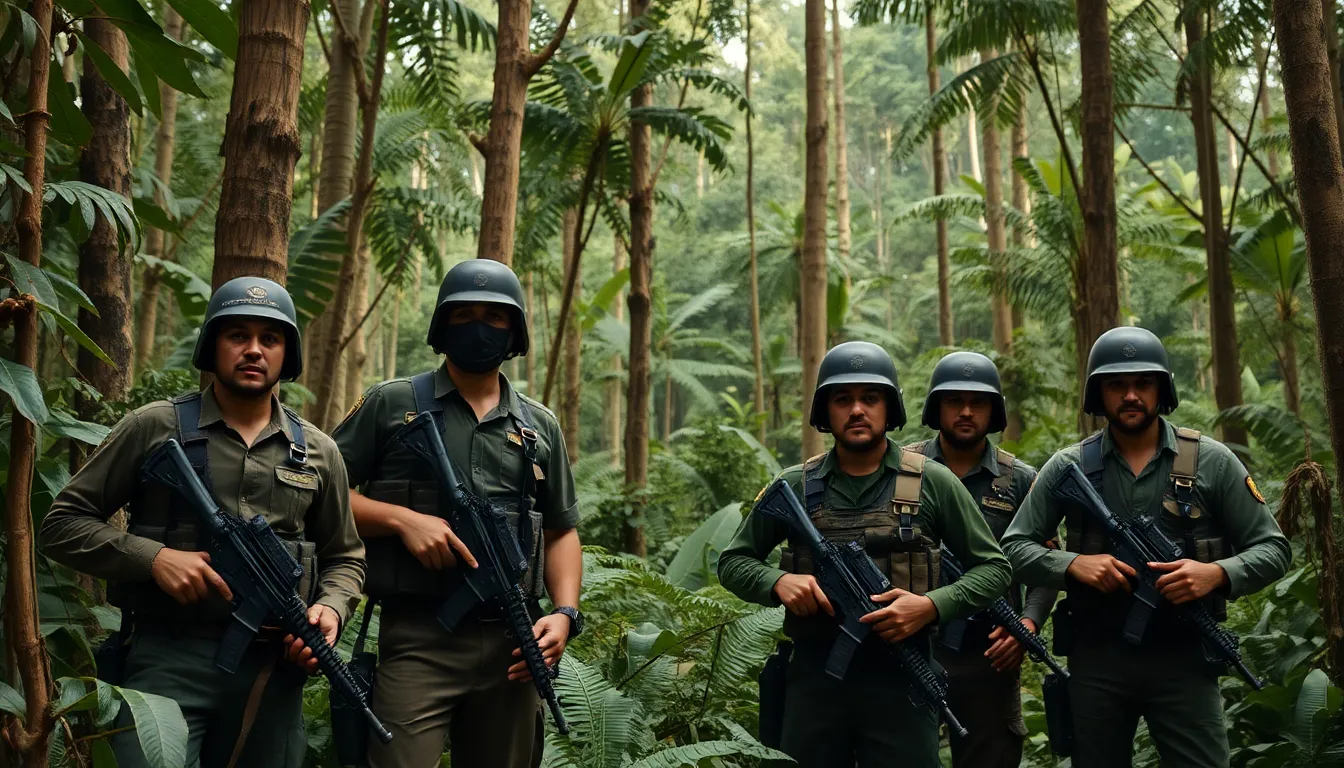
Frequently asked questions about Europe’s role in the Amazon
Key insights and future outlook for the Amazon region
The ongoing geopolitical dynamics surrounding the Amazon region highlight the intricate balance between environmental preservation and economic interests. As Europe contemplates its role in defending this vital frontier, the implications of military presence, resource extraction, and international cooperation become increasingly significant. The interplay of these factors will shape not only the future of the Amazon but also the broader environmental policies and diplomatic relations across the globe.
Monitoring the developments in the Amazon will be crucial as various stakeholders, including local governments, international organizations, and private corporations, navigate the complexities of sustainability and economic growth. The outcomes of these interactions will likely set precedents for how global powers engage with critical ecosystems in the face of climate change and resource scarcity.
- Increased military presence: Watch for potential shifts in European military strategies as they respond to environmental threats and economic interests in the Amazon.
- Resource management policies: Observe how local and international policies evolve to balance conservation efforts with the demands of resource extraction.
- International partnerships: Keep an eye on the formation of alliances between European nations and South American countries aimed at fostering sustainable development.
- Public awareness and activism: Expect rising global awareness and activism around Amazonian issues, which could influence political agendas and corporate practices.
- Technological innovations: Innovations in monitoring and conservation technologies may play a pivotal role in protecting the Amazon’s biodiversity while allowing for responsible resource use.