



In November 2023, the United Nations Climate Change Conference (COP28) is set to take place in Dubai, where world leaders will gather to discuss strategies for reducing greenhouse gas emissions. The conference aims to build on the commitments made in the Paris Agreement and to enhance global cooperation in combating climate change. Key players, including the European Union, the United States, and China, are expected to present their updated climate action plans.
Recent studies have highlighted the disproportionate effects of climate change on vulnerable populations, particularly in developing countries. A report by the Intergovernmental Panel on Climate Change indicates that without immediate action, millions could face food insecurity, displacement, and health crises. This situation emphasizes the need for equitable solutions that address both environmental and social justice issues.
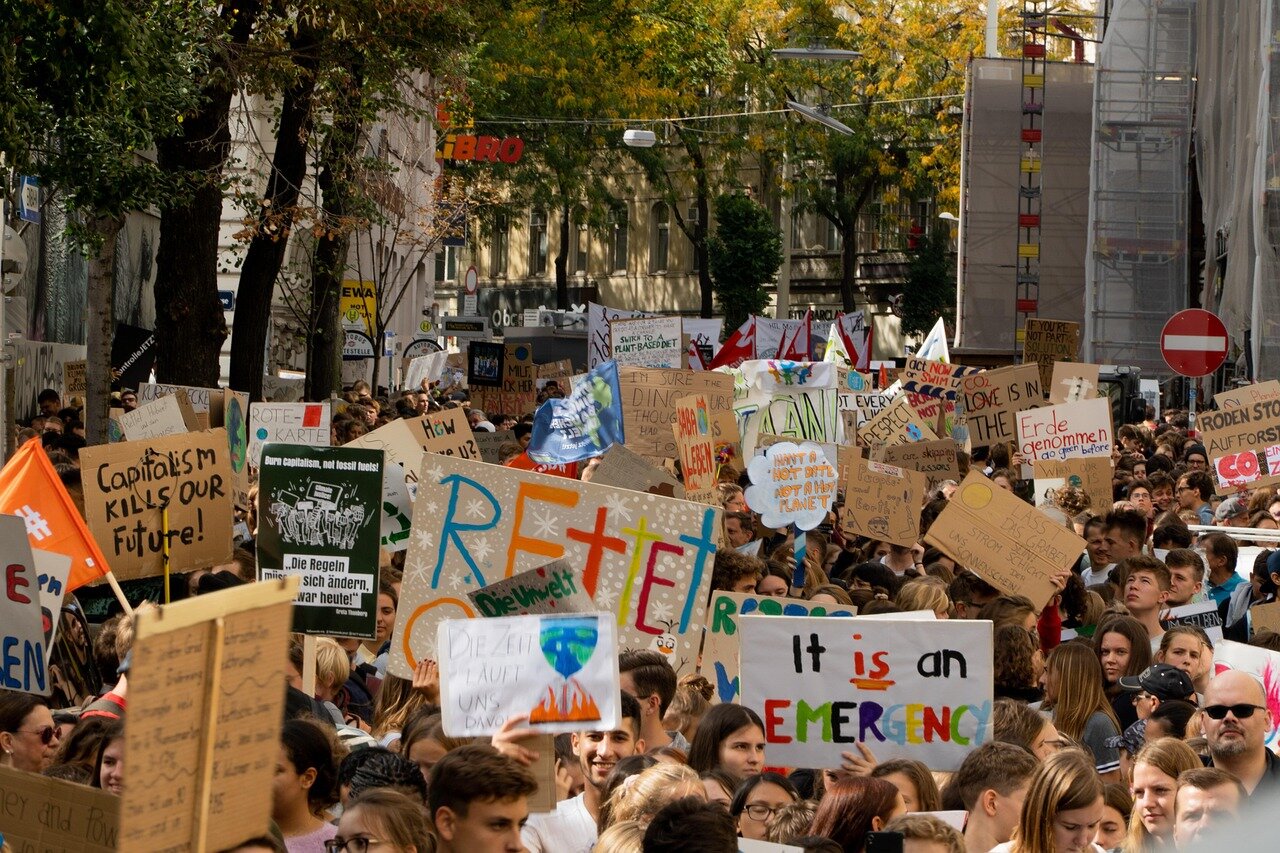
In addition to international negotiations, grassroots movements are gaining momentum, advocating for sustainable practices and policy changes. Activist groups are increasingly pressuring governments and corporations to commit to net-zero emissions and invest in renewable energy sources, as highlighted in a report by the Intergovernmental Panel on Climate Change. The growing awareness and activism reflect a shift in public sentiment, recognizing climate change as a pressing global issue that requires immediate attention and action.
Historical Background of Climate Change Discussions
The discourse surrounding climate change has evolved significantly over the past several decades, influenced by a combination of scientific discoveries, political agendas, and social movements. The modern understanding of climate change began to take shape in the late 20th century, driven by the realization that human activities, particularly the burning of fossil fuels, were contributing to the greenhouse effect. This phenomenon, where gases trap heat in the atmosphere, was first articulated in the 19th century, but it wasn’t until the 1970s that it gained widespread attention.
Key milestones in the climate conversation include the establishment of the Intergovernmental Panel on Climate Change (IPCC) in 1988, which was tasked with assessing the scientific knowledge surrounding climate change and its impacts. The IPCC’s reports have been instrumental in shaping international policy and public awareness, highlighting the urgent need for action, as acknowledged in upcoming discussions about the United Nations Framework Convention on Climate Change (UNFCCC), which aimed to stabilize greenhouse gas concentrations in the atmosphere.
Political and Economic Influences
The political landscape has played a crucial role in shaping climate change discussions. Various countries have approached the issue differently, often influenced by their economic interests and energy dependencies. For instance, developing nations have argued for financial and technological support from developed countries to mitigate climate impacts, while the latter have often been reluctant to commit to binding emissions targets without assurances from emerging economies. The 2015 Paris Agreement represented a significant turning point, as nearly every country in the world pledged to limit global warming to well below 2 degrees Celsius, reflecting a collective acknowledgment of the climate crisis.
Social movements have also been instrumental in bringing climate change to the forefront of public consciousness. Grassroots campaigns, youth activism, and global movements like Fridays for Future have mobilized millions, demanding urgent action from governments and corporations. These movements have not only raised awareness but have also pressured policymakers to incorporate climate considerations into economic planning and development strategies.
In summary, the historical context of climate change discussions reveals a complex interplay of scientific, political, and social factors that have shaped the current landscape. Understanding this background is essential for grasping the urgency and significance of the ongoing climate crisis and the collective efforts required to address it.
Key Stakeholders and Major Issues in Climate Policy
The climate crisis involves a diverse array of stakeholders, each with distinct interests and motivations. Key actors include national governments, multinational corporations, non-governmental organizations (NGOs), and local communities. Each of these groups plays a crucial role in shaping climate policy and addressing the associated challenges.

Governments are often seen as primary stakeholders, tasked with creating and enforcing regulations to mitigate climate change. Their interests can vary significantly based on political ideologies, economic conditions, and public opinion. For example, countries heavily reliant on fossil fuels may prioritize economic growth over environmental regulations, leading to conflicts with nations advocating for aggressive climate action.
Multinational corporations, particularly those in the energy, transportation, and manufacturing sectors, face pressure to adapt to changing regulations and consumer expectations regarding sustainability. Their interests often revolve around profit maximization, which can clash with environmental goals. However, many corporations are beginning to recognize the long-term benefits of sustainable practices, leading to a complex interplay between economic and environmental priorities.
- Conflicts of Interest: Tensions between developed and developing nations regarding responsibilities for emissions reductions.
- Trade-offs: Balancing economic growth with environmental protection, particularly in resource-rich regions.
- Legal Issues: The role of international agreements, such as the Paris Agreement, and their enforcement mechanisms.
- Economic Challenges: The financial implications of transitioning to renewable energy sources and the potential impacts on jobs.
- Community Engagement: The importance of involving local communities in climate policy decisions to address their specific needs and concerns.
NGOs and advocacy groups play a vital role in raising awareness and pushing for more ambitious climate policies. They often serve as a bridge between the public and policymakers, advocating for transparency and accountability. However, their influence can sometimes be countered by powerful corporate interests, leading to ongoing debates about the effectiveness of grassroots movements in driving meaningful change.
Who Is Affected by Climate Change and How
Climate change is a global phenomenon that impacts various groups, industries, and regions differently. Vulnerable populations, such as low-income communities and indigenous peoples, are often the most affected due to their limited resources to adapt to changing conditions. Additionally, regions prone to extreme weather events, such as coastal areas and arid regions, face heightened risks from rising sea levels and droughts.
Industries that heavily rely on natural resources, such as agriculture, fishing, and tourism, are particularly susceptible to the effects of climate change. For instance, unpredictable weather patterns can disrupt crop yields, while ocean acidification affects fish populations, threatening livelihoods and food security. In the short term, businesses may face increased operational costs due to the need for climate adaptation measures.

On the other hand, there are potential opportunities for innovation and growth in the green economy. As the demand for sustainable products and services rises, companies that invest in renewable energy, energy efficiency, and sustainable agriculture may find new markets and revenue streams. This shift can also lead to job creation in emerging sectors focused on sustainability.
Key impacts of climate change include:
- Increased frequency of extreme weather events affecting infrastructure and safety.
- Disruption of supply chains in industries reliant on stable climate conditions.
- Policy shifts towards stricter regulations on carbon emissions and sustainability practices.
- Emergence of new business opportunities in renewable energy and sustainable technologies.
In the mid-term, the adaptation strategies adopted by businesses and governments will play a crucial role in determining the resilience of communities and industries. Those who proactively address climate risks may not only mitigate potential losses but also position themselves as leaders in a rapidly evolving marketplace.
A: The main causes of climate change include greenhouse gas emissions from human activities such as burning fossil fuels, deforestation, and industrial processes. These activities increase the concentration of carbon dioxide and other greenhouse gases in the atmosphere. A: Climate change leads to more extreme weather events, including increased temperatures, heavy rainfall, and prolonged droughts. These changes disrupt traditional weather patterns and can have devastating effects on agriculture and ecosystems. A: Individuals can reduce their carbon footprint by using public transport, conserving energy at home, reducing waste, and supporting sustainable practices. Every small action contributes to a larger collective effort. A: Governments play a crucial role by implementing policies aimed at reducing emissions, promoting renewable energy, and participating in international agreements like the Paris Accord. Effective legislation can drive significant change. A: Yes, addressing climate change can lead to economic benefits such as job creation in renewable energy sectors, reduced healthcare costs from pollution-related illnesses, and increased resilience against climate impacts.
Frequently Asked Questions About Climate Change
Key Takeaways and Future Outlook on Climate Issues
The ongoing discourse surrounding climate change highlights a critical juncture in our approach to environmental stewardship. As global temperatures continue to rise, the urgency for collective action becomes increasingly apparent. Policymakers, businesses, and individuals alike must adapt to a landscape where sustainability is not just an option but a necessity for long-term viability.
Looking ahead, the integration of innovative technologies and sustainable practices will play a pivotal role in mitigating climate impacts. Stakeholders should remain vigilant and proactive in their strategies, recognizing that the pathways we choose today will shape the world of tomorrow.
- Embrace Renewable Energy: Transitioning to renewable energy sources is essential for reducing carbon footprints and ensuring energy security.
- Invest in Climate Resilience: Communities must prioritize investments in infrastructure that can withstand climate-related disruptions.
- Support Sustainable Practices: Encouraging sustainable agriculture and responsible consumption will be key to preserving natural resources.
- Foster Collaborative Solutions: Multilateral cooperation among nations is vital to addressing the global nature of climate challenges.
- Enhance Public Awareness: Educating the public on climate issues can drive grassroots movements and influence policy changes.