


Recent developments highlight the growing financial disparities in football, where top European clubs attract the majority of talent and resources. This shift has led to concerns about the viability and visibility of AFCON, as many players opt to prioritize club commitments over national duty, impacting the quality of the tournament. For more on the financial dynamics affecting sports, see this related article.
Moreover, the governance of football in Africa has come under scrutiny, with allegations of mismanagement and corruption affecting the credibility of the Confederation of African Football (CAF). These issues have raised questions about the tournament’s future and its ability to attract sponsorship and viewership on par with other international competitions.
As the tournament approaches, stakeholders are urging a reevaluation of the scheduling and support for AFCON to ensure it remains a vital part of the football calendar. The outcome of this tournament could significantly influence the future of African football and its standing in the global arena.
Understanding the historical significance of the tournament
The Africa Cup of Nations (AFCON) has long been more than just a football tournament; it serves as a cultural touchstone for many African nations. Established in 1957, AFCON was the first continental football competition in Africa, created to promote unity and showcase the continent’s talent on an international stage. Over the decades, it has evolved into a celebration of African identity, resilience, and sporting prowess, holding significant political and social implications in a region often beset by challenges.
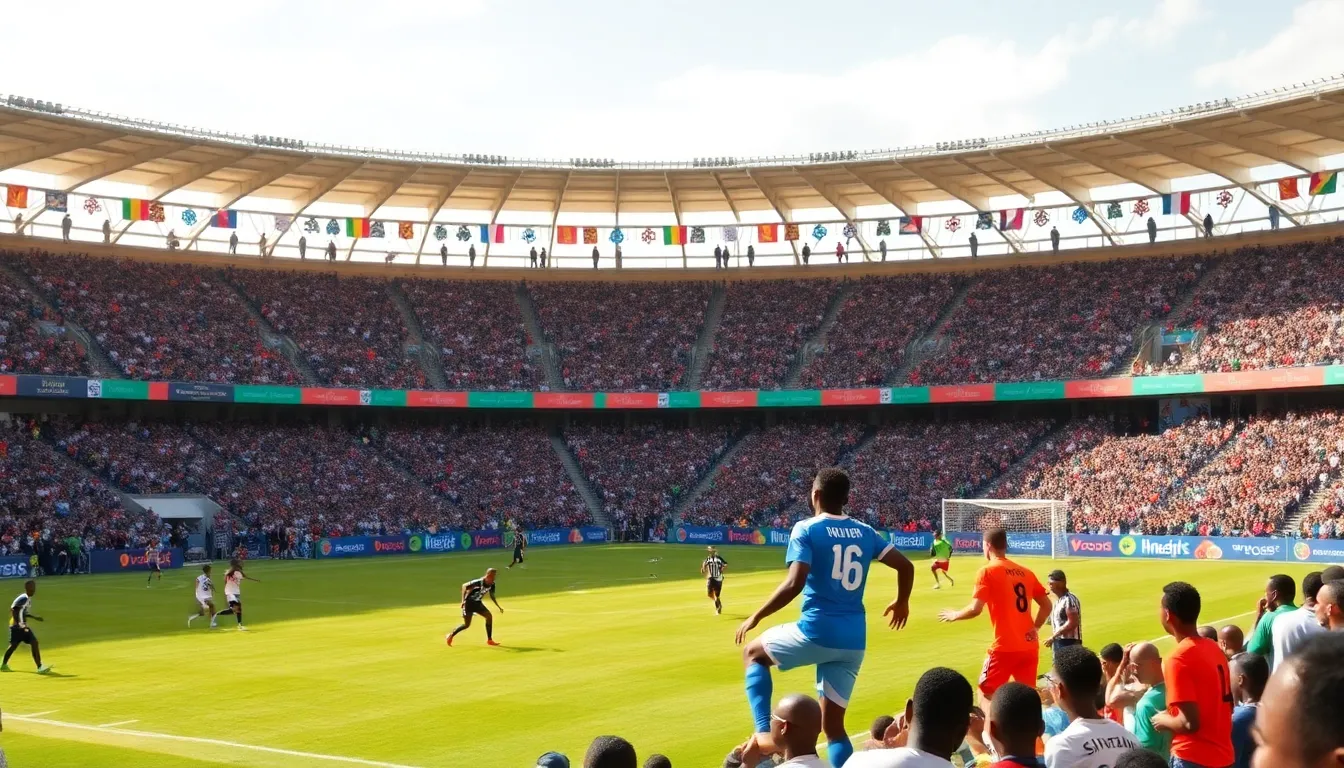
Historically, the tournament has played a pivotal role in fostering national pride and unity, particularly in post-colonial contexts. For many countries, success in AFCON has been synonymous with emerging from the shadows of colonial rule and asserting their place in the global arena. The victories of teams like Egypt, Nigeria, and Cameroon have not only elevated their national status but also inspired a sense of belonging and hope among their citizens. This cultural significance is often tested against the backdrop of commercial pressures highlighted in our report on industrial shifts.
However, the tournament’s prominence has been increasingly overshadowed by the financial allure of club football, particularly in Europe. The rise of lucrative leagues and the globalization of the sport have diverted attention and resources away from international competitions. This shift has left AFCON struggling for visibility and support, as clubs prioritize their own financial interests over the international fixtures that once held such significance.
The impact of globalization on AFCON
The globalization of football has introduced new dynamics that challenge the traditional standing of AFCON. With European leagues attracting the best talent and financial investment, many African players find themselves torn between representing their countries and fulfilling lucrative contracts abroad. This has led to a dilution of the tournament’s quality and appeal, as top players often miss out on participating due to club commitments or scheduling conflicts. The once-celebrated event is now at risk of being marginalized, raising questions about its future and the potential loss of a vital platform for African football.
Key stakeholders and the issues affecting the tournament’s prominence
The Africa Cup of Nations (AFCON) is a significant event in the football calendar, attracting attention not only from fans but also from various stakeholders including national football associations, players, sponsors, and broadcasters. Each of these actors has distinct interests that shape the tournament’s landscape.
National football associations, such as the Confederation of African Football (CAF), aim to promote the sport across the continent. Their interests often conflict with those of commercial sponsors, who prioritize profitability and marketability. This tension can lead to decisions that prioritize financial gain over the tournament’s cultural significance.

Players, who are central to the tournament’s success, face their own challenges. Many are torn between representing their countries and fulfilling club commitments, especially when club schedules conflict with international fixtures. This situation creates a trade-off where players must navigate their loyalties while managing their careers.
- Commercial Interests: Sponsors and broadcasters seek to maximize viewership and engagement, often pushing for changes that may not align with the tournament’s traditional values.
- Player Commitments: The dual pressures of club and international responsibilities can lead to player absences, affecting the tournament’s competitiveness.
- Government Support: Some governments invest in football as a means of fostering national pride, yet their support may wane if the tournament does not yield expected economic benefits.
- Media Coverage: The level of media attention can influence public perception and interest in the tournament, highlighting disparities in coverage compared to other major football events.
- Infrastructure Challenges: Many host nations struggle with inadequate facilities, which can detract from the overall experience and impact the tournament’s reputation.
These dynamics illustrate the complex web of interests at play surrounding the Africa Cup of Nations. The interplay between commercial pressures, player commitments, and institutional support highlights the challenges faced as the tournament seeks to maintain its relevance in an increasingly competitive global sports landscape. For further insights on international issues affecting governance, check out our article on Europe’s role in global dynamics.
The impact on players, fans, and the African football market
The recent decisions surrounding the Africa Cup of Nations (AFCON) have far-reaching implications for various stakeholders, particularly players, fans, and the broader African football market. The sidelining of this prestigious tournament highlights the ongoing struggle for recognition and investment in African football amidst the global commercialization of the sport.
Players, especially those who are part of national teams, find themselves in a precarious situation. Many rely on AFCON not only for national pride but also for exposure to scouts and clubs from more lucrative leagues. The reduction in focus on AFCON could limit opportunities for these athletes, affecting their career trajectories and earning potential.
Fans, who passionately support their national teams, may experience disappointment and frustration as their beloved tournament receives less attention. This could lead to decreased attendance at matches and lower television ratings, which in turn impacts sponsorship deals and the financial health of local leagues.

The African football market faces both risks and opportunities in light of these changes. On one hand, the marginalization of AFCON could lead to reduced investment in grassroots football and hinder the development of local talent. On the other hand, it may also prompt a push for innovation, with leagues and clubs seeking new ways to engage fans and attract sponsors.
- Short-term: Decreased visibility for players and teams, leading to potential loss of sponsorship.
- Mid-term: Possible decline in fan engagement and attendance at matches.
- Opportunities for leagues to innovate and create new revenue streams.
A: The Africa Cup of Nations is the main international football competition in Africa, organized by the Confederation of African Football. It features national teams from across the continent competing for the title. A: The tournament faces challenges due to increasing commercialization in sports, which often sidelines less lucrative competitions. This has led to reduced visibility and support for the Africa Cup of Nations. A: The tournament plays a crucial role in promoting football in Africa, showcasing talent and fostering national pride. However, its marginalization can hinder the growth of the sport on the continent. A: The future of the Africa Cup of Nations depends on increased investment, better marketing strategies, and support from stakeholders to elevate its status in the global football arena.
Frequently asked questions about the Africa Cup of Nations
Looking ahead: insights and the future of the Africa Cup of Nations
The Africa Cup of Nations (AFCON) faces a critical juncture as it navigates the challenges posed by the commercial interests dominating global football. As the tournament struggles to maintain its prestige and significance, the implications for African football and its players are profound. The need for a balance between financial sustainability and the preservation of the tournament’s cultural heritage is more pressing than ever.
Going forward, stakeholders must recognize the importance of AFCON not only as a competitive platform but also as a vital part of Africa’s sporting identity. The evolving landscape of football governance and sponsorship will shape the future of the tournament, and proactive measures will be essential to ensure that AFCON retains its rightful place in the global football hierarchy.
- Monitor the impact of increased commercial pressures on player participation and tournament scheduling.
- Watch for potential reforms in governance that could enhance the tournament’s visibility and appeal.
- Consider the role of emerging technologies and digital platforms in promoting AFCON to a wider audience.
- Evaluate how partnerships with global sponsors might influence the tournament’s future direction and financial health.
- Assess the balance between local cultural representation and international commercial interests in future editions of AFCON.