


In 2023, a notable experiment involved the use of mazes designed to test the problem-solving skills of various snake species. The findings indicated that some snakes could navigate these mazes more efficiently than expected, suggesting advanced cognitive functions. This research not only highlights the adaptability of snakes but also opens up discussions about the evolutionary significance of intelligence in reptiles, as explored in related studies.
The implications of these findings extend beyond academic curiosity. As scientists explore the cognitive capabilities of snakes, there is a growing interest in how this knowledge can influence conservation efforts. Understanding the intelligence of these creatures may lead to better strategies for protecting their habitats and ensuring their survival in a rapidly changing environment, a topic that resonates with the work of scientists advocating for conservation.
Furthermore, the public’s fascination with animal intelligence has been reignited, as social media platforms share videos and articles showcasing the problem-solving skills of snakes. This surge in interest may drive funding and support for further research, ultimately contributing to a broader understanding of animal cognition across various species, similar to the narrative around cultural perceptions influencing other research areas.
The Historical Perspective on Animal Intelligence
The study of animal intelligence has evolved significantly over the centuries, with early thinkers like Aristotle and Descartes pondering the cognitive abilities of various species. While Aristotle recognized the complexity of animal behavior, Descartes famously posited that animals were mere automatons, devoid of thought and emotion. This perspective dominated philosophical discourse for centuries, leading to a widespread underestimation of animal intelligence, particularly in species such as snakes, which are often viewed as simple creatures.
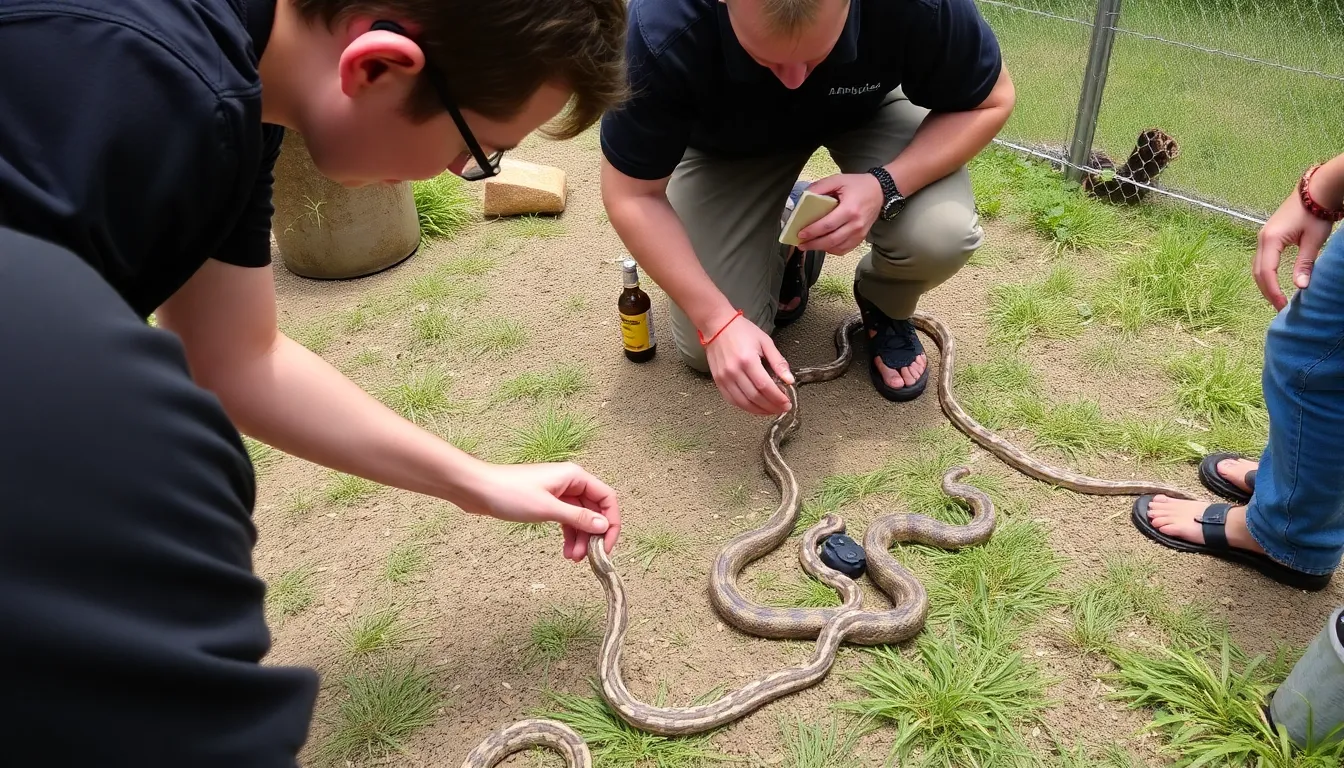
In the 20th century, the field of ethology emerged, focusing on the behavior of animals in their natural environments. Pioneers like Konrad Lorenz and Nikolaas Tinbergen challenged the Cartesian view by demonstrating that animals exhibit complex behaviors driven by instinct and learning. This shift laid the groundwork for contemporary research into animal cognition, revealing that many species possess problem-solving skills, communication abilities, and social structures that reflect a high level of intelligence.
Key Milestones in Animal Intelligence Research
One pivotal moment in the study of animal intelligence was the discovery of tool use among various species. In the 1970s, researchers observed chimpanzees using sticks to extract termites from mounds, leading to a reevaluation of the cognitive capabilities of non-human animals. This finding was soon followed by evidence of tool use in crows and dolphins, further expanding our understanding of intelligence beyond traditional mammals.
More recently, studies on snake intelligence have gained traction, with researchers investigating their problem-solving abilities and social behaviors. While snakes may not exhibit intelligence in the same way as primates, their capacity to adapt to their environments and their hunting strategies suggest a different form of cognitive sophistication. This has prompted a growing interest in the comparative study of intelligence across species, encouraging a broader appreciation for the diverse ways in which animals navigate their worlds.
As we continue to explore the complexities of animal intelligence, it is essential to recognize the historical biases that have shaped our perceptions. The journey from viewing animals as mindless beings to acknowledging their cognitive abilities reflects a significant cultural shift, one that invites us to reconsider our relationship with the animal kingdom and the intelligence it harbors.
Key Factors Influencing Perceptions of Snake Intelligence
Understanding the perceptions surrounding snake intelligence involves a variety of stakeholders, each with distinct interests. Scientists and researchers are at the forefront, aiming to explore the cognitive abilities of snakes through rigorous studies. Their findings can influence public perception and contribute to broader discussions about animal intelligence.
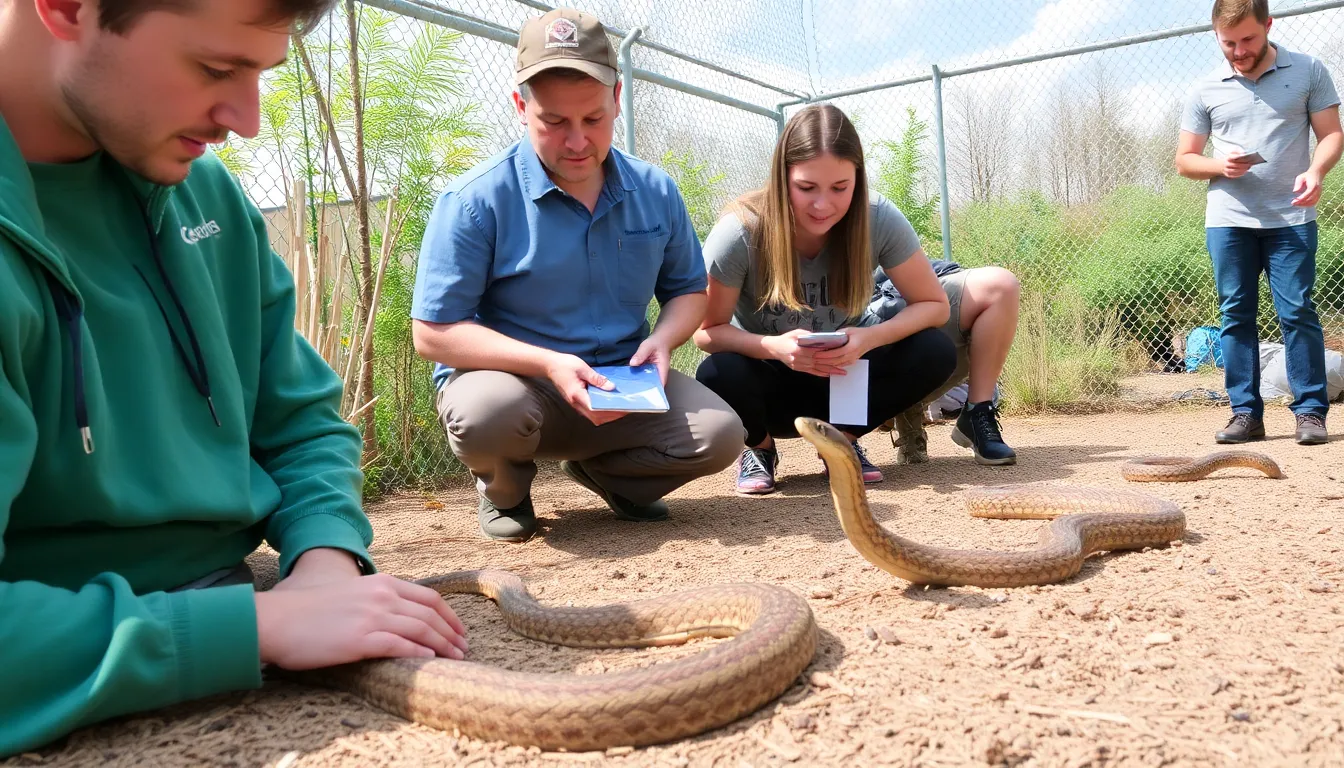
Conservation organizations also play a critical role. They advocate for the protection of snake species, emphasizing their ecological importance. These organizations highlight that misconceptions about snake intelligence can lead to negative attitudes and harmful behaviors towards these reptiles, which can affect their populations and ecosystems.
Additionally, the general public, including pet owners and enthusiasts, contribute to the discourse on snake intelligence. Their experiences and beliefs can shape societal views, often influenced by cultural narratives and media portrayals. This group may have conflicting interests, as some individuals may seek to keep snakes as pets while others may fear them.
- Scientific Research: Ongoing studies aim to determine the cognitive capabilities of snakes, impacting their classification within the animal intelligence spectrum.
- Conservation Efforts: Organizations work to protect snakes, countering myths that portray them as solely dangerous or unintelligent.
- Public Perception: Cultural narratives and media representations can either reinforce or challenge existing stereotypes about snake behavior and intelligence.
- Legal Regulations: Laws regarding the ownership and treatment of snakes can affect both conservation efforts and public attitudes.
- Economic Implications: The pet trade and tourism related to snake viewing can create economic incentives that may clash with conservation goals.
In summary, the discourse surrounding snake intelligence is shaped by a complex interplay of scientific inquiry, conservation advocacy, public perception, and economic factors. Each stakeholder’s interests can lead to both collaboration and conflict, highlighting the need for a nuanced understanding of the issues at hand.
How Snake Intelligence Affects Ecosystems and Human Interactions
The exploration of snake intelligence has implications for various groups, including wildlife researchers, conservationists, and even the agricultural sector. Understanding the cognitive abilities of snakes can reshape our approach to wildlife management and conservation efforts. Regions with significant snake populations, such as tropical rainforests and grasslands, stand to be particularly affected.
In the short term, increased awareness of snake intelligence may lead to enhanced educational programs aimed at dispelling myths and fears surrounding these reptiles. This could foster a more positive public perception, encouraging the protection of snake habitats. Conversely, the agricultural industry might experience challenges, as heightened awareness could lead to increased regulations regarding snake populations on farmlands.
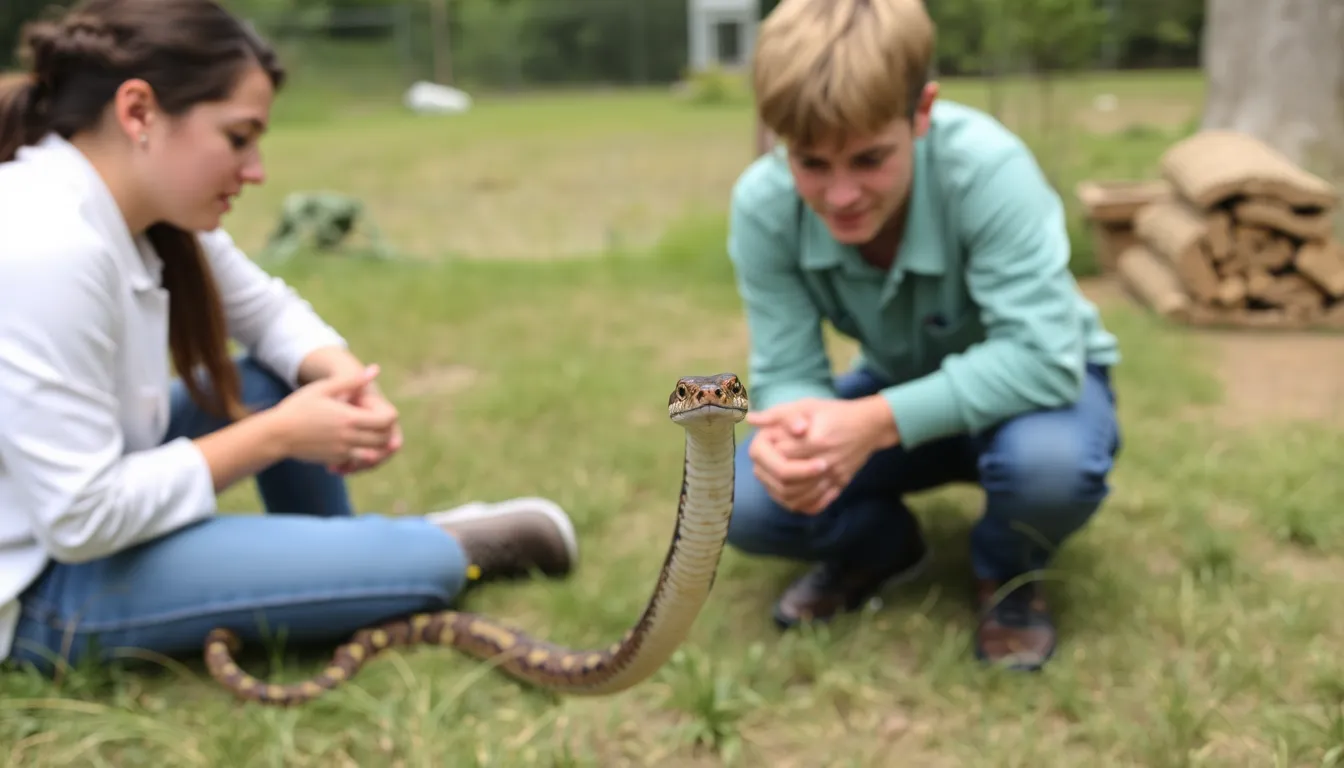
In the mid-term, businesses involved in eco-tourism could see a rise in interest as people seek to learn more about these fascinating creatures. This could lead to new job opportunities within local communities, particularly in regions where snakes are a key attraction. However, there are risks associated with this increased attention, such as potential overexploitation of snake species for educational or entertainment purposes.
- Enhanced conservation efforts due to increased interest in snake intelligence.
- Potential economic growth in eco-tourism sectors.
- Regulatory challenges for agricultural practices.
- Public education initiatives to improve understanding of snakes.
Ultimately, the study of snake intelligence not only impacts ecological dynamics but also influences human interactions and economic activities. Stakeholders across various sectors must navigate the balance between risks and opportunities that arise from this newfound understanding of snake behavior.
A: Snakes exhibit unique forms of intelligence, particularly in problem-solving and survival strategies, but they differ significantly from mammals in cognitive abilities. A: Researchers often use behavioral tests and environmental challenges to assess how snakes adapt and respond, revealing their cognitive capabilities. A: Yes, snakes can learn from their interactions with the environment, which aids in their survival and hunting techniques. A: Certain species, like the corn snake and king snake, have shown more complex behaviors, suggesting higher levels of intelligence. A: Intelligent snakes play crucial roles in controlling pest populations and maintaining ecological balance, showcasing their importance in nature.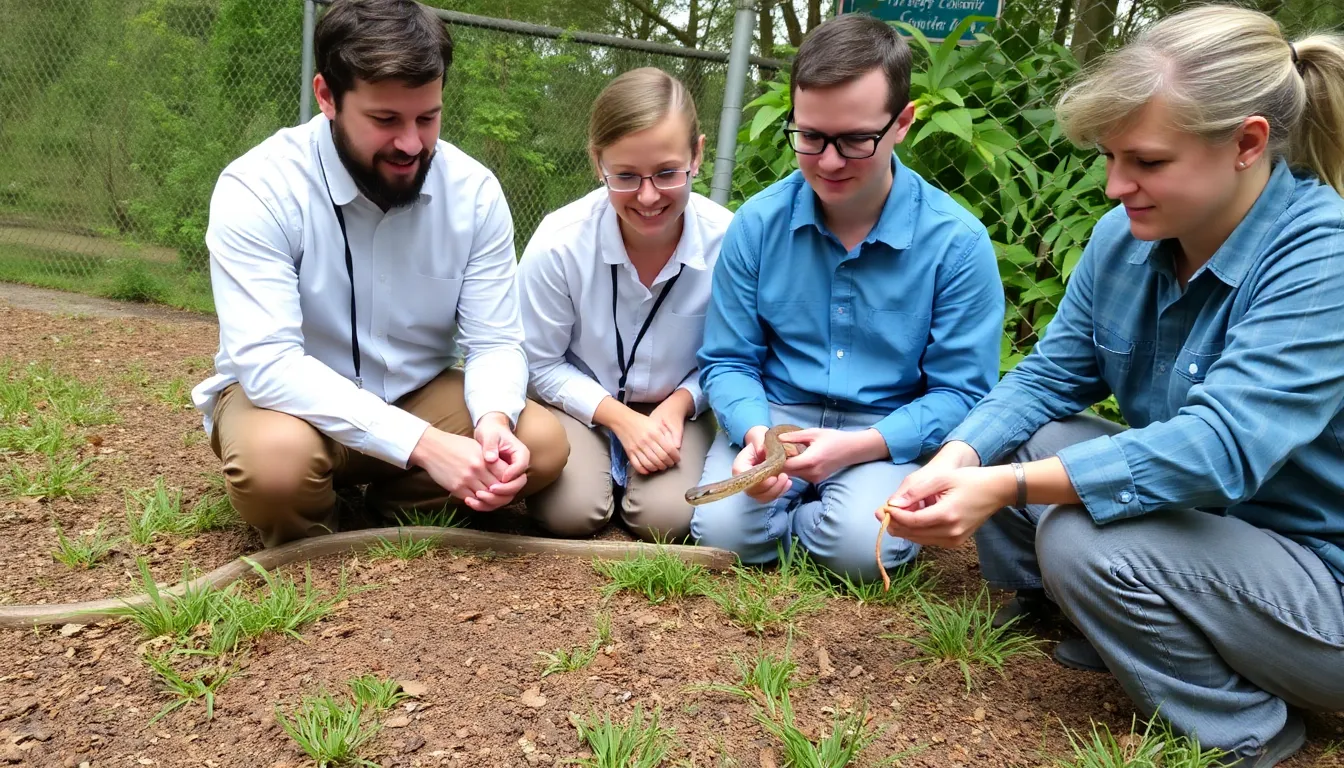
Frequently Asked Questions about Snake Intelligence
Key Takeaways and Future Insights on Animal Intelligence
The exploration of animal intelligence, particularly in species such as snakes, highlights the diverse cognitive abilities present across the animal kingdom. Understanding these capabilities not only enriches our knowledge of animal behavior but also prompts us to reconsider the metrics we use to assess intelligence. As we delve deeper into the complexities of animal cognition, the implications extend beyond mere curiosity, influencing fields such as conservation, animal welfare, and even artificial intelligence.
Looking ahead, it is essential to monitor ongoing research that continues to unveil the intricacies of animal intelligence. This evolving understanding can lead to more informed approaches in various sectors, from environmental policies to educational frameworks that respect and incorporate the cognitive skills of different species.
- Recognize the importance of diverse intelligence metrics to appreciate the cognitive strengths of various species.
- Consider the implications of animal intelligence research on conservation efforts and habitat preservation.
- Explore how insights from animal cognition can inform advancements in artificial intelligence and robotics.
- Encourage educational initiatives that promote awareness of animal intelligence and its ethical implications.
- Stay informed about new studies that may reveal unexpected cognitive capabilities in lesser-studied species.