


This initiative comes in response to increasing scrutiny over the ownership of art, particularly pieces that may have been acquired during periods of conflict or colonialism. The museum has identified a selection of artworks with unclear ownership records, and it is reaching out to art historians, collectors, and the general public for assistance. By engaging the community, the Musée d’Orsay aims to promote transparency and ethical stewardship of its collection, *a topic that resonates deeply with ongoing discussions about art ownership globally.*
In conjunction with this outreach, the museum has organized a series of workshops and informational sessions to educate visitors about the importance of provenance research. These events are designed to raise awareness about the complexities of art ownership and the ethical implications of collecting. Participants will have the opportunity to learn how to identify and research artworks’ histories, ensuring they are informed about *the significant challenges that institutions like the museum face in this field.*
The museum’s call for assistance has garnered attention from various stakeholders, including art scholars and cultural organizations. Many see this as a vital step toward addressing historical injustices in the art world. By fostering a collaborative approach, the Musée d’Orsay hopes to set a precedent for other institutions grappling with similar issues in their collections, emphasizing the need for transparent practices in *navigating ownership disputes and cultural restitution.*
Understanding the historical significance of the artworks in question
The Musée d’Orsay, renowned for its extensive collection of Impressionist and Post-Impressionist masterpieces, is currently facing a pressing challenge: identifying the rightful ownership of several artworks that remain unaccounted for due to historical upheavals. This situation is deeply rooted in the tumultuous events of the early 20th century, particularly during and after World War I and World War II, when many artworks were looted, sold under duress, or simply lost amidst the chaos of war.
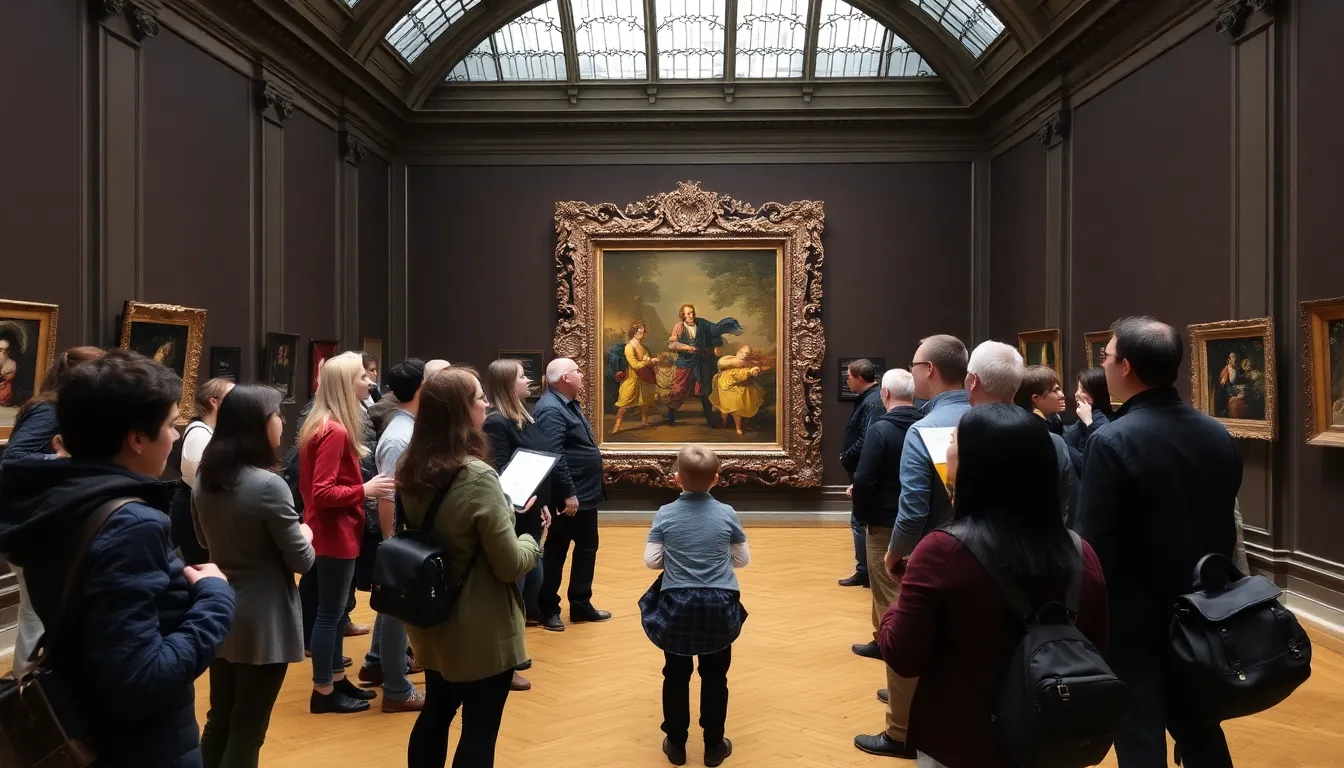
In the aftermath of these conflicts, numerous artworks were left in limbo, with their provenance obscured by the passage of time and the complexities of wartime legislation. The looting of Jewish collections during the Nazi regime stands out as a significant historical event, leading to an urgent need for restitution and the establishment of ethical guidelines regarding the ownership of cultural property. The post-war period saw various efforts to address these injustices, yet many artworks remain unclaimed or their origins disputed.
The role of provenance research
Provenance research, the study of the history of ownership of a particular piece of art, has become a critical tool in resolving ownership disputes. Museums and institutions worldwide have increasingly committed to transparency and ethical practices, urging the return of artworks to their rightful owners or their descendants. The Musée d’Orsay’s initiative invites visitors to participate in this ongoing dialogue, highlighting the importance of collective memory and responsibility in the art world.
This collaborative approach not only aims to shed light on the artworks’ histories but also serves as a reminder of the broader implications of art ownership, cultural heritage, and the need for reconciliation in a post-conflict society. As the Musée d’Orsay navigates these complex waters, it underscores the vital role that public engagement plays in the quest for justice in the art community.
Exploring the implications of artwork ownership and provenance
The question of who owns artworks, particularly those in prestigious institutions like the Musée d’Orsay, is a complex issue that involves various stakeholders, including museums, collectors, artists, and governments. Each of these actors has distinct interests that can sometimes conflict, leading to significant legal and ethical dilemmas surrounding art ownership and provenance.
Museums, such as the Musée d’Orsay, are primarily concerned with preserving cultural heritage and ensuring public access to art. They may seek to clarify the provenance of artworks to prevent claims of restitution from rightful owners or their heirs. This can lead to tensions with private collectors or galleries who may have acquired pieces through questionable means, raising ethical concerns about the legitimacy of their ownership.
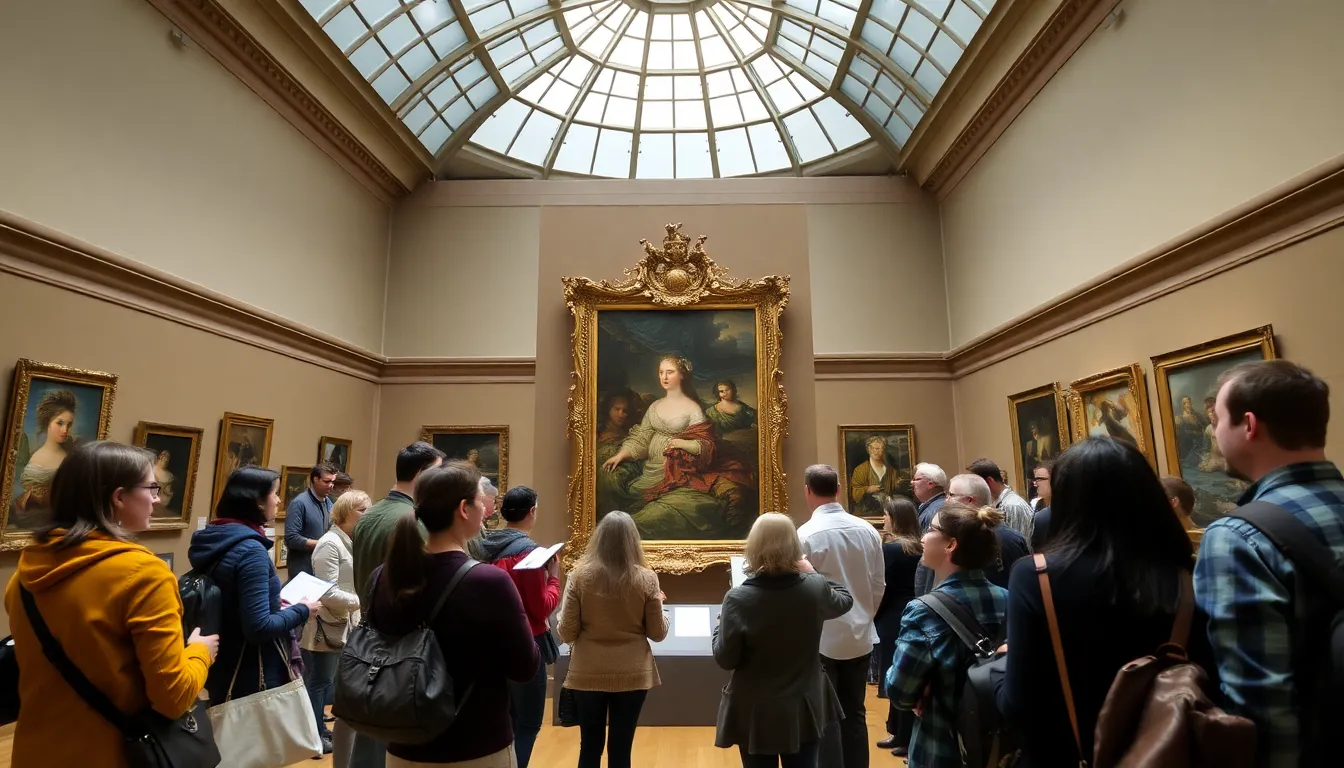
Governments also play a crucial role in this discourse, especially in countries where artworks were looted during conflicts or colonial periods. They may advocate for the return of cultural artifacts to their countries of origin, which can lead to diplomatic disputes. Additionally, international laws and agreements, such as the UNESCO Convention, aim to protect cultural heritage but can complicate individual ownership claims.
Key issues surrounding artwork ownership include:
- Provenance Research: The need for thorough research to establish the history of ownership and legitimacy of artworks.
- Restitution Claims: The potential for legal claims from individuals or governments seeking the return of stolen or looted art.
- Market Dynamics: The influence of the art market on ownership, where high-value pieces can complicate ethical considerations.
- Public Interest: Balancing the interests of private collectors with the public’s right to access cultural heritage.
- Legal Frameworks: Navigating the complex legal landscape that governs art ownership across different jurisdictions.
As the Musée d’Orsay engages its visitors in this dialogue, it highlights the broader implications of art ownership, encouraging a collective examination of the values and responsibilities tied to cultural artifacts. Understanding these dynamics is essential for fostering a more informed and equitable approach to art ownership and provenance.
How this initiative affects artists, collectors, and the art market
The Musée d’Orsay’s initiative to engage visitors in identifying the ownership of artworks has the potential to significantly impact various groups within the art community. Artists, collectors, and even art historians may find themselves at the forefront of this collaborative effort, which aims to uncover the stories behind these pieces.
In the short term, this initiative could lead to increased public interest in the museum and its collections, drawing in more visitors and encouraging a greater appreciation for art history. This heightened engagement may result in a temporary boost in the local economy, benefiting nearby businesses such as cafes, shops, and hotels.
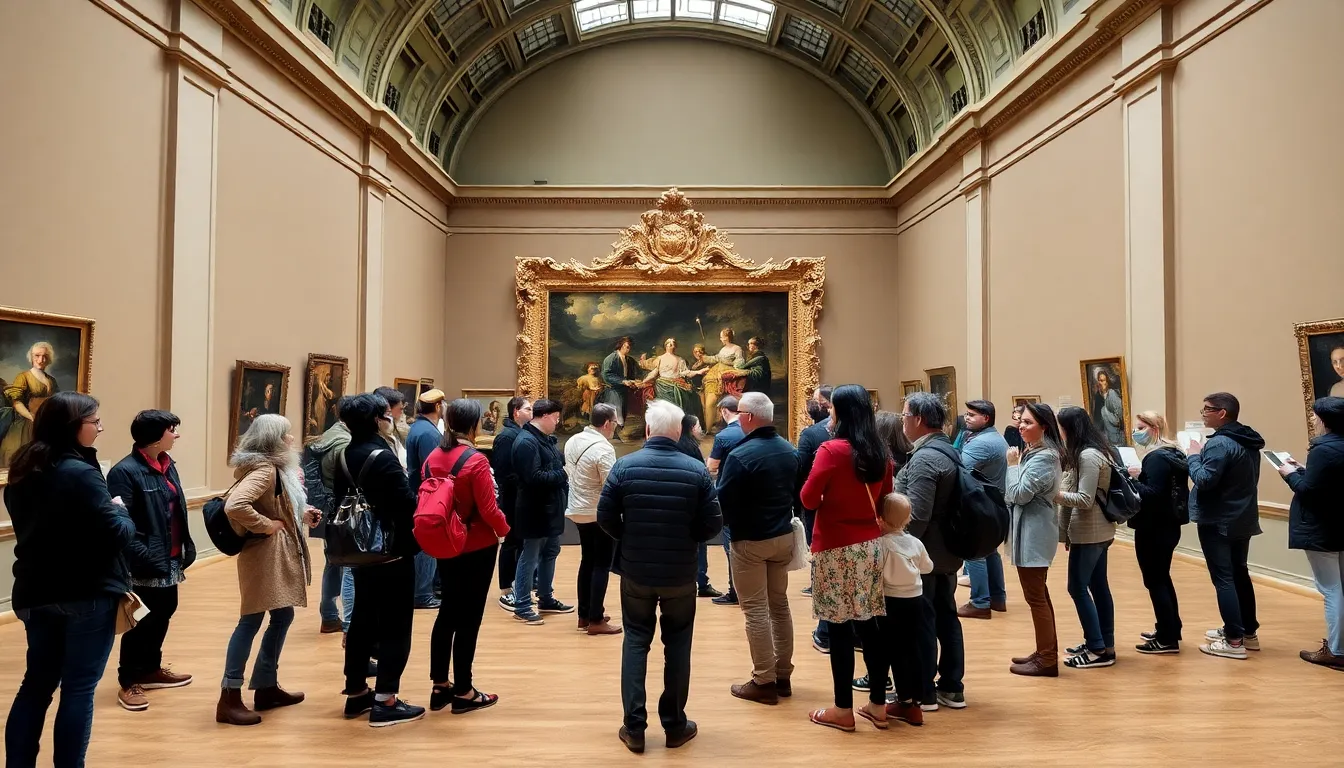
Mid-term, the initiative may reshape how artworks are valued in the market. By uncovering provenance and ownership information, the museum could potentially enhance the historical significance of certain pieces, leading to shifts in their market value. Collectors may be more inclined to invest in artworks with clear and documented histories, thus influencing buying patterns.
- Risks: There is a possibility of misinformation or disputes arising over the ownership claims, which could lead to legal challenges and complicate the art market.
- Opportunities: The initiative fosters a collaborative environment that may lead to new partnerships between museums, collectors, and the public, enhancing community involvement in the arts.
- Policy Impact: This project may prompt discussions around art restitution and ownership rights, influencing future policies regarding cultural heritage and art repatriation.
Overall, while there are inherent risks associated with this initiative, the potential for enriching the art narrative and fostering community engagement presents exciting opportunities for all stakeholders involved.
A: Visitors can participate by visiting the museum and providing information they may have about the artworks displayed. The museum encourages sharing any relevant details that could help identify ownership. A: The project involves a range of artworks from different periods and styles, particularly those with unclear provenance or ownership history. A: While there may not be a monetary reward, participants will contribute to the preservation of art history and may receive recognition from the museum. A: The information collected will be used to update the museum’s records and potentially reconnect artworks with their rightful owners or descendants. A: The initiative is ongoing, with no set end date, as the museum aims to continuously gather information and engage with the public.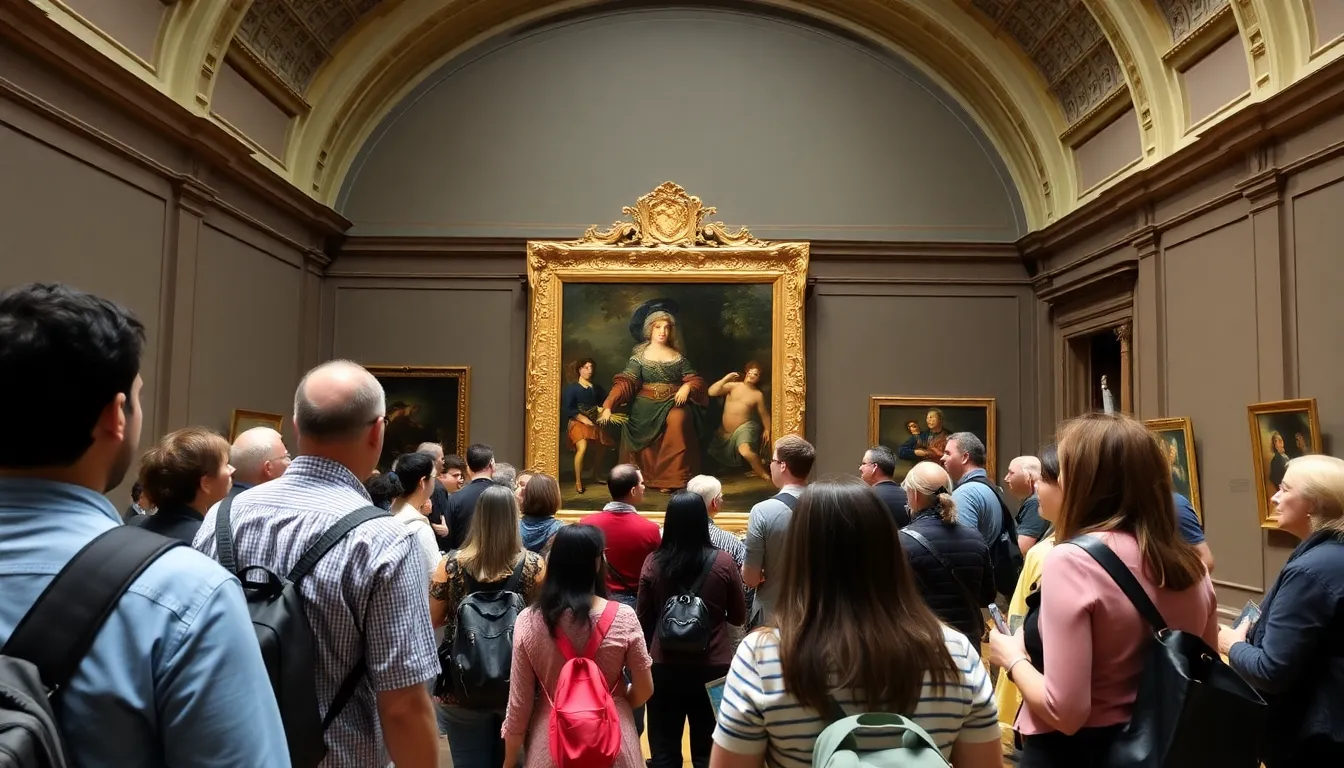
Frequently Asked Questions about the initiative
Key takeaways and future outlook for the project
The initiative by Musée d’Orsay to engage the public in identifying the rightful owners of certain artworks signifies a progressive step towards transparency and collective responsibility in the art world. By leveraging the collective knowledge of visitors, the museum not only seeks to restore provenance but also fosters a deeper connection between the public and the art they admire.
As this project unfolds, it will be essential to monitor the responses and contributions from the community, as well as the museum’s ability to integrate these insights into its archival practices. The potential for increased public engagement and awareness around art ownership issues may lead to broader discussions on the ethics of art collection and restitution.
- This project could set a precedent for other museums to adopt similar collaborative approaches to provenance research.
- Increased public participation may enhance the museum’s reputation and foster a sense of ownership among visitors.
- Success in identifying rightful owners may lead to legal and ethical discussions regarding art restitution and ownership rights.
- Monitoring the outcomes of this initiative will provide valuable data on public interest in art provenance and its implications for cultural heritage.
- The project may inspire future technological advancements in tracking and documenting art ownership through crowdsourcing efforts.