


In September 2023, the research team published findings that demonstrate how the body’s inflammatory response to sunburn can be mimicked in materials designed for energy storage, which aligns with the trend of exploring innovative approaches to renewable energy solutions. By using compounds that react similarly to the way skin cells respond to UV exposure, researchers believe they can develop batteries that store energy more efficiently and with greater longevity. This approach could lead to a new generation of energy storage systems that are both sustainable and effective.
The urgency of this research is underscored by the increasing demand for renewable energy solutions amid global climate change concerns. As countries aim to reduce their carbon footprints, the need for reliable and efficient energy storage systems has never been more critical. Innovations stemming from this research may provide a viable pathway to meeting these demands, potentially revolutionizing how solar energy is utilized worldwide.
Industry leaders have taken note of these developments, with several companies expressing interest in collaborating with the research team to bring these concepts to market. If successful, this new technology could significantly enhance the efficiency of solar panels and other renewable energy sources, making them more accessible and practical for everyday use. The intersection of biology and technology in this context highlights the potential for interdisciplinary approaches to solve pressing environmental challenges.
Understanding the science behind sunburn and its implications
Sunburn, a common ailment resulting from overexposure to ultraviolet (UV) radiation, serves as a poignant reminder of the sun’s power and the delicate balance between harnessing its energy and protecting our health. The phenomenon occurs when the skin’s DNA is damaged by UV rays, leading to inflammation and pain. This biological response not only highlights the dangers of excessive sun exposure but also underscores the potential of solar energy as a sustainable resource.

Historically, the quest for effective energy storage solutions has intensified alongside the global shift towards renewable energy sources. As countries strive to reduce carbon emissions and combat climate change, solar energy has emerged as a frontrunner. However, the intermittent nature of sunlight poses significant challenges for energy storage, necessitating innovative approaches to harness this abundant resource efficiently.
In recent years, researchers have drawn inspiration from the very mechanisms that cause sunburn. The process of skin damage and repair has led to breakthroughs in energy storage technologies, particularly in the development of organic photovoltaic cells and advanced battery systems. These innovations aim to mimic the natural processes of the skin, allowing for more efficient energy capture and storage, thus addressing one of the key barriers to widespread solar energy adoption.
The intersection of health and technology
The exploration of sunburn-inspired energy storage solutions not only represents a fusion of health and technology but also reflects broader societal trends. As awareness of environmental issues grows, so does the demand for sustainable technologies that minimize harm to both people and the planet. This intersection is paving the way for novel approaches that leverage biological principles to enhance energy systems, potentially leading to a future where renewable energy is both accessible and safe.
Key stakeholders in the renewable energy landscape
The development of innovative energy storage solutions inspired by sunburn has attracted a diverse range of stakeholders, each with unique interests and motivations. These actors include researchers, energy companies, government agencies, and environmental organizations, all of whom play a crucial role in shaping the future of renewable energy.
Researchers and scientists are at the forefront of this innovation, driven by the desire to advance technology that can efficiently store solar energy. Their work not only focuses on the technical aspects but also on understanding the environmental impacts of new materials and methods. As they develop new solutions, they must navigate the complexities of funding, patenting, and publishing their findings.
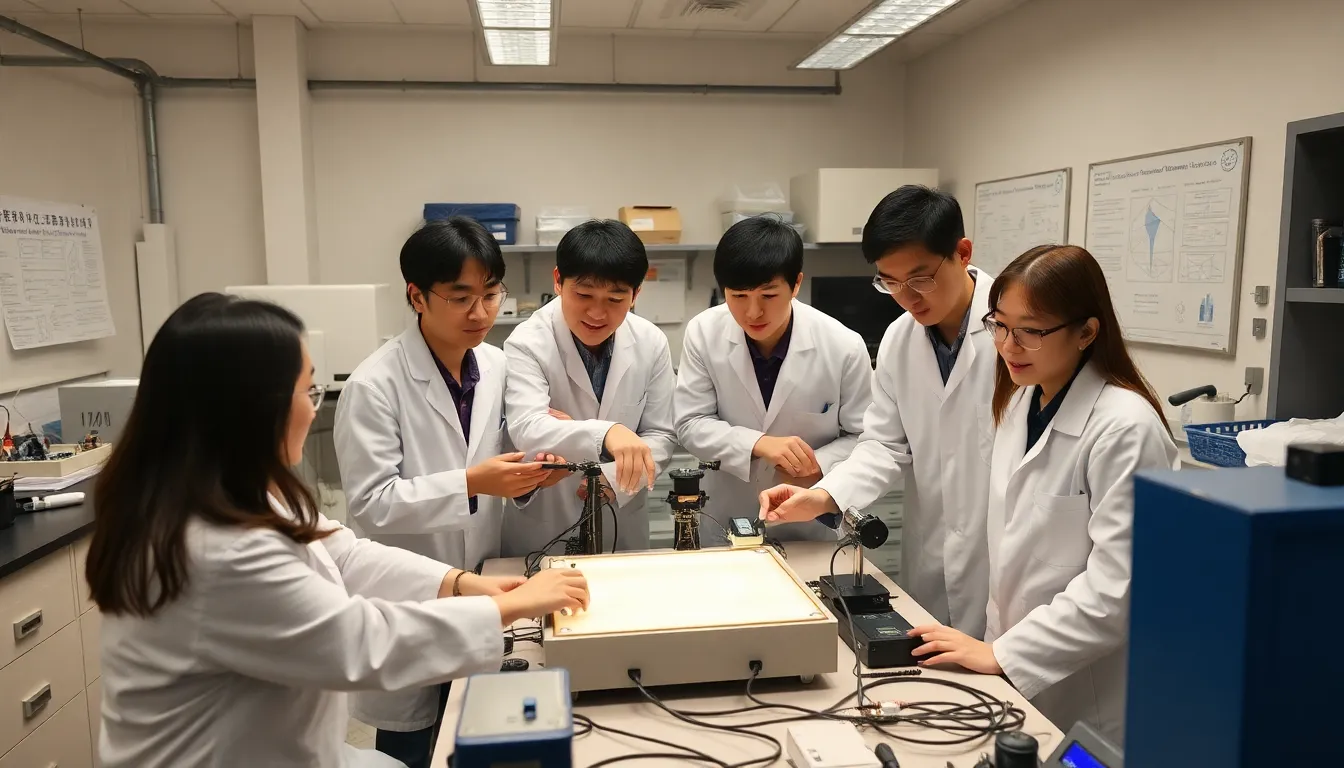
Energy companies are key players in this landscape, as they seek to integrate new energy storage technologies into their existing systems. Their interests lie in maximizing efficiency and profitability while minimizing the ecological footprint. However, they may face conflicts with traditional fossil fuel interests, which can resist changes that threaten their market share.
- Government Agencies: These bodies are tasked with regulating the energy sector and promoting sustainable practices. Their policies can either facilitate or hinder the adoption of new technologies.
- Environmental Organizations: Advocating for sustainable energy solutions, these groups often push for stricter regulations on fossil fuels, which can create tension with energy companies.
- Investors and Financial Institutions: They play a critical role in funding renewable energy projects and may prioritize short-term returns over long-term sustainability, impacting the pace of innovation.
Key legal and economic issues also arise as stakeholders navigate the transition to renewable energy. Intellectual property rights can lead to disputes over new technologies, while economic incentives for adopting renewable solutions can vary significantly across regions. As these stakeholders engage in negotiations and collaborations, the balance between innovation, regulation, and market dynamics will be pivotal in shaping the future of energy storage.
How this innovation could affect energy markets and consumers
The recent breakthrough in energy storage inspired by sunburn has the potential to impact various groups, including consumers, energy producers, and technology developers. As energy storage becomes more efficient and cost-effective, it could lead to significant changes in how energy is generated and consumed, particularly in regions heavily reliant on renewable sources.
In the short term, consumers may experience fluctuations in energy prices as markets adjust to the new technology. Households investing in energy storage solutions could see a reduction in their utility bills, while businesses that rely on energy-intensive processes might benefit from more stable energy costs. This innovation could also lead to increased demand for solar energy systems, benefiting the solar industry.
Mid-term impacts could include shifts in energy policy as governments seek to incentivize the adoption of this new storage technology. Regions that are currently underserved by energy infrastructure may find new opportunities for development, allowing for more equitable access to energy resources. However, there are risks associated with this transition, such as potential job losses in traditional energy sectors.

- Opportunities: Growth in renewable energy markets and job creation in tech development.
- Risks: Economic disruption in fossil fuel industries and potential regulatory challenges.
- Consumer Benefits: Lower energy costs and increased energy independence.
Overall, the influence of this innovation on energy markets and consumers is multifaceted, presenting both challenges and opportunities that will shape the future of energy consumption and production.
A: Sunburn occurs when skin absorbs UV radiation, leading to damage. Researchers have drawn parallels to energy absorption and storage, leading to innovative methods for capturing and storing solar energy. A: This new method could provide more efficient energy storage solutions, reduce costs, and enhance the viability of renewable energy sources, making them more accessible. A: While still in the research phase, prototypes are being developed to test the effectiveness of this energy storage inspired by biological processes. A: The research involves a collaboration of scientists from various institutions focusing on renewable energy and materials science. A: Key challenges include scaling the technology for practical use, ensuring efficiency, and overcoming material limitations.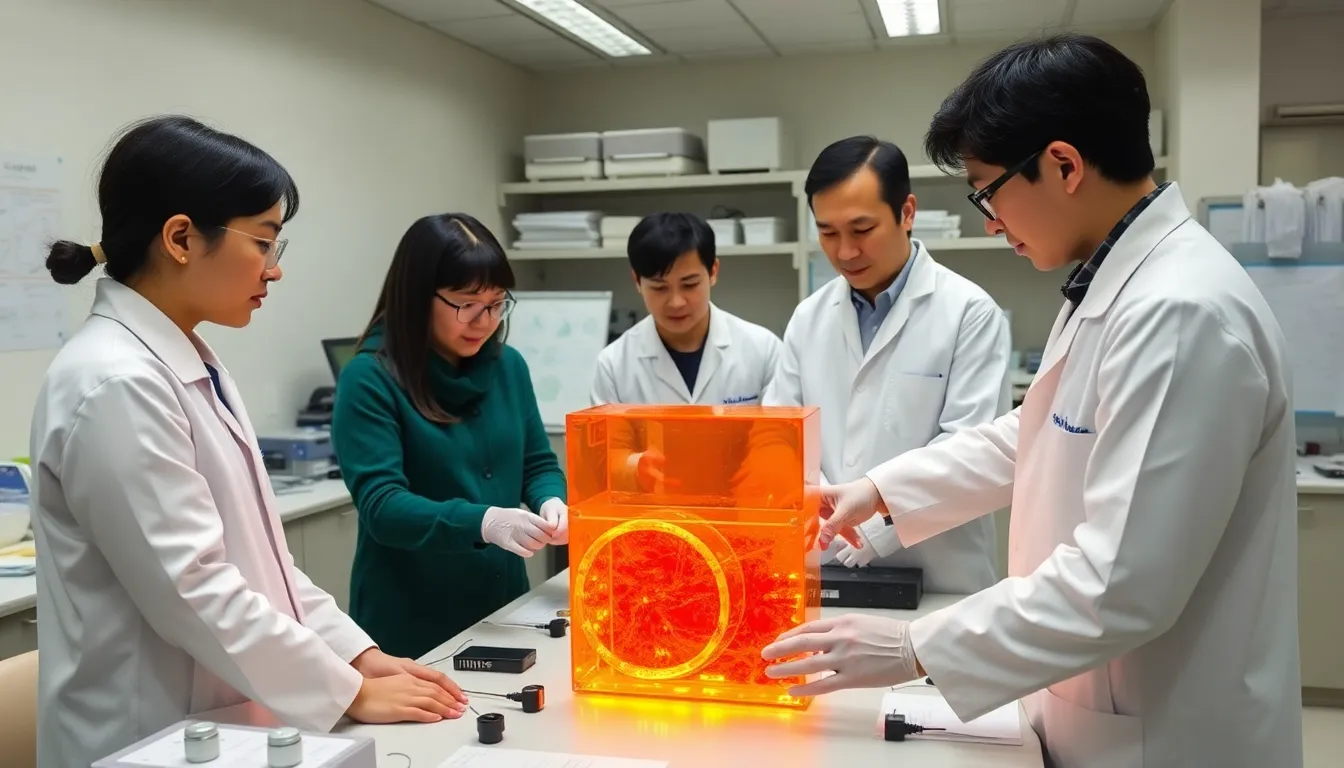
Frequently asked questions about energy storage innovations
Future outlook on energy storage technologies inspired by sunburn
The recent advancements in energy storage technologies, inspired by the biological processes of sunburn, open up new avenues for sustainable energy solutions. As researchers delve deeper into the mechanisms of how our skin reacts to UV radiation, they uncover potential methods to enhance energy capture and storage, leading to more efficient systems that could revolutionize the renewable energy landscape.
This innovative approach not only highlights the interconnectedness of natural processes and technological advancements but also emphasizes the importance of biomimicry in addressing global energy challenges. As we look ahead, the implications of these findings could lead to more resilient energy systems that are both environmentally friendly and economically viable.
- Increased Efficiency: The energy storage systems inspired by biological processes may offer significantly improved efficiency, making renewable energy sources more reliable.
- Cost Reduction: As these technologies mature, there is potential for cost reductions in energy storage, making green energy solutions more accessible to a wider audience.
- Enhanced Durability: By mimicking the protective mechanisms of skin, future energy storage solutions could exhibit greater durability and longevity, reducing the need for frequent replacements.
- Environmental Impact: Innovations stemming from this research could lead to more sustainable materials being used in energy storage, minimizing ecological footprints.
- Interdisciplinary Collaboration: The intersection of biology and technology may foster new partnerships across disciplines, driving further innovations in energy solutions.