


As of October 2023, Florida has introduced new tax incentives aimed at filmmakers, which can significantly reduce production costs. These incentives are designed to attract both large-scale productions and independent films, making Florida a more appealing option compared to states with more established film industries. The potential economic impact of these initiatives could be substantial, creating jobs and boosting local economies.
In addition to financial incentives, Florida is promoting its skilled workforce, which includes a variety of experienced professionals in the film industry. The state boasts a robust network of crew members, from cinematographers to set designers, who are ready to support incoming productions. This emphasis on local talent further enhances Florida’s attractiveness as a filming destination.
Moreover, Florida’s diverse geography offers a wide range of filming locations, from beaches and wetlands to urban landscapes and historic sites. Recent productions, such as the upcoming film “The Last Resort,” have already begun to capitalize on these unique settings, showcasing the state’s potential to serve as a versatile filming hub. As Florida continues to enhance its offerings, the hope is to establish itself as a top choice for filmmakers across the country.
Recommended Articles
- Culver City Enhances Production Incentives to Attract More Film and TV Projects
- Australia has some of the world's costliest homes Will scrapping tax breaks help
- First ever talks to ditch fossil fuels as UN deadlock deepens
- Beware of Drunk Deer French Police Warn Citizens
- CCP Games rebrands as Fenris Creations after sale from Pearl Abyss
- Culver City Enhances Production Incentives to Attract More Film and TV Projects
- Australia has some of the world's costliest homes Will scrapping tax breaks help
- First ever talks to ditch fossil fuels as UN deadlock deepens
- Beware of Drunk Deer French Police Warn Citizens
- CCP Games rebrands as Fenris Creations after sale from Pearl Abyss
Understanding the background of Florida’s film industry
Florida’s film industry has a rich history that dates back to the early 20th century, with the state serving as a backdrop for numerous iconic films. The state’s diverse landscapes, from vibrant urban settings to picturesque beaches, have made it an attractive location for filmmakers. However, the industry experienced fluctuations in growth due to various political and economic factors, impacting its ability to compete with other states that offered more lucrative incentives.

In the early 2000s, Florida began implementing film incentive programs aimed at attracting productions to the state. These incentives included tax rebates and credits for filmmakers, which significantly boosted local production numbers. The Florida Office of Film and Entertainment was established to streamline the process for filmmakers and promote the state’s offerings. However, changes in political leadership and budget constraints led to the scaling back of these programs in subsequent years, causing a decline in production activity.
The Role of Economic Incentives
Economic incentives have played a pivotal role in revitalizing Florida’s film industry. In recent years, state officials have recognized the importance of the film sector in driving economic growth and job creation. This acknowledgment has led to renewed efforts to enhance incentive programs, making Florida a competitive player in the national film landscape. The introduction of new tax credits and a focus on regional incentives have aimed to attract not only large-scale productions but also independent filmmakers looking for cost-effective locations.
Additionally, Florida’s film industry benefits from a well-trained workforce, with numerous film schools and programs producing skilled professionals. This talent pool has attracted both domestic and international productions, further solidifying Florida’s reputation as a viable location for filmmaking. As the industry continues to evolve, the state’s commitment to fostering a supportive environment for productions will be crucial in maintaining its growth trajectory.
Key stakeholders and issues in Florida’s production landscape
Florida’s efforts to attract film and television productions involve a variety of stakeholders, each with distinct interests and concerns. The primary actors include state government officials, local municipalities, production companies, and workforce organizations. These groups are navigating a complex landscape of incentives, economic benefits, and regional characteristics that influence their decisions.
State government officials, including the Florida Department of Economic Opportunity, are keen on promoting the state as a competitive filming destination. Their interests lie in boosting the local economy through job creation and increased tourism. They advocate for regional incentives, such as tax credits and grants, to entice production companies to choose Florida over other states.

On the local level, municipalities are also significant stakeholders. Cities like Miami and Orlando aim to enhance their profiles as cultural hubs while benefiting from the economic influx that productions bring. However, local governments must balance the interests of residents, who may be concerned about disruptions caused by filming, against the potential economic benefits.
- Production companies: They seek favorable financial incentives and access to skilled labor, which Florida promotes through its educational initiatives and training programs.
- Workforce organizations: These groups focus on ensuring that the local workforce is equipped with the necessary skills to meet industry demands, advocating for training programs and partnerships with educational institutions.
- Environmental concerns: Some stakeholders raise issues regarding the environmental impact of increased filming activities, prompting discussions on sustainable practices within the industry.
Conflicts may arise between the need for economic growth and the preservation of local communities and environments. As Florida continues to position itself as a key player in the production landscape, these stakeholders must navigate trade-offs that reflect both the economic aspirations and the social responsibilities of the region.
The impact of incentives on local economies and job markets
The recent push by Florida to enhance regional incentives for film and television productions is set to have a profound impact on various groups and industries. Local businesses, particularly those in hospitality, catering, and retail, stand to benefit significantly as productions often require extensive services and goods. Additionally, the workforce in the entertainment sector, including crew members, actors, and technicians, will likely see an increase in job opportunities as more productions are drawn to the state.
In the short term, the influx of productions can stimulate economic growth in affected regions. Local economies may experience a surge in revenue due to increased spending by production companies and their crews. This could lead to higher occupancy rates in hotels, increased patronage at restaurants, and a boost in sales for local vendors. The immediate creation of jobs in these sectors can alleviate unemployment and contribute to a more vibrant community.
However, there are potential risks associated with this rapid growth. The sudden demand for services may strain local resources, leading to inflated prices and potential shortages in certain sectors. Moreover, the influx of transient workers can disrupt the local housing market, making it more challenging for residents to find affordable accommodation. Policymakers will need to address these challenges to ensure sustainable growth.
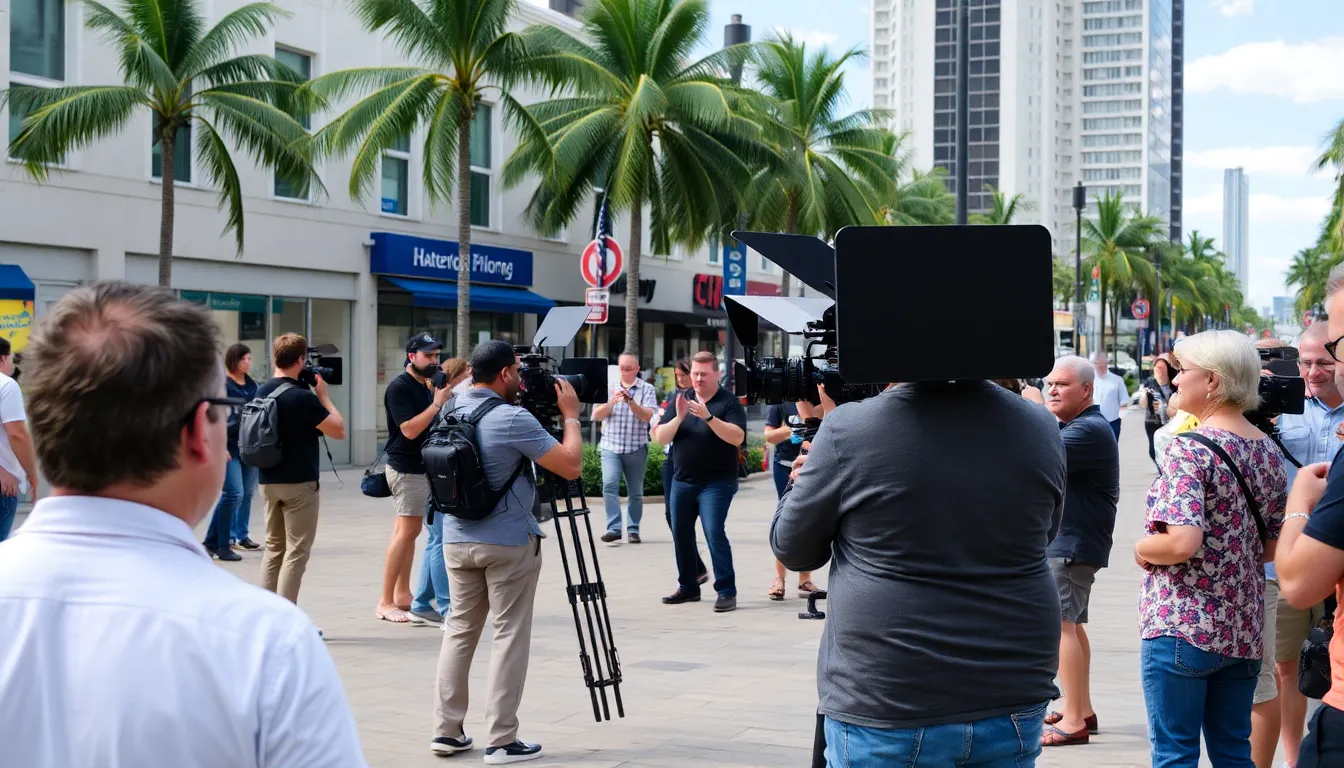
In the mid-term, the development of a robust film and television industry in Florida could lead to long-lasting changes in the job market. Educational institutions may expand programs related to film production, digital media, and related fields, preparing a skilled workforce for future opportunities. This could also attract more businesses to the region, fostering a creative ecosystem that supports innovation.
- Increased job opportunities in entertainment and related sectors.
- Economic growth for local businesses and service providers.
- Potential strain on local resources and housing markets.
- Long-term educational and business development in creative industries.
A: Florida offers a variety of incentives including tax credits, grants, and rebates aimed at reducing production costs for filmmakers. A: Production companies can apply through the Florida Office of Film and Entertainment, which provides guidelines and application forms for the incentive programs. A: Florida boasts diverse filming locations such as Miami’s vibrant cityscape, the scenic beaches of the Gulf Coast, and the unique landscapes of the Everglades. A: Florida has a well-trained and experienced crew base, with many professionals having worked on major productions, making it competitive with other states. A: These initiatives are expected to boost local economies by creating jobs, increasing tourism, and supporting local businesses associated with film production.
Frequently asked questions about Florida’s film incentives
Future outlook on Florida’s film production initiatives
Florida’s strategic push to enhance its film production landscape is set to reshape the state’s position within the entertainment industry. By leveraging regional incentives, diverse locations, and a skilled workforce, Florida aims to attract a broader range of productions, from independent films to large-scale blockbusters. As these initiatives gain traction, the state’s film sector may experience significant growth, fostering job creation and economic development.
As stakeholders navigate this evolving landscape, it will be essential to monitor how these incentives impact production decisions and the overall competitiveness of Florida compared to other states. The integration of local talent and resources can also play a crucial role in enhancing the state’s appeal to filmmakers seeking a collaborative environment.
- Watch for the potential increase in film-related job opportunities as productions ramp up in the region.
- Monitor the effectiveness of the incentives in attracting major studios and independent filmmakers alike.
- Consider the long-term impact on local economies and communities as film production becomes more prevalent.
- Evaluate the role of Florida’s diverse locations in attracting varied genres of film and television projects.
- Keep an eye on collaborations between local educational institutions and the film industry to bolster workforce development.