


In response to these escalating prices, discussions have intensified regarding the potential scrapping of tax breaks for property investors. The Australian government is weighing the implications of these tax incentives, which have been criticized for inflating property values and benefiting wealthier individuals. For more insights into related environmental issues, check out the first ever talks to ditch fossil fuels.
Recent reports indicate that the housing market’s rapid appreciation is contributing to a growing wealth disparity in Australia. A significant portion of the population is now priced out of home ownership, forcing many to remain in rental markets with rising costs. The debate surrounding tax breaks is central to discussions about how to create a more equitable housing landscape, a topic also explored in the Lessons from Death Doulas on the Dying Process.
Moreover, the Reserve Bank of Australia has expressed concerns over the sustainability of the current housing market dynamics. With interest rates remaining relatively low, the demand for homes continues to surge, further complicating the situation. Policymakers are under pressure to find a balance that supports economic growth while ensuring that housing remains accessible to all Australians.
Understanding the factors driving home prices in Australia
Australia’s housing market has long been characterized by soaring prices, making it one of the most expensive in the world. Several factors contribute to this phenomenon, including a combination of economic conditions, government policies, and demographic trends. Over the past few decades, the demand for housing has consistently outpaced supply, leading to significant price inflation across major cities such as Sydney and Melbourne.

Historically, the Australian economy has benefitted from strong immigration rates, which have bolstered demand for housing. Since the early 2000s, the influx of skilled migrants and international students has intensified competition for limited housing stock. This has been compounded by low interest rates, which have made borrowing more accessible, encouraging more people to enter the property market. As a result, home ownership has become increasingly unattainable for many Australians, particularly first-time buyers.
Government Policies and Tax Breaks
In response to the housing crisis, the Australian government has implemented various policies aimed at stimulating the housing market. Among these are tax incentives such as negative gearing and capital gains tax exemptions, which have historically favored property investors. Critics argue that these tax breaks disproportionately benefit wealthier individuals and contribute to escalating prices, further widening the gap between homeowners and renters. The debate over whether to scrap these incentives has gained momentum as housing affordability becomes an increasingly pressing issue.
In recent years, there have been calls from both political leaders and economists to reconsider these tax benefits. Some suggest that removing or reforming these breaks could help cool the housing market and make homes more affordable for average Australians. However, opponents warn that such changes could lead to a downturn in the housing market, potentially destabilizing the economy as a whole; for a deeper dive into complex issues affecting society, see this special on air quality.
As the housing affordability crisis continues to evolve, understanding the historical context and the effects of government policy is crucial. With rising prices and increasing public discontent, the future of Australia’s housing market remains uncertain, and the potential scrapping of tax breaks could mark a significant turning point in this ongoing saga.
Examining the stakeholders and key issues surrounding tax breaks
In the ongoing debate about the high cost of housing in Australia, several key stakeholders have emerged, each with distinct interests and perspectives. These stakeholders include government bodies, property developers, homeowners, and potential buyers, all of whom play a role in shaping the housing market and its associated policies.

The Australian government is a primary actor in this scenario, tasked with addressing housing affordability while also managing fiscal responsibilities. The potential scrapping of tax breaks for property investors raises concerns about how such a move might impact the housing market. Some government officials argue that these tax incentives inflate property prices, making homes less accessible to first-time buyers.
Property developers are another significant group affected by changes in tax policy. They often rely on tax breaks to finance new projects and maintain profitability. If these incentives are removed, developers may face increased costs, which could lead to a slowdown in construction and further exacerbate housing shortages. This presents a conflict between the need for affordable housing and the economic viability of new developments.
Homeowners, particularly those who have benefited from tax breaks in the past, may resist changes that threaten their property values. Conversely, potential buyers, especially younger generations, are likely to support the removal of such breaks, as they could lead to more affordable housing options. This creates a complex web of interests where the benefits to one group may come at the expense of another.
- Government Interests: Balancing fiscal policy with housing affordability.
- Developer Concerns: Impact on project viability and construction rates.
- Homeowner Perspectives: Protecting property values versus supporting affordability.
- Buyer Aspirations: Advocating for policies that enable access to affordable housing.
- Economic Implications: Assessing the broader impact on the housing market and economy.
Potential effects of tax break removal on homeowners and buyers
The removal of tax breaks in Australia could significantly impact various groups, particularly homeowners, prospective buyers, and real estate investors. Homeowners may face increased financial pressure as property values remain high, while potential buyers could find the market even less accessible due to rising costs. Additionally, real estate agents and construction industries may experience shifts in demand as consumer behavior changes in response to these tax adjustments.
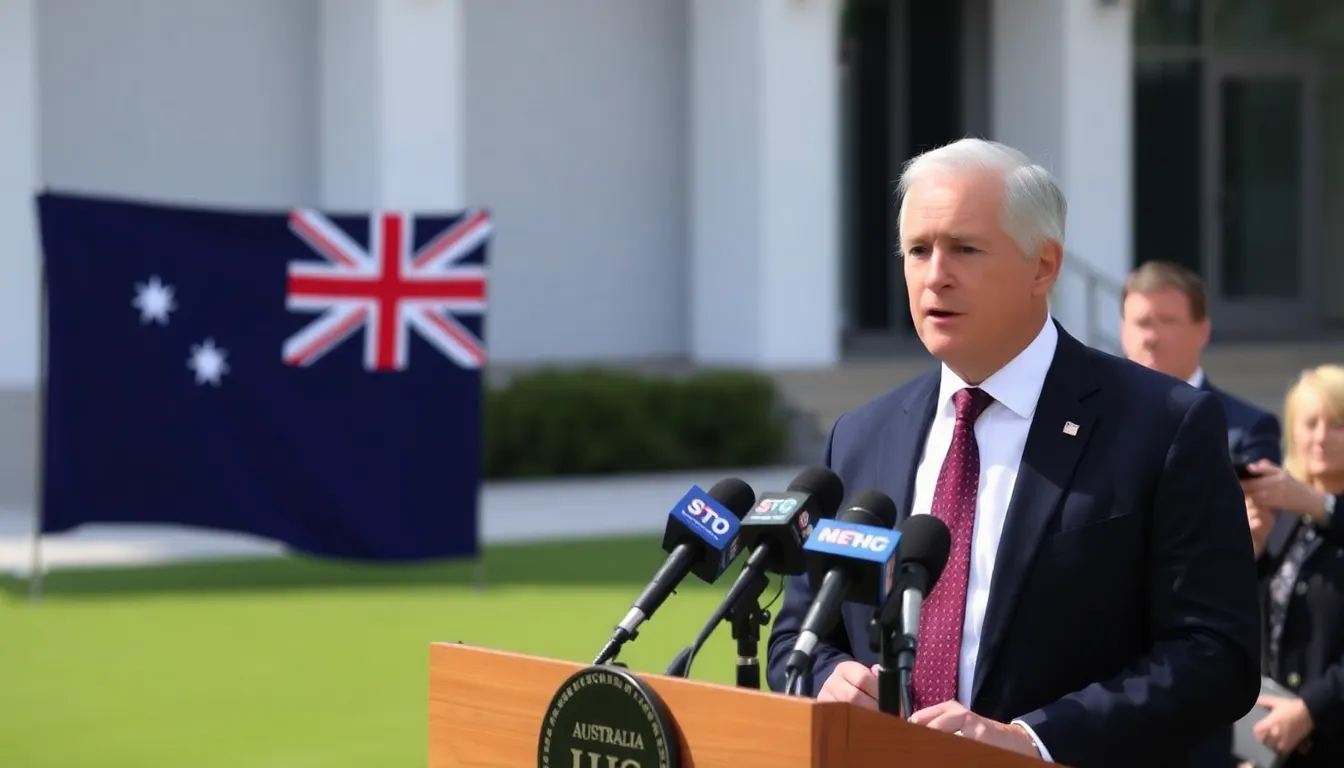
In the short term, homeowners may feel the immediate effects of increased property taxes, which could lead to higher monthly expenses. This financial burden may force some homeowners to reconsider their living situations, potentially leading to an increase in listings as people seek to downsize or relocate. On the other hand, prospective buyers may find themselves further priced out of the market, exacerbating the housing affordability crisis.
In the mid-term, the removal of tax breaks could lead to a slowdown in the housing market. As demand decreases, property values may stabilize or decline, impacting the wealth of homeowners and investors alike. This could result in a ripple effect on local economies, particularly in regions heavily reliant on real estate for economic growth. However, it may also open opportunities for first-time buyers and those looking for affordable housing options.
- Increased financial pressure: Homeowners may struggle with higher costs.
- Market accessibility: Prospective buyers could face greater challenges in entering the market.
- Potential slowdown: A decrease in demand may stabilize property values.
- Opportunities for first-time buyers: Possible openings in the market for affordable housing.
Overall, the decision to scrap tax breaks could lead to both risks and opportunities within the housing market. Stakeholders will need to navigate these changes carefully, considering the broader implications for daily life and business operations across various sectors.
A: As of October 2023, the average home price in Australia is significantly high, often exceeding $1 million in major cities like Sydney and Melbourne. A: Tax breaks can incentivize investment in real estate, driving up demand and subsequently home prices, which may contribute to affordability issues. A: Removing tax breaks could lead to a decrease in property investment, potentially stabilizing prices but also risking a decline in housing supply. A: Primarily property investors and high-income earners benefit from tax breaks, which can exacerbate wealth inequality in the housing market. A: Alternatives may include increasing housing supply through new developments, implementing rent controls, or enhancing public housing initiatives.
Frequently asked questions about Australia’s housing market
Key insights and future outlook on housing prices
The Australian housing market continues to grapple with high prices, driven by a combination of demand, limited supply, and significant tax incentives that have shaped buyer behavior. As discussions around scrapping tax breaks gain momentum, stakeholders must consider the potential impact on both affordability and market dynamics. The implications of such policy changes could redefine the landscape of home ownership in Australia, influencing both current homeowners and prospective buyers.
Monitoring the responses from various sectors, including real estate, finance, and government, will be crucial in understanding how these changes might unfold. Potential shifts in buyer sentiment, investment strategies, and housing supply could emerge as key factors in determining the future trajectory of housing prices.
- Impact on Affordability: Removing tax breaks may initially increase costs for buyers, affecting affordability and potentially cooling demand.
- Market Reactions: Watch for shifts in buyer sentiment as tax incentives are reconsidered, which could lead to changes in investment strategies.
- Supply Dynamics: A decrease in demand might prompt developers to adjust their projects, influencing the overall housing supply in the market.
- Government Response: The government’s approach to housing policy will be pivotal; alternative measures may be proposed to maintain market stability.
- Long-Term Trends: Observing how these changes affect long-term housing trends will provide insights into the sustainability of current price levels.