


This meeting highlighted Pakistan’s strategic position and its willingness to facilitate discussions that could lead to de-escalation, as detailed in this article.
Pakistan’s role as a mediator is significant given its unique geopolitical position and relationships in the region. With a shared border with Iran and longstanding ties with the U.S., Pakistan is viewed as a potential bridge between the two nations. This mediation effort is crucial, especially in light of recent military escalations and rhetoric that have raised concerns about a broader conflict.
This could lead to increased foreign investment and support for economic development, making Pakistan’s diplomatic efforts crucial, especially as noted in the related article.
Background on Pakistan’s diplomatic relations and the Iran conflict
Pakistan’s role in international diplomacy has often been shaped by its unique geopolitical location and historical ties with various nations. Since its independence in 1947, Pakistan has navigated complex relationships with its neighbors, particularly India and Afghanistan, while also seeking to maintain a balance between major powers such as the United States and China. The Iran conflict, particularly in recent decades, has added another layer of complexity to Pakistan’s foreign policy, especially as it seeks to assert itself as a regional mediator.
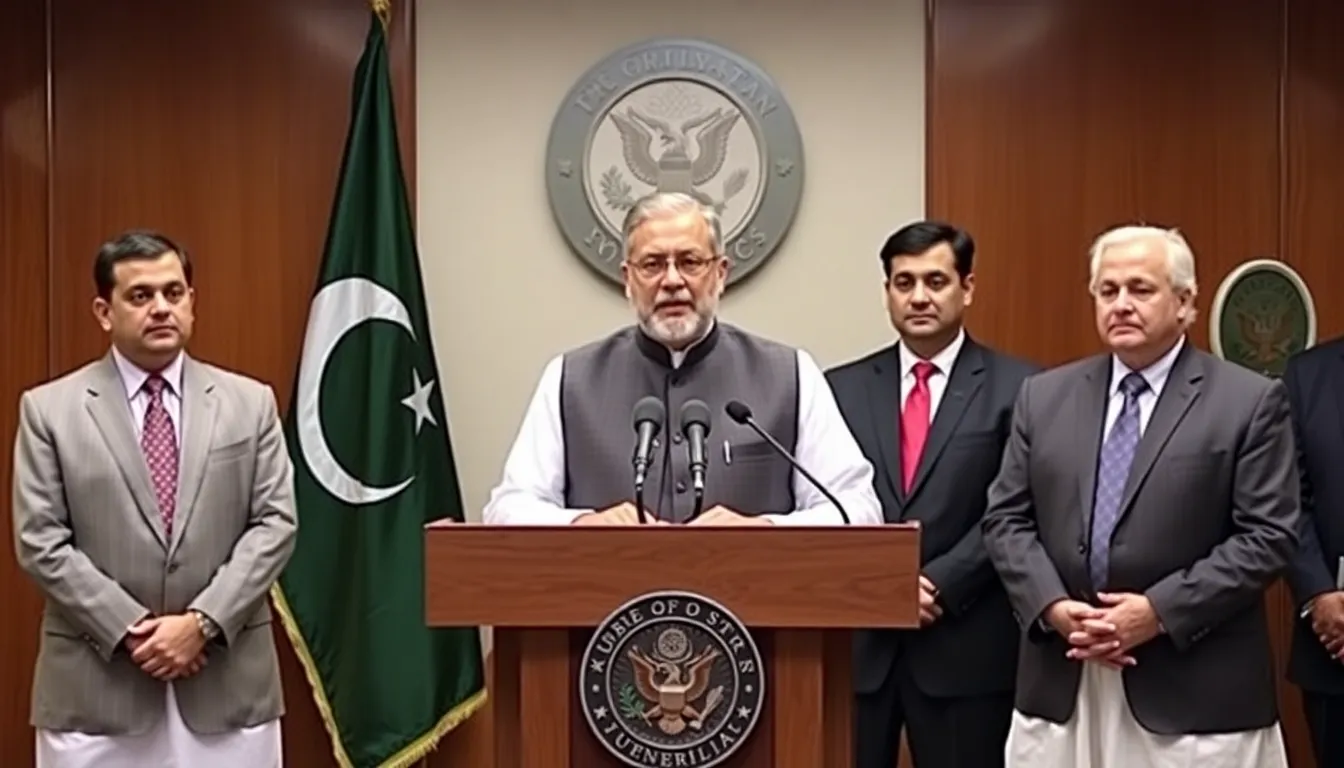
The Iran conflict has deep roots, stemming from the 1979 Iranian Revolution and the subsequent shift in power dynamics in the Middle East. As Iran became increasingly isolated from Western allies, its relationships with neighboring countries, including Pakistan, were tested. Over the years, Pakistan has had to balance its strategic interests with Iran against its close ties with the United States, especially during periods of heightened tensions between the U.S. and Iran.
Key milestones in this relationship include Pakistan’s involvement in the Afghan War during the 1980s, which saw Iran and Pakistan on opposing sides, and the more recent U.S. withdrawal from Afghanistan, which has prompted both nations to reassess their positions. In 2020, Pakistan’s Prime Minister Imran Khan emphasized the importance of dialogue and negotiation in resolving conflicts, positioning Pakistan as a potential mediator in the Iran conflict, especially as tensions escalated following the assassination of Iranian General Qassem Soleimani.
The Shift in U.S.-Pakistan Relations
In recent years, the U.S. has sought to engage Pakistan in a more constructive manner, particularly in light of its strategic importance in the region. The Trump administration’s interest in Pakistan as a mediator in the Iran conflict marked a significant shift, recognizing Islamabad’s unique position to facilitate dialogue. This change came as the U.S. aimed to stabilize the region while addressing its own interests, particularly in countering Iranian influence.
Key stakeholders and issues in the Iran war mediation
Among the primary actors are the governments of Iran, the United States, and Pakistan, each with distinct interests and motivations, underscoring the complexities discussed in another relevant piece.
The United States, under the Trump administration, has emphasized a hardline approach towards Iran, including sanctions and military posturing. However, the potential for conflict has prompted a reassessment of strategies, particularly as the U.S. seeks to avoid another protracted military engagement. Pakistan’s involvement as a mediator is driven by its desire to enhance its diplomatic standing and reduce regional tensions that could spill over into its own borders.
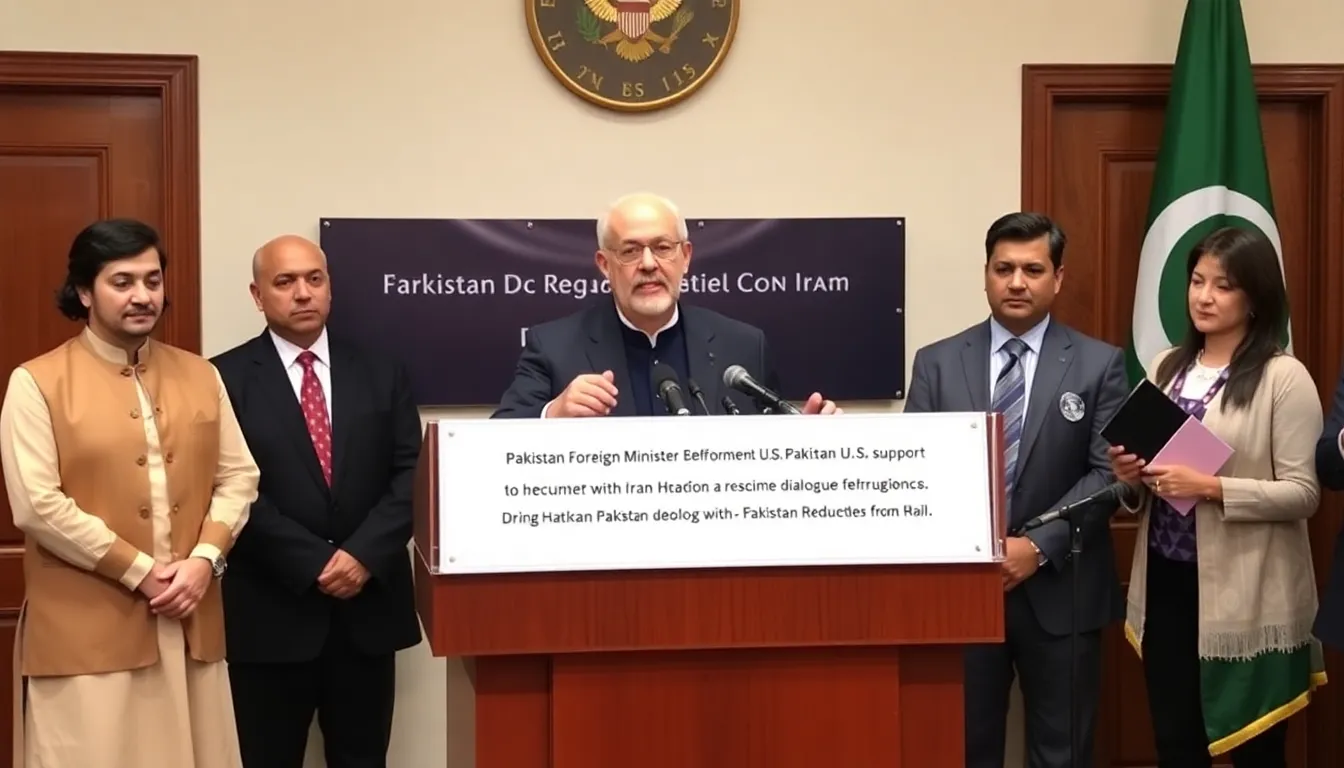
Key issues surrounding this mediation include the legitimacy of Pakistan’s role, the balance of power in the region, and the potential for economic repercussions. As a mediator, Pakistan must navigate complex relationships with both Iran and the U.S., balancing its historical ties with Iran against its strategic partnership with the U.S. This dynamic creates a delicate situation where trade-offs are inevitable.
- Iran’s Nuclear Program: A central issue that complicates negotiations is Iran’s nuclear ambitions, which the U.S. views as a direct threat.
- Regional Stability: Pakistan’s mediation efforts aim to foster stability, which is crucial for its own security and economic interests.
- International Sanctions: The impact of U.S. sanctions on Iran poses significant economic challenges that affect the broader region.
- Pakistan’s Strategic Interests: By mediating, Pakistan seeks to position itself as a key player in regional diplomacy.
- Public Perception: The domestic implications of Pakistan’s role in the mediation process may influence its political landscape.
Ultimately, the interplay between these stakeholders and issues highlights the complexities of the Iran war mediation. As Pakistan navigates its role, the outcomes will have lasting implications for regional geopolitics and the broader international community.
Impact of Pakistan’s mediation on regional stability
The mediation efforts by Pakistan in the Iran war have far-reaching implications for various groups, industries, and regions. Key stakeholders include local businesses, governments, and the general populace in both Iran and Pakistan, as well as neighboring countries such as Afghanistan and India. The potential for increased diplomatic engagement could reshape alliances and influence trade dynamics across the region.
In the short term, daily life for citizens in conflict-affected areas may see a decrease in violence and instability, leading to improved security conditions. Businesses involved in trade and commerce may experience a boost as borders open up and economic activities resume. However, there are risks associated with this newfound stability, including the potential backlash from hardline factions within Iran and Pakistan that oppose diplomatic engagement.
In the mid-term, the policies adopted as a result of Pakistan’s mediation could lead to significant changes in regional trade routes and energy supplies. Industries such as oil and gas, which are critical to both Iran and Pakistan, may benefit from a more stable environment, attracting foreign investment. Conversely, industries reliant on military contracts may face challenges as governments pivot their focus towards diplomacy rather than defense.
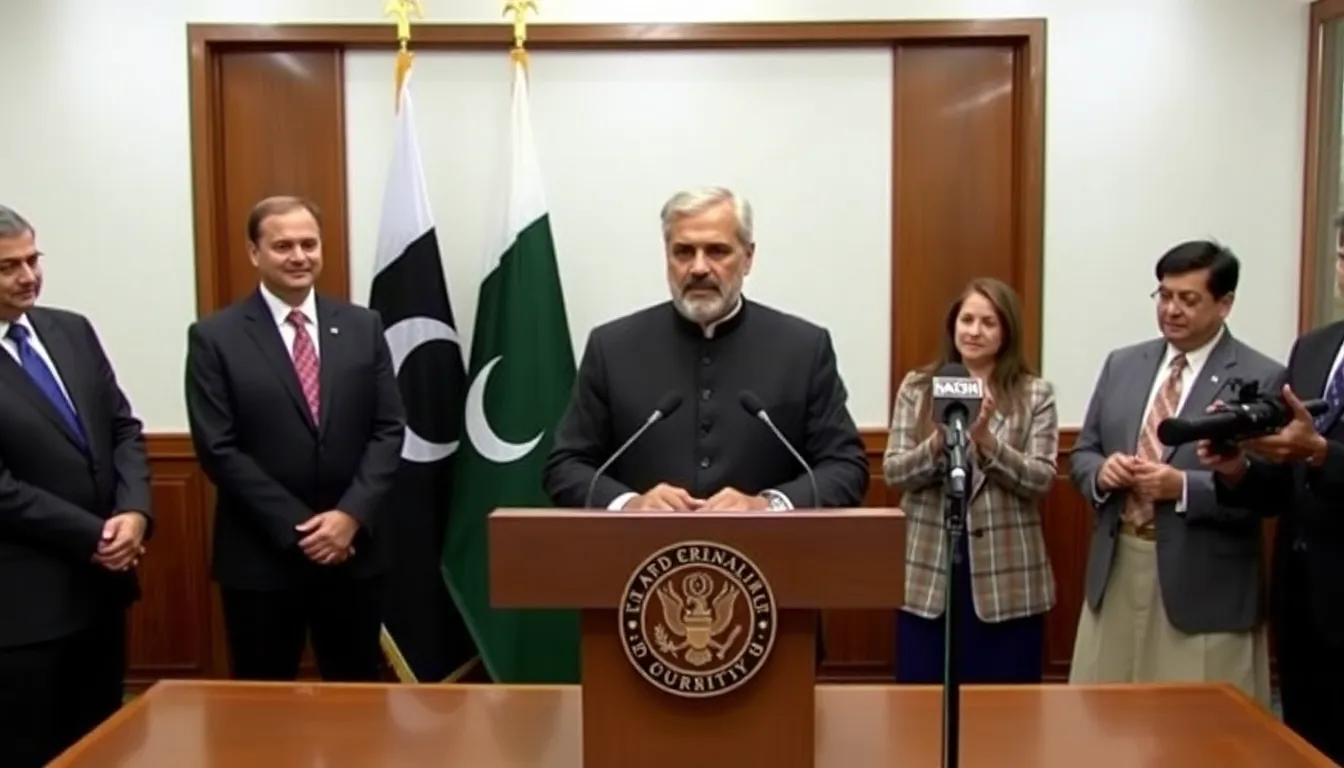
- Increased trade opportunities between Iran and Pakistan.
- Potential for reduced military spending as focus shifts to diplomacy.
- Impact on local economies in border regions.
- Risks of internal dissent from factions opposing peace efforts.
- Long-term geopolitical shifts affecting alliances and partnerships.
Overall, while the mediation presents opportunities for growth and stability, it also carries inherent risks that could affect the delicate balance of power in the region. The ultimate success of these efforts will depend on the ability of Pakistan to navigate these complexities and maintain support from both domestic and international stakeholders.
A: Pakistan leveraged its historical ties with the U.S. and positioned itself as a neutral party in the Iran conflict, appealing to Trump’s desire for a diplomatic solution. A: Pakistan’s involvement could lead to a reduction in tensions in the region, potentially fostering better relations between Iran and the U.S. A: Pakistan must navigate complex relationships with both Iran and the U.S., balancing its own national interests while promoting peace. A: Yes, several countries in the region and beyond are watching closely and may support Pakistan’s efforts if they lead to positive outcomes. A: Media coverage has been mixed, with some praising Pakistan’s initiative while others express skepticism about its effectiveness.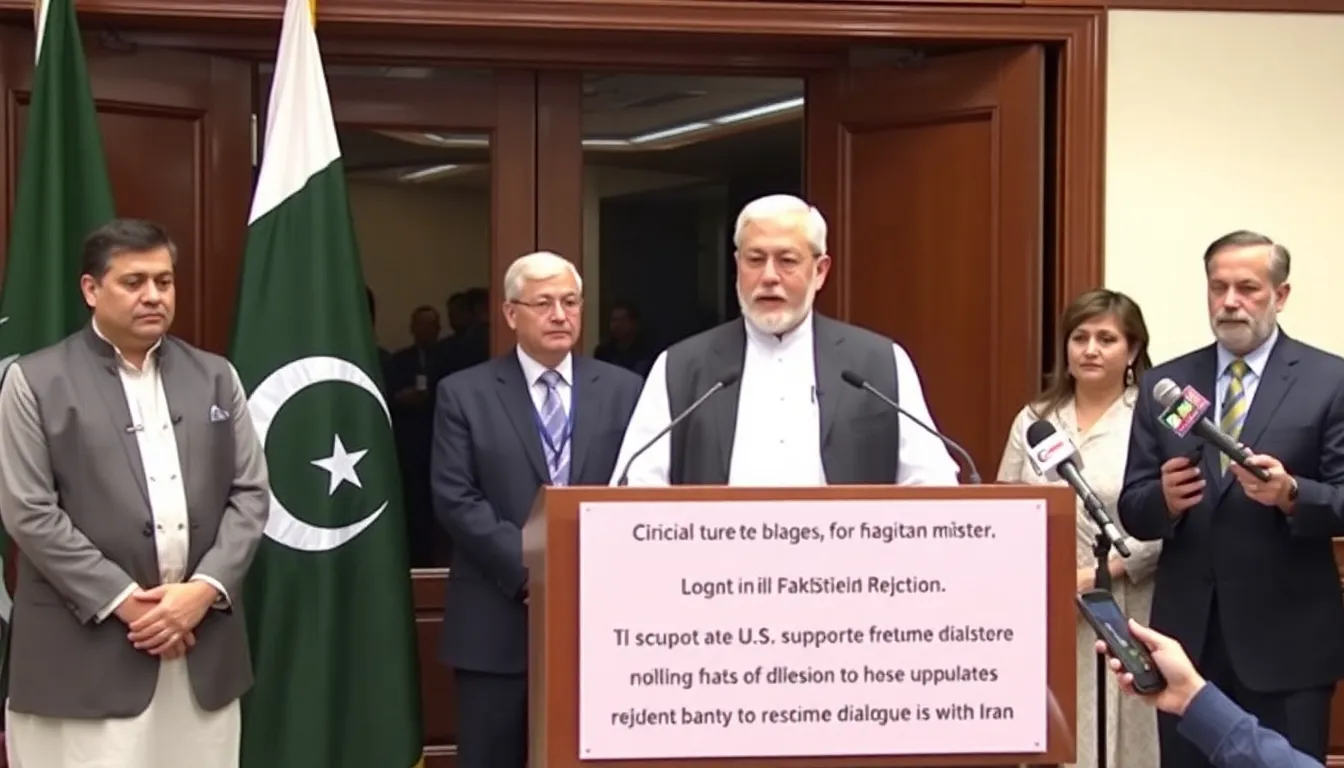
Frequently asked questions about Pakistan’s mediation efforts
Insights into the future of Pakistan’s diplomatic role
The recent developments in Pakistan’s unexpected position as a mediator in the Iran conflict highlight its growing influence in international diplomacy. By aligning its interests with those of the United States, particularly under the Trump administration, Pakistan has demonstrated a strategic pivot that could redefine its role in regional geopolitics. This newfound status not only enhances Pakistan’s diplomatic portfolio but also presents opportunities for economic and security partnerships that could stabilize the region.
As the dynamics of global diplomacy continue to evolve, it will be crucial to monitor how Pakistan leverages this opportunity. The implications of its mediation efforts could extend beyond Iran, potentially positioning Pakistan as a key player in broader Middle Eastern negotiations. Observers should remain vigilant about the potential shifts in alliances and the impact on regional stability.
- Pakistan’s role as a mediator may lead to enhanced economic ties with both the U.S. and Iran.
- Watch for shifts in Pakistan’s foreign policy that may prioritize diplomatic engagement over military alliances.
- The success of mediation efforts could bolster Pakistan’s international standing and attract foreign investment.
- Regional dynamics may shift as other countries respond to Pakistan’s newfound influence in Middle Eastern affairs.