


In October 2023, U.S. officials confirmed the repositioning of strategic bombers to bases in the region, signaling a readiness to respond to potential threats from Iran. The U.K. Prime Minister, along with defense advisors, is currently evaluating the implications of these moves, considering both military strategy and diplomatic relations. The decisions made in this context will have significant repercussions for regional stability and international relations, as detailed in our Latest Updates on Current Events.
Moreover, the U.K. must balance its military commitments with public sentiment and parliamentary oversight. Recent polls show a divided opinion among the British public regarding military involvement in Iran, reflecting concerns about the potential for escalation. As such, the Prime Minister’s decisions will not only impact military operations but also influence domestic political dynamics, similar to the concerns outlined in Consumer confidence shaken by fears of Iran war.
With the backdrop of ongoing negotiations around Iran’s nuclear program, the timing of U.S. bomber deployments raises questions about the effectiveness of diplomatic efforts. The U.K. aims to play a constructive role in these discussions, but the military posture taken in the coming weeks could either bolster or undermine diplomatic initiatives. The outcome of this situation remains uncertain, as the U.K. navigates complex geopolitical waters.
Background on U.K. and U.S. military cooperation
The military relationship between the United Kingdom and the United States has deep historical roots, dating back to World War II when the two nations forged a strong alliance against the Axis powers. This partnership evolved into a comprehensive military cooperation framework, characterized by joint operations, intelligence sharing, and collaborative defense initiatives. The establishment of NATO in 1949 further cemented this alliance, ensuring that both countries would work closely to address global security challenges.
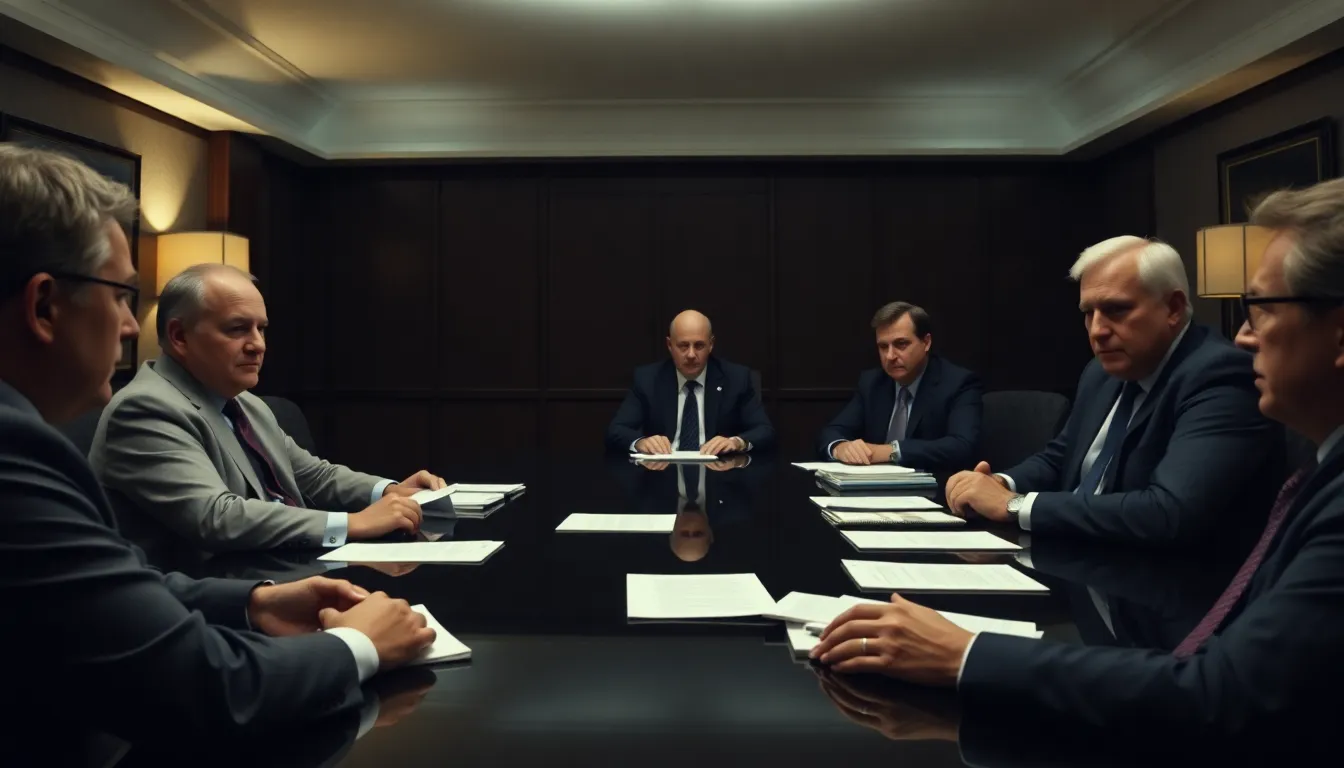
In the decades that followed, the U.K. and U.S. collaborated on numerous military interventions, including those in the Middle East. The Gulf War in the early 1990s and the Iraq War in the early 2000s showcased their ability to conduct coordinated military operations. This history of cooperation has laid the groundwork for ongoing discussions about military actions, including the deployment of U.S. bombers in response to threats posed by nations like Iran.
Political Implications of Military Decisions
The decision-making process regarding military actions involves not only strategic considerations but also significant political implications. The U.K. Prime Minister plays a crucial role in determining which U.S. bombers are permitted to operate from British bases, reflecting the delicate balance between supporting an ally and addressing domestic and international concerns. The political landscape in the U.K. has been shaped by public opinion, debates in Parliament, and the need to maintain diplomatic relations with other nations, particularly in the Middle East, and this is further illustrated by Current Events Updates.
Key milestones, such as the 2015 Iran nuclear deal, have also influenced the dynamics of military cooperation. The agreement aimed to curb Iran’s nuclear ambitions but was met with skepticism and criticism from various political factions in the U.K. and U.S. The subsequent U.S. withdrawal from the deal in 2018 added another layer of complexity, as the U.K. grappled with its response to escalating tensions in the region, ultimately affecting decisions about military engagement.
As the situation continues to evolve, the U.K.’s military cooperation with the U.S. remains critical in shaping responses to threats posed by Iran. The interplay of historical alliances, political pressures, and strategic interests will continue to influence how the U.K. navigates its role in international military operations.
Key stakeholders and issues in military decisions
In the context of military decisions regarding the deployment of U.S. bombers against Iran, several key stakeholders play crucial roles. The primary actors include the U.K. government, the U.S. military, NATO allies, and various international organizations. Each of these stakeholders has distinct interests that influence the decision-making process.
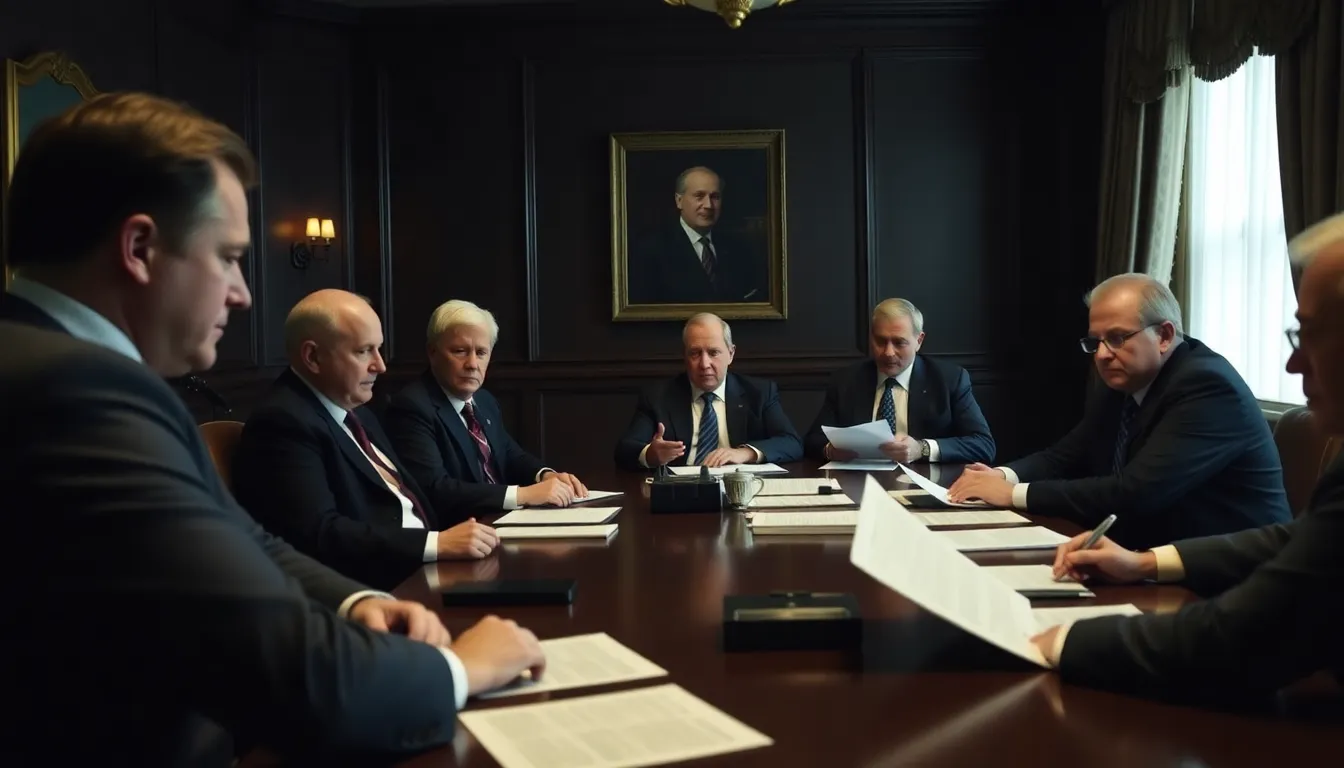
The U.K. government, led by its Prime Minister and defense officials, seeks to maintain national security while balancing diplomatic relations with both the U.S. and Iran. Their interest lies in ensuring that any military action aligns with international law and does not exacerbate tensions in the region. Conversely, the U.S. military aims to assert its strategic objectives in the Middle East, often prioritizing rapid response capabilities and deterrence against perceived threats from Iran.
Additionally, NATO allies have vested interests in the stability of the region, as conflicts can have far-reaching implications for European security. The involvement of international organizations, such as the United Nations, adds another layer of complexity, as they advocate for peaceful resolutions and compliance with international treaties.
- Legal considerations: The necessity of adhering to international law and the potential implications of military action on global treaties.
- Economic factors: The impact of military operations on global oil markets and economic relations, particularly with Iran.
- Public opinion: The influence of domestic and international public sentiment regarding military intervention and its ethical implications.
- Geopolitical dynamics: The need to consider the reactions of other regional powers, such as Russia and China, to U.S. and U.K. military actions.
- Strategic alliances: The importance of maintaining strong ties with U.S. allies while navigating complex relationships with adversaries.
Ultimately, the interplay of these stakeholders and the associated issues creates a multifaceted landscape for decision-making, where conflicts and trade-offs must be carefully navigated to achieve desired outcomes while minimizing unintended consequences.
Impact on international relations and regional stability
The decision-making process of the U.K. leader regarding U.S. bombers targeting Iran has far-reaching implications for various groups and regions. Key stakeholders include the U.K. government, U.S. military, Iranian authorities, and international organizations. Each of these entities will experience both direct and indirect effects based on the outcomes of these military decisions.
In the short term, heightened military activity may lead to increased tensions in the Middle East, potentially disrupting trade routes and impacting oil prices globally. This volatility can affect consumers and businesses, particularly in industries reliant on stable energy costs. Furthermore, the U.K.’s alignment with U.S. military strategies may strain relations with other nations, especially those advocating for diplomatic resolutions.
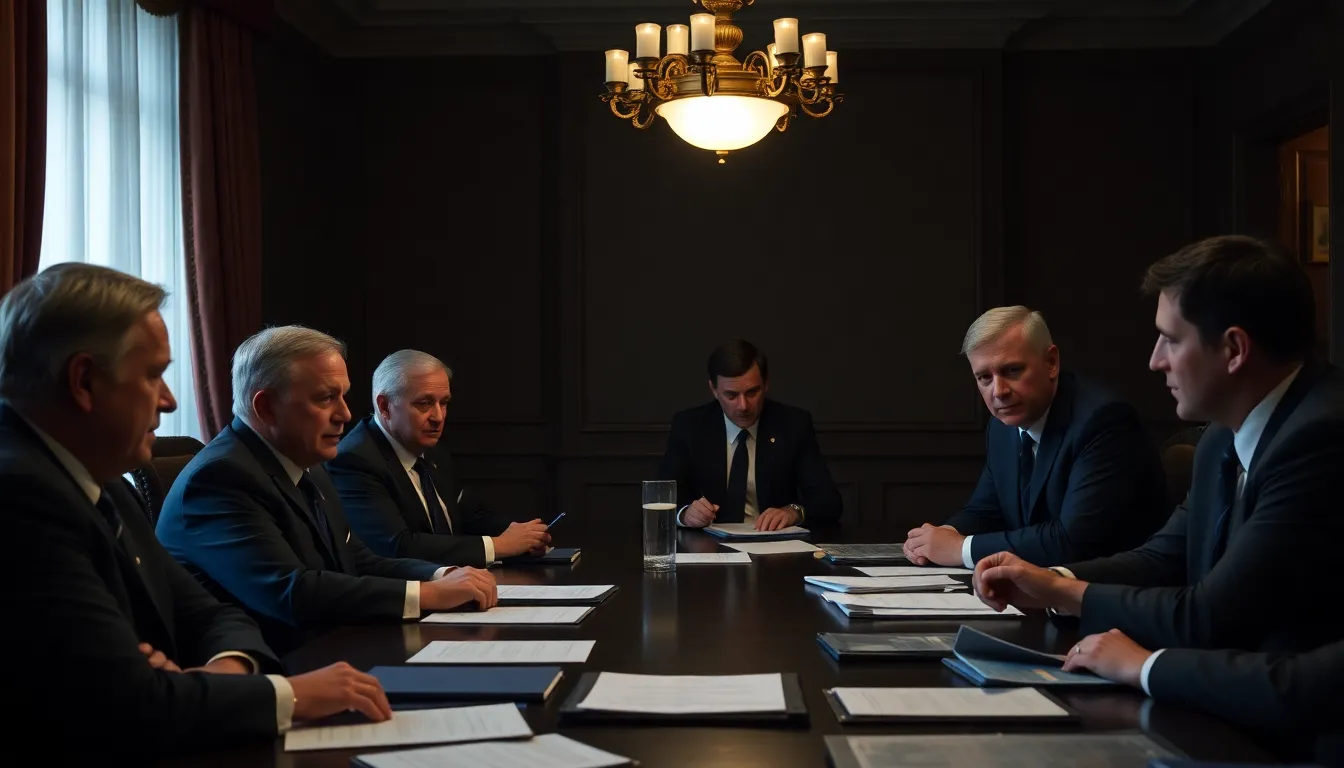
Mid-term impacts may involve shifts in policy as governments reassess their foreign relations strategies. For instance, European nations may reconsider their defense agreements or trade partnerships with the U.K. and the U.S. if military actions escalate. Additionally, domestic policies in the U.K. could shift as public opinion reacts to military engagements, influencing future elections and governance.
- Increased military spending: Both the U.K. and U.S. may allocate more resources to defense, impacting public budgets.
- Economic instability: Fluctuations in oil prices could lead to increased costs for consumers and businesses.
- Diplomatic relations: Strained ties with nations opposed to military action may alter international alliances.
- Public sentiment: Growing anti-war sentiments could lead to protests and political pressure on leadership.
While the risks are significant, potential opportunities may arise for defense contractors and technology firms involved in military operations. Increased collaboration between the U.K. and U.S. defense sectors could lead to advancements in military technology and innovation, benefiting the economy in the long run. However, the balance between military action and diplomatic efforts remains delicate, as the global community watches closely for signs of escalation or resolution.
A: The decision involves consultations between military advisors and government officials, considering factors like strategic objectives and international law. A: Public opinion can influence political leaders, as they may face pressure to justify military actions to their constituents. A: Yes, international law and agreements between the U.K. and U.S. set certain legal frameworks that must be adhered to. A: Potential consequences include escalating tensions in the region, affecting diplomatic relations, and risking civilian casualties. A: The U.K. frequently collaborates with the U.S. on military operations, particularly in areas of mutual strategic interest.
Frequently asked questions about military decisions
Insights into future military strategies and decisions
The decision-making process regarding which U.S. bombers to deploy against Iran reflects a complex interplay of geopolitical considerations, military readiness, and international diplomacy. As the U.K. navigates its role within NATO and its relationship with the U.S., understanding these dynamics becomes crucial for anticipating future military actions and their implications for regional stability.
Observing the evolving strategies will provide insights into how the U.K. balances its commitments to allies while addressing its national security interests. The implications of these decisions extend beyond immediate military objectives, influencing diplomatic relations and the broader security landscape in the Middle East.
- Monitor changes in U.K. defense policy that may signal shifts in military engagement strategies.
- Watch for developments in U.S.-U.K. relations that could impact operational decisions regarding Iran.
- Consider the role of public opinion in shaping military strategies and decisions within the U.K.
- Evaluate the effectiveness of joint military exercises and their influence on readiness and interoperability.
- Stay informed about Iran’s responses to U.S. and U.K. military posturing, as these may affect future engagements.