


The decision was made public just weeks before the festival, raising questions about the impact on both the event and Pepsi’s brand image. Critics have pointed out the potential risks of aligning with West, who has faced backlash for various statements and actions in recent years. By stepping back, Pepsi aims to mitigate any potential backlash from consumers concerned about the artist’s controversial history. This situation reflects the growing debate around corporate responsibility in sponsorships.
This withdrawal marks a significant shift in the sponsorship landscape, as brands increasingly weigh the social implications of their partnerships. The Wireless Festival, which attracts thousands of attendees each year, will now be seeking a new sponsor to fill the gap left by Pepsi. This situation highlights the delicate balance brands must maintain between marketing opportunities and public perception.
As the festival approaches, industry analysts will be closely monitoring the effects of this decision on both the event’s success and Pepsi’s overall brand strategy. The outcome may influence how other brands approach sponsorships in the future, particularly in the context of artists who generate divisive opinions among fans and the general public.
Understanding the background of the sponsorship
The decision by Pepsi to withdraw its sponsorship from the Wireless Festival, which is set to be headlined by Kanye West, comes against a backdrop of increasing scrutiny on corporate partnerships with controversial figures. Over the years, West has been a polarizing figure in the entertainment industry, known for his outspoken views and actions that have sparked both admiration and backlash from fans and the public alike.
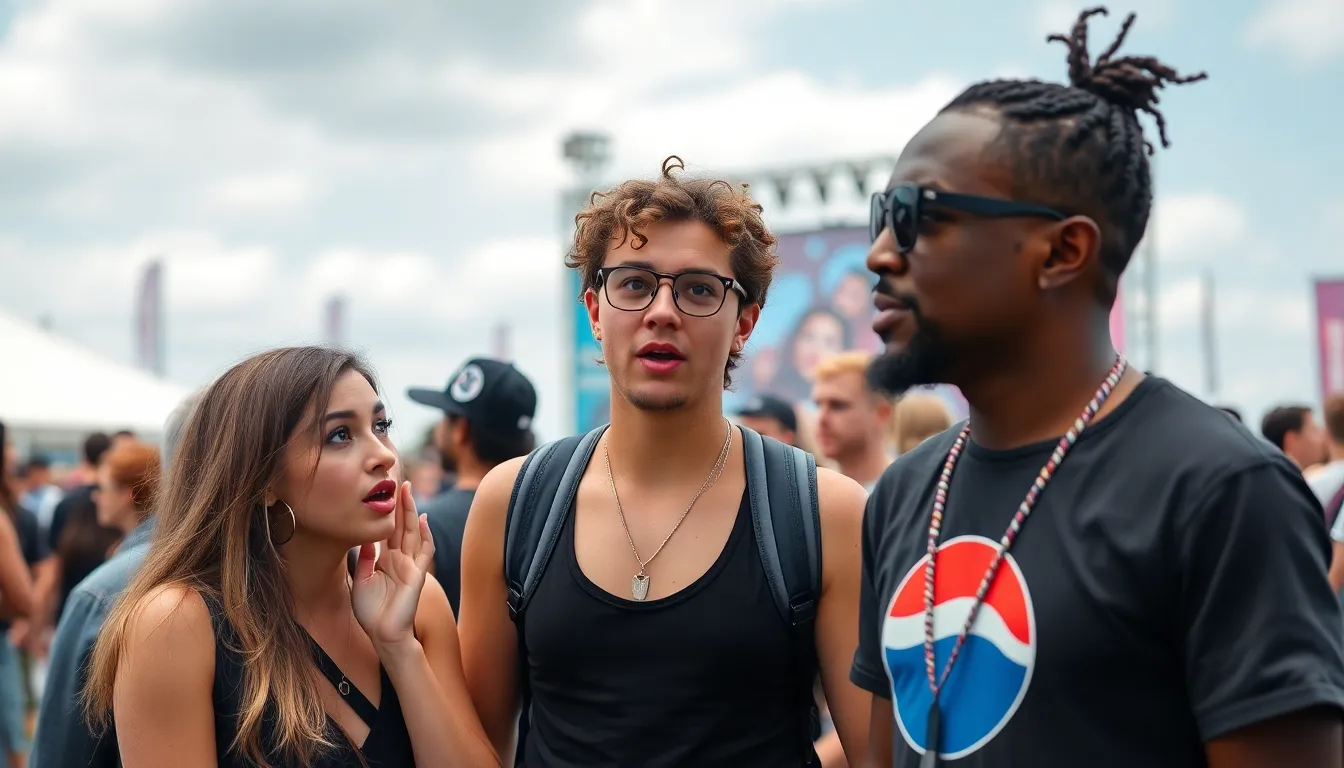
Historically, brands have often aligned themselves with popular cultural icons to enhance their visibility and connect with younger audiences. However, the rise of social media has amplified the voices of critics, leading to a more immediate and impactful response to celebrity behavior. In West’s case, his comments and actions surrounding various social and political issues have led to calls for boycotts and questions about the appropriateness of corporate sponsorship. This trend emphasizes the need for brands to be aware of social movements, similar to how Black Lives Matter has influenced corporate partnerships.
The Impact of Social Movements
In recent years, social movements advocating for accountability and ethical practices have gained traction, influencing how brands approach sponsorship deals. The Black Lives Matter movement, for instance, has prompted companies to reconsider their associations with individuals who may not align with their values. Pepsi’s decision to step back from the Wireless Festival can be seen as a response to this evolving landscape, where consumer expectations are shifting towards greater corporate responsibility.
Moreover, the economic implications of sponsorship deals cannot be overlooked. Brands invest heavily in partnerships to drive sales and enhance their brand image. However, in an environment where public perception can quickly turn due to a single controversial statement or action, companies like Pepsi must weigh the potential risks against the benefits of their sponsorships. This incident highlights the growing tension between celebrity culture and corporate interests, as brands navigate the complexities of public sentiment.
Ultimately, Pepsi’s withdrawal from the festival reflects a broader trend within the industry, where companies are increasingly cautious about their public affiliations. As consumers demand more accountability and transparency, brands must adapt to these expectations, ensuring that their partnerships resonate positively with their audience.
Examining the implications for stakeholders involved
The decision by Pepsi to withdraw its sponsorship of the Wireless Festival, which is headlined by Kanye West, brings various stakeholders into focus. Key actors include PepsiCo, the festival organizers, Kanye West, and the music fans who attend the event. Each of these stakeholders has distinct interests that influence their positions in this scenario.
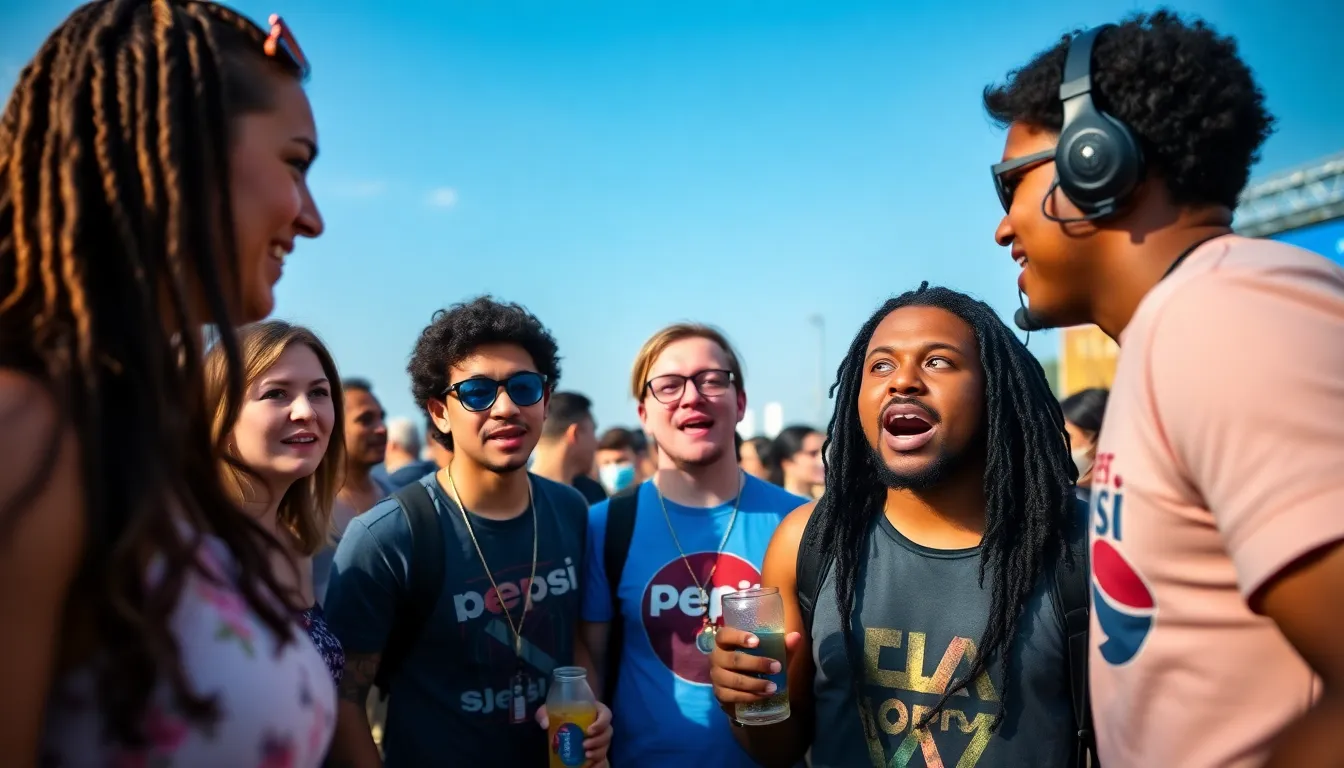
PepsiCo, as a major beverage corporation, seeks to maintain a positive brand image and align itself with events that resonate with its target demographic. The company’s withdrawal could be seen as a response to potential backlash over Kanye West’s controversial public persona and statements, which may not align with Pepsi’s marketing strategy. This decision reflects the broader issue of brand safety in sponsorships, where companies must navigate public sentiment and social media reactions. It underscores the complex nature of celebrity influence on brand partnership.
The festival organizers face a significant challenge as they lose a prominent sponsor. This could lead to financial strain, impacting the event’s scale and production quality. The loss of Pepsi’s support may also affect their ability to attract other sponsors, as they must now reassure potential partners of the festival’s viability without this key player. The economic implications of this decision could ripple through the festival’s ecosystem, affecting vendors, artists, and local economies.
Kanye West, as the headliner, is also a pivotal figure in this situation. His artistic identity and public statements often provoke strong reactions, which can create both opportunities and challenges for brands associated with him. The conflict between artistic expression and corporate sponsorship illustrates a broader tension in the entertainment industry, where personal controversies can have significant financial repercussions for affiliated brands.
- Brand Image Concerns: Companies must weigh the risks of association with controversial figures against potential marketing benefits.
- Financial Implications: The festival’s organizers may struggle to replace lost funding, affecting overall event quality.
- Public Sentiment: The reaction from fans and the general public can influence future sponsorship decisions across the industry.
- Legal Considerations: Potential contractual obligations and legal ramifications for both Pepsi and the festival could arise from this sponsorship withdrawal.
- Market Dynamics: This incident could shift how brands approach sponsorships in the music and entertainment sectors moving forward.
Effects on the festival and the brand’s image
The decision by Pepsi to drop its sponsorship of the Wireless Festival, which is headlined by Kanye West, has significant ramifications for various stakeholders. Primarily, the festival organizers face immediate financial challenges as they seek to fill the gap left by the beverage giant. This withdrawal not only affects the festival’s budget but also its ability to attract other sponsors who may be wary of associating with an event that has become controversial.
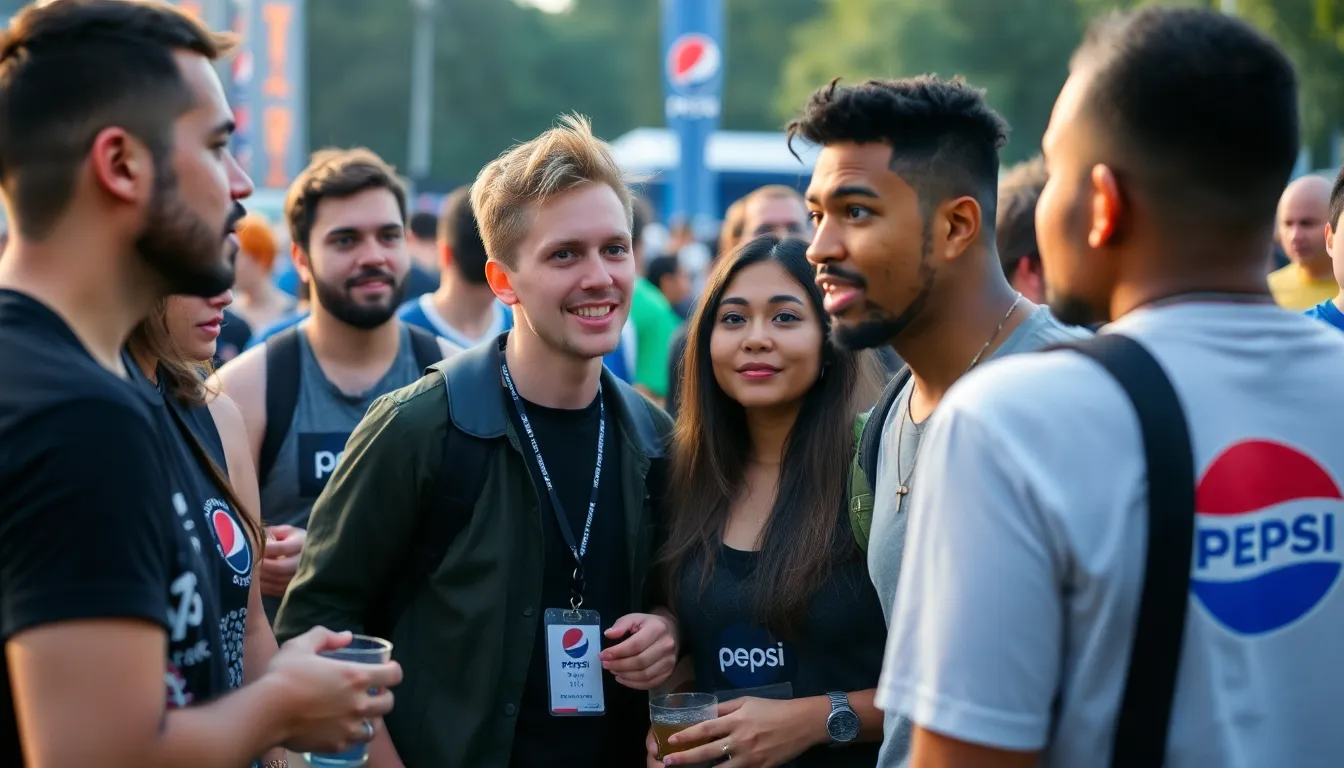
Fans and attendees of the festival are also impacted, as the loss of a major sponsor could lead to reduced funding for performances, amenities, and overall festival experience. This may result in higher ticket prices or a diminished lineup, which could discourage attendance. Additionally, the festival’s reputation may suffer, particularly if it is perceived as struggling without corporate support.
From a broader perspective, industries related to live events, marketing, and brand partnerships may feel the ripple effects. Companies in these sectors may reconsider their strategies for sponsorships, especially in light of the potential backlash from consumers regarding artist associations. This could lead to a more cautious approach to marketing partnerships, particularly with high-profile figures known for their controversial statements or actions.
- Short-term impacts: Increased financial strain on festival organizers, potential rise in ticket prices, and a reduced lineup.
- Mid-term impacts: Reevaluation of sponsorship strategies across the industry, shifts in consumer attitudes towards brands, and potential changes in festival programming.
- Risks: Damage to brand reputation for both Pepsi and the festival, loss of audience trust, and decreased attendance.
- Opportunities: New sponsorship deals for the festival, potential for emerging brands to step in, and a chance for the festival to redefine its identity.
In terms of policy implications, this situation may prompt discussions around corporate responsibility and the ethical considerations of sponsorships in the entertainment industry. Brands may need to establish clearer guidelines for partnership choices, taking into account public sentiment and social media reactions.
A: Pepsi decided to end its sponsorship due to concerns about brand alignment with Kanye West’s recent controversies, which may not resonate well with their target audience. A: The withdrawal of Pepsi’s sponsorship could lead to financial implications for the festival, potentially affecting its overall production and marketing efforts. A: Public reactions have been mixed, with some supporting Pepsi’s decision while others criticize the brand for not standing by its commitments. A: It is likely that Pepsi will continue to seek sponsorship opportunities that align more closely with its brand values and public perception. A: While Pepsi’s withdrawal may not directly impact Kanye West’s performance, it raises questions about the festival’s overall sponsorship landscape.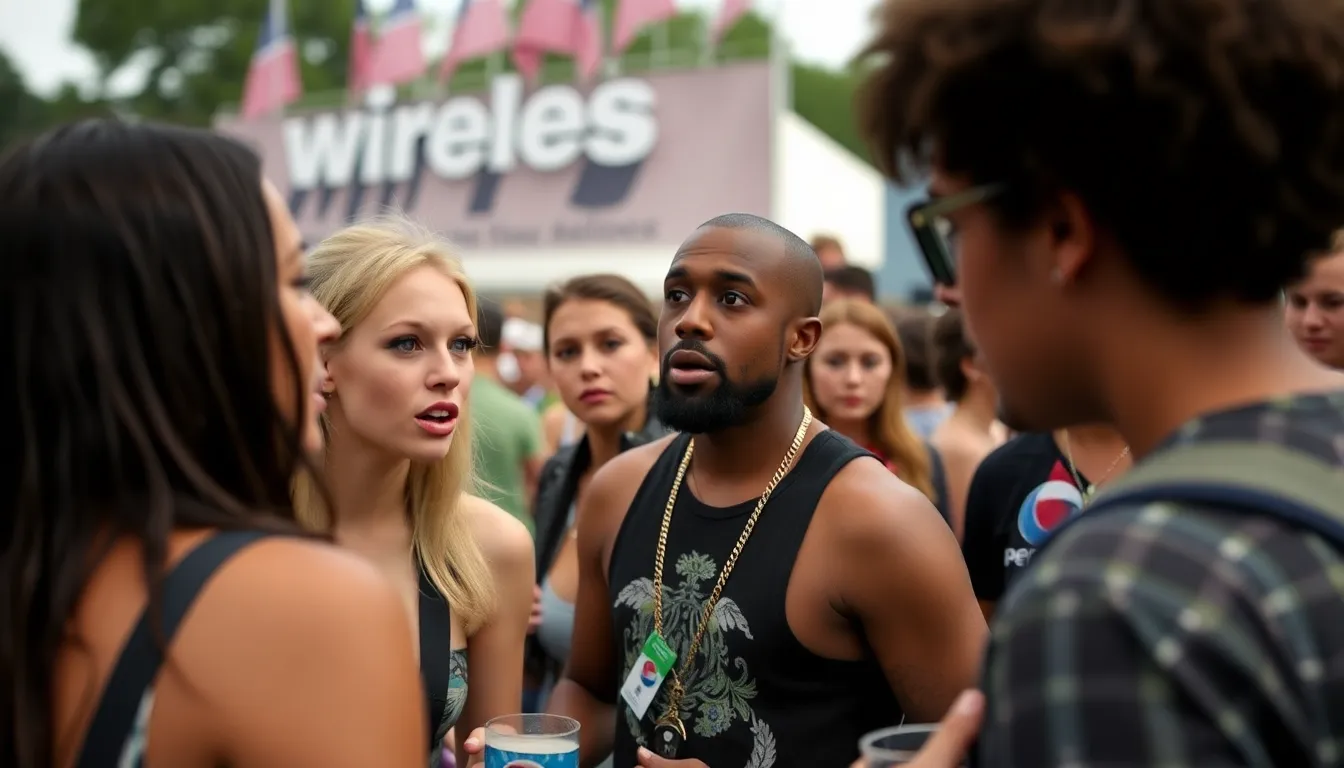
Frequently asked questions about the sponsorship drop
Key takeaways and future outlook for Pepsi
The decision by Pepsi to withdraw its sponsorship from the Wireless Festival, particularly with Kanye West as a headliner, underscores the growing complexities brands face in aligning with public figures. The move reflects an acute awareness of the potential risks associated with celebrity endorsements, especially in a climate where social media amplifies both positive and negative narratives. As brands navigate these waters, the implications for future partnerships and marketing strategies become increasingly significant.
Looking ahead, Pepsi’s choice may signal a shift in how brands evaluate their associations with artists and events. Companies may prioritize alignment with values and public perception over traditional marketing strategies, leading to a more cautious approach in sponsorships. Observing how this decision influences Pepsi’s brand image and consumer perceptions will be crucial in the coming months.
- Monitor shifts in brand partnerships as companies reassess their sponsorship strategies in light of public sentiment.
- Watch for potential changes in Pepsi’s marketing campaigns that may prioritize inclusivity and positive messaging.
- Consider the impact of celebrity controversies on consumer behavior and brand loyalty.
- Evaluate how competitors respond to similar situations and whether they maintain or change their sponsorship approaches.
- Stay alert to emerging trends in the music festival landscape, particularly regarding artist lineup decisions and brand collaborations.