


In March 2023, a series of back-channel communications between Islamabad and Tehran began to take shape, coinciding with a visit from U.S. officials to Pakistan. These discussions highlighted Pakistan’s role as a stabilizing force, with both Iran and the United States recognizing the country’s potential to broker peace. Notably, former President Donald Trump expressed support for Pakistan’s mediation efforts, marking a significant shift in U.S. foreign policy towards the region. For more insights on U.S. involvement, see Understanding the U.K. Leader’s Decision on U.S. Bombers Against Iran.
The involvement of Pakistan is particularly crucial given its historical ties with Iran and its strategic partnership with the United States. This dual relationship has positioned Pakistan as a credible intermediary, capable of addressing the concerns of both nations. In recent months, high-level meetings have taken place, with Pakistani Prime Minister Shehbaz Sharif advocating for a diplomatic resolution to the conflict.
As of October 2023, the situation remains fluid, with ongoing negotiations aimed at reducing hostilities and fostering cooperation. The success of these efforts could redefine regional dynamics, potentially leading to a more stable Middle East. The international community is closely watching these developments, as the implications of Pakistan’s mediation could resonate far beyond its borders.
Exploring the historical ties between Pakistan, Iran, and the US
The geopolitical landscape of South Asia and the Middle East has been shaped by a complex interplay of historical ties, political alliances, and economic interests. Pakistan and Iran share a long border and have maintained a relationship that has fluctuated over the decades, influenced by regional conflicts and changing political climates. The United States, as a global superpower, has often played a pivotal role in this dynamic, particularly in the context of its foreign policy strategies in the region, which you can explore further in Consumer confidence shaken by fears of Iran war.
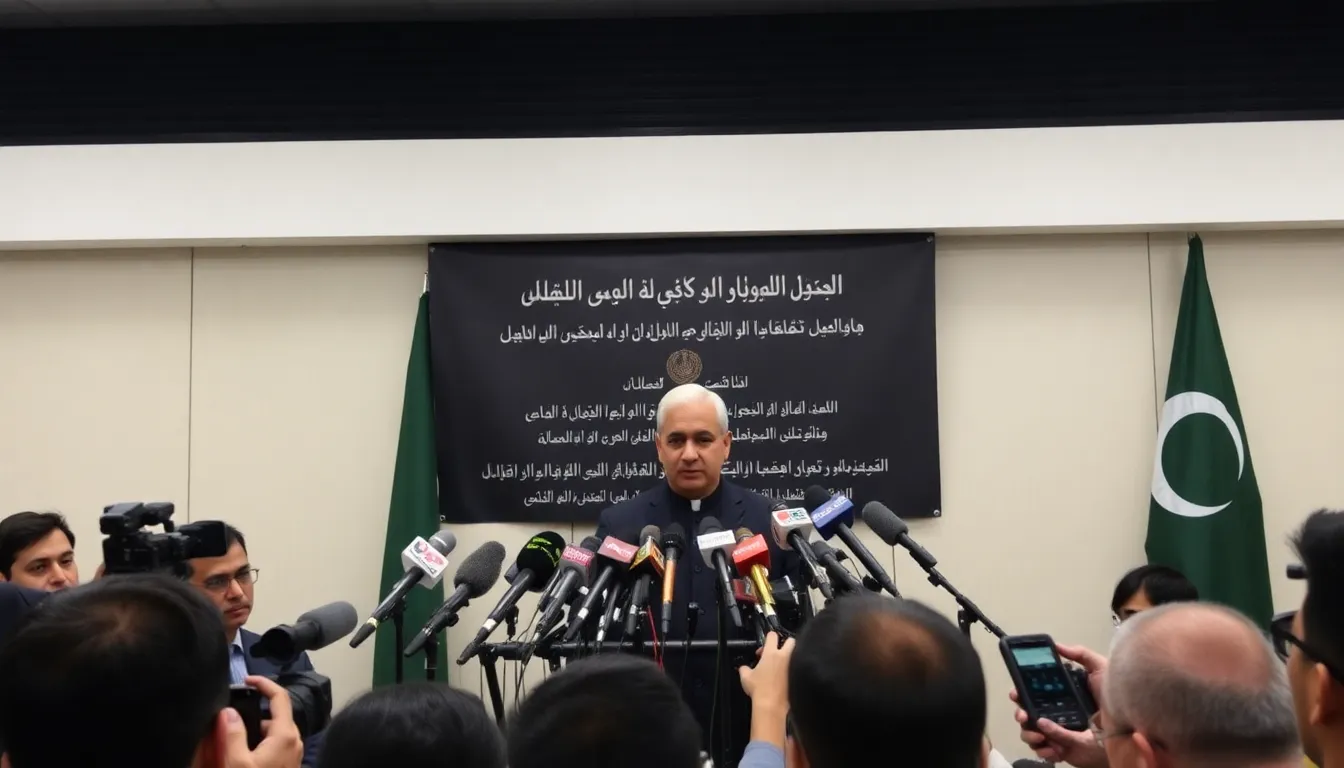
Historically, Pakistan and Iran have had a mix of cooperative and competitive interactions. In the early years following Pakistan’s independence in 1947, both countries sought to strengthen their ties through various agreements, including the Central Treaty Organization in the 1950s. However, the Iranian Revolution of 1979 marked a significant turning point, leading to a shift in alliances and increasing tensions. The US, which had previously supported the Shah of Iran, found itself in a complex position, often siding with Pakistan as a counterbalance to Iranian influence.
In recent years, the rise of militant groups and the ongoing conflict in Afghanistan have further complicated the relationships between these nations. Pakistan’s strategic location has made it a key player in US efforts to stabilize the region, especially in the context of the US withdrawal from Afghanistan and the growing influence of Iran. As tensions escalated between the US and Iran, particularly under the Trump administration, Pakistan found itself in an unexpected position, mediating discussions and attempting to foster dialogue.
The Role of Economic Interests
Economic factors have also played a significant role in shaping the relationships between Pakistan, Iran, and the US. Both Pakistan and Iran have faced economic challenges that have driven them to seek foreign investment and support. The US has viewed Pakistan as a vital partner in counter-terrorism efforts, providing military and economic aid. Conversely, Iran has sought to strengthen its economic ties with neighboring countries, including Pakistan, to mitigate the impact of international sanctions. This economic interdependence has created opportunities for Pakistan to act as a mediator, leveraging its relationships to facilitate dialogue and promote stability in the region.
Key stakeholders and their interests in the mediation process
In the complex landscape of the Iran conflict, several key stakeholders emerge, each with distinct interests and motivations. The primary actors include the United States, Iran, Pakistan, and regional allies and adversaries, all of whom have a vested interest in the outcome of any mediation efforts.
The United States, under the Trump administration, has sought to exert its influence in the Middle East, aiming to curb Iran’s regional ambitions and nuclear capabilities. This aligns with broader U.S. interests in maintaining stability in the region and protecting its allies, particularly Israel and Saudi Arabia. The U.S. government’s willingness to engage Pakistan as a mediator reflects a strategic shift, recognizing Pakistan’s unique position and historical ties with Iran. For more context on the geopolitical implications, check Consumer confidence shaken by fears of Iran war.
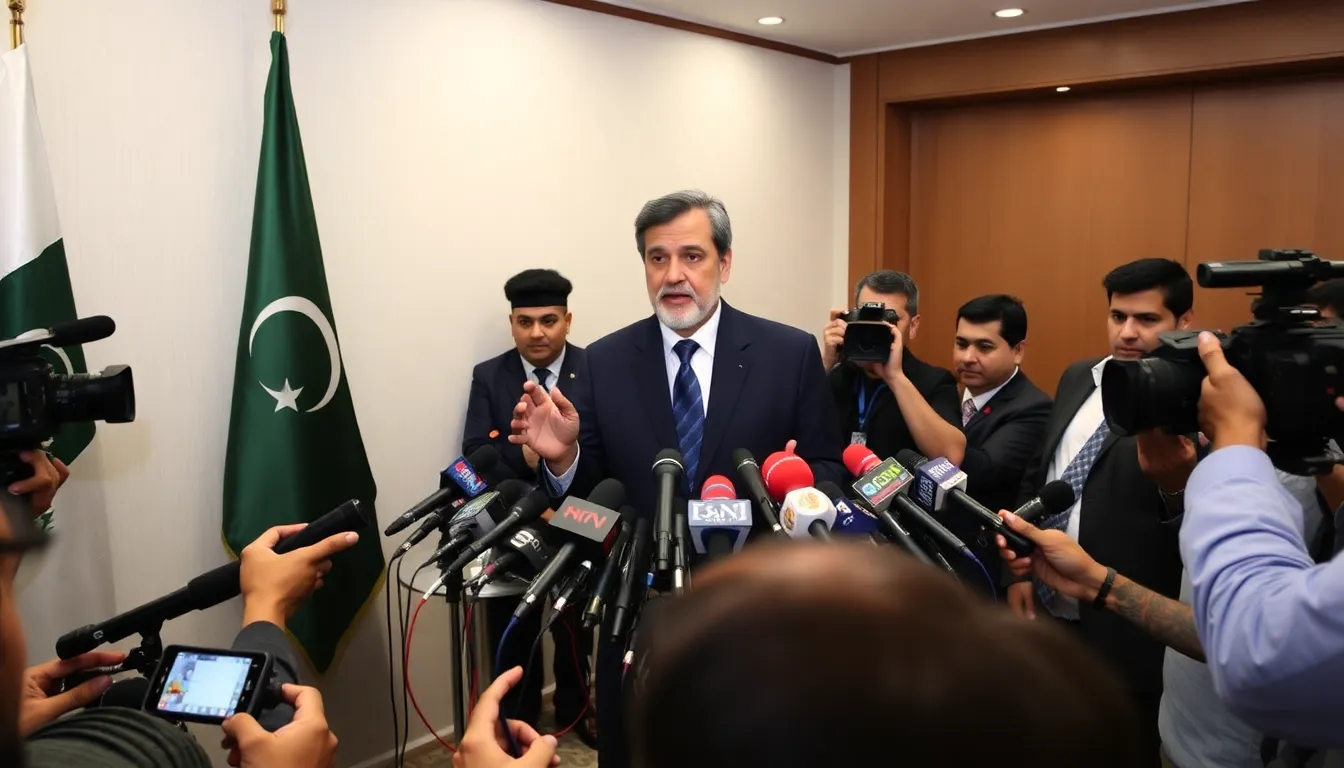
Iran, on the other hand, is keen to safeguard its sovereignty and regional influence. The Iranian leadership views external mediation with skepticism, fearing it may lead to increased pressure on its political and economic systems. However, Iran may also see the potential benefits of engaging with Pakistan, especially if it can leverage the relationship to counterbalance U.S. influence.
Pakistan’s role as a mediator is driven by multiple factors, including its desire to enhance its diplomatic stature on the global stage and to foster regional stability. By positioning itself as a neutral party, Pakistan aims to strengthen its relationships with both Iran and the U.S., while also addressing domestic concerns about security and economic development. This mediation effort could open avenues for trade and investment, benefiting Pakistan’s economy.
- U.S. Interests: Curbing Iran’s influence, ensuring regional stability, and protecting allies.
- Iran’s Goals: Maintaining sovereignty, countering U.S. pressure, and preserving regional influence.
- Pakistan’s Aspirations: Enhancing diplomatic stature, fostering regional stability, and boosting economic ties.
- Regional Dynamics: The roles of Saudi Arabia and Israel as stakeholders complicate the mediation process.
- Legal and Economic Issues: Sanctions, trade agreements, and international law play critical roles in shaping negotiations.
The potential effects of Pakistan’s mediation on regional stability
Pakistan’s unexpected role as a mediator in the Iran war has implications for various groups and industries across the region. Key stakeholders include governments in the Middle East, local businesses, and communities directly affected by the ongoing conflict. Additionally, international relations, particularly between the United States and Iran, may see shifts due to this new dynamic.
In the short term, the mediation efforts could lead to a decrease in hostilities, which would positively impact daily life for citizens in conflict zones. This could also allow for the reopening of trade routes and markets that had previously been disrupted by the war. Local businesses in border regions may experience a resurgence as stability returns, fostering economic growth.
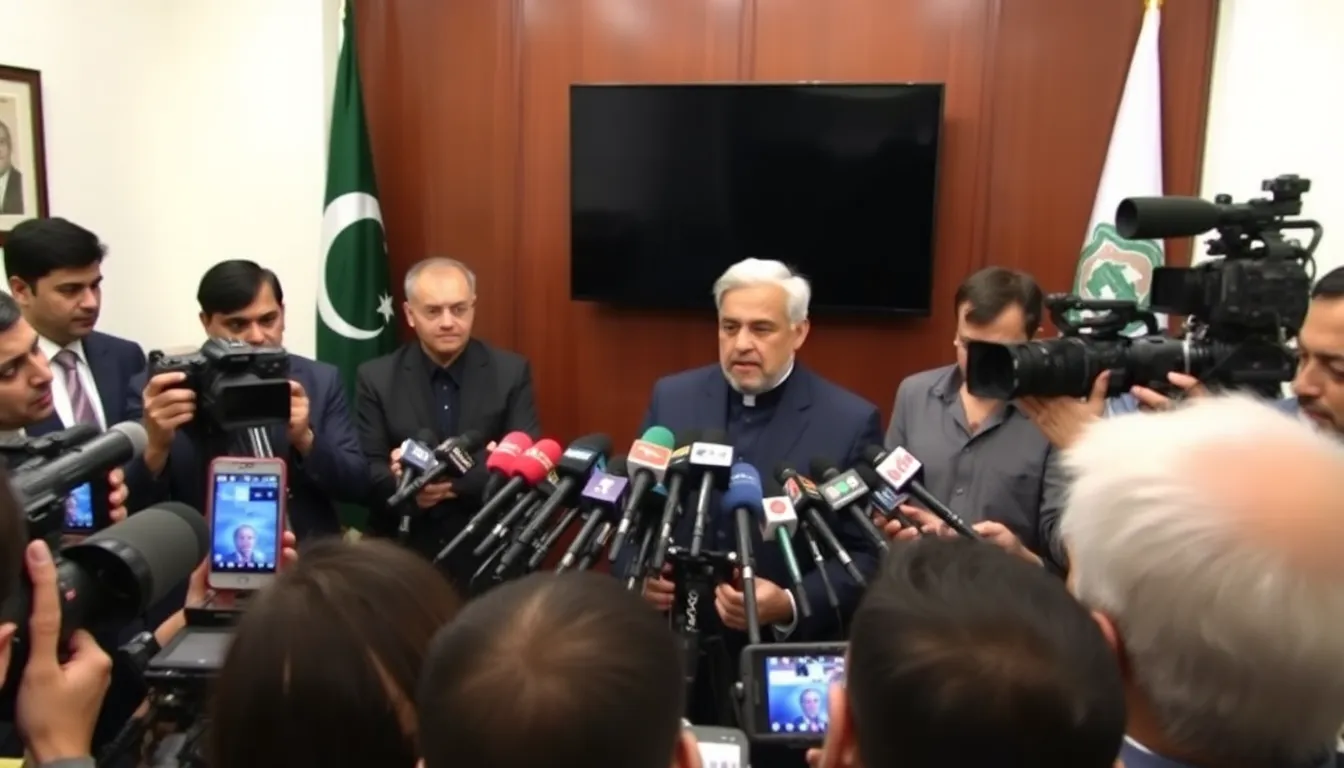
Mid-term impacts may include changes in policy, with countries reassessing their alliances and strategies based on Pakistan’s newfound influence. This could lead to increased foreign investment in Pakistan as a neutral ground for negotiations, potentially boosting its economy. However, there are risks involved, including backlash from factions that oppose diplomatic efforts, which could destabilize the region further.
- Decreased hostilities: Potential for reduced violence and improved safety for civilians.
- Economic revival: Opportunities for local businesses as trade resumes.
- Policy shifts: Changes in international relations and alliances.
- Investment opportunities: Increased foreign investment in Pakistan as a mediator.
- Risks of backlash: Potential destabilization from opposing factions.
As Pakistan navigates its role as a mediator, the outcomes will not only affect the immediate region but could also have broader implications for global geopolitics, especially in how other nations approach conflict resolution in the Middle East.
A: Pakistan’s strategic alliances and diplomatic efforts played a crucial role in winning Trump’s favor. The country’s leadership emphasized its importance in stabilizing the region. A: Pakistan’s involvement could lead to a reduction in tensions and foster dialogue between Iran and the US, potentially altering the geopolitical landscape. A: While mediating, Pakistan must balance its relations with both Iran and the US, which could strain ties if not handled delicately. A: Pakistan faces the challenge of maintaining neutrality while addressing the interests of both Iran and the US, which can be conflicting. A: Yes, Pakistan has previously acted as a mediator in various regional conflicts, leveraging its unique position and relationships.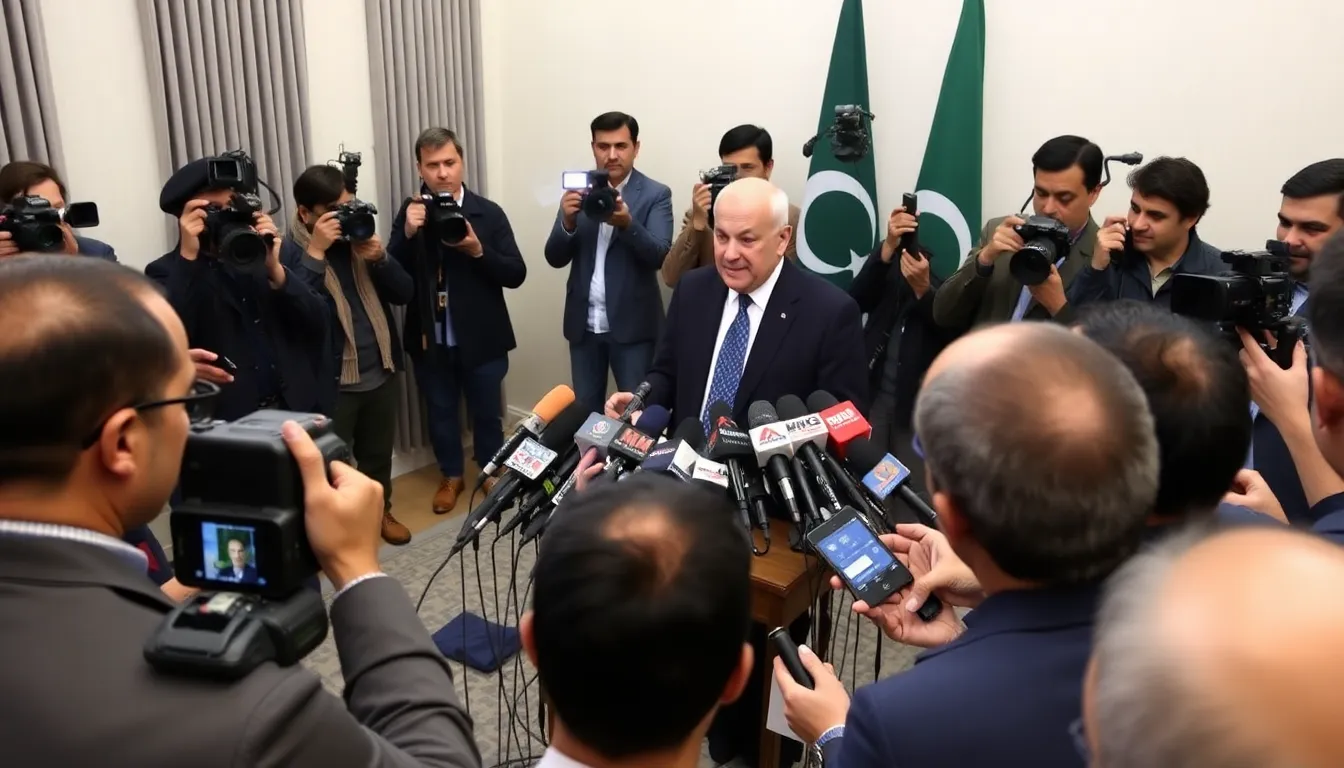
Frequently asked questions about Pakistan’s role in the Iran war
Key takeaways and future outlook on Pakistan’s mediation efforts
The recent developments in Pakistan’s role as a mediator in the Iran conflict underscore the shifting dynamics of international diplomacy. By successfully engaging with the Trump administration, Pakistan has positioned itself as a key player in a region marked by tension and uncertainty. This newfound influence not only enhances Pakistan’s geopolitical standing but also opens avenues for collaborative efforts in conflict resolution.
As Pakistan navigates this complex landscape, several factors will determine the effectiveness and sustainability of its mediation efforts. The interplay between regional alliances, economic interests, and the evolving U.S. foreign policy will play a crucial role in shaping the outcomes of these diplomatic initiatives.
- Watch for the potential strengthening of Pakistan’s ties with both the U.S. and Iran as it seeks to balance its diplomatic efforts.
- Monitor how Pakistan leverages its position to address domestic challenges while engaging in international mediation.
- Consider the implications of Pakistan’s mediation on its relationships with neighboring countries, particularly India and Afghanistan.
- Evaluate the impact of economic incentives and trade agreements that may arise from successful mediation outcomes.
- Stay informed on the responses from regional powers and how they may influence or challenge Pakistan’s mediating role.