


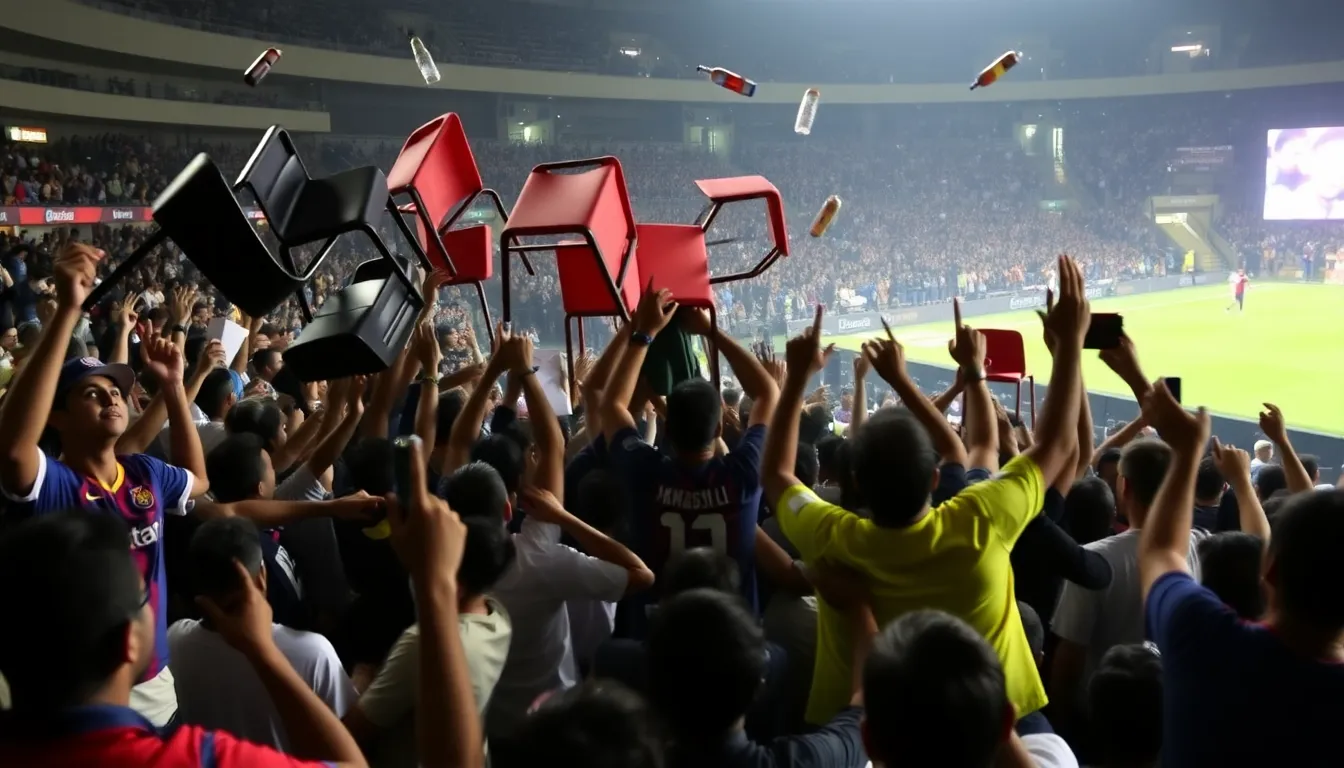
The unrest stemmed from a combination of factors, including long wait times and perceived mismanagement of the event. Many fans reported feeling neglected, as they were unable to get close to Messi despite the high expectations set for the appearance. This frustration boiled over, resulting in a scene that attracted significant media attention.
This incident highlights ongoing challenges in managing large-scale events featuring global celebrities, such as the recent F1 event on Oxford Street.
This incident not only reflects the passion of soccer fans in India but also underscores the pressures associated with hosting high-profile events. As the dust settles, organizers will likely face scrutiny regarding their planning and execution strategies to prevent similar occurrences in the future.
Understanding the background of Messi’s visit to India
Lionel Messi, one of the most celebrated footballers in history, has a massive fan base that transcends borders. His visit to India was highly anticipated, reflecting the growing popularity of football in a country traditionally dominated by cricket. However, this event also highlighted the underlying tensions and frustrations among fans regarding the accessibility of such events and the commercialization of sports.
Messi’s presence was seen as a significant endorsement for Indian football, similar to how the Indian Super League (ISL) has aimed to elevate the sport’s status in the country.
The socio-economic landscape in India plays a crucial role in how events like Messi’s visit are perceived. With a large youth population eager for global icons, the expectations are often inflated. Many fans invest significant resources to attend such events, leading to heightened emotions when things do not go as planned. The incident of angry fans throwing chairs and bottles can be seen as a culmination of disappointment stemming from poor organization and unmet expectations.
Past Events and Precedent Cases
This incident is not isolated; similar occurrences have been noted in past celebrity events in India. For instance, the arrival of international sports figures has sometimes been marred by logistical failures, leading to chaos and frustration among fans. These precedents highlight a recurring issue in managing large-scale events, particularly in a country where the infrastructure and event management practices are still evolving.
As the popularity of football continues to rise in India, it is crucial for organizers to learn from these incidents. Ensuring better crowd management, clear communication, and fulfilling fans’ expectations will be vital to maintaining the positive momentum of football in the country and preventing future outbursts of frustration.
Examining the factors behind fan discontent
The recent incident involving angry fans throwing chairs and bottles at a Messi event in India highlights a complex interplay of various stakeholders and their interests. The primary actors in this scenario include the fans, the event organizers, local authorities, and Lionel Messi himself. Each of these groups has distinct motivations that contribute to the rising tensions.
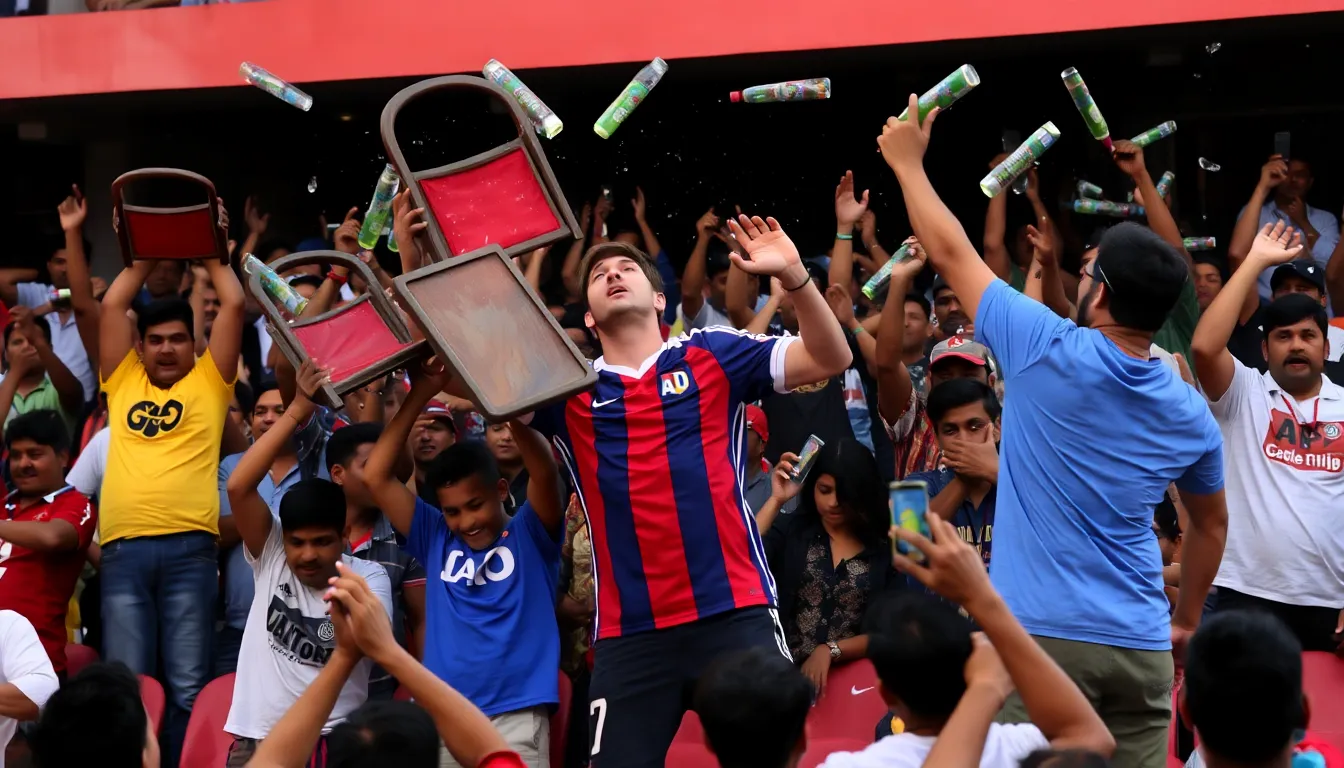
Fans are often driven by their passion for the sport and their admiration for figures like Messi. However, when expectations are not metwhether due to poor organization, high ticket prices, or inadequate access to the eventdiscontent can quickly escalate. The emotional investment of fans in such events can lead to frustration and, in extreme cases, violent outbursts.
The challenge of balancing profitability with fan satisfaction is also evident in other sectors, as seen in the recent developments in the WEC.
Local authorities play a crucial role in maintaining public order during such events. Their interests lie in ensuring the safety of attendees and minimizing disruptions. However, if they are perceived as ineffective in managing the situation, it can exacerbate tensions between fans and organizers. The legal implications of crowd control and public safety also come into play, as authorities must navigate regulations while responding to the immediate needs of the crowd.
- High expectations: Fans often have unrealistic expectations about the event experience.
- Organizational issues: Poor planning can lead to dissatisfaction among attendees.
- Safety concerns: Local authorities must balance crowd control with public safety.
- Economic pressures: Rising ticket prices can alienate fans and fuel resentment.
- Media influence: Coverage of the event can shape public perception and fan reactions.
Consequences for Messi and future events in India
The recent incident where angry fans threw chairs and bottles at Lionel Messi during an event in India has far-reaching consequences for various stakeholders. The immediate groups affected include the fans who attended the event, local businesses, and the organizers of the event. Additionally, this incident could impact the perception of international sports figures visiting India in the future.
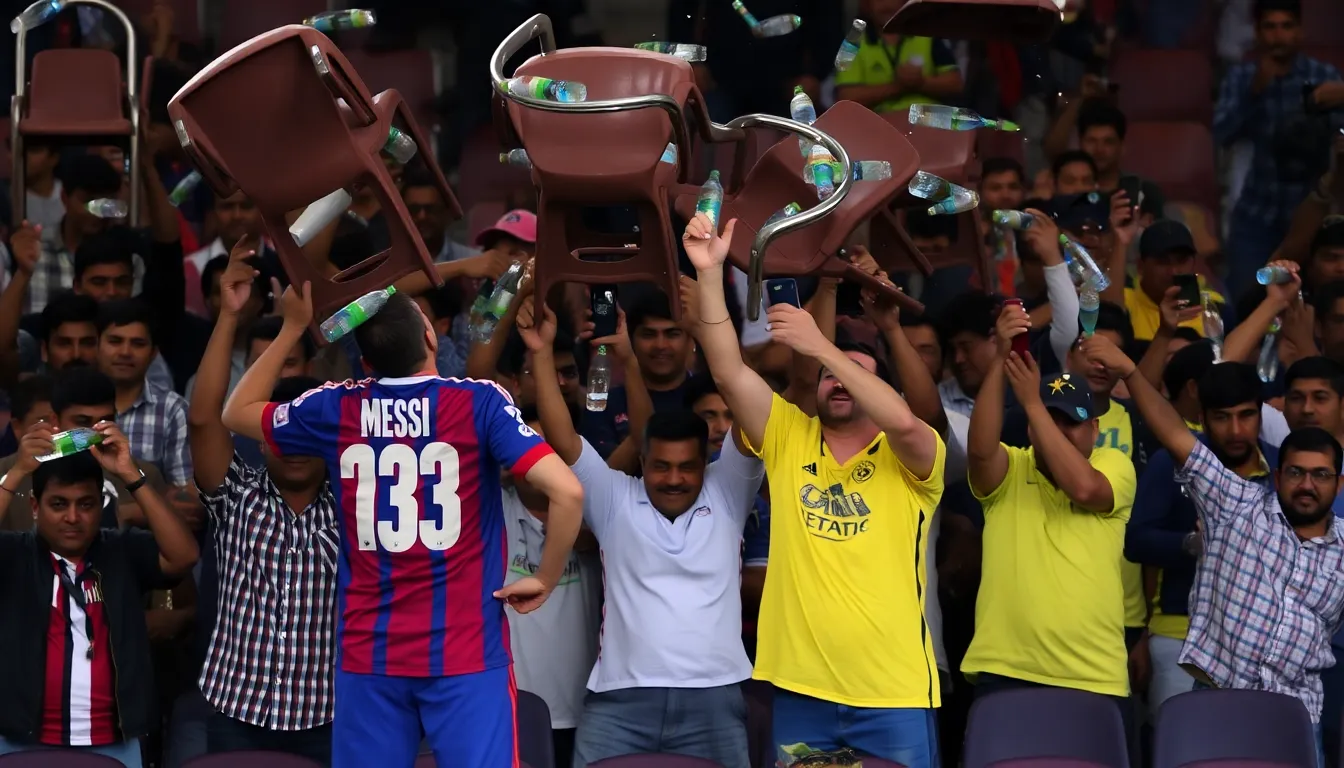
In the short term, the chaos at the event may lead to heightened security measures at future sports and entertainment gatherings. Fans may experience increased scrutiny and restrictions, which could dampen the overall enjoyment of such events. Local businesses that rely on foot traffic from these events may also suffer from a decline in attendance, impacting their sales and revenue.
In the mid-term, the incident could influence policy changes regarding crowd management and event organization in India. Authorities may implement stricter regulations on crowd control, which could lead to higher operational costs for event organizers. However, this situation also presents an opportunity for companies specializing in crowd management and security to expand their services in India.
- Increased security measures at events.
- Potential decline in attendance at future events.
- Changes in crowd management policies.
- Opportunities for security and management firms.
Moreover, the incident may affect Messi’s brand image in India, with fans potentially feeling disillusioned. However, it could also spark discussions on fan engagement and the need for better communication between celebrities and their audiences, paving the way for more meaningful interactions in the future.
A: The frustration stemmed from a lack of organization at the event, leading to long wait times and disappointment among attendees. A: Yes, several attendees sustained minor injuries due to the chaos, although no serious injuries were reported. A: Messi expressed his disappointment regarding the incident and emphasized the importance of fan safety at events. A: Organizers are reviewing security protocols and crowd management strategies to prevent similar incidents in the future. A: While there are no confirmed plans for his return, Messi’s team is considering the implications of this event for future visits.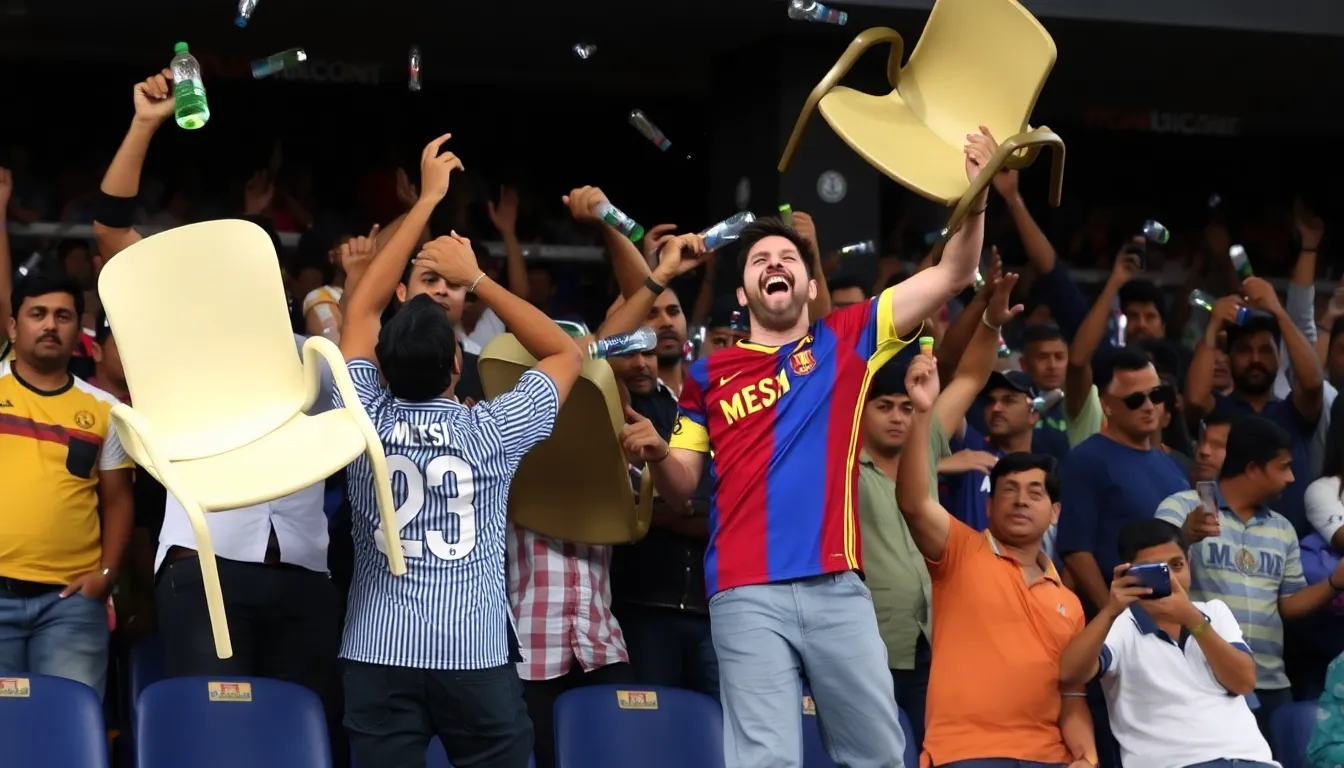
Frequently asked questions about the incident
Key takeaways and future outlook on fan events
The recent incident involving angry fans throwing chairs and bottles at a Messi event in India highlights the growing tensions that can arise during high-profile sporting appearances. Such events are not just about the athletes; they reflect the cultural and emotional investments of fans, which can lead to volatile situations if expectations are not met. Understanding these dynamics is crucial for organizers and stakeholders in the sports industry.
Moving forward, it is essential for event organizers to anticipate potential issues and implement strategies to manage fan engagement more effectively. This includes enhancing communication, ensuring security measures are in place, and fostering a positive atmosphere that aligns with fan expectations. The incident serves as a reminder of the importance of addressing the emotional landscape of sports fandom.
- Organizers should invest in better crowd management strategies to prevent similar incidents.
- Engagement with fans before and during events can help mitigate frustrations and enhance the overall experience.
- Monitoring social media sentiment can provide insights into fan expectations and potential issues.
- Collaboration with local authorities may be necessary to ensure safety and security during large gatherings.
- Future events may benefit from a more structured approach to addressing fan grievances and enhancing communication.