


Vanwall has revealed plans to incorporate advanced technology and performance upgrades into their hypercar design, which could redefine their competitive edge in motorsport.
Vanwall is set to unveil its upgraded hypercar during the pre-season tests, a crucial event that parallels the excitement of other automotive showcases.
This comeback not only aims to revive Vanwall’s legacy but also highlights the increasing significance of hypercars in the endurance racing arena. With major manufacturers and private teams investing heavily in this segment, Vanwall’s return could bring fresh excitement to the WEC, drawing attention from fans and sponsors alike. The implications of their comeback extend beyond the track, potentially influencing future regulations and technological advancements in endurance racing.
Understanding the history of Vanwall in motorsport
Vanwall, a name synonymous with innovation and competition in motorsport, first emerged in the 1950s as a formidable force in Formula One. Founded by Tony Vandervell, the team made its debut in 1954 and quickly gained recognition for its engineering prowess and commitment to performance. The Vanwall cars were notable for their advanced technology, including the use of lightweight materials and innovative aerodynamics, which set new standards in racing.
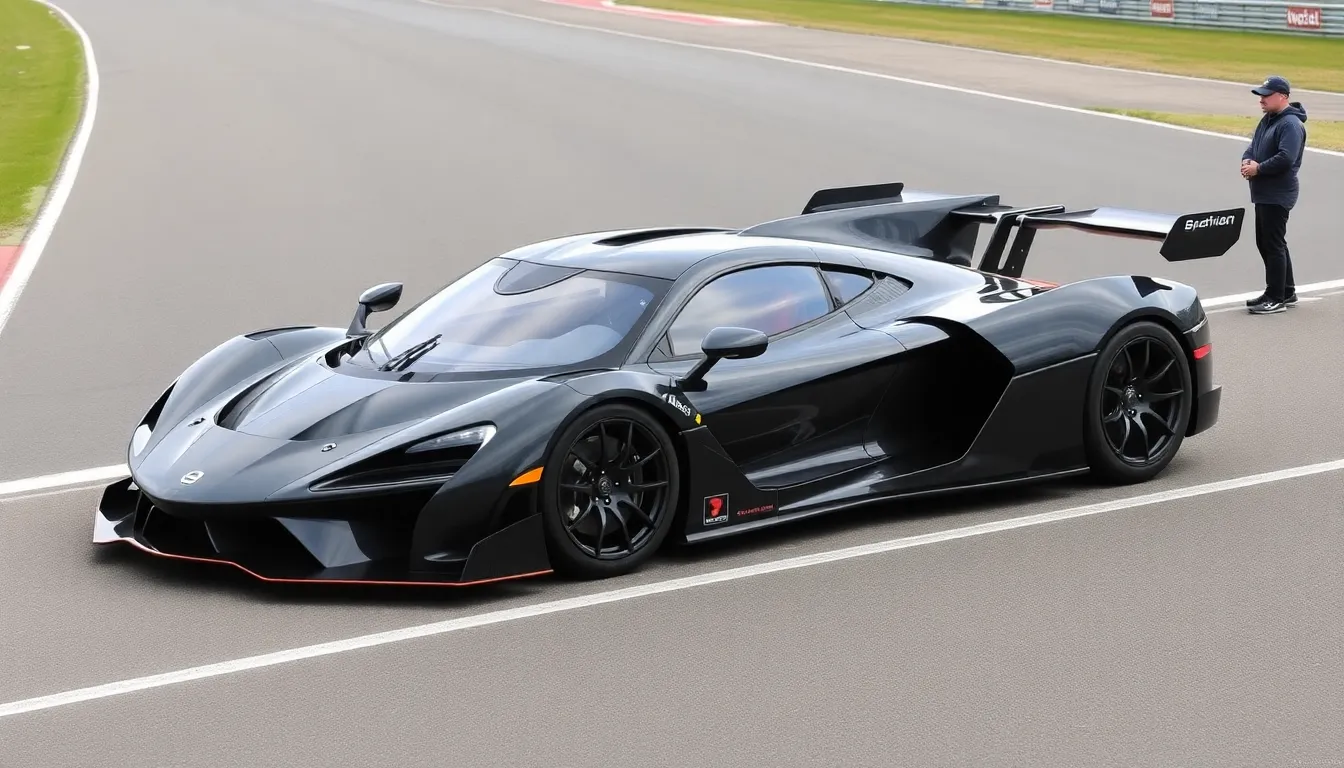
This victory not only solidified Vanwall’s legacy in Formula One but also highlighted the significance of teamwork and engineering excellence, much like the current competitive dynamics seen in the WEC.
In the decades that followed, Vanwall’s presence in motorsport diminished, but the brand remained a symbol of racing heritage. The resurgence of interest in endurance racing and the World Endurance Championship (WEC) has reignited discussions about the potential revival of the Vanwall name. With the rise of hypercars and the increasing emphasis on sustainability in motorsport, the timing appears ripe for Vanwall to re-enter the competitive landscape.
The Evolution of Hypercars in Endurance Racing
The introduction of hypercars in the WEC has transformed the endurance racing scene, blending cutting-edge technology with high-performance vehicles. This category allows manufacturers to showcase their engineering capabilities while adhering to sustainability goals. As Vanwall plots its comeback with an upgraded hypercar, it seeks to leverage its historical legacy while embracing modern advancements, positioning itself as a serious contender in a rapidly evolving market.
Key stakeholders and challenges in the hypercar market
The hypercar market is a complex ecosystem involving various stakeholders, each with distinct interests and objectives. Key players include automotive manufacturers, racing teams, regulatory bodies, and consumers. In the context of Vanwall’s potential return to the World Endurance Championship (WEC) with an upgraded hypercar, understanding these stakeholders is crucial for assessing the broader implications of this move.
Automotive manufacturers like Vanwall are primarily motivated by the desire to enhance brand prestige and showcase technological advancements. Competing in high-profile events like the WEC allows them to demonstrate their engineering capabilities and attract a niche market of affluent consumers. Additionally, these manufacturers often seek to leverage racing success to boost sales of their road-going hypercars, creating a symbiotic relationship between motorsport and commercial interests.
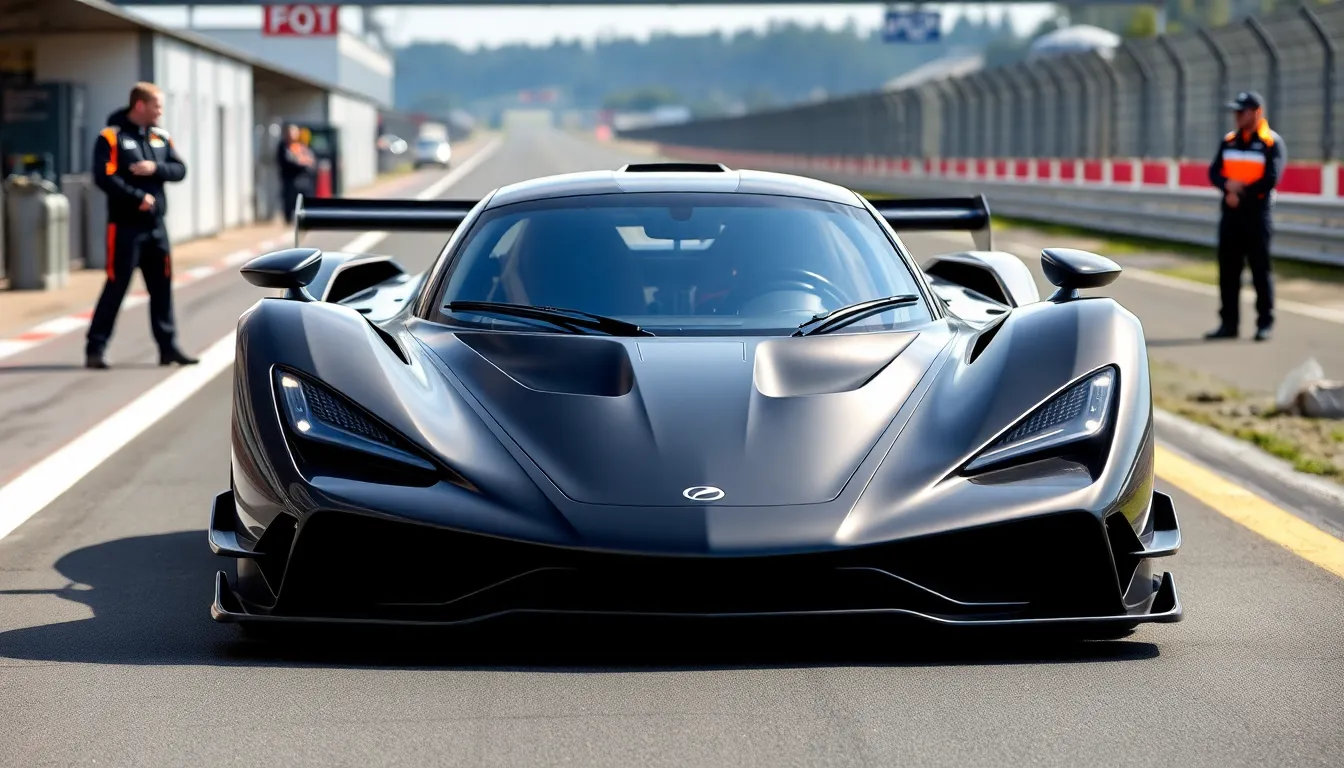
Racing teams and drivers are also significant stakeholders, as their performance on the track directly influences the success of the manufacturers they represent. The interests of these teams often align with securing sponsorships and maintaining competitive advantage. However, the introduction of new regulations or changes in race formats can create conflicts, particularly if they favor certain manufacturers over others, potentially leading to disputes within the racing community.
Regulatory bodies, such as the FIA, play a critical role in shaping the competitive landscape. They establish rules that govern technical specifications, safety standards, and environmental regulations. As manufacturers like Vanwall develop upgraded hypercars, they must navigate these regulations carefully to ensure compliance while still pushing the boundaries of performance. This can lead to trade-offs between innovation and adherence to established guidelines.
- Technological advancements: The push for innovation may lead to conflicts over intellectual property and proprietary technologies.
- Market competition: The return of Vanwall could intensify competition among existing hypercar manufacturers, altering market dynamics.
- Regulatory compliance: Navigating the complex landscape of racing regulations can pose significant challenges for manufacturers.
- Consumer interests: As hypercars become more environmentally conscious, manufacturers must balance performance with sustainability.
- Financial implications: The costs associated with developing and racing a hypercar can be substantial, impacting profitability and investment decisions.
Potential impact on the racing community and market dynamics
The re-entry of Vanwall into the World Endurance Championship (WEC) with an upgraded hypercar is set to resonate across various sectors within the automotive and motorsport industries. Key stakeholders, including car manufacturers, sponsors, and racing teams, will closely monitor the developments, as they could influence their strategic decisions and investments in the racing domain.
In the short term, the return of Vanwall may invigorate the racing community by attracting increased viewership and fan engagement. This resurgence could lead to a spike in ticket sales, merchandise, and sponsorship deals, benefiting local economies around race venues. Additionally, the heightened competition may encourage innovation among rival teams, pushing advancements in technology and performance.
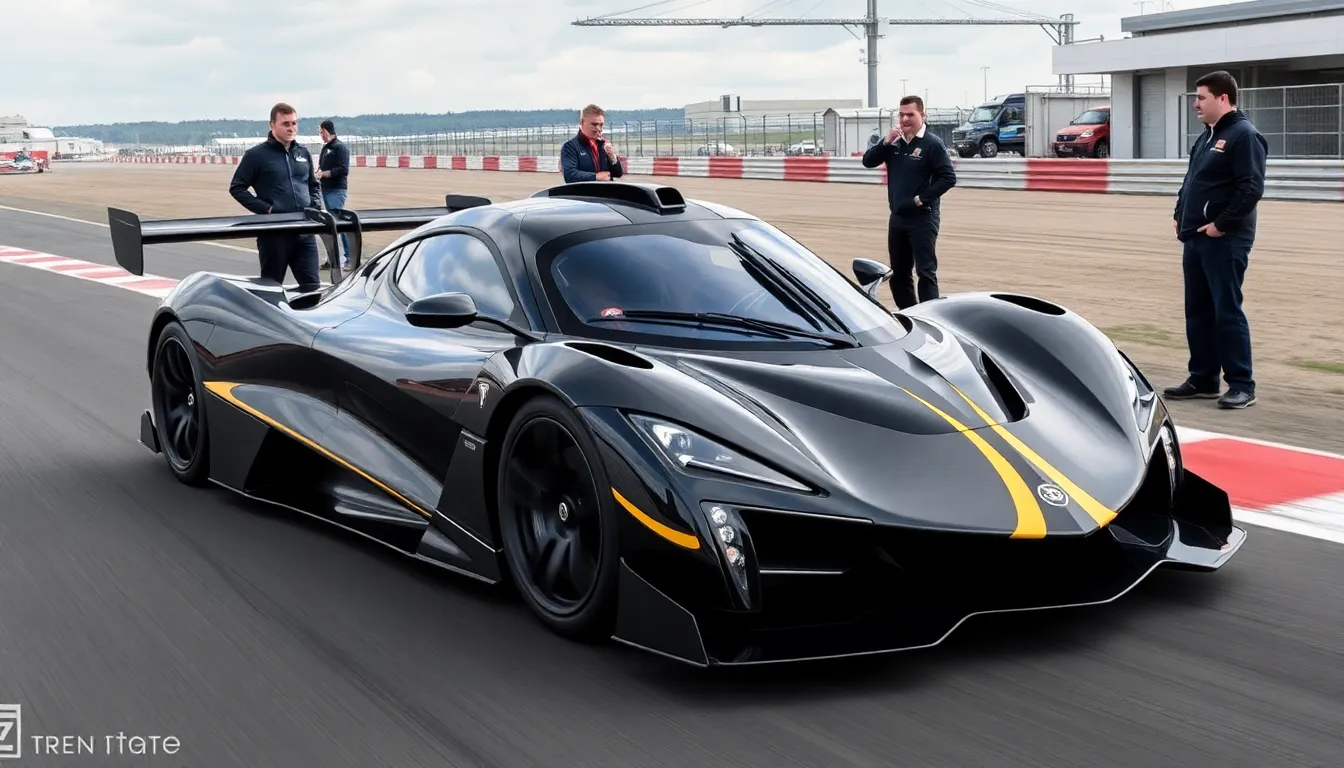
Mid-term effects may extend to the automotive market as well, with Vanwall’s upgraded hypercar serving as a showcase for cutting-edge engineering and design. This could inspire other manufacturers to invest in similar technologies, potentially reshaping market trends towards high-performance, sustainable vehicles. Businesses focused on automotive parts and technology may find new opportunities for collaboration and growth.
- Increased fan engagement: More spectators and participation in events.
- Economic boost: Local businesses near race events may see higher revenues.
- Innovation drive: Competitors may accelerate technological advancements.
- Market influence: Potential shifts in consumer preferences towards performance vehicles.
However, the return of Vanwall also carries risks. If the hypercar fails to perform or meet expectations, it could damage the brand’s reputation and deter potential investors. Furthermore, the competitive landscape may lead to increased financial pressures on smaller teams, which could struggle to keep pace with larger, more resourceful competitors. Balancing these risks with the opportunities will be crucial for all parties involved in the WEC ecosystem.
A: The upgraded hypercar features advanced technology and design aimed at enhancing performance in the World Endurance Championship. A: Vanwall is targeting the next racing season for their return, although specific dates have yet to be confirmed. A: Vanwall faces challenges such as competition from established teams and the need for significant investment in technology and development. A: Vanwall’s return could intensify competition in the hypercar market, potentially leading to innovations and advancements in racing technology. A: Key players include engineers, designers, and former racing champions who are contributing their expertise to the hypercar’s development.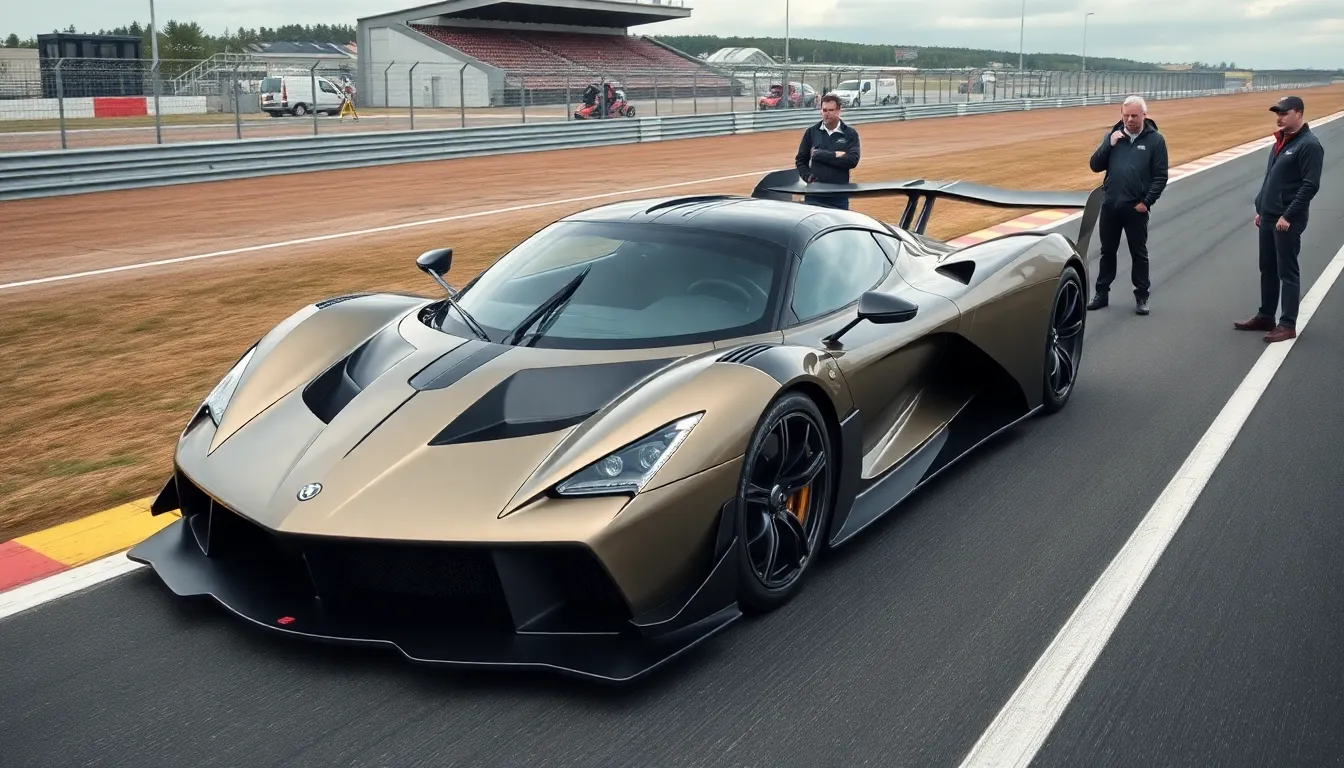
Frequently asked questions about Vanwall’s hypercar
Looking ahead: Vanwall’s future in the WEC
As Vanwall prepares for its return to the World Endurance Championship (WEC) with an upgraded hypercar, the implications for the team and the wider racing community are significant. The introduction of advanced technology and a renewed focus on performance could position Vanwall as a formidable competitor in the hypercar category. Observers will be keen to see how the team leverages its heritage while integrating modern engineering solutions to meet the challenges of contemporary endurance racing.
The upcoming season will serve as a critical testing ground for Vanwall, not only to gauge its competitiveness against established teams but also to assess the impact of its strategic decisions on brand visibility and market engagement. The team’s performance could influence partnerships and sponsorship opportunities, shaping its long-term sustainability in the sport.
- Watch for the performance metrics of the upgraded hypercar during initial races, which will provide insights into its competitiveness.
- Monitor fan and sponsor engagement as Vanwall’s return could redefine its brand presence in motorsport.
- Consider the technological innovations introduced by Vanwall and their potential influence on future hypercar designs across the WEC.
- Keep an eye on the team’s strategic partnerships, which could enhance its performance and market position in the coming seasons.
- Evaluate the impact of Vanwall’s comeback on the overall dynamics of the WEC, particularly in terms of competition and team collaboration.