


As the 50th anniversary of the match approaches, the relevance of its themes remains strong. The ongoing discourse around pay equity, representation in sports, and women’s rights reflects the same societal issues that King confronted decades ago. Current athletes and activists often cite King’s match as a catalyst for their own efforts towards achieving gender parity, much like discussions surrounding current events in women’s sports.
In recent years, initiatives aimed at promoting women’s sports have gained momentum, with organizations advocating for equal pay and opportunities. Events like the U.S. Open have seen increased attention to women’s matches, highlighting the progress made since King’s historic win. However, disparities still exist, prompting ongoing discussions about the need for systemic change in sports and beyond.
Billie Jean King’s legacy continues to influence not only the world of tennis but also the broader landscape of social justice. Her role as an advocate for equality has inspired numerous campaigns and movements aimed at empowering women. As society reflects on the impact of that iconic match, it serves as a reminder of the importance of perseverance in the fight for equality.
Understanding the social climate of the early 1970s
The early 1970s were a pivotal time in American history, marked by significant social upheaval and change. The feminist movement was gaining momentum, advocating for women’s rights and challenging the traditional roles assigned to women in society. This period saw the rise of activism focused on gender equality, as women sought to break free from the constraints of a male-dominated society.

In 1972, the passage of Title IX was a landmark moment for women’s rights, prohibiting gender discrimination in federally funded education programs and activities. This legislation played a crucial role in increasing female participation in sports, providing women with more opportunities to compete at various levels, including college and professional athletics. The cultural landscape was shifting, with women increasingly asserting their presence and demanding equal treatment.
The significance of sports in the feminist movement
Sports became a battleground for the fight for gender equality, with events like the 1973 Battle of the Sexes symbolizing the broader struggle for women’s rights. The match between Billie Jean King and Bobby Riggs transcended tennis, capturing national attention and sparking conversations about women’s capabilities and rights in all areas of life. King’s victory was not just a personal triumph; it represented a significant moment in the fight for social change, illustrating the power of sports as a platform for activism, especially in the context of broader social movements.
The economic landscape of the time also played a role in shaping the social climate. As more women entered the workforce, they began to challenge the notion that their primary role should be as homemakers. This shift contributed to a growing awareness of economic disparities and the need for equal pay, further fueling the feminist movement. The combination of social, political, and economic factors set the stage for events like the Battle of the Sexes to resonate deeply within the context of the ongoing struggle for equality.
Key stakeholders and issues surrounding the event
The 1973 Battle of the Sexes was a pivotal moment in sports and gender equality, featuring key figures such as Billie Jean King and Bobby Riggs. King, a leading advocate for women’s rights in sports, sought to demonstrate the capabilities of female athletes and challenge societal norms. Riggs, a former tennis champion, capitalized on the prevailing gender stereotypes, positioning himself as a champion of male superiority in sports.
Organizations like the United States Tennis Association (USTA) and the Women’s Tennis Association (WTA) played significant roles in the context of this event. The USTA was primarily focused on maintaining the status quo within the sport, while the WTA was advocating for equal pay and recognition for female athletes. This clash of interests highlighted the broader societal debate over gender equality in sports and beyond, paralleling the themes discussed in the article about inventions shaping society.

Several key issues emerged during this time, including:
- Gender Equality: The battle was emblematic of the struggle for equal rights, particularly in professional sports.
- Media Representation: The event garnered significant media attention, influencing public perception of women’s sports.
- Economic Implications: The outcome of the match had potential ramifications for sponsorship and funding in women’s sports.
Moreover, the event sparked discussions about the legal framework surrounding gender discrimination in sports. The ongoing fight for Title IX legislation, which aimed to prevent gender discrimination in educational programs, was gaining momentum. The match served as a cultural touchstone that underscored the necessity for legal reforms to ensure equal opportunities for women in athletics.
Ultimately, the Battle of the Sexes transcended sports; it became a symbol of the broader social changes occurring in the 1970s. The conflicts and trade-offs between traditional gender roles and emerging feminist ideals were brought to the forefront, making the event a critical moment in the ongoing struggle for equality.
How the match influenced gender equality in sports
The 1973 Battle of the Sexes, where Billie Jean King faced Bobby Riggs, had profound implications for various groups, particularly women athletes, sports organizations, and the broader society. Women athletes began to see increased recognition and support, while sports organizations were compelled to address gender disparities in funding and opportunities. This match became a catalyst for change, resonating beyond tennis and affecting multiple sports disciplines.
In the short term, the match sparked a surge in interest in women’s sports, leading to increased participation rates among girls and women. Schools and colleges began to invest more in women’s athletic programs, recognizing the potential for growth and talent development. Additionally, media coverage of women’s sports expanded, providing female athletes with a platform to showcase their skills and achievements.

In the mid-term, the impact on policy became evident as Title IX legislation gained traction. This law mandated equal funding and opportunities for women in educational institutions, fundamentally altering the landscape of college athletics. As a result, more women pursued careers in sports, both as athletes and in administrative roles, leading to a more inclusive environment within sports organizations.
- Increased participation: More women and girls engaging in sports.
- Policy changes: Implementation of Title IX and similar initiatives promoting gender equality.
- Media representation: Greater visibility for women athletes in sports media.
- Business opportunities: Growth in sponsorships and endorsements for female athletes.
However, the journey toward equality was not without risks. Resistance from traditionalists within the sports community occasionally manifested, leading to pushback against changes. Additionally, disparities in pay and resources persist, highlighting the ongoing challenge of achieving true equality in sports. Nonetheless, the Battle of the Sexes opened doors for future generations, creating opportunities for women to excel in various athletic fields and beyond.
A: The Battle of the Sexes was a famous tennis match in 1973 between Billie Jean King and Bobby Riggs, symbolizing the fight for gender equality in sports. A: Billie Jean King was a pioneering athlete who advocated for women’s rights and equal pay in sports, making her a central figure in the Battle of the Sexes. A: King won the match, which not only boosted women’s sports visibility but also inspired a broader movement for gender equality. A: The media coverage of the match was extensive, portraying it as a cultural clash and significantly contributing to the public’s interest in women’s sports. A: The match inspired future generations of female athletes to pursue their dreams and advocate for equal rights in sports and beyond.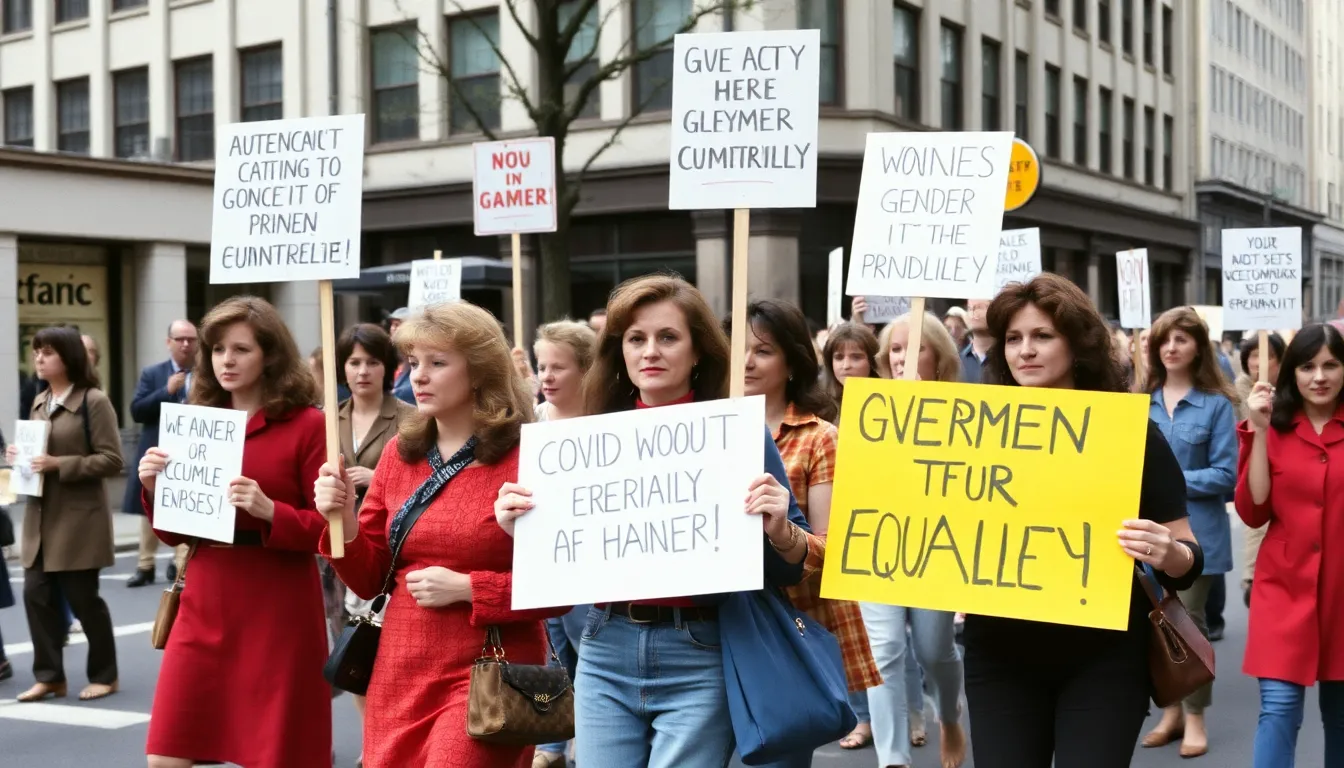
Frequently asked questions about the Battle of the Sexes
Reflections on the legacy of the Battle of the Sexes
The 1973 Battle of the Sexes transcended sports, becoming a pivotal moment in the fight for gender equality. Billie Jean King’s victory not only challenged the prevailing norms of her time but also catalyzed a broader social movement advocating for women’s rights. This event serves as a reminder of the ongoing struggle for equality and the power of sports as a platform for social change.
As we reflect on this historic match, it is essential to recognize its implications for contemporary society. The lessons learned from King’s efforts continue to resonate, emphasizing the importance of perseverance and the impact of visibility in advocating for change. The legacy of the Battle of the Sexes continues to inspire future generations to challenge inequities across various domains.
- Advocacy through visibility: The match highlighted the importance of visibility in advocating for gender equality, encouraging future athletes to use their platforms for social change.
- Continued relevance: The themes of the Battle of the Sexes remain pertinent today, as discussions around gender equity continue in sports and beyond.
- Role of sports in social movements: The event serves as a powerful example of how sports can drive social change, suggesting that athletes can be influential advocates for various causes.
- Encouragement of dialogue: The battle sparked conversations about gender roles, encouraging ongoing dialogue about equality in all aspects of life.