


Sabalenka, currently ranked among the top female tennis players, emphasized that the event should not be seen as a threat to women’s sports. She argues that it can serve as a platform to highlight female athletes’ skills and achievements, rather than undermining their efforts. This perspective is crucial as discussions about gender equality in sports continue to evolve, especially in light of recent events like Lewis Hamilton encouraging Serena Williams to make a tennis comeback.
Critics of the event worry that it could detract from the visibility and recognition of women’s sports. However, supporters believe that increased media attention from such high-profile matches can ultimately benefit all athletes, regardless of gender. The ongoing dialogue reflects broader societal views on gender roles and equality in competitive sports.
As the date approaches, the conversation around the ‘Battle of the Sexes’ will likely intensify, drawing in various stakeholders, including athletes, sponsors, and fans. With differing opinions on its implications, this event is poised to become a pivotal moment in the discussion of gender dynamics in sports.
Background on the Battle of the Sexes and its significance
The “Battle of the Sexes” refers to a series of events and discussions surrounding gender equality in sports, particularly in tennis, where female athletes have historically fought for recognition, equal pay, and opportunities. This term gained prominence after the 1973 match between Billie Jean King and Bobby Riggs, which symbolized the struggle for women’s rights in athletics and society at large. King’s victory not only elevated women’s tennis but also sparked broader conversations about gender equity in sports.
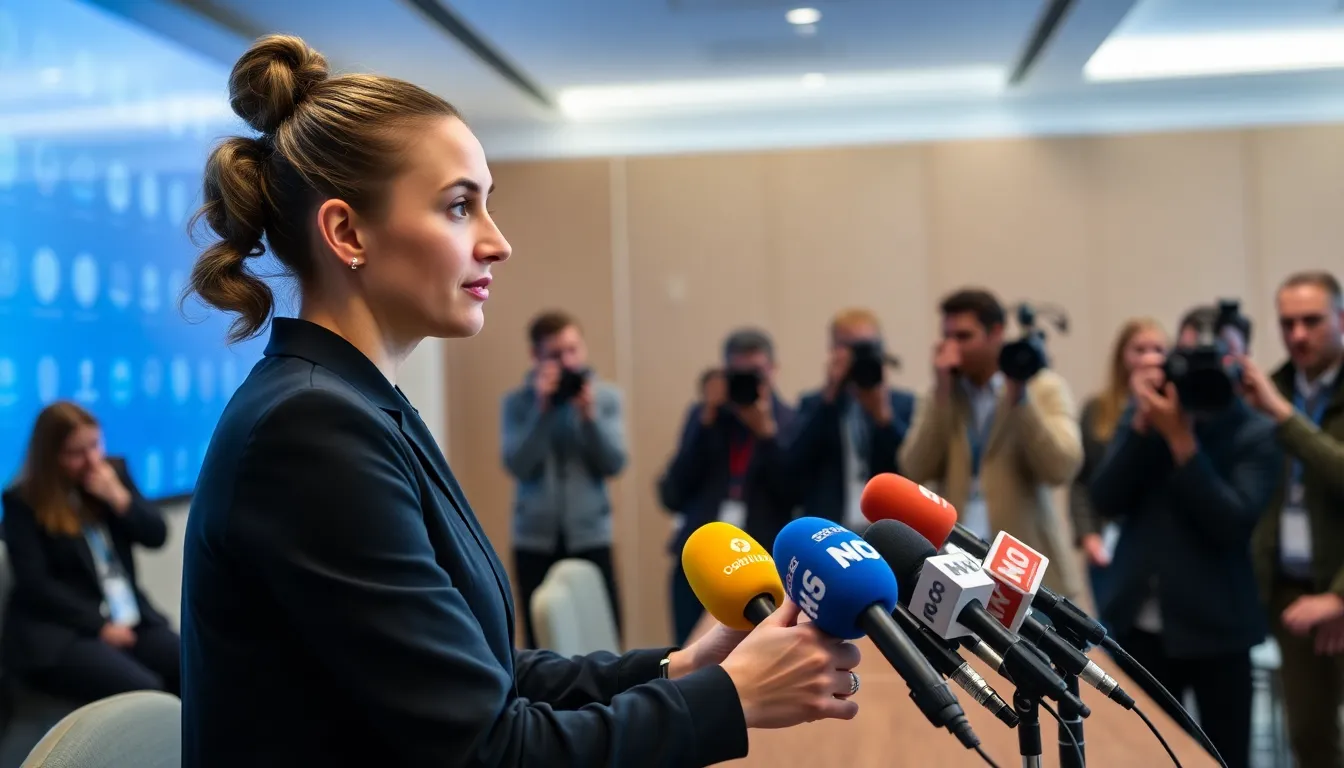
Throughout the years, women’s sports have faced significant challenges, including inadequate funding, media coverage, and societal attitudes that often undervalue female athletes. Despite these obstacles, key milestones have shaped the landscape of women’s sports, such as the passing of Title IX in the United States in 1972, which prohibited sex-based discrimination in federally funded education programs, including athletics. This legislative change opened doors for countless female athletes and led to a surge in participation and visibility, similar to the ongoing efforts seen in the Africa Cup of Nations facing challenges in a competitive sports landscape.
In recent years, discussions about gender equality in sports have intensified, with high-profile athletes like Aryna Sabalenka weighing in on the implications of the “Battle of the Sexes.” Sabalenka’s assertion that the ongoing discourse will not damage women’s sports highlights a growing confidence among female athletes. They believe that the increased visibility and discussions surrounding gender issues can ultimately lead to greater support and investment in women’s sports rather than detracting from their achievements, as evidenced by the way women’s tennis has evolved.
Key Milestones in Women’s Sports
Several significant events have marked the evolution of women’s sports, including the introduction of professional leagues for women in various sports, the rise of female athletes as global icons, and the increasing media coverage of women’s events. These milestones have contributed to a more equitable sporting environment, allowing female athletes to compete on a level playing field and gain recognition for their accomplishments. The ongoing dialogue surrounding the “Battle of the Sexes” serves as a reminder of the progress made and the work still needed to achieve true equality in sports.
Key stakeholders and their perspectives on the event
The ongoing discussions surrounding the “Battle of the Sexes” event, particularly in the context of Aryna Sabalenka’s comments on women’s sports, involve a diverse array of stakeholders. Each group has its own interests and concerns that shape the narrative and implications of the event.
First and foremost, the athletes themselves, including Sabalenka, are central figures in this discourse. Their primary interest lies in the promotion and visibility of women’s sports. They seek to ensure that women’s achievements are recognized and respected on par with their male counterparts. However, they also face the challenge of navigating public perception and media portrayal, which can sometimes overshadow their accomplishments.
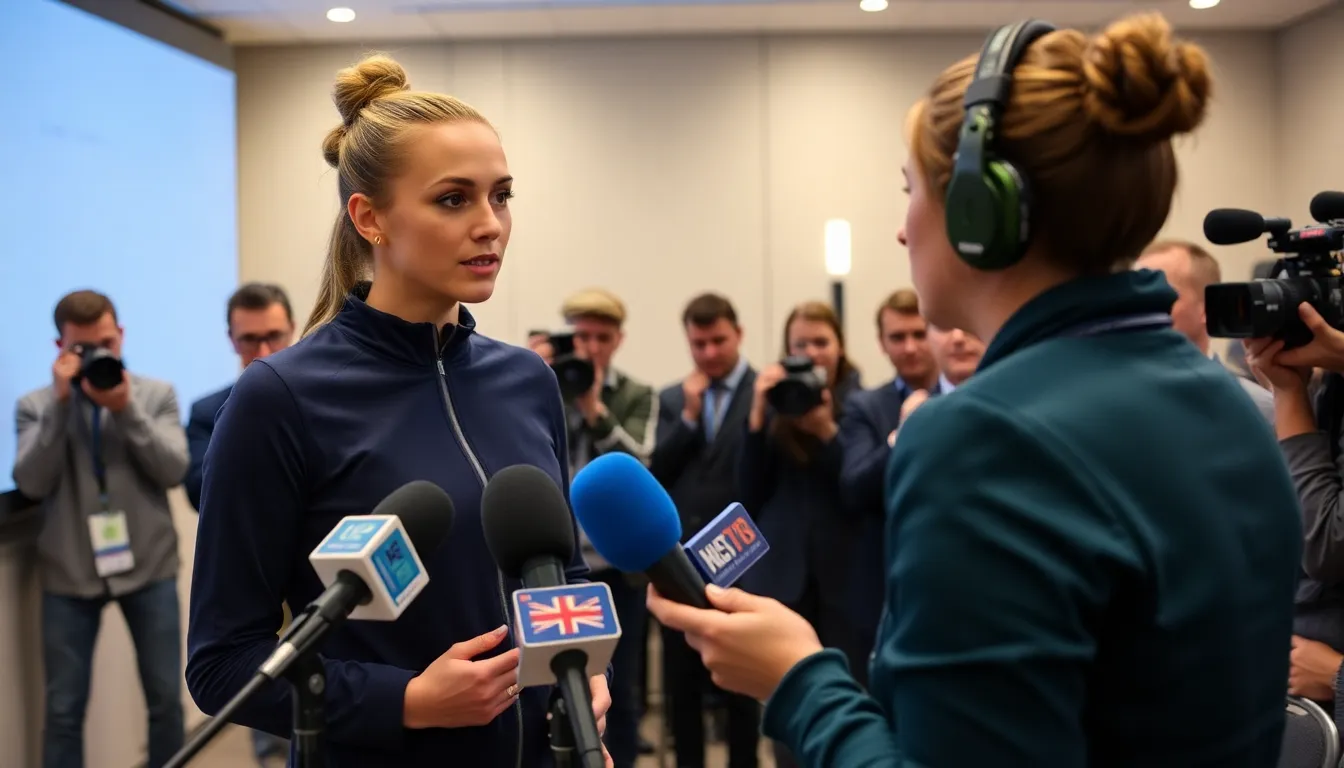
Sports organizations, such as the Women’s Tennis Association (WTA) and other governing bodies, play a crucial role in this landscape. Their interests include maintaining the integrity of the sport, promoting gender equality, and ensuring fair competition. The WTA’s stance on issues like pay equity and sponsorship opportunities for female athletes remains a significant point of contention, particularly in light of events that may challenge these principles.
Additionally, fans and the general public are key stakeholders, as their engagement and support can influence the success of women’s sports. Their interests often align with the desire for competitive fairness and entertainment value. However, differing opinions on gender issues can lead to polarized views, impacting how events are received and celebrated.
- Potential conflicts between traditional views of gender roles and the evolving landscape of women’s sports.
- Economic implications for sponsors and advertisers based on the public’s response to events like the “Battle of the Sexes.”
- The legal framework surrounding gender equality in sports and how it affects competition and opportunities for female athletes.
- Trade-offs between promoting sensational events and ensuring the long-term growth and respect for women’s sports.
Potential effects on women’s sports and athlete perceptions
The recent comments by Aryna Sabalenka regarding the “Battle of the Sexes” have sparked significant discussions about the implications for women’s sports. Various groups, including female athletes, sports organizations, and fans, are directly affected by these developments. The conversation surrounding gender equality in sports continues to evolve, influencing policies and perceptions in the industry.
In the short term, there may be a heightened awareness and visibility of women’s sports as discussions around gender equity gain traction. This could lead to increased media coverage and sponsorship opportunities for female athletes and teams. Sports organizations might also feel pressured to implement more equitable policies, promoting inclusivity and fairness in competition.
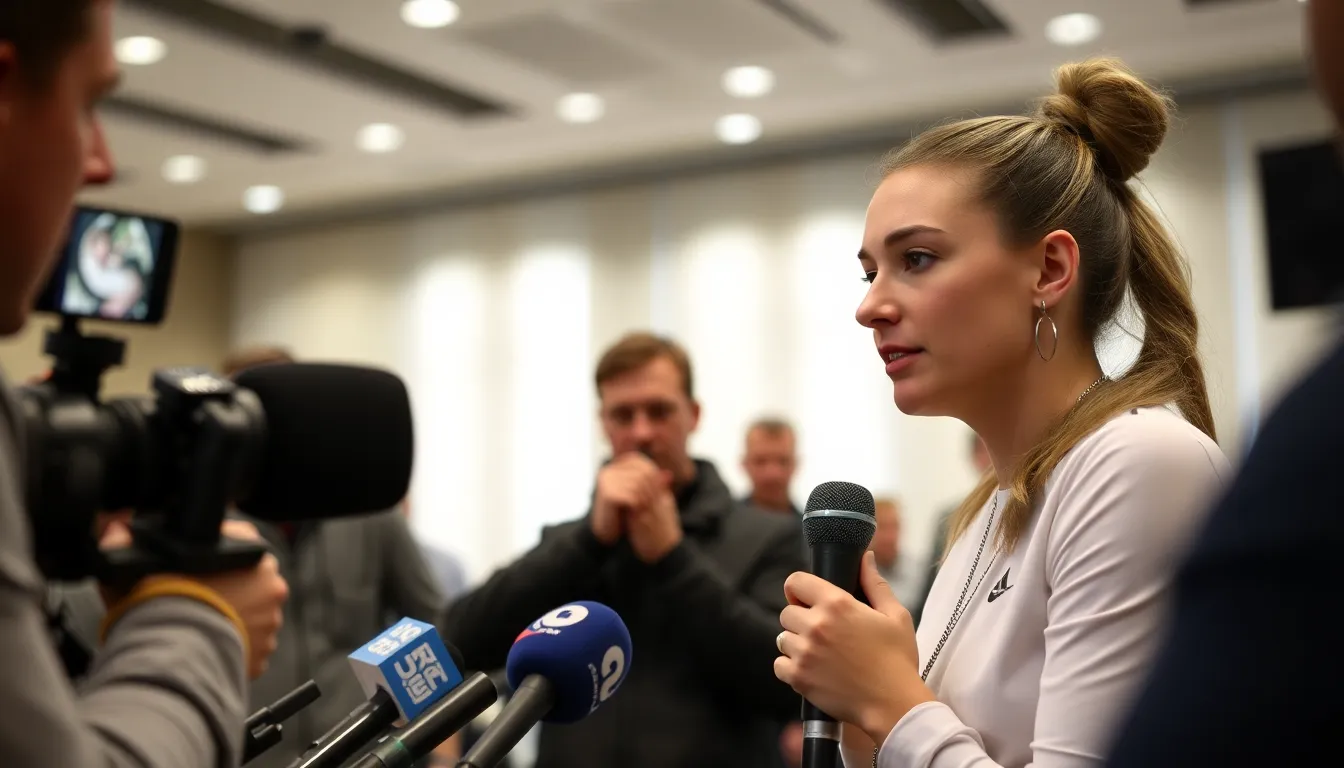
Mid-term effects could include a shift in how female athletes are perceived by the public and within the sports community. As more conversations arise around the importance of women in sports, there is an opportunity for brands to align themselves with these values, potentially leading to new partnerships and endorsements. This could foster a more supportive environment for female athletes, encouraging greater participation and investment in women’s sports.
- Increased media coverage: More focus on women’s sports could lead to greater visibility.
- Enhanced sponsorship opportunities: Brands may seek to invest in women’s sports as interest grows.
- Policy changes: Sports organizations may adopt more equitable practices.
- Shift in public perception: Greater recognition of female athletes’ achievements could enhance their status.
However, there are risks associated with these developments. If the conversation around gender equality is not handled sensitively, it could lead to backlash or division within the sports community. Additionally, if sponsorship and media attention do not translate into tangible support for women’s sports, it might result in disillusionment among athletes and fans alike.
Overall, while there are challenges to navigate, the potential for positive change in women’s sports is significant. The ongoing dialogue prompted by Sabalenka’s comments could serve as a catalyst for growth and improvement in the industry, benefiting athletes and fans in the long run.
A: The Battle of the Sexes was a famous tennis match in 1973 between Billie Jean King and Bobby Riggs, aimed at promoting gender equality in sports. A: Aryna Sabalenka believes that the Battle of the Sexes positively showcases women’s sports and does not undermine its integrity. A: Some critics argue that such events could trivialize women’s sports, but supporters, including Sabalenka, argue it highlights their importance. A: The long-term implications include increased visibility and support for women’s sports, fostering greater opportunities for female athletes. A: Fans can support women’s sports by attending events, following female athletes on social media, and advocating for equal coverage in sports media.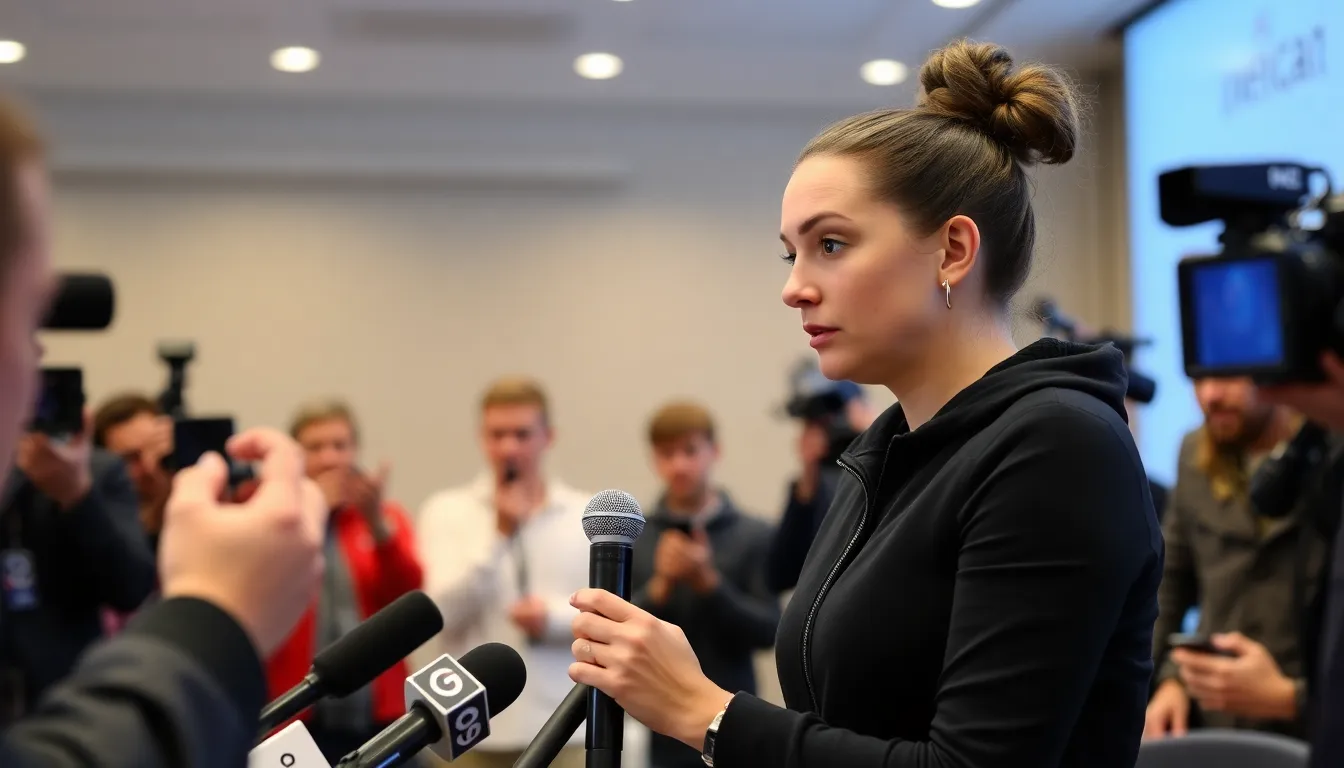
Frequently asked questions about the Battle of the Sexes
Looking ahead: insights on women’s sports and future events
The discourse surrounding the ‘Battle of the Sexes’ has sparked renewed interest in women’s sports, particularly in the context of how these narratives shape public perception and support. Aryna Sabalenka’s recent comments highlight a pivotal moment where the focus can shift towards the achievements and potential of female athletes, rather than comparisons with their male counterparts. This evolution in dialogue is essential for fostering an environment where women’s sports are appreciated on their own merits.
As the landscape of women’s sports continues to evolve, it is crucial to monitor how media coverage, sponsorship opportunities, and fan engagement develop. The ongoing discussions can lead to increased visibility for women’s sports, paving the way for future investments and support that can further elevate the profile of female athletes.
- Increased Media Attention: Expect a rise in media coverage focused on women’s sports, highlighting their unique narratives and achievements.
- Sponsorship Growth: As interest in women’s sports grows, more brands may seek to invest, leading to enhanced resources and opportunities for female athletes.
- Fan Engagement Strategies: Teams and organizations will likely implement innovative strategies to engage fans, fostering a deeper connection with women’s sports.
- Performance Benchmarks: Watch for the establishment of new performance benchmarks as female athletes continue to break records and redefine the standards in their respective sports.
- Community Support: Increased grassroots support for women’s sports may emerge, encouraging local initiatives and youth participation in various athletic programs.