


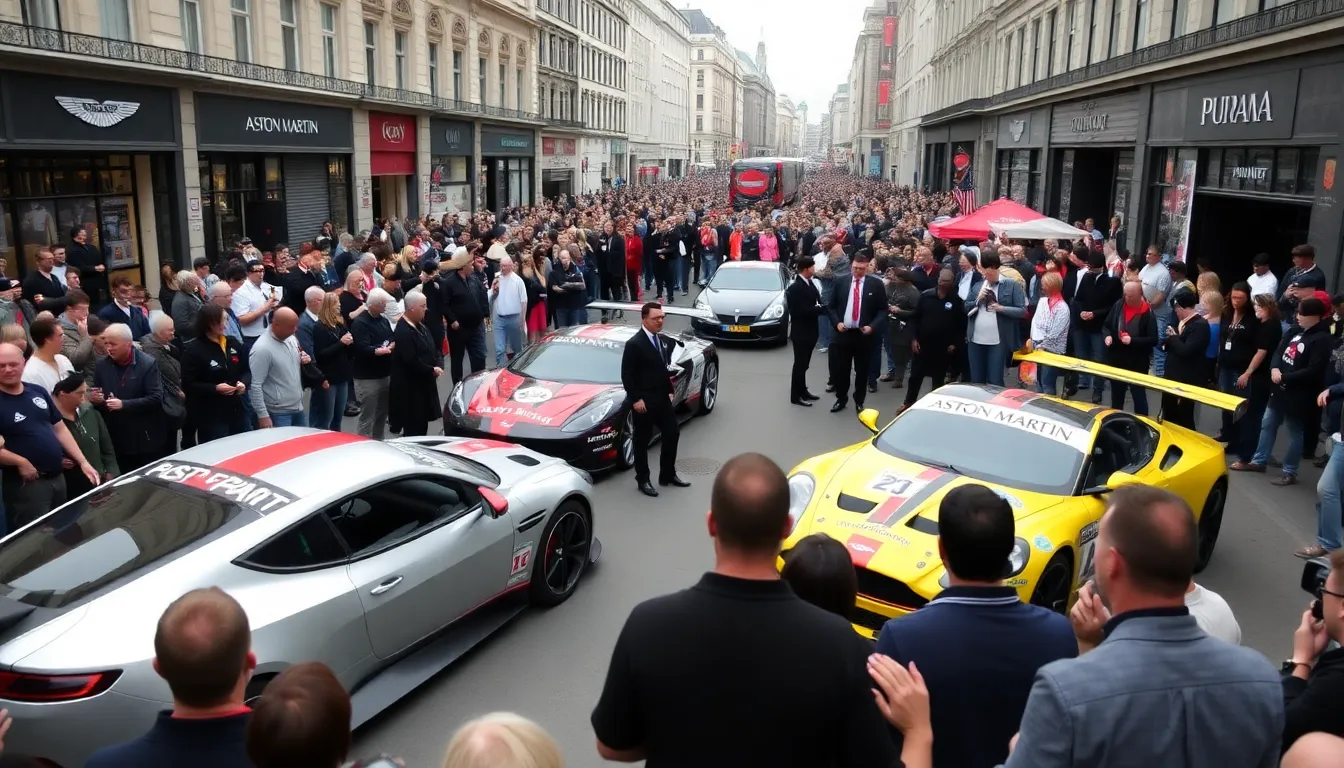
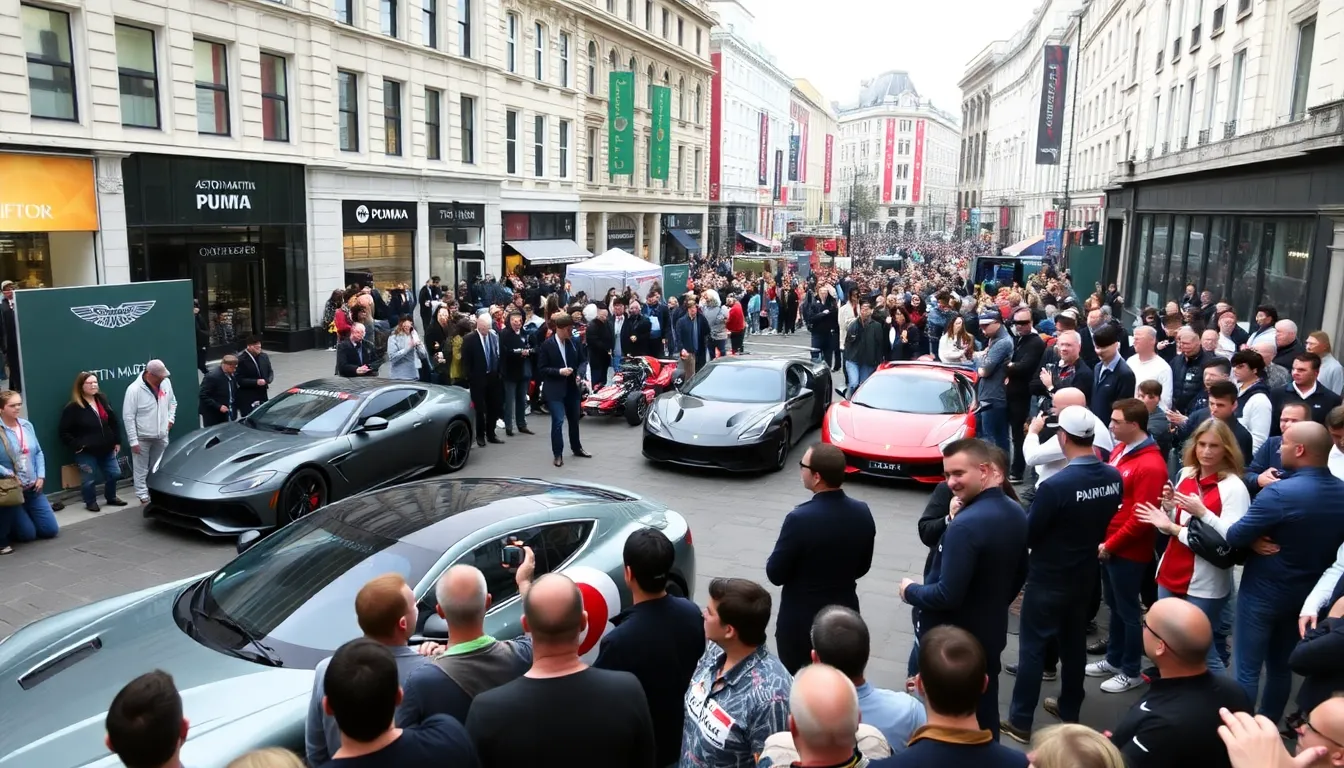
Fans were treated to a variety of interactive experiences, including meet-and-greets with team members and exclusive merchandise from PUMA. The atmosphere was electric, as attendees enjoyed live music and entertainment, creating a festive environment that showcased the passion and enthusiasm surrounding the Aston Martin F1 team.
This celebration not only serves to strengthen the connection between the team and its supporters but also emphasizes the importance of fan engagement in modern sports marketing. With the F1 season in full swing, events like this play a crucial role in fostering community and loyalty among fans, particularly in key markets like London.
As Formula 1 continues to expand its global footprint, partnerships with brands like PUMA are essential for enhancing the overall fan experience. This event on Oxford Street exemplifies how teams can leverage such collaborations to create memorable moments that resonate with their audience, ultimately driving interest and support for the sport.
Understanding the significance of F1 in popular culture
Formula 1 (F1) has transcended its origins as a niche motorsport to become a global phenomenon, deeply embedded in popular culture. This transformation has been fueled by a combination of technological innovation, celebrity involvement, and strategic marketing. The sport’s ability to adapt and appeal to a diverse audience has paved the way for events like the recent celebration on Oxford Street, where Aston Martin and PUMA invited fans to engage with the team behind the team.
The rise of F1 can be traced back to the early 20th century, but it gained significant traction in the 1950s and 1960s, when the sport began to attract a wider audience through television broadcasts. Major milestones, such as the introduction of the World Championship in 1950, established F1 as a premier racing series. Over the decades, iconic drivers like Ayrton Senna and Michael Schumacher not only captured the hearts of fans but also brought a sense of glamour and excitement to the sport.
In recent years, F1 has embraced a more inclusive and accessible approach, particularly through collaborations with fashion and lifestyle brands. Events like the one on Oxford Street highlight the merging of sports and lifestyle, appealing to younger audiences who may not be traditional motorsport fans. This shift reflects broader societal trends where experiential marketing and fan engagement are crucial for brands looking to resonate with consumers.
The Economic Impact of F1 Events
The economic implications of F1 extend beyond the racetrack. Hosting events and fan gatherings generates significant revenue for local economies, as seen in cities that host Grand Prix races. The collaboration between Aston Martin and PUMA on Oxford Street not only promotes the team but also stimulates retail and tourism in the area. Such events contribute to the overall growth of the sport, creating a symbiotic relationship between F1 and the communities it touches.
Exploring the collaboration between Aston Martin and PUMA
The partnership between Aston Martin, a prominent name in Formula 1, and PUMA, a global sportswear brand, represents a strategic alliance aimed at enhancing brand visibility and engagement with fans. This collaboration is particularly significant as it unfolds on the bustling Oxford Street, a location synonymous with high foot traffic and vibrant commercial activity, thereby maximizing exposure for both brands.
Key stakeholders in this initiative include Aston Martin’s management team, who seek to bolster their brand image and connect with fans beyond the racetrack. PUMA, on the other hand, aims to tap into the growing enthusiasm for motorsport, leveraging its association with a prestigious team to expand its market reach. Additionally, fans and consumers play a crucial role, as their engagement and support directly influence the success of such promotional events.
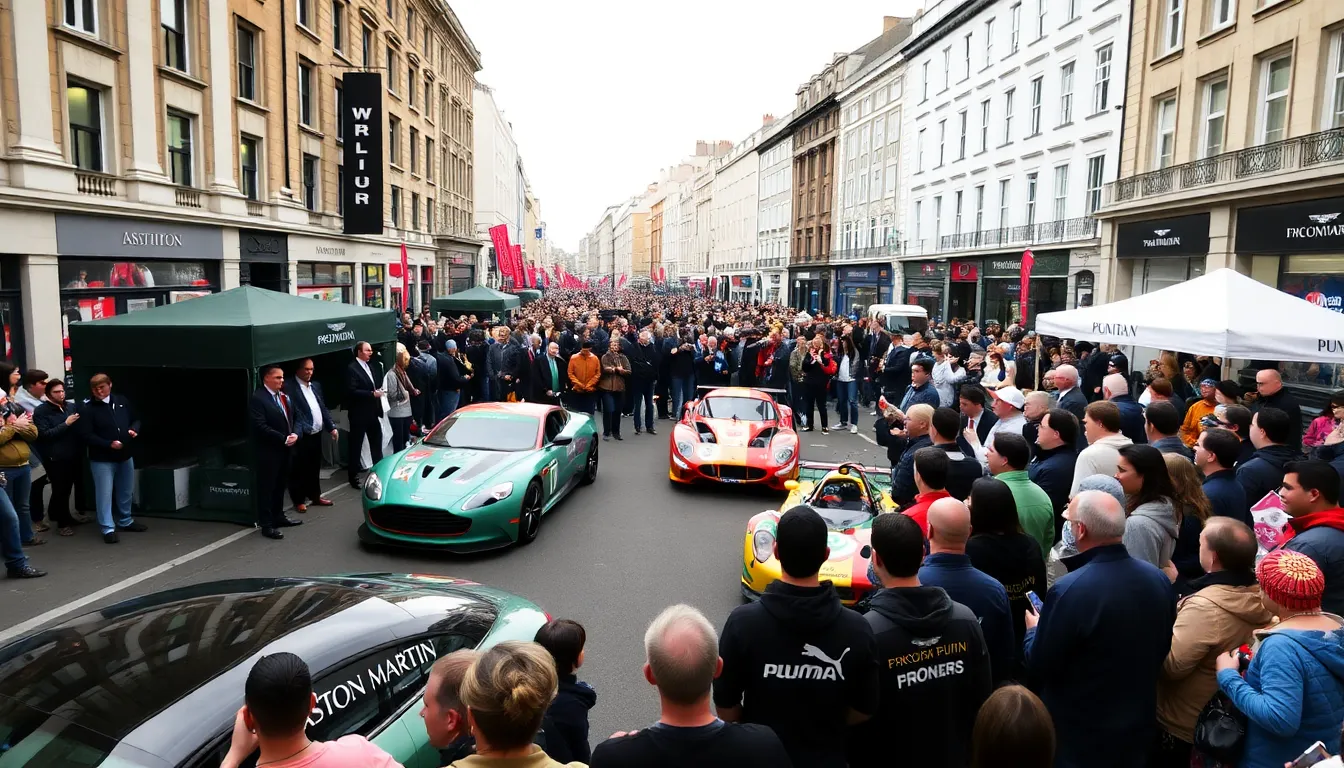
However, this collaboration is not without its challenges. Conflicts may arise over brand representation and marketing strategies, as both parties may have different priorities and visions. Furthermore, the event’s location on Oxford Street raises logistical considerations, such as crowd management and compliance with local regulations, which must be navigated carefully to ensure a smooth execution.
- Brand alignment: Ensuring that both Aston Martin and PUMA’s brand messages resonate with their target audiences.
- Consumer engagement: Developing effective strategies to attract fans and enhance their experience during the event.
- Regulatory compliance: Adhering to local laws and regulations regarding public events and promotions.
- Resource allocation: Balancing financial and human resources between both organizations to achieve mutual goals.
- Market competition: Navigating the competitive landscape of both the automotive and sportswear industries.
In summary, the collaboration between Aston Martin and PUMA on Oxford Street highlights the intersection of sports marketing and fan engagement. The success of this initiative will depend on how well the stakeholders manage their interests, navigate potential conflicts, and address the key issues that arise in executing such a high-profile event.
The impact of the event on fans and the local community
The recent F1 event on Oxford Street, hosted by Aston Martin and PUMA, has far-reaching implications for various groups, industries, and the local community. Fans of motorsport, particularly those loyal to Aston Martin, are directly affected as they engage in this celebratory atmosphere. The local businesses, especially those in retail and hospitality, stand to benefit from the increased foot traffic and consumer spending during the event.
In the short term, the event is expected to boost local commerce significantly. Shops and restaurants along Oxford Street may experience a surge in customers, leading to increased sales and potential job creation. Additionally, local transport services may see heightened activity as fans travel to and from the event, which could lead to temporary congestion but also greater visibility for public transport options.
Mid-term impacts may include a strengthened community spirit and a potential increase in tourism as the event showcases Oxford Street as a vibrant destination. The collaboration between Aston Martin and PUMA could also spark interest in local motorsport events, encouraging more community engagement and participation in similar activities. However, there are risks associated with large gatherings, including potential disruptions to local residents and businesses due to noise and traffic congestion.
- Increased foot traffic: Local businesses may see a rise in customers, benefiting from the celebratory atmosphere.
- Community engagement: The event fosters a sense of unity among fans and locals, promoting future collaborations.
- Transport implications: While public transport may gain visibility, congestion could disrupt daily commutes.
- Potential for noise and disruption: Local residents might face inconveniences due to the event’s scale.
Overall, while the event presents opportunities for economic growth and community bonding, it also necessitates careful management to mitigate any adverse effects on daily life in the area.
A: The event aims to celebrate the collaboration between Aston Martin and PUMA, engaging fans and showcasing the team’s efforts behind the scenes. A: The event is scheduled for a specific date, which will be announced through official channels and social media. A: Entry to the event is free for all fans, making it accessible for everyone to join in the celebration. A: Fans can look forward to interactive displays, merchandise giveaways, and opportunities to meet team members and drivers. A: Yes, the event is expected to feature special guests, including drivers and team representatives from Aston Martin.
Frequently asked questions about the event
Key takeaways and future outlook for F1 events
The recent event on Oxford Street, featuring Aston Martin and PUMA, highlights the growing intersection of motorsport and urban culture. This initiative not only celebrates the team behind the team but also emphasizes the importance of fan engagement in the Formula 1 landscape. As the sport continues to evolve, such events are likely to play a crucial role in building community and enhancing brand loyalty among fans.
Looking ahead, the implications of this event suggest a shift towards more accessible and inclusive experiences for F1 enthusiasts. As teams and sponsors recognize the value of direct interaction with fans, we can expect to see more initiatives that bridge the gap between the racetrack and everyday life.
- Increased urban events will likely enhance fan engagement and broaden the appeal of F1.
- Collaboration between teams and lifestyle brands may lead to innovative marketing strategies.
- Future events could focus on inclusivity, attracting a diverse audience to the sport.
- Expect more interactive experiences that allow fans to connect with teams and drivers.
- As F1 continues to embrace cultural partnerships, the sport’s global footprint may expand significantly.