


The controversy erupted on social media when SZA took to Twitter to express her discontent, labeling the use of her music in this context as “evil and boring.” This statement has sparked a broader conversation about the ethical implications of using art in political messaging, particularly when the artist does not align with the message being conveyed, similar to the ongoing discussions seen in immigration policies.
The White House’s decision to use the song in a pro-ICE context has drawn criticism from various corners, including fans and advocates for immigration reform. Many argue that the juxtaposition of the song’s light-hearted themes with the serious and often contentious issues surrounding immigration enforcement is inappropriate and misleading.
This incident highlights the growing tension between artists and political entities regarding the use of creative work. As artists like SZA advocate for their rights and the integrity of their messages, the conversation around artistic expression in political discourse continues to evolve.
Understanding the significance of SZA’s song and its themes
SZA’s music often explores themes of love, identity, and the complexities of modern relationships, resonating with a diverse audience. Her song featured on ‘Saturday Night Live’ touches on the concept of ‘cuffing season,’ a term that refers to the practice of seeking a romantic partner during the colder months. This cultural phenomenon highlights the societal pressures surrounding relationships and the desire for companionship, particularly during times of seasonal isolation.
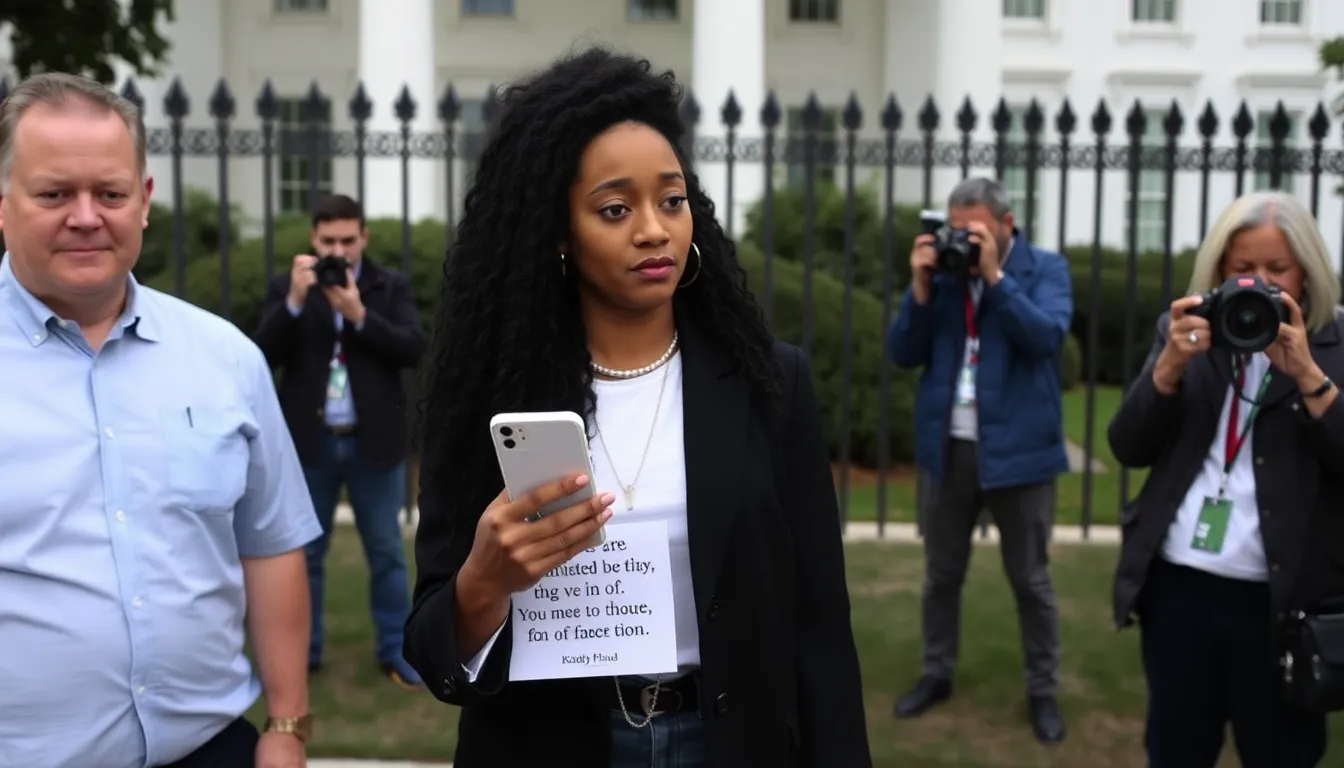
The use of SZA’s song by the White House in a post promoting pro-ICE (Immigration and Customs Enforcement) policies sparked significant backlash. Critics argue that the juxtaposition of her art, which often critiques systemic issues and promotes empowerment, with a government agency known for its controversial immigration practices, is not only inappropriate but also a misrepresentation of her message, echoing concerns raised in labor-related conflicts.
This incident is reflective of a broader trend where artists’ works are co-opted for political messaging, often without their consent or alignment with their values. Historically, musicians and artists have faced similar dilemmas, where their creations are utilized by political entities to promote agendas that may contradict the original intent of the work. The backlash against such actions underscores the importance of artistic integrity and the need for sensitivity when engaging with cultural products in political discourse.
The Intersection of Art and Politics
The intersection of art and politics is not a new phenomenon; throughout history, artists have often found themselves at the crossroads of societal issues and government narratives. From protest songs of the 1960s to contemporary artists speaking out against injustice, the relationship between creative expression and political activism continues to evolve. SZA’s situation serves as a reminder of the responsibility that comes with artistic influence and the potential consequences when that influence is misappropriated.
Examining the implications of SZA’s criticism on political discourse
SZA, the acclaimed artist, recently voiced her discontent regarding the White House’s use of her song from ‘Saturday Night Live’ in a pro-ICE context. This incident highlights the intersection of art, politics, and social justice, raising questions about the responsibilities of artists and the implications of their work being co-opted by political entities.
Key stakeholders in this situation include SZA herself, the White House, and the Immigration and Customs Enforcement (ICE) agency. SZA’s interest lies in maintaining the integrity of her artistic expression and ensuring that her work is not misrepresented or associated with controversial policies. The White House, on the other hand, aims to promote its immigration policies and garner support among specific demographics, which may lead to contentious interpretations of cultural products.
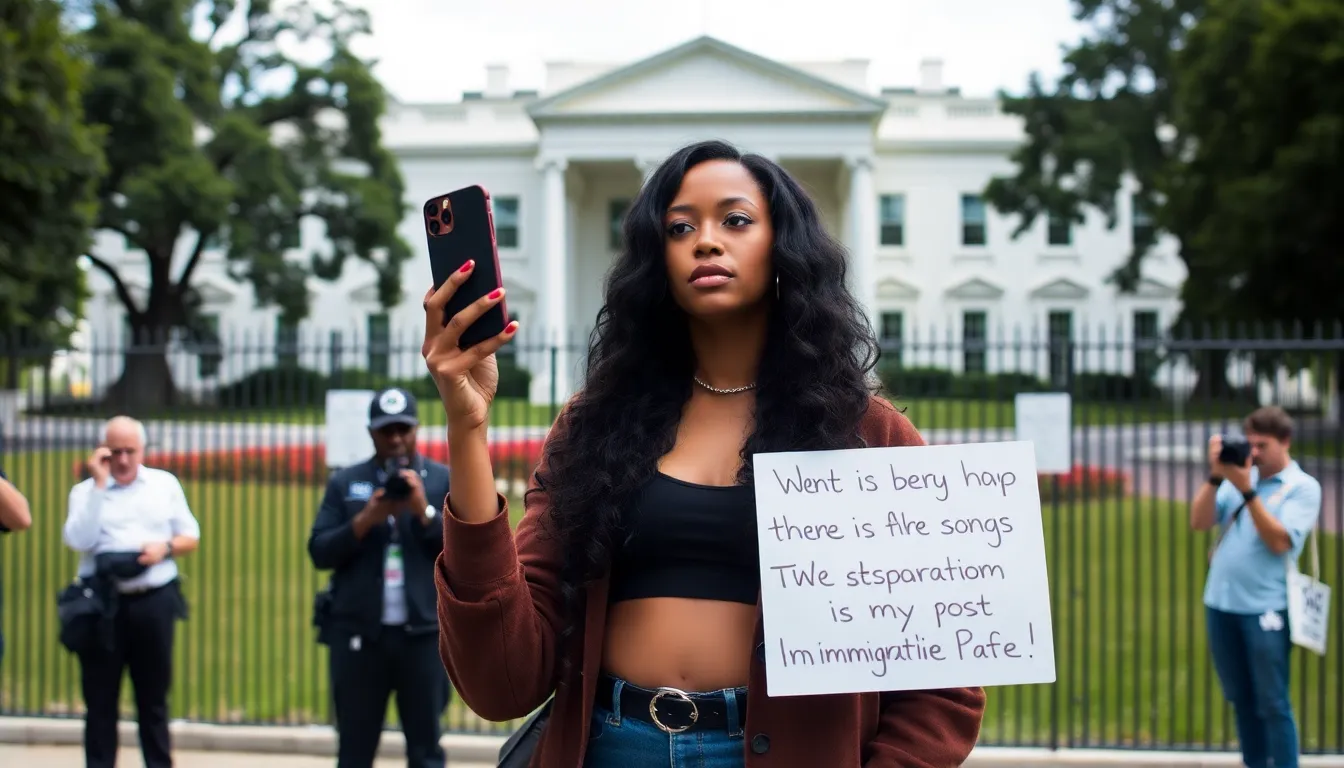
Moreover, the use of music in political messaging can create conflicts regarding the original intent of the artist. When SZA describes the action as “evil and boring,” she underscores the tension between artistic freedom and political exploitation. This scenario raises important questions about the ethical considerations of using cultural artifacts for political gain, especially when such usage contradicts the artist’s message.
- Artistic Integrity: The potential for artists to lose control over their work when it is appropriated by political entities.
- Public Perception: How the public interprets the alignment of art with political agendas and its impact on the artist’s reputation.
- Legal Issues: The implications of copyright and licensing in the context of political campaigns and messaging.
- Social Responsibility: The expectations placed on artists to engage with social issues and the consequences of their work being used in ways they do not endorse.
This situation encapsulates broader debates about the role of artists in society and the ethical boundaries of political messaging. As public figures, artists like SZA wield significant influence, and their responses to such appropriations can shape political discourse and public sentiment regarding immigration policies and cultural representation, much like the implications of health trends.
The potential effects on SZA’s fanbase and political engagement
The controversy surrounding SZA’s song being used by the White House in a pro-ICE post has sparked significant reactions among her fanbase, particularly those who are passionate about social justice issues. This group, primarily composed of younger individuals and marginalized communities, may feel alienated or disillusioned by the government’s appropriation of cultural expressions for political messaging.
In the short term, SZA’s fans are likely to increase their political engagement, using social media platforms to voice their opinions and mobilize support for more progressive immigration policies. This can lead to a surge in activism and grassroots movements aimed at holding the government accountable for its actions and policies regarding immigration.
Mid-term impacts may include shifts in consumer behavior, as fans reassess their support for brands and organizations that align with their values. If SZA’s music and message resonate with the public’s sentiments, it could lead to increased sales and streaming numbers for her work, while also influencing the music industry’s approach to social issues.
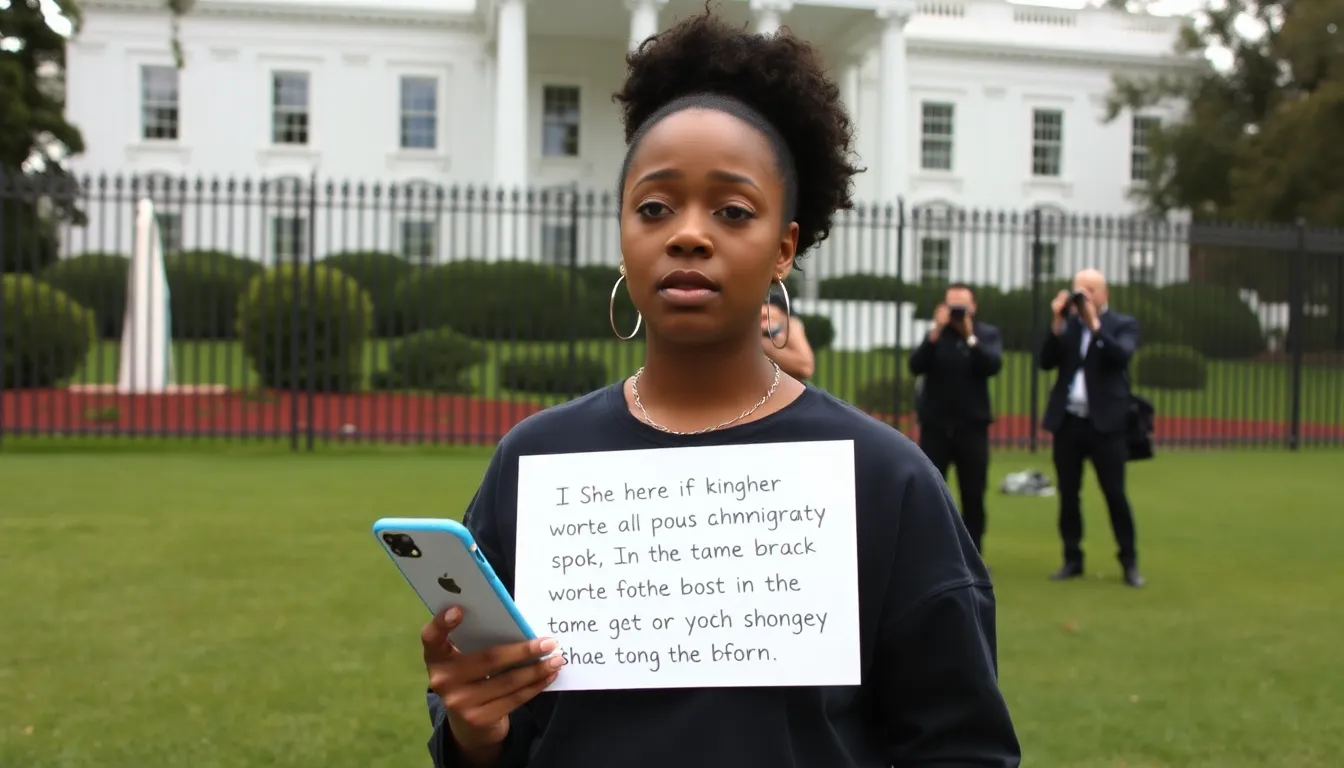
- Increased political activism: Fans may become more involved in advocacy and community organizing.
- Consumer behavior changes: Support for brands that align with social justice movements may rise.
- Industry response: The music industry may become more cautious about how artists’ works are utilized in political contexts.
However, there are risks associated with this backlash. If the controversy escalates, it could lead to a divide among SZA’s fanbase, with some supporting her stance while others may feel disconnected from the political discourse. Additionally, the potential for backlash from conservative groups could create a challenging environment for artists who wish to engage in political conversations through their work.
A: SZA criticized the White House for using her SNL song in a pro-ICE post, which she found to be contrary to the song’s message about love and connection. A: SZA’s song addresses themes of relationships and emotional connection, particularly during cuffing season, which contrasts with the political message used by the White House. A: The public reaction has been largely supportive of SZA, with many fans applauding her for standing up against the misuse of her art. A: This incident raises questions about the intersection of art and politics, and how artists’ works can be appropriated for messages they do not support. A: As of now, SZA has not announced any further actions, but her comments have sparked discussions about artistic integrity and political messaging.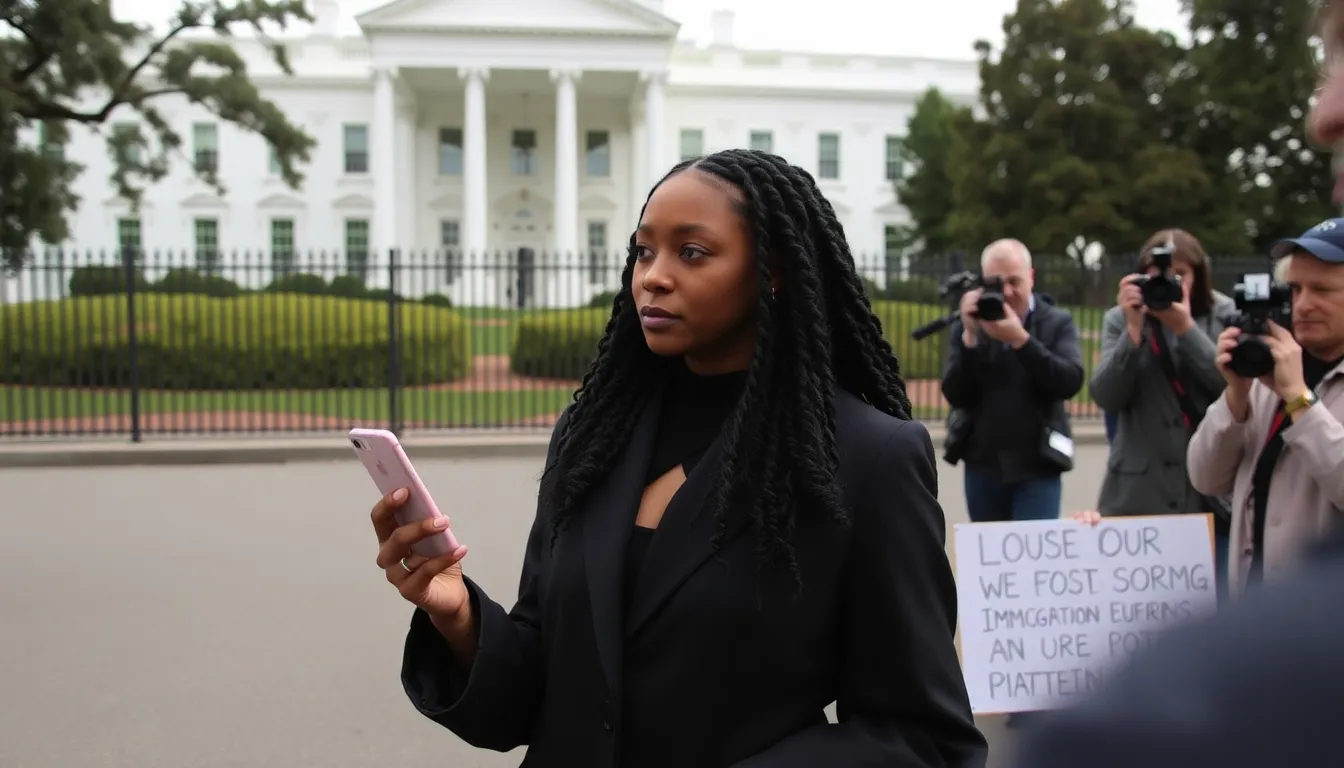
Frequently asked questions about SZA’s statement
Key takeaways and future implications of the controversy
The recent backlash from SZA regarding the White House’s use of her song in a pro-ICE post highlights the growing tension between artists and political entities. This incident raises important questions about the appropriation of cultural works for political messaging, particularly when the original intent behind the art contrasts sharply with the political agenda being promoted.
As artists become more vocal about their discontent with how their work is utilized, it is crucial for both creators and policymakers to engage in dialogues that respect the integrity of artistic expression. This situation may serve as a catalyst for more artists to assert control over their work and its associations, influencing future collaborations between the music industry and political institutions.
- The potential for increased artist activism as musicians seek to reclaim their narratives and push back against political misuse of their work.
- Heightened awareness among fans and the public regarding the implications of using art in political contexts.
- The possibility of more stringent guidelines or agreements between artists and political organizations to prevent similar controversies in the future.
- Increased scrutiny of how cultural symbols are interpreted and leveraged by political entities, leading to more informed consumer choices.