


As of October 2023, both Netflix and Paramount are in the midst of strategic shifts, with Netflix focusing on expanding its content library and Paramount seeking to bolster its streaming services. This dynamic has resulted in layoffs and restructuring efforts that have raised concerns among industry workers about job security and fair compensation. The tension between these companies highlights the precarious position of labor in an increasingly competitive landscape, as seen in the ongoing discussions in unions and industry groups.
Key events, such as recent negotiations between labor unions and studio executives, have underscored the urgent need for a more equitable approach to compensation and working conditions. Union representatives have voiced their concerns that the current trajectory of the streaming industry is unsustainable for workers, as the fight for market dominance often comes at their expense. This situation has led to calls for greater solidarity among industry professionals to address these critical issues.
The implications of this conflict extend beyond the immediate stakeholders, as the outcomes could reshape the future of content creation and distribution. With both companies investing heavily in original programming, the pressure on labor to deliver high-quality content at a lower cost is mounting. As industry insiders warn of reaching a tipping point, the potential for a lose-lose scenario for workers becomes increasingly evident.
Background on the streaming wars and labor dynamics
The rise of streaming services has dramatically reshaped the entertainment industry over the past decade. Companies like Netflix and Paramount have emerged as major players, competing for subscribers in an increasingly crowded market. This competition has led to significant changes in content creation, distribution, and consumption, impacting not only corporate strategies but also labor dynamics within the industry.

Historically, the streaming wars began in earnest with Netflix’s pivot from DVD rentals to online streaming in the early 2000s. This shift not only disrupted traditional media distribution models but also set the stage for a new era of content consumption. As more players entered the market, including Disney+, Hulu, and Amazon Prime Video, the battle for viewer attention intensified, leading to a content arms race characterized by high production budgets and aggressive marketing strategies.
However, this competitive environment has not come without consequences for labor. The demand for original content has increased pressure on writers, actors, and crew members, often resulting in longer hours and less job security. Labor unions, such as the Writers Guild of America (WGA) and the Screen Actors Guild (SAG-AFTRA), have found themselves navigating a complex landscape where traditional labor agreements are being challenged by the unique nature of streaming contracts, reminiscent of the circumstances around previous negotiations.
Key milestones in labor relations
Several key events have highlighted the ongoing tensions between streaming companies and labor. The 2020 pandemic accelerated the shift to digital content consumption, leading to layoffs and furloughs within the industry. In response, unions have pushed for better protections and fair compensation for workers, culminating in strikes and negotiations that reflect the growing discontent among creatives. The current battle between Netflix and Paramount exemplifies these challenges, as both companies grapple with the need to produce compelling content while managing labor relations in a volatile market.
Analysis of stakeholders and major points of contention
The ongoing battle between Netflix and Paramount has brought various stakeholders into a complex web of interests and conflicts. At the forefront are the two streaming giants, each vying for dominance in the highly competitive entertainment landscape. Netflix, known for its extensive library and original content, seeks to maintain its market share while navigating increasing production costs and subscriber churn. Paramount, on the other hand, aims to reclaim its position in the industry by leveraging its rich catalog and expanding its streaming services.
Another critical stakeholder group includes the labor force, particularly writers, directors, and actors, who are caught in the crossfire of this corporate rivalry. With both companies investing heavily in original content, the demand for creative talent is at an all-time high. However, this competition has also led to concerns over job security, fair compensation, and working conditions, with many in the industry arguing that the ongoing struggle between these platforms ultimately harms labor interests, similar to the conflicts highlighted in recent megadeal discussions.
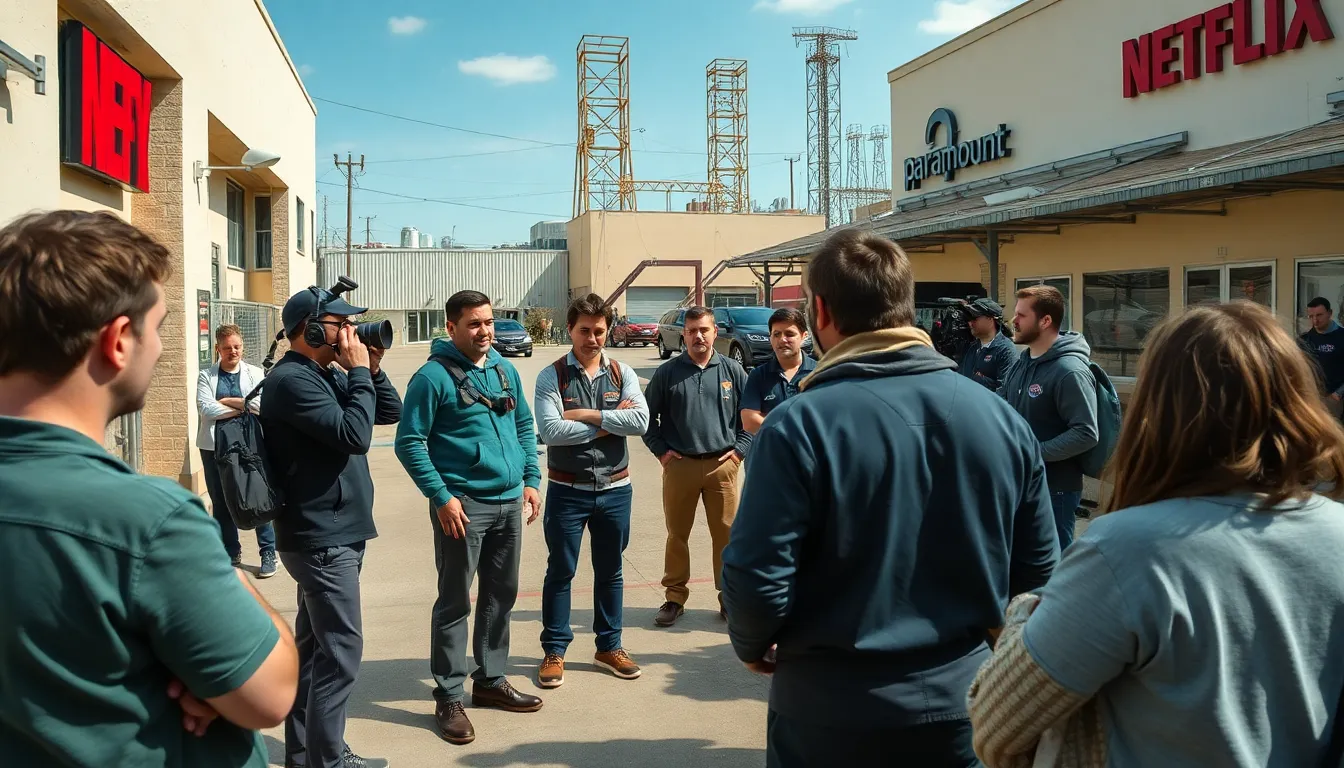
Regulatory bodies and government entities also play a significant role in this dynamic. As streaming services continue to grow, there is increasing scrutiny regarding monopolistic practices and the potential impact on consumer choice. Lawmakers are tasked with ensuring fair competition while also addressing the concerns of labor groups, making the regulatory landscape a key area of contention.
- Market Competition: Both Netflix and Paramount are fighting for subscriber loyalty, which can lead to aggressive pricing strategies and content investments.
- Labor Rights: The battle raises questions about fair wages and job security for creative professionals in the industry.
- Regulatory Oversight: Government intervention may be necessary to prevent monopolistic behaviors and protect consumer interests.
- Content Quality vs. Quantity: The push for more content may compromise quality, affecting viewership and long-term subscriber retention.
- Global Expansion: Both companies are looking to expand internationally, which introduces new legal and cultural challenges.
Impact on workers and the broader market
The ongoing battle between Netflix and Paramount is set to have significant repercussions for various groups, particularly those within the entertainment industry. Workers, including writers, actors, and crew members, are at the forefront of this conflict, facing uncertainty regarding job security and fair compensation. As both companies vie for dominance, the ripple effects will extend beyond Hollywood, impacting ancillary industries such as marketing, distribution, and technology.
In the short term, workers may experience increased pressure as both companies cut costs to maintain competitiveness. This could lead to layoffs or reduced hours, affecting the livelihoods of many in the industry. The immediate impact on daily life may be subtle, but as productions are scaled back, audiences could notice fewer new releases and delays in popular series.
In the mid-term, the battle could prompt policy changes within labor unions and guilds, as workers push for better protections and contracts. The ongoing negotiations could lead to strikes or collective actions, which would not only disrupt production schedules but also affect the overall market dynamics. This period of instability may create opportunities for smaller production companies to fill the void left by larger players, potentially leading to a more diverse array of content.
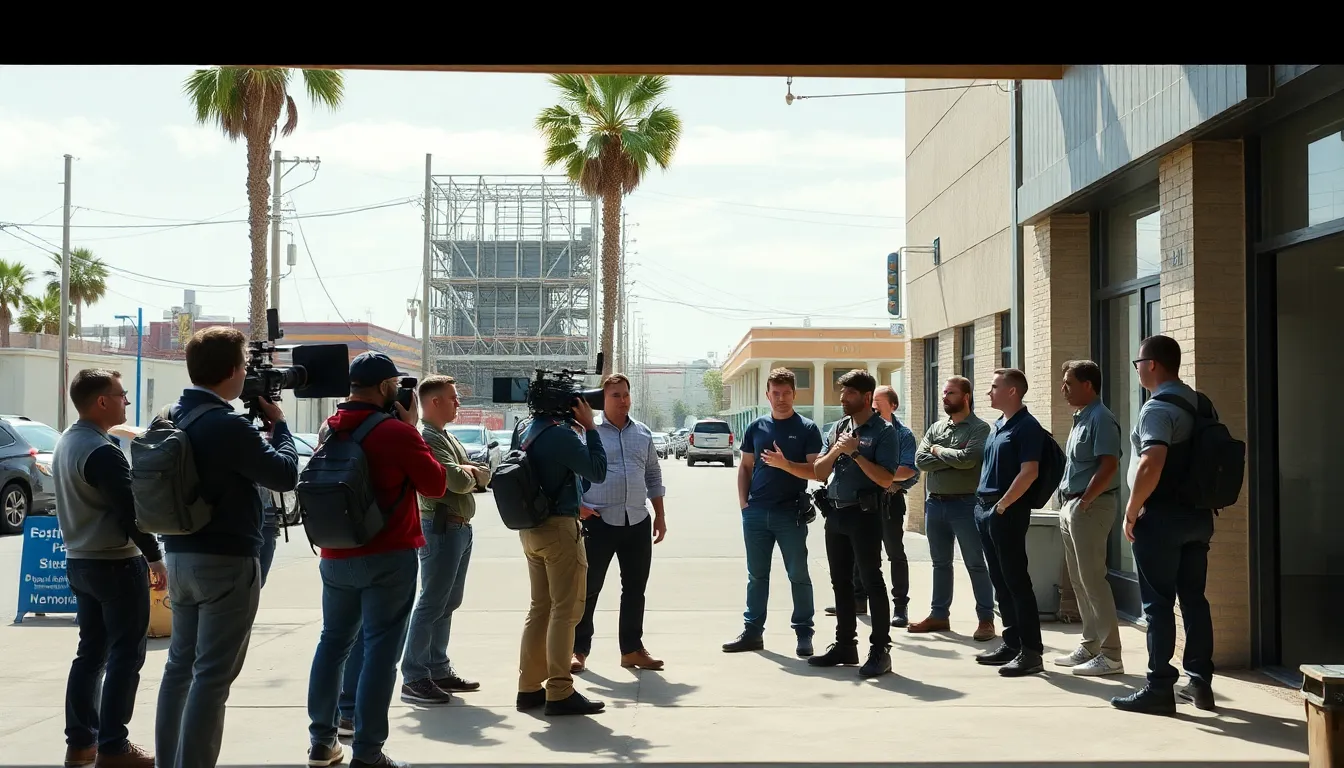
- Workers: Job security and fair compensation at risk.
- Ancillary Industries: Marketing and distribution may face disruptions.
- Policy Changes: Potential for stronger labor protections and union actions.
- Market Dynamics: Smaller companies may gain opportunities amidst larger company struggles.
Moreover, as the competition intensifies, there is a risk of a race to the bottom in terms of wages and working conditions. However, this could also galvanize workers to unite and advocate for better standards, leading to long-term improvements in labor conditions across the industry. The outcome of this battle will shape not only the future of Netflix and Paramount but also the broader landscape of entertainment and labor relations.
A: The main issues revolve around labor rights, contract negotiations, and the impact of streaming competition on job security. Both companies are facing pressure to cut costs, which often affects workers. A: Labor unions are caught in the middle, as they advocate for better working conditions while companies seek to minimize expenses. This tension can lead to weakened bargaining power for unions. A: The tipping point signifies a critical moment where labor conditions could deteriorate further if companies do not address workers’ needs. It highlights the urgency for reform in the industry. A: Potential solutions include better contract terms, increased transparency in negotiations, and stronger support for labor rights from both companies and regulators. A: The conflict may lead to increased strikes or labor actions if workers feel their rights are not being addressed. Companies may also face public backlash, prompting them to reconsider their strategies.
Frequently asked questions about the streaming battle
Key takeaways and future outlook on the industry
The ongoing battle between Netflix and Paramount highlights significant challenges facing labor in the entertainment industry. As both companies navigate a rapidly changing landscape, the implications for workers are profound, revealing a precarious balance between corporate strategy and the needs of employees. This situation underscores the urgency for labor to adapt and advocate for fair conditions amidst fierce competition.
As the industry evolves, stakeholders must remain vigilant. The outcomes of this rivalry could set important precedents regarding labor rights and corporate responsibility, shaping the future of content creation and distribution.
- Watch for potential shifts in labor negotiations as unions may push for stronger protections in response to corporate strategies.
- Monitor how both companies adjust their content strategies and workforce management in reaction to market pressures.
- Consider the impact of viewer preferences on labor demands, as audience engagement could influence production decisions.
- Be aware of the role of technology and streaming innovations, which may further complicate labor dynamics in the industry.