


The stakes are high, with both companies aiming to leverage their unique offerings to attract and retain subscribers. Netflix, known for its extensive library and original programming, is looking to bolster its position against competitors like Disney+ and Amazon Prime Video. Meanwhile, Paramount is eager to enhance its streaming service, Paramount+, by acquiring high-profile content that can draw in a larger audience.
Industry analysts suggest that this deal could be pivotal, potentially influencing not just subscriber numbers but also stock prices and market valuations for both companies. The outcome of these negotiations is expected to unfold over the coming weeks, with key decision-makers from both sides reportedly in discussions as they weigh the financial implications and strategic benefits of a partnership.
This competition also highlights the ongoing transformation in the entertainment sector, where traditional media companies are adapting to the digital age. As streaming continues to dominate viewership, the ability to secure exclusive content becomes crucial for survival, making this battle between Netflix and Paramount particularly significant for the future of media consumption.
Recommended Articles
- Will Netflix and HBO Max Be Combined
- Warner Bros Discovery to Review Paramount Skydance Acquisition Offer
- Netflix Chief Ted Sarandos Scores White House Meeting With Trump Ahead of Warner Bros Deal
- Hornets vs Knicks Prediction and Odds for December 3
- Can Europe effectively defend its frontier in the Amazon
- Will Netflix and HBO Max Be Combined
- Warner Bros Discovery to Review Paramount Skydance Acquisition Offer
- Netflix Chief Ted Sarandos Scores White House Meeting With Trump Ahead of Warner Bros Deal
- Hornets vs Knicks Prediction and Odds for December 3
- Can Europe effectively defend its frontier in the Amazon
Understanding the backdrop of the streaming wars
The landscape of entertainment has undergone a dramatic transformation over the past decade, primarily driven by the rise of streaming platforms. Traditional media companies have been forced to adapt to a rapidly changing environment where consumer preferences are shifting towards on-demand content. This evolution has led to fierce competition among major players like Netflix and Paramount, both of which are vying for significant market share in an increasingly saturated field.

The origins of this competition can be traced back to the early 2000s when platforms such as Netflix began as DVD rental services. However, the pivotal moment came in 2007 when Netflix introduced its streaming service, allowing subscribers to access a vast library of films and television shows instantly. This innovation not only disrupted the traditional cable model but also set the stage for a new era of content consumption.
As streaming gained popularity, other media giants recognized the need to pivot their strategies. Paramount, initially a stalwart of traditional cinema and television, began investing heavily in its own streaming service, Paramount+. This shift reflects a broader trend where legacy companies are attempting to reclaim their audience from tech-driven disruptors like Netflix, which has continued to dominate the market with its original programming and global reach.
The Role of Political and Economic Factors
The competition between streaming services is not merely a corporate battle; it is also influenced by political and economic factors. Regulatory changes and tax incentives in various regions have encouraged media companies to invest in local content production, leading to a more diverse array of programming. Additionally, the economic impact of the COVID-19 pandemic accelerated the shift towards streaming, as lockdowns forced consumers to seek entertainment alternatives, further intensifying the competition between Netflix and Paramount.
As the stakes continue to rise, former President Donald Trump finds himself in a unique position, navigating the intersection of media and politics. His influence on public discourse and media narratives adds another layer to the ongoing competition, as both Netflix and Paramount seek to align their content strategies with prevailing societal sentiments. This dynamic landscape illustrates not only the evolution of entertainment but also the intricate web of factors that shape it.
Key stakeholders and their interests in the megadeal
The competition between Netflix and Paramount for a potential megadeal has brought several key stakeholders into the spotlight. These include the executives and shareholders of both streaming giants, as well as content creators, advertisers, and regulatory bodies. Each of these actors has distinct interests that shape their involvement in this high-stakes negotiation.
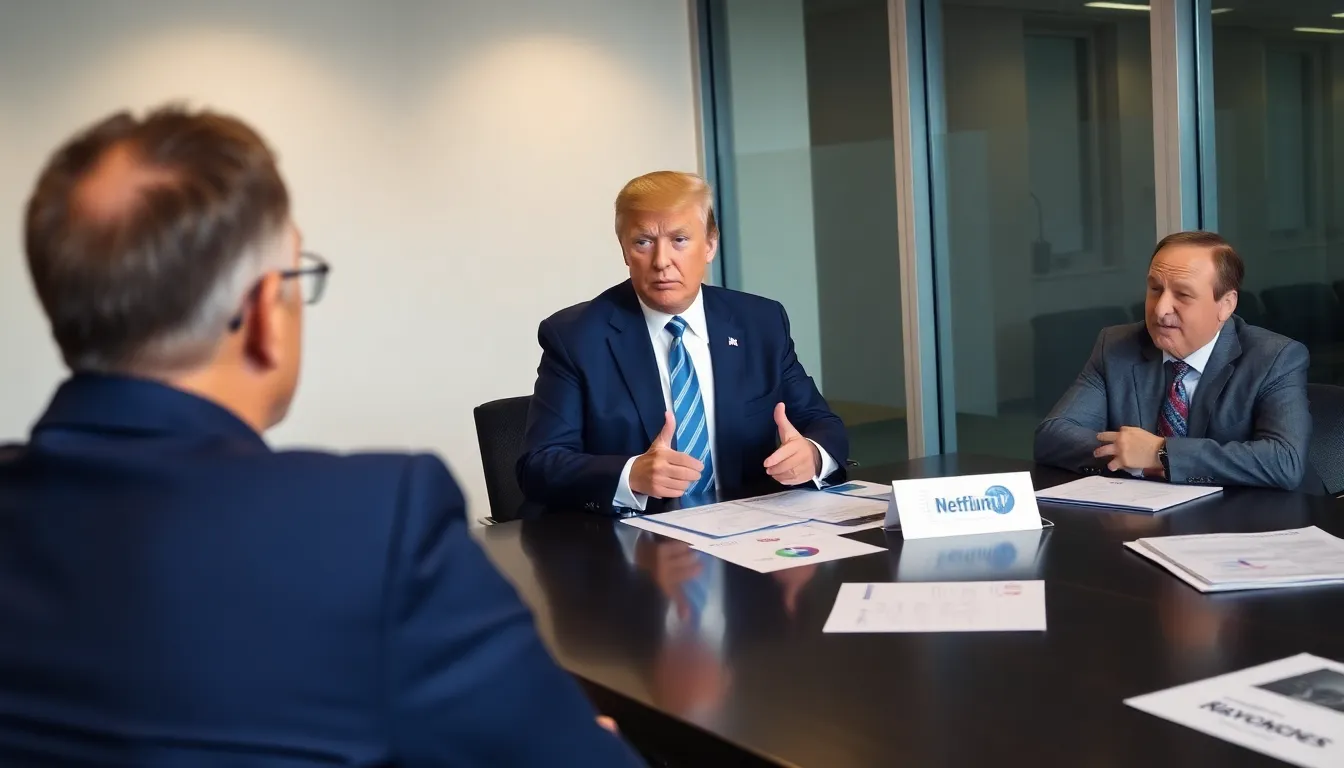
Netflix, as a leading streaming service, seeks to expand its content library and maintain its competitive edge in the crowded market. The company is particularly interested in acquiring exclusive rights to popular franchises and original content that can attract and retain subscribers. Paramount, on the other hand, aims to leverage its rich catalog of films and television shows to boost its own streaming platform and enhance its market position.
In addition to the corporate interests, content creators and talent agencies are also significant stakeholders. They are focused on securing favorable deals that ensure their projects receive the necessary funding and distribution. This can lead to conflicts of interest, as creators may prefer to work with one platform over another, potentially influencing the outcome of the negotiations.
- Regulatory concerns: Both companies must navigate legal frameworks that govern mergers and acquisitions, particularly in terms of antitrust laws.
- Financial implications: The megadeal could have significant economic impacts, including shifts in market share and changes in advertising revenue.
- Consumer choice: The outcome of this competition may affect content availability for viewers, influencing subscription decisions.
- Global expansion: Both companies are looking to expand their reach internationally, which adds complexity to the negotiations.
As these stakeholders vie for their interests, the potential megadeal highlights the intricate web of dependencies and conflicts that characterize the entertainment industry today. Understanding these dynamics is crucial for grasping the broader implications of the deal for the future landscape of streaming media.
How this competition affects the entertainment industry
The battle between Netflix and Paramount for a megadeal is set to impact various stakeholders across the entertainment landscape. Key groups affected include content creators, streaming service subscribers, and advertisers. As both companies vie for dominance, the ramifications will ripple through the industry, influencing not only corporate strategies but also consumer experiences.
In the short term, the competition may lead to an increase in content quality and quantity as both companies invest heavily in new productions to attract subscribers. This could result in a richer viewing experience for audiences, with more diverse programming options. However, it may also lead to subscription price hikes as companies seek to recoup their investments.

Mid-term impacts could include shifts in advertising strategies as brands adapt to the changing dynamics of viewership. With more exclusive content available, advertisers may need to rethink their approaches to reach audiences effectively. Additionally, this competition could spur innovation in content delivery, potentially leading to enhanced user interfaces and personalized viewing experiences.
- Risks: Potential price increases for consumers, market saturation, and possible layoffs in overlapping roles.
- Opportunities: Enhanced content offerings, growth in niche markets, and potential partnerships with emerging creators.
Regions with strong entertainment hubs, such as Los Angeles and New York, may see increased economic activity as production ramps up. Conversely, smaller markets may face challenges if major studios concentrate their resources in larger cities. Overall, the competition between Netflix and Paramount is likely to reshape the entertainment landscape, creating both challenges and opportunities for various stakeholders.
A: The megadeal represents a critical juncture in the streaming industry, impacting content availability and competition. It could reshape viewer preferences and market dynamics. A: Trump’s involvement relates to his influence in media and entertainment, which may affect negotiations and public perception of the deal. A: Potential outcomes include shifts in market leadership, changes in content strategies, and implications for consumer choices. A: Netflix focuses on original content and global reach, while Paramount leverages its extensive library and traditional media strengths. A: Both companies face challenges such as rising production costs, competition from new entrants, and changing viewer habits.
Frequently asked questions about the deal
Looking ahead at the implications of this megadeal
The competition between Netflix and Paramount for a significant partnership underscores the shifting dynamics within the entertainment industry. As both companies seek to leverage their unique strengths, the outcome of this megadeal could redefine content creation and distribution strategies, impacting not only the two companies involved but also the broader market landscape.
Investors and industry watchers should remain vigilant as this situation unfolds. The implications of such a deal extend beyond immediate financial gains, potentially altering audience engagement and content diversity in the streaming space. Understanding the strategic moves of both players will be crucial in anticipating future trends in media consumption.
- Content Strategy Evolution: Watch how the partnership influences the types of content produced and the approaches to audience engagement.
- Market Positioning: Assess how this megadeal could shift competitive positioning within the streaming market, affecting subscriber growth and retention.
- Financial Implications: Monitor the financial health of both companies post-deal, as this could indicate the viability of their strategies in a rapidly changing market.
- Consumer Response: Pay attention to audience reactions to new content offerings, as this will provide insights into the success of the collaboration.