


The fire, which occurred on October 21, 2023, during peak hours, resulted in multiple casualties and left many others injured. Eyewitnesses described chaotic scenes as patrons attempted to escape the flames, highlighting potential lapses in emergency preparedness and crowd management at the venue. This tragic event recalls the recent fire incident in Hong Kong, where safety regulations were also called into question.
Local police have confirmed that the nightclub owners departed shortly after the incident, prompting investigations into their whereabouts and intentions. Authorities are now focusing on whether the owners’ flight was an attempt to evade responsibility for the tragedy, which could have far-reaching implications for the nightlife industry in Goa. Such evasive actions by business owners are becoming increasingly scrutinized, similar to the recent cases of fraud where scammers exploited gaps in accountability.
This situation underscores the pressing need for stricter enforcement of safety standards in entertainment venues. As the investigation unfolds, questions about the adequacy of fire safety measures and the regulatory framework governing such establishments are likely to come to the forefront of public discourse.
Understanding the circumstances surrounding the fire
The recent tragedy in a Goa nightclub, which resulted in multiple casualties due to a devastating fire, has sparked widespread outrage and concern. This incident highlights not only the immediate dangers associated with nightlife venues but also the broader issues of regulation and safety in the hospitality industry in India. Goa, known for its vibrant nightlife and tourism, has often faced scrutiny over the enforcement of safety standards in its establishments.

Historically, Goa has been a hub for tourism, attracting millions of visitors each year. The state’s economy heavily relies on this sector, leading to a rapid proliferation of nightclubs and bars. However, the rush to capitalize on tourism has often come at the expense of safety regulations. Previous incidents in Goa have raised questions about the adequacy of fire safety measures and emergency preparedness in such venues, with many establishments operating without proper licenses or inspections.
The regulatory landscape
The regulatory framework governing nightlife in Goa has been criticized for being lax. Local authorities have faced challenges in enforcing safety standards, often due to corruption and a lack of resources. This has created an environment where nightclub owners may prioritize profit over compliance, leading to dangerous conditions for patrons. The recent fire underscores the urgent need for a reevaluation of safety protocols and stricter enforcement of existing laws to prevent future tragedies, resonating with the need for better regulations in other sectors, such as the wind farm developments identified by a new campaign group.
Moreover, the reported flight of nightclub owners to Thailand shortly after the incident raises concerns about accountability and the potential for evading legal consequences. This situation reflects a broader issue within the Indian legal system, where individuals involved in such incidents may exploit loopholes to escape responsibility. As the investigation unfolds, it will be crucial to examine the implications of this case for the future of nightlife safety and regulatory practices in Goa.
Key stakeholders and issues in the investigation
The tragic fire at a nightclub in Goa has raised significant concerns, involving multiple stakeholders, including nightclub owners, local authorities, law enforcement agencies, and the victims’ families. Each of these actors has distinct interests and perspectives regarding the incident and its aftermath.
Nightclub owners, particularly those who fled to Thailand shortly after the incident, are central to the investigation. Their primary interest lies in avoiding legal repercussions and protecting their businesses. This flight raises questions about accountability and transparency, as the owners may possess crucial information about safety protocols and compliance with local regulations.
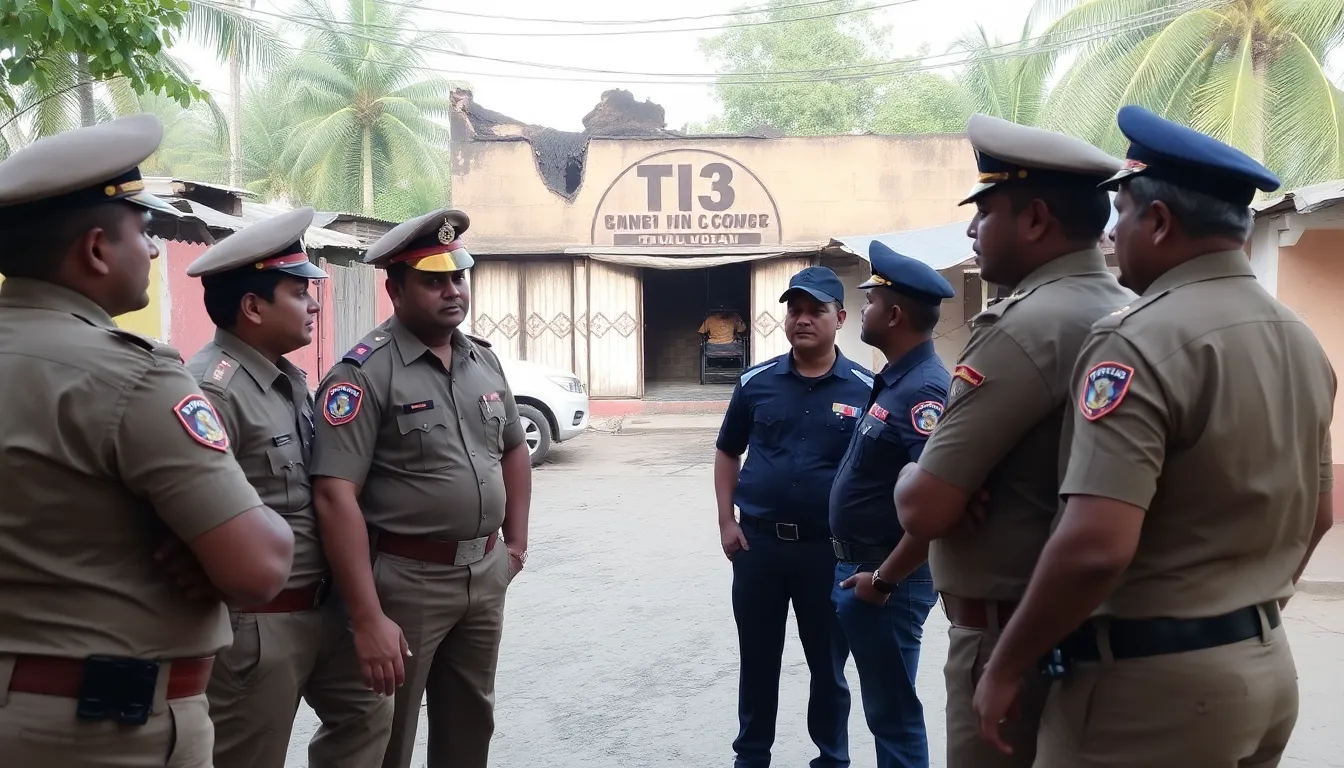
Local authorities and law enforcement are tasked with conducting a thorough investigation into the fire’s cause and the nightclub’s operational standards. Their interests include ensuring public safety, enforcing the law, and restoring community trust. However, they may face challenges such as political pressure and public scrutiny, which could complicate their efforts.
Victims’ families and the broader community are also key stakeholders, seeking justice and answers regarding the circumstances of the fire. Their interests focus on accountability for the nightclub owners and a commitment from local authorities to enhance safety measures in entertainment venues. The emotional toll on these families highlights the need for a compassionate response from both the government and the business community.
- Potential legal ramifications for the nightclub owners regarding negligence and safety violations.
- Impact of the incident on Goa’s tourism industry and local economy.
- Calls for stricter regulations and enforcement of safety standards in nightlife venues.
- The role of public sentiment and media coverage in shaping the investigation’s outcomes.
- Possible diplomatic implications if the nightclub owners remain abroad and avoid legal proceedings.
The impact of the fire on the local community and nightlife
The recent fire at a Goa nightclub has left a significant mark on the local community, particularly affecting those directly involved in the nightlife industry. With the owners reportedly fleeing to Thailand shortly after the incident, uncertainty looms over the future of many establishments in the region. This situation not only impacts the nightclub owners and employees but also extends to local businesses that rely on the nightlife for their revenue.
In the short term, the immediate effects are evident. Nightclubs and bars may face closures as safety regulations are reassessed, leading to a decrease in nightlife activities. This could result in job losses for staff and a decline in patronage for nearby restaurants and shops that depend on the nightlife crowd. The local economy, which thrives on tourism and entertainment, could see a downturn as visitors may choose to avoid the area until safety concerns are addressed.
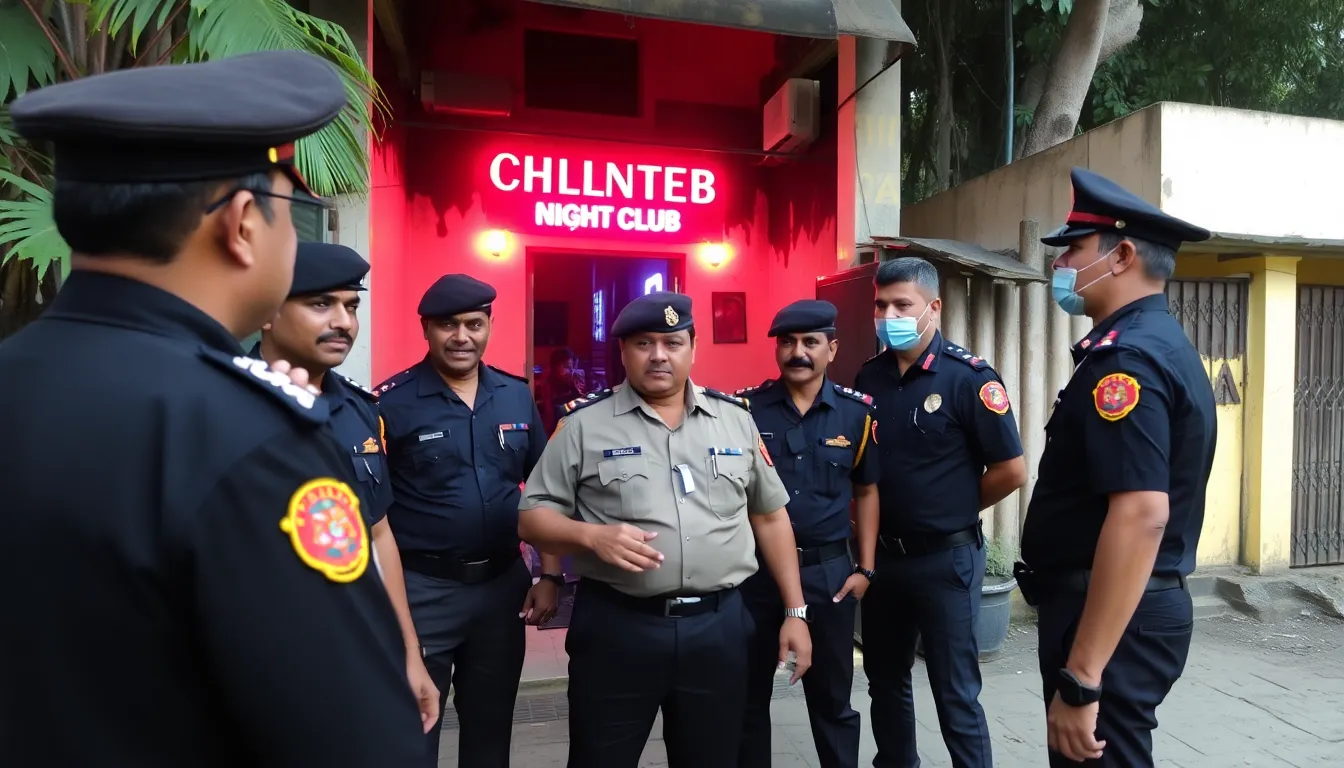
Furthermore, the incident has raised questions about regulatory oversight and safety standards within the hospitality industry. Policymakers may feel pressured to implement stricter regulations, which could lead to increased operational costs for business owners. While this may enhance safety in the long run, it could also deter new investments in the nightlife sector, stifling growth opportunities.
However, amidst these challenges, there are potential opportunities for innovation and improvement. Some local entrepreneurs might seize the moment to create safer and more sustainable nightlife options, incorporating advanced safety technologies and better management practices. This could lead to a transformation in the industry, attracting a different demographic of patrons who prioritize safety and responsible entertainment.
- Job losses in the nightlife and hospitality sectors.
- Potential increase in safety regulations and operational costs.
- Opportunities for innovation in nightlife experiences.
- Possible decline in tourism and local business revenue.
A: The investigation is ongoing, but initial reports suggest it may have been due to electrical faults or negligence in safety protocols. A: The fire resulted in several injuries and fatalities, with emergency services responding swiftly to the scene. A: Authorities are currently pursuing legal action and seeking extradition of the owners from Thailand to face charges. A: Following the incident, local officials are reviewing fire safety regulations and enforcement in all nightlife establishments. A: The community has expressed outrage and concern over safety standards, demanding accountability from venue owners.
Frequently asked questions regarding the incident
Insights and future implications of the nightclub fire
The tragic incident at the Goa nightclub has raised significant concerns about safety regulations and emergency preparedness in entertainment venues. The swift departure of the nightclub owners to Thailand shortly after the fire adds a layer of complexity to the investigation, highlighting potential accountability issues and the need for stricter enforcement of safety standards. As authorities continue to probe the circumstances surrounding the fire, the implications for the nightlife industry in Goa and beyond are profound.
Moving forward, stakeholders including local government, venue owners, and patrons must prioritize safety and transparency. The incident could serve as a catalyst for reform, prompting a reevaluation of existing regulations and the implementation of more rigorous safety measures to prevent future tragedies.
- Increased scrutiny and enforcement of safety regulations in nightlife venues are likely to follow.
- The incident may lead to heightened public awareness and demand for safer entertainment environments.
- Potential legal repercussions for the owners could influence future business practices in the industry.
- Tourism and local businesses may be affected as perceptions of safety in Goa are reassessed.
- Community and government collaboration could emerge as essential for rebuilding trust and ensuring safety in nightlife settings.