


Recent reports indicate that a significant percentage of vendors at these fairs are now selling mass-produced items, which can be sourced cheaply from overseas. For instance, a survey conducted by the Craft Council in October 2023 revealed that nearly 60% of craft fair participants noted a rise in imports compared to previous years. This shift is causing frustration among local artisans who pride themselves on the quality and uniqueness of their creations. This concern is echoed by many consumers who wish to prioritize handmade goods during the holiday season.
In response to these developments, several community groups are advocating for stricter regulations on what can be sold at local fairs. They argue that preserving the integrity of these events is crucial not only for crafters but also for consumers who seek authentic, handmade goods. Events scheduled for the upcoming months, including the popular Winter Wonderland Fair in early December, are now at the center of this debate.
The implications of this situation extend beyond the craft community, as it raises questions about consumer choice and the value placed on handmade versus imported products. As shoppers prepare for the festive season, the demand for genuine artisan goods may clash with the allure of cheaper, mass-produced alternatives. This ongoing conflict is set to shape the landscape of holiday markets in the coming weeks.
Understanding the background of the festive fair market
The festive fair market has long been a cherished tradition in many communities, serving as a platform for local artisans and crafters to showcase their handmade goods. Historically, these fairs have provided a vital source of income for small businesses and a way for consumers to purchase unique, locally made products. However, in recent years, the landscape of these markets has shifted dramatically, with an influx of imported goods threatening the livelihoods of local crafters.
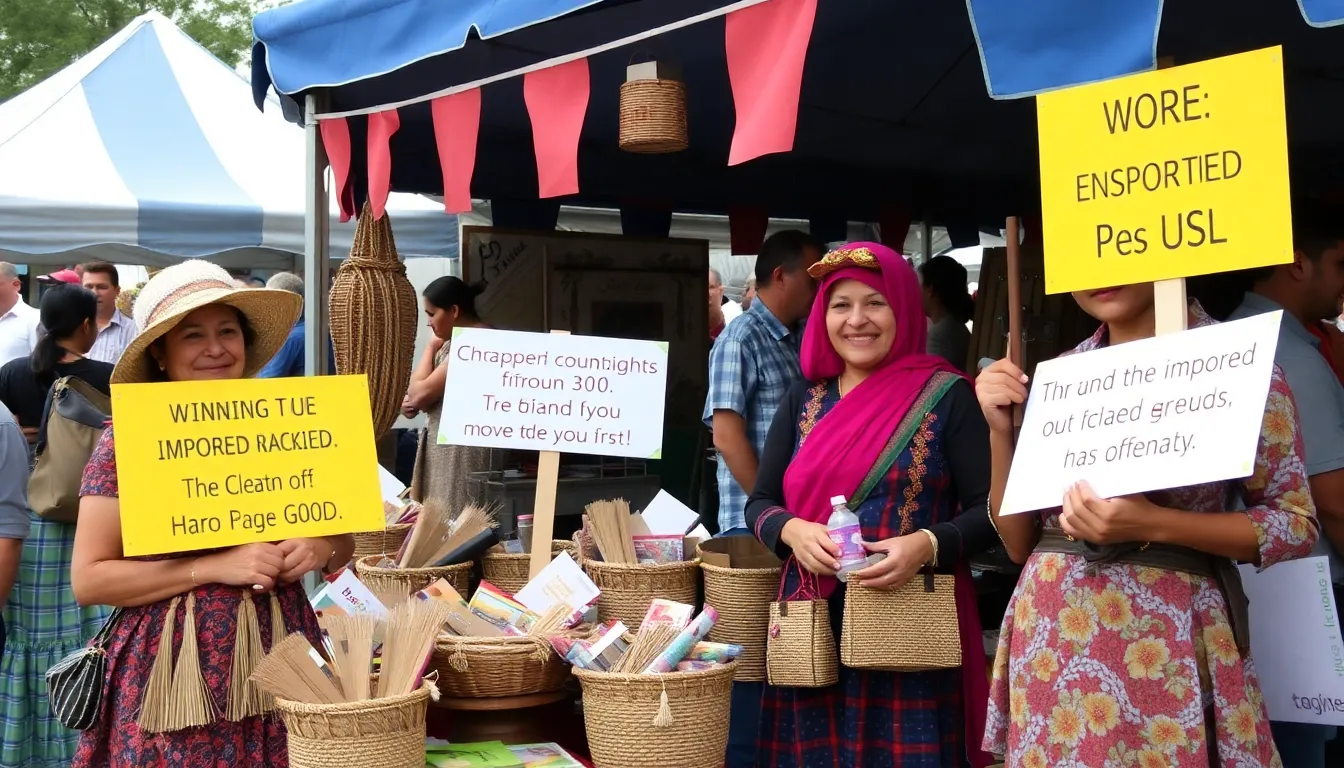
Political and economic factors have played a significant role in this transformation. The rise of globalization has made it easier for cheap, mass-produced items to flood the market, often at the expense of local craftsmanship. Many consumers, drawn by lower prices, have turned to imported goods, which has led to a decline in sales for local artisans. This shift has raised concerns among crafters, who argue that the quality and uniqueness of their handmade products are being overshadowed by what they refer to as ‘tat’—low-quality, mass-produced items that lack the personal touch of local craftsmanship. Understanding these dynamics is essential for consumers to support local businesses effectively.
The Impact of Trade Policies
Trade policies have also influenced the dynamics of the festive fair market. Tariffs and trade agreements have made it easier for imported products to compete with local goods. As a result, many crafters feel that they are fighting an uphill battle against unfair competition. These policies have not only affected pricing but have also altered consumer perceptions, leading to a preference for cheaper alternatives over quality handmade items.
Moreover, the COVID-19 pandemic has exacerbated these challenges. With many local fairs being canceled or scaled back, crafters have faced even greater difficulties in connecting with their customer base. The reliance on online sales has increased, but many artisans struggle to compete with larger retailers who can offer lower prices and faster shipping. This situation has sparked a renewed call for community support and a push to prioritize local businesses during festive seasons.
As the festive fair market continues to evolve, the tension between local crafters and imported goods highlights a broader conversation about consumer choices and the value of supporting local economies. Understanding this background is crucial for consumers who wish to make informed decisions about their purchases during the holiday season, especially as they consider the implications of buying imported items versus local crafts.
Key stakeholders and issues surrounding imported goods
The debate over the presence of imported goods at festive fairs has brought several key stakeholders to the forefront, each with distinct interests and concerns. Among these stakeholders are local crafters, consumers, event organizers, and government regulatory bodies. Local crafters are particularly vocal, arguing that the influx of cheap, mass-produced items undermines their livelihoods and the authenticity of the fairs.
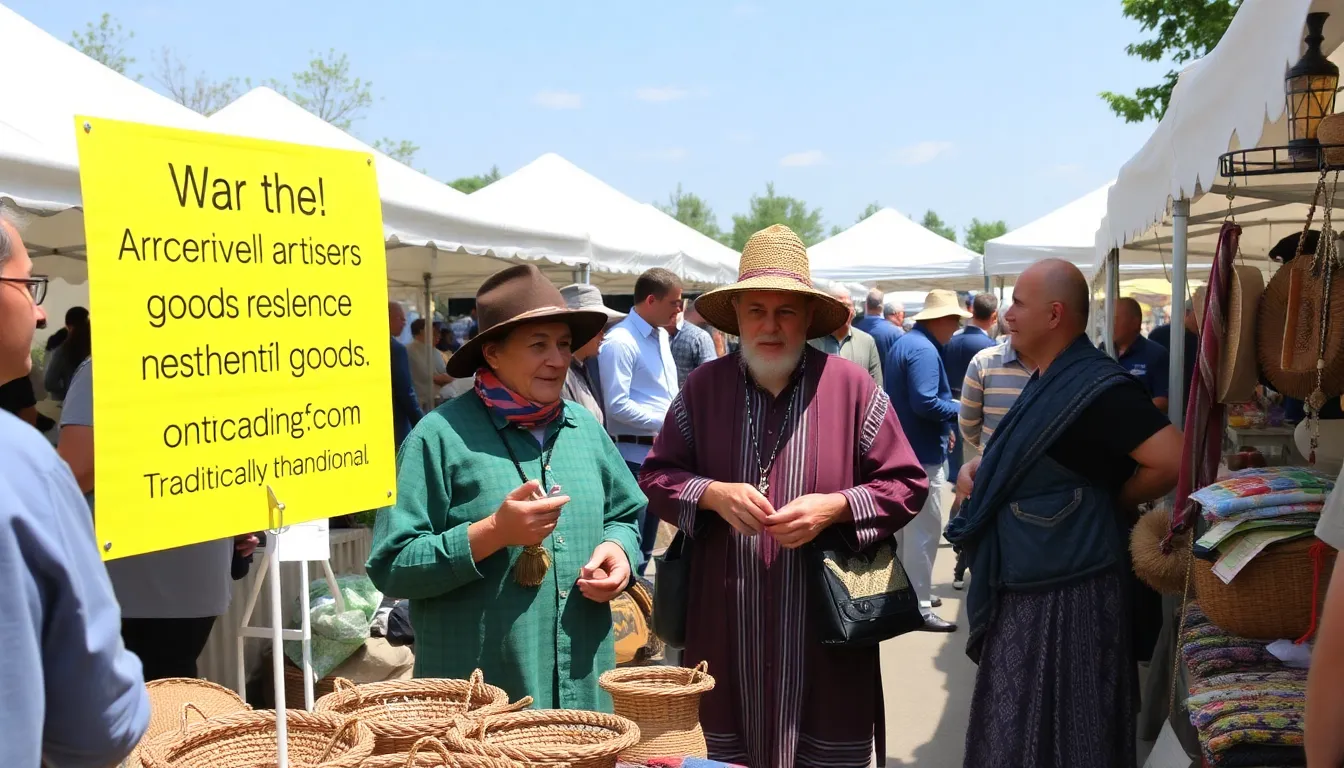
Local crafters often emphasize the value of handmade goods, which reflect the culture and creativity of the community. They argue that imported products, often referred to as ‘tat’, lack the quality and craftsmanship that consumers should expect at such events. This sentiment is echoed by many consumers who seek unique, locally-made items as gifts during the festive season.
Event organizers face a complex trade-off between attracting a diverse range of vendors and maintaining the integrity of their fairs. While including imported goods can increase foot traffic and sales, it risks alienating local artisans who may choose to withdraw from participating. This could lead to a homogenization of products available at these events, diminishing their appeal.
Government regulatory bodies also play a crucial role in this issue, as they are responsible for setting standards for imported goods. Key legal issues arise around quality control, safety regulations, and labeling requirements. Ensuring that imported items meet these standards can be challenging, especially when dealing with a wide range of products from various countries.
- Local Crafters: Advocate for fair representation and protection against low-quality imports.
- Consumers: Desire unique, authentic items that reflect local craftsmanship.
- Event Organizers: Struggle to balance vendor diversity and event integrity.
- Government Regulators: Tasked with enforcing standards and regulations for imported goods.
Ultimately, the dynamics between these stakeholders highlight the broader economic implications of globalization and consumer choice, as well as the importance of preserving local traditions in the face of changing market conditions.
The effects of imported goods on local artisans and markets
The influx of imported goods, often referred to as ‘tat,’ is significantly impacting local artisans and craft markets. These imports, typically lower in quality and price, pose a direct threat to the livelihoods of local crafters who pride themselves on handmade, unique products. As festive fairs approach, the competition intensifies, leading to concerns among artisans regarding their sales and visibility.

In the short term, local markets may see a decline in foot traffic as consumers gravitate towards cheaper imported alternatives. This shift can result in reduced sales for local artisans, affecting their ability to sustain their businesses. Additionally, the presence of low-quality imported items can dilute the overall experience of craft fairs, potentially driving away customers who seek authentic, handmade goods.
In the mid-term, the challenges posed by imported goods could lead to changes in local policies aimed at protecting artisans. There may be calls for stricter regulations on the sale of imported items at local fairs, or initiatives to promote local craftsmanship through marketing campaigns. While these measures could provide some relief, they also require significant advocacy and community support.
However, this situation also presents opportunities for local artisans to innovate and differentiate their products. By emphasizing the quality and uniqueness of their crafts, artisans can appeal to consumers looking for authentic experiences. Collaborations among local crafters to create unique, themed offerings may also enhance market appeal.
- Short-term decline in sales for local artisans.
- Potential changes in local policies to protect artisan markets.
- Opportunities for innovation and product differentiation.
- Collaborative initiatives among local crafters to boost visibility.
A: Imported ‘tat’ refers to low-quality, often mass-produced items that lack the craftsmanship and authenticity of local handmade goods. A: The presence of imported goods can significantly reduce sales for local crafters, as consumers may opt for cheaper, lower-quality items instead of supporting local artisans. A: Regulations can vary by location, but many fairs are increasingly recognizing the need to support local artisans and may implement rules to limit imported items. A: Consumers can choose to buy handmade products, attend local craft fairs, and advocate for policies that protect local artisans from unfair competition. A: Not all imported goods are considered ‘tat’; some imports may be of high quality. However, the term generally refers to items that are poorly made and lack uniqueness.
Frequently asked questions about imported goods at fairs
Looking ahead: the future of local crafts at festive fairs
As the festive season approaches, the concerns raised by local crafters regarding the influx of imported goods at fairs highlight a critical intersection of tradition and commerce. The challenge lies not only in preserving the authenticity of handmade items but also in ensuring that local artisans can compete effectively in a market increasingly filled with mass-produced alternatives. The response from both consumers and event organizers will play a pivotal role in shaping the landscape of these fairs moving forward.
In the coming years, we may witness a growing emphasis on supporting local economies and sustainable practices. The rise of consumer awareness regarding the origins of products could lead to a shift in purchasing behaviors, favoring unique, handcrafted items over generic imports. This evolving sentiment presents an opportunity for crafters to strengthen their narratives and connect more deeply with their audience.
- Consumer Awareness: Increased interest in supporting local artisans may drive sales for handmade products.
- Event Organizers’ Role: Fairs may implement stricter guidelines on vendor selection to prioritize local crafts.
- Authenticity Appeal: Crafters can enhance their storytelling to emphasize the uniqueness and craftsmanship behind their products.
- Sustainability Trends: The push for sustainable and ethically sourced goods could favor local makers over imported goods.
- Community Engagement: Collaborations among local crafters could strengthen their market presence and attract more attendees to fairs.