


In October 2023, a collaborative project between universities and heritage organizations unveiled a comprehensive digital archive that allows users to explore the routes that connected the far reaches of the empire.
Moreover, the mapping of these roads underscores the importance of preserving historical sites and understanding their role in modern urban planning. As cities continue to grow, insights gained from the Roman road system can inform sustainable development practices and transportation networks today.
Public interest has surged, with numerous educational programs and exhibitions planned to promote awareness of this ancient engineering marvel. As discussions about infrastructure and connectivity become increasingly relevant in contemporary society, the legacy of Roman roads offers valuable lessons in resilience and innovation.
The Historical Background of Roman Road Construction
The construction of roads in ancient Rome was not merely a feat of engineering; it was a crucial element of the Roman Empire’s expansion and administration. Beginning in the late 4th century BCE, the Romans recognized the need for efficient transportation routes to facilitate trade, military movement, and communication across their vast territories. The famous saying, “All roads lead to Rome,” reflects the centrality of the city in this intricate network of pathways, which ultimately spanned over 187,460 miles, paving the way for modern infrastructure.

One of the key milestones in Roman road construction was the establishment of the Via Appia in 312 BCE, which connected Rome to the southern regions of Italy. This road not only served military purposes by allowing for the swift movement of troops but also stimulated economic growth by enhancing trade routes. The strategic placement of roads often mirrored the empire’s military campaigns, ensuring that newly conquered territories were quickly integrated into the Roman economy.
The Engineering Innovations Behind Roman Roads
Roman engineers employed advanced techniques for road construction, including the use of layers of materials to create durable surfaces, which parallels the innovative approaches seen in today’s engineering practices. They utilized gravel, sand, and large stones, ensuring that roads could withstand heavy traffic and adverse weather conditions.
As the empire expanded, so did the complexity of its road system. By the 2nd century CE, the Romans had developed a comprehensive network that connected distant provinces, facilitating not only military logistics but also cultural exchange. This interconnectedness played a significant role in the spread of Roman culture and governance, laying the groundwork for the development of future European road systems.
In addition to their military and economic importance, Roman roads also served as conduits for social interaction. They facilitated the movement of people, ideas, and goods, fostering a sense of unity across diverse regions. The legacy of Roman road construction is evident in modern infrastructure, as many contemporary roads still follow the paths laid down by the Romans, highlighting the enduring influence of their engineering prowess.
Key Stakeholders in the Study of Roman Infrastructure
The exploration of the extensive network of roads that led to Rome involves a diverse group of stakeholders, each with unique interests and perspectives. These actors include historians, archaeologists, government entities, and local communities, all of whom contribute to the understanding and preservation of this ancient infrastructure.
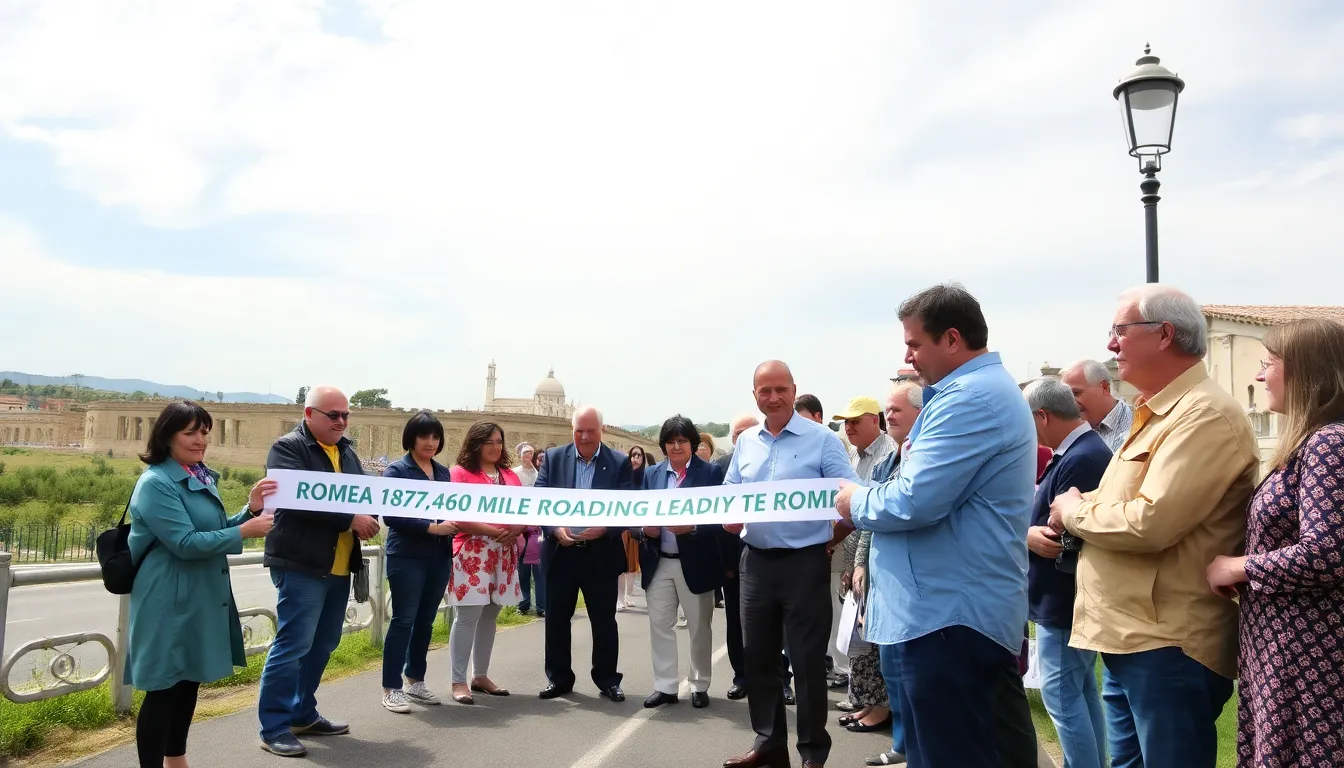
Historians and archaeologists are primarily interested in the cultural and historical significance of the Roman roads. Their goal is to uncover the methods of construction, the routes taken, and the socio-economic impact these roads had on the expansion of the Roman Empire. This research can lead to conflicts over interpretations of historical data and the prioritization of certain sites over others.
Government entities, both local and national, have a vested interest in the preservation and promotion of these historical sites. They may face trade-offs between development projects and the conservation of archaeological sites. Economic interests often clash with preservation efforts, as infrastructure development can lead to increased tourism but may also threaten the integrity of ancient roads.
- Economic Development vs. Preservation: The challenge of balancing infrastructure growth with the need to protect historical sites.
- Public Interest vs. Academic Research: Conflicts may arise between the interests of local communities wanting access to sites and researchers seeking to limit disturbances.
- Funding and Resources: The allocation of financial resources for excavation and maintenance can lead to competition among stakeholders.
Local communities often play a crucial role in the dialogue surrounding the Roman roads, as they may rely on tourism generated by these historical sites. Their interests may align with those of historians and archaeologists in terms of preservation, but they may also seek economic benefits that come from increased visitor traffic. This can create a complex interplay of interests that needs careful management to ensure that both historical integrity and community needs are addressed.
The Influence of Roman Roads on Modern Transportation
The extensive network of Roman roads, totaling 187,460 miles, has left an indelible mark on contemporary transportation systems. Various groups, including urban planners, historians, and transportation industries, are directly affected by the insights gained from these ancient pathways. Additionally, regions that were historically connected by these roads may experience renewed interest and investment, leading to economic revitalization.
In the short term, communities situated along these ancient routes could see an increase in tourism as history enthusiasts flock to explore the remnants of Roman engineering. Local businesses, such as restaurants and shops, may benefit from this influx of visitors, creating a ripple effect that stimulates the local economy. Furthermore, the mapping of these roads can inform current infrastructure projects, leading to improved connectivity and accessibility.

In the mid-term, policymakers may leverage the historical significance of Roman roads to advocate for transportation initiatives that honor this legacy while addressing modern needs. This could include the development of bike paths and pedestrian walkways that follow the original routes, promoting sustainable transportation and enhancing community engagement. However, the challenge lies in balancing preservation with modernization, as some may resist changes that could alter the historical landscape.
- Tourism Growth: Increased visitor traffic to historical sites.
- Economic Revitalization: Boost for local businesses along the routes.
- Infrastructure Development: Improved transportation planning and connectivity.
- Policy Opportunities: Initiatives to integrate history into modern transport solutions.
While the potential for economic and cultural benefits is significant, there are also risks to consider. The commercialization of historical sites may lead to over-tourism, threatening the integrity of these ancient routes. Additionally, the challenge of maintaining a balance between development and preservation could spark debates among stakeholders, highlighting the need for careful planning and inclusive dialogue.
A: Roman roads were primarily built for military movement, trade, and communication. They facilitated the efficient transport of troops and goods across the empire. A: Roman roads were constructed using layers of materials, including gravel, stones, and concrete, ensuring durability and proper drainage. A: This phrase highlights the centrality of Rome in the ancient world, emphasizing how all major roads were designed to connect back to the capital. A: Yes, many Roman roads have been preserved and are still used as modern pathways or roads, showcasing their enduring design. A: Modern mapping technologies, such as GIS and satellite imagery, have revolutionized the study of Roman roads, allowing for detailed analysis and preservation efforts.
Frequently Asked Questions About Roman Roads
Key Takeaways and Future Perspectives on Roman Roads
The extensive network of roads that led to Rome not only facilitated the movement of armies and trade but also played a crucial role in the cultural exchange that defined the Roman Empire. Understanding the engineering and strategic significance of these roads provides valuable insights into the foundations of modern infrastructure and urban planning. As we explore the implications of this ancient network, it becomes clear that the lessons learned from Roman road construction can inform contemporary approaches to connectivity and development.
Looking ahead, the principles of durability, accessibility, and integration exemplified by Roman roads can guide current and future infrastructure projects. As cities expand and the demand for efficient transportation grows, revisiting these age-old strategies may offer innovative solutions to modern challenges.
- Infrastructure Investment: Prioritizing robust infrastructure can enhance economic growth and connectivity, drawing inspiration from the durability of Roman road systems.
- Cultural Exchange: Modern transportation networks should facilitate not just movement, but also cultural interactions, reflecting the Roman emphasis on integration.
- Urban Planning: Lessons from the layout and design of Roman roads can inform contemporary urban planning, ensuring cities are designed for both efficiency and accessibility.
- Environmental Considerations: Sustainable practices in road construction and maintenance can echo the Roman approach to using local materials and adapting to landscapes.