


The hearings, which began on August 29, 2023, have drawn attention from various stakeholders, including religious groups, women’s rights activists, and legal experts. For more on the impact of religious practices in modern society, visit this article. The court’s deliberations focus on the balance between individual rights and traditional religious practices, a contentious issue in a country known for its diverse cultural landscape. The outcome of these hearings could set a precedent for similar cases across India.
Prominent figures, including petitioners and respondents, have presented their arguments, highlighting the need for gender equality in religious spaces while also respecting the beliefs of specific communities. The Supreme Court’s decision is expected to address not only the legal aspects but also the broader societal implications of allowing or restricting women’s access to places of worship. This case could significantly influence ongoing movements advocating for gender equality in various sectors.
This case reflects a larger dialogue in India regarding women’s rights and religious freedoms, as it intersects with issues of modernity and tradition. As the court continues to hear arguments, the implications of its ruling will resonate beyond the temple itself, potentially influencing policies and attitudes towards gender equality in various religious contexts.
Understanding the historical context of temple access for women
The issue of women’s access to temples in India is deeply rooted in the country’s complex socio-religious landscape. Historically, many temples have enforced restrictions on women’s entry, often citing religious texts and traditions as justification. These practices can be traced back to ancient customs that viewed women as impure during certain life stages, particularly during menstruation, leading to their exclusion from sacred spaces.
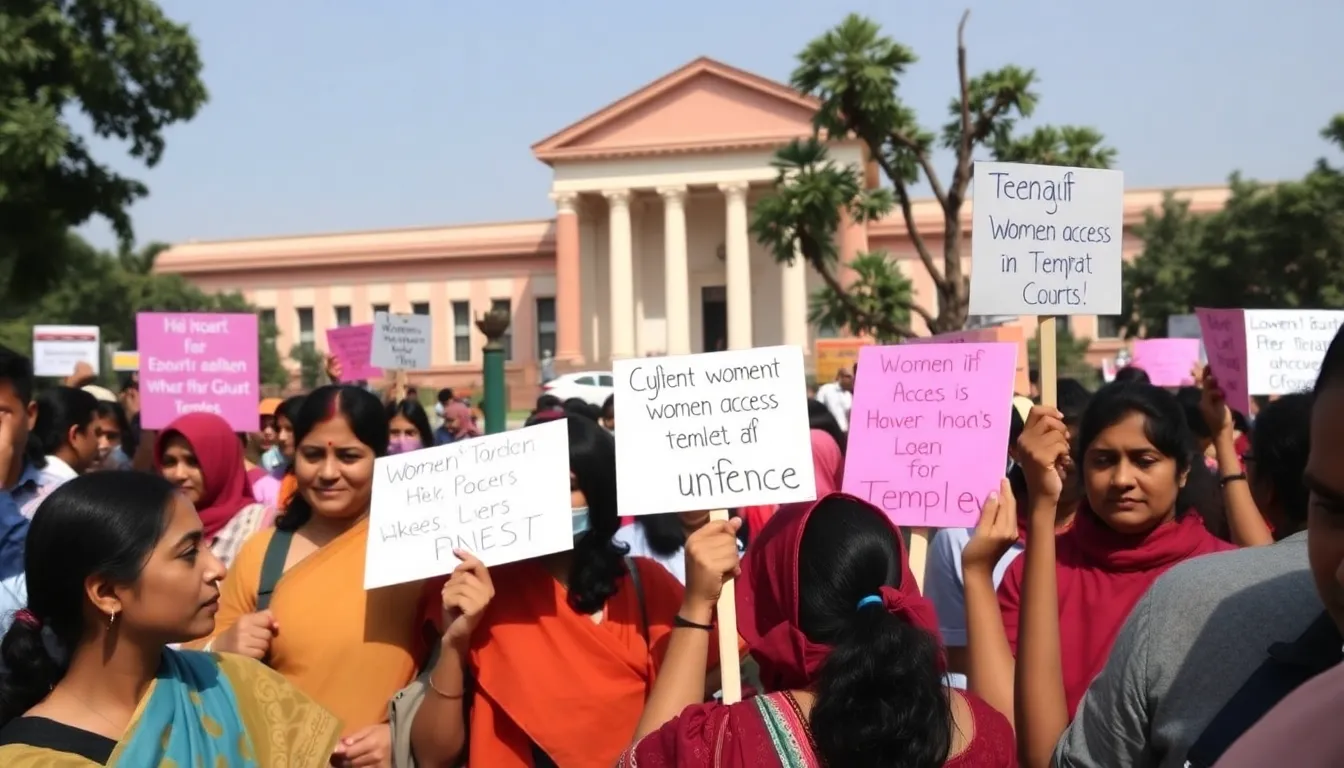
One significant milestone in this ongoing debate occurred in 2018 when the Supreme Court of India ruled that women of all ages should be allowed entry into the Sabarimala temple in Kerala, which had long prohibited women of menstruating age. This landmark decision was hailed as a progressive step towards gender equality and was seen as a challenge to entrenched patriarchal norms within religious practices. However, the ruling sparked widespread protests and backlash from various religious groups who argued that such decisions undermined their traditional beliefs. For an insight into societal challenges, refer to this coverage.
Socially, the fight for women’s rights in India has gained momentum over the past few decades, with movements advocating for gender equality gaining visibility and support. The intersection of religion and gender has become a focal point for these movements, as activists challenge discriminatory practices that restrict women’s rights. The Sabarimala case became emblematic of this struggle, highlighting the tensions between religious freedom and gender equality in contemporary India.
Legal Precedents and Ongoing Challenges
The legal landscape surrounding women’s entry into temples has evolved, but challenges remain. Following the Sabarimala verdict, several other cases emerged, with women seeking access to other temples that enforced similar restrictions. The Supreme Court’s willingness to address these issues reflects a broader trend towards reevaluating traditional practices in light of constitutional rights. However, the backlash from conservative factions illustrates the ongoing struggle between modern legal interpretations and traditional beliefs.
Key stakeholders and issues surrounding the temple entry debate
The ongoing legal discourse regarding women’s entry into temples in India involves several key stakeholders, each with distinct interests and perspectives. The Supreme Court of India plays a pivotal role as the arbiter of constitutional rights, while various religious organizations and women’s rights groups actively engage in the debate, representing contrasting viewpoints on tradition and equality.
Among the primary actors are:
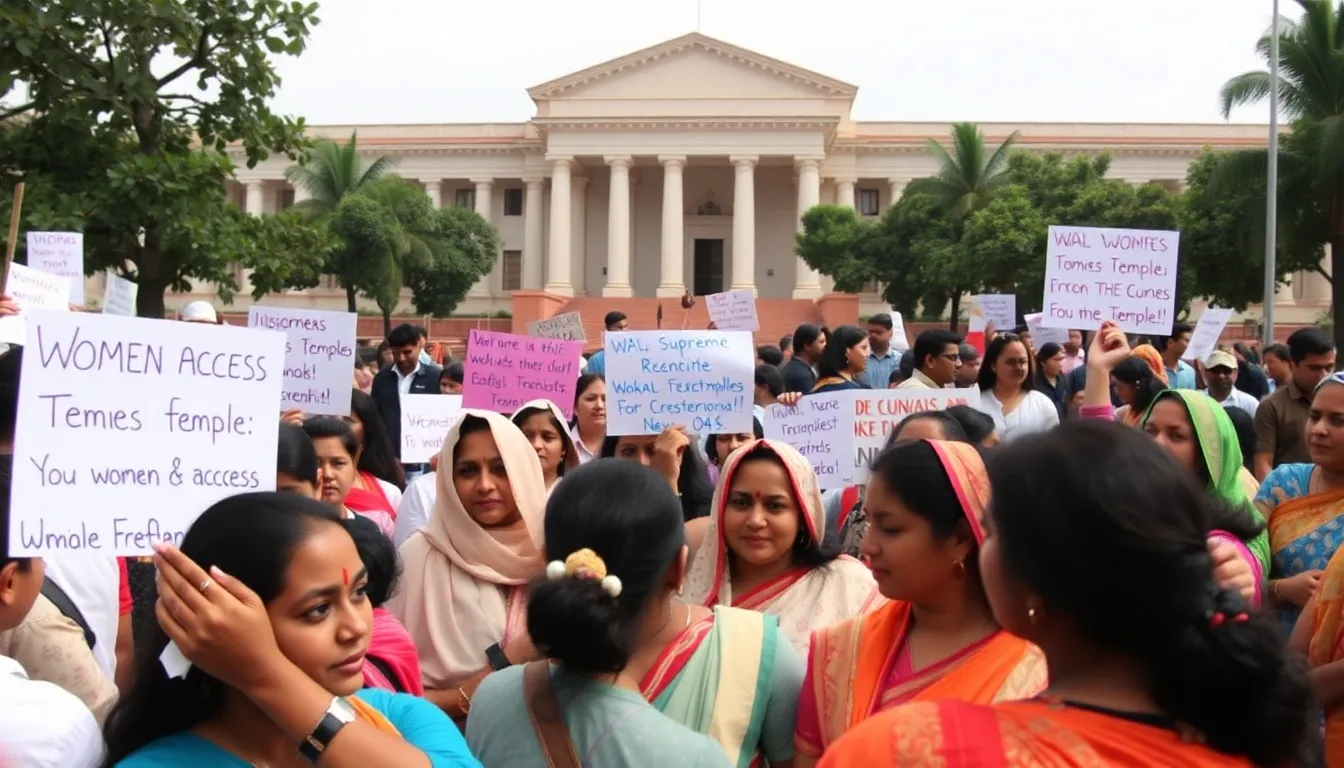
- Supreme Court of India: Tasked with interpreting the Constitution, the court’s decisions can set precedents that affect religious practices and gender equality.
- Hindu Religious Organizations: Groups such as the temple authorities and traditionalists advocate for the preservation of religious customs, arguing that women’s entry into specific temples could disrupt age-old practices.
- Women’s Rights Activists: Advocates for gender equality view the right to enter temples as a fundamental aspect of women’s rights, emphasizing the need to dismantle patriarchal structures within religious practices.
- Government Bodies: The government’s stance on the issue can influence public policy and societal norms, balancing religious freedoms with constitutional mandates of equality.
Conflicts arise from the intersection of religious freedom and gender equality, highlighting the tension between preserving cultural heritage and advancing social justice. The legal challenges also raise questions about the extent to which the state can intervene in religious matters without infringing on personal beliefs.
Key issues at stake include:
- Interpretation of constitutional rights regarding gender equality.
- The impact of the ruling on religious practices and community sentiments.
- Potential backlash from conservative factions within society.
- The role of public opinion in shaping legal outcomes.
- Broader implications for women’s rights across different religious contexts.
This multifaceted debate reflects deeper societal issues, including the ongoing struggle for women’s rights in India and the balancing act between tradition and progressive change. As the Supreme Court deliberates, the outcomes will likely resonate beyond the immediate context, influencing future discussions on gender and religion in the country.
Potential impacts on women and religious practices in India
The ongoing legal challenges regarding women’s entry into temples in India have far-reaching implications for various groups and sectors. Primarily, women from different socio-economic backgrounds are at the forefront of this issue, as the outcome could redefine their access to religious spaces. Additionally, religious institutions and communities may face significant changes in their operational practices and beliefs.
In the short term, the ruling could lead to heightened tensions within communities, particularly among traditionalists who oppose the entry of women into certain temples. This may result in protests or demonstrations, impacting local businesses and tourism in areas known for their religious significance. The immediate response from religious leaders and organizations could also influence public sentiment and social dynamics.
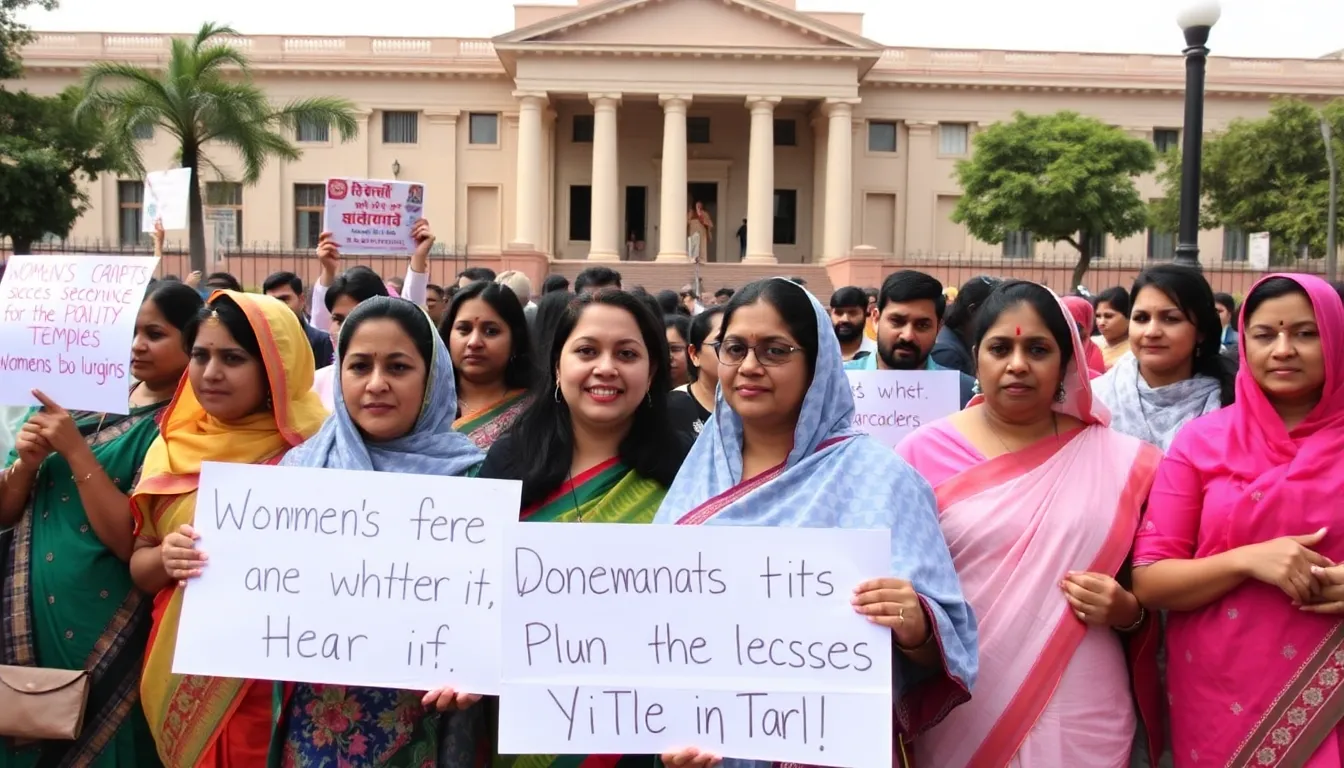
In the mid-term, if the court rules in favor of women’s entry, it could foster a more inclusive environment, encouraging greater participation of women in religious and cultural activities. This shift may lead to positive changes in community engagement and could empower women, enhancing their roles within both religious and societal contexts.
- Risks: Potential backlash from conservative factions, leading to social unrest.
- Opportunities: Increased tourism and economic activity in regions with temples open to women.
- Policy Changes: Potential reforms in religious practices and gender equality laws.
Moreover, businesses that cater to religious tourism could see a surge in demand if more women are allowed access, creating new market opportunities. Conversely, industries reliant on traditional practices may face challenges as societal norms evolve in response to the court’s decision.
A: The Supreme Court is reviewing challenges to a ruling that permits women to enter temples, which some religious groups oppose. This case raises questions about gender equality and religious rights. A: The ruling has been seen as a significant step towards gender equality in India, allowing women greater access to religious spaces traditionally restricted to men. A: Proponents argue that it promotes equality and women’s rights, while opponents cite religious traditions and beliefs as reasons for maintaining restrictions. A: The decision could set a precedent for gender equality in religious practices and influence similar cases across India, impacting social norms. A: The timeline for the court’s decision is uncertain, as it will depend on the deliberations and arguments presented during the hearings.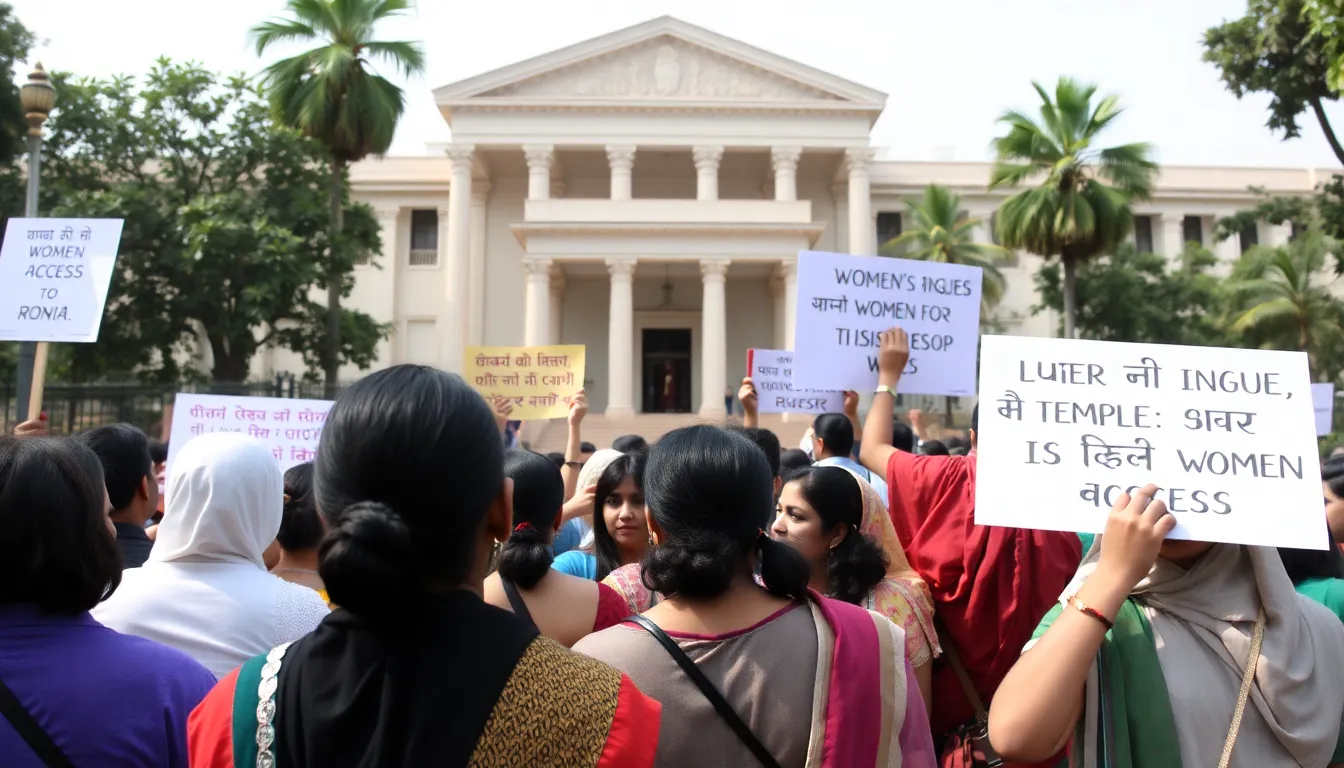
Frequently asked questions about the court case
Outlook on the future of women’s access to temples
The ongoing deliberations in India’s top court regarding women’s entry into temples highlight a critical intersection of tradition, gender equality, and legal rights. As the judiciary navigates these complex issues, the implications of its rulings could resonate far beyond the immediate context, potentially influencing broader societal norms and legal frameworks surrounding women’s rights in religious spaces.
Observers should pay close attention to how the court’s decisions may set precedents for future cases involving gender discrimination in religious practices. The outcome could either reinforce existing barriers or pave the way for more inclusive interpretations of religious access, reflecting a significant shift in societal attitudes towards gender equality.
- The court’s ruling could catalyze similar challenges in other religious contexts, prompting a nationwide dialogue on women’s rights.
- Legal precedents established in this case may influence future legislation aimed at promoting gender equality in various sectors.
- Increased visibility of women’s rights issues could lead to greater public support for reforms, potentially reshaping cultural attitudes.
- The decision may encourage women to assert their rights more confidently in other areas of life, fostering a broader movement for equality.