


Overview of the Current Labor Dispute
The ongoing labor dispute involving the Writers Guild of America West (WGA West) has drawn significant attention as state officials urge a resolution. The strike, which began on October 1, 2023, has seen staffers demanding better working conditions and fair compensation. As negotiations stall, the implications for the entertainment industry and its workforce are becoming increasingly critical, as discussed in similar labor disputes.
California State Senator Maria Durazo has publicly called on WGA West to expedite negotiations with the striking staffers. In her statement, she emphasized the importance of reaching a fair agreement to ensure the stability of the creative workforce. The senator’s involvement highlights the broader impact of the strike on local economies and the creative sector.
As the strike continues, various production schedules are being disrupted, leading to delays in film and television projects. Industry insiders have expressed concerns about the long-term effects on content creation and job security for writers and support staff alike, much like the historical challenges highlighted by previous strikes.
The WGA West’s leadership has indicated a willingness to negotiate, but significant gaps remain between the demands of the staffers and the guild’s proposals. As discussions progress, the outcome of this dispute could set important precedents for labor relations within the entertainment industry. Stakeholders are closely monitoring the situation, as it may influence future negotiations across similar sectors.
Background on WGA West and Its Staffers
The Writers Guild of America West (WGA West) has long been a significant force in the entertainment industry, representing thousands of writers across television, film, and digital media. Founded in 1933, the organization has fought tirelessly for the rights and fair compensation of its members, navigating the complexities of a rapidly evolving industry. The current strike by staffers highlights the ongoing tensions between labor and management in Hollywood, as well as the broader implications for workers’ rights in the gig economy, reflecting trends seen in other sectors.
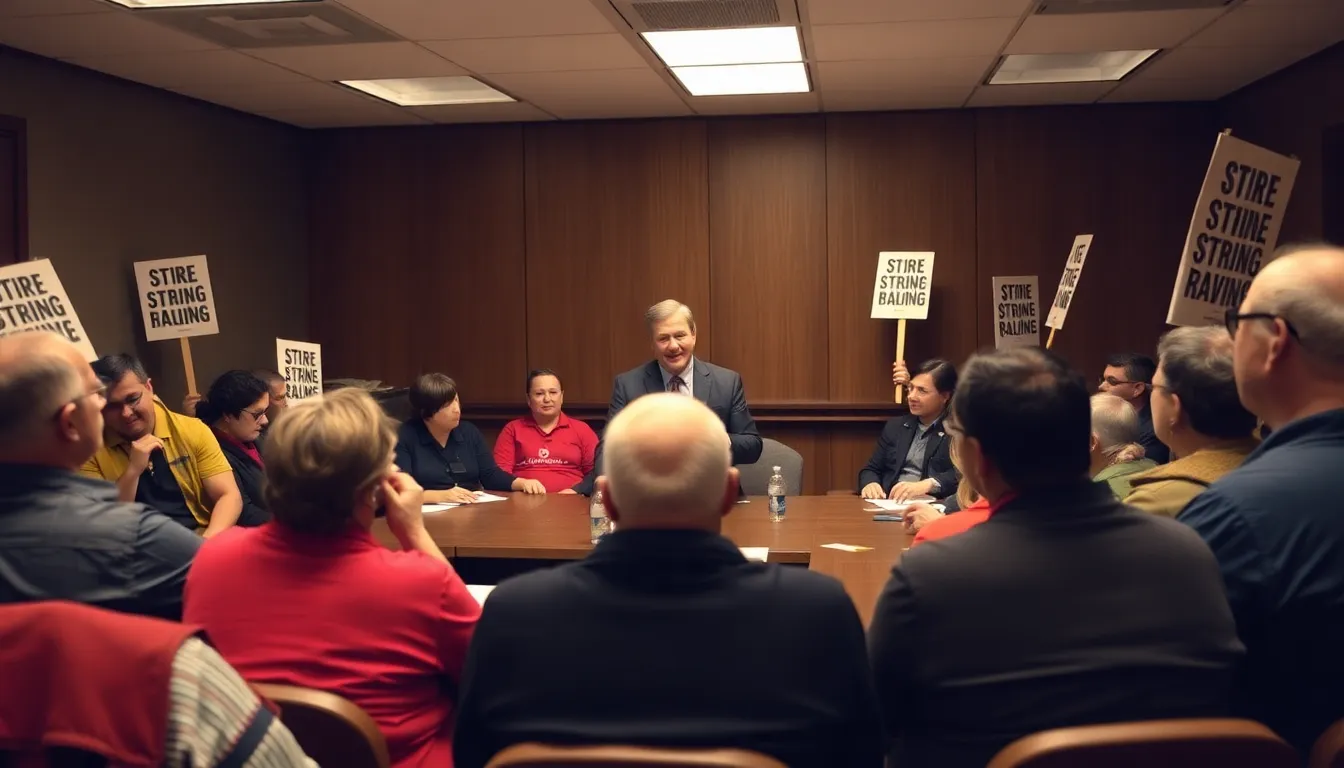
Historically, the WGA has been involved in several major strikes, with the most notable being the 2007-2008 strike that lasted for 100 days. This strike brought attention to issues such as residuals for digital content, which were not adequately addressed at the time. The outcome of that strike led to significant changes in how writers are compensated, but it also set a precedent for ongoing negotiations and conflicts between writers and production companies. The current situation echoes these past struggles, as staffers demand better working conditions and pay.
Politically, the involvement of state senators in labor disputes is not uncommon, particularly in California where the entertainment industry plays a vital role in the economy. The recent call from a state senator for WGA West to reach a deal with striking staffers underscores the growing concern over labor rights and the need for equitable treatment of all workers in the industry. This political pressure may influence negotiations, as public sentiment increasingly favors workers’ rights and fair labor practices.
Economic Implications
The economic landscape of the entertainment industry has shifted dramatically in recent years, with the rise of streaming services creating new revenue models and challenges for writers. As production companies adapt to these changes, the financial stability of staffers has come under scrutiny. Many staffers are advocating for better pay and job security, reflecting a broader trend of workers across various sectors seeking improved conditions. The outcome of the WGA West negotiations could set a crucial precedent for labor relations in the entertainment sector and beyond.
Key Stakeholders and Issues at Play
The ongoing strike by staffers at the Writers Guild of America West (WGA West) has drawn significant attention from various stakeholders, each with distinct interests and concerns. The primary actors include the WGA West, the striking staffers, state government officials, and the broader entertainment industry.
At the forefront, the WGA West represents the interests of its members, advocating for fair working conditions, better pay, and job security. The striking staffers, many of whom are seeking improved contracts, are pushing for changes that reflect the evolving dynamics of the entertainment industry. Their demands highlight issues such as the need for equitable compensation in the face of rising living costs and the increasing demands placed on writers.
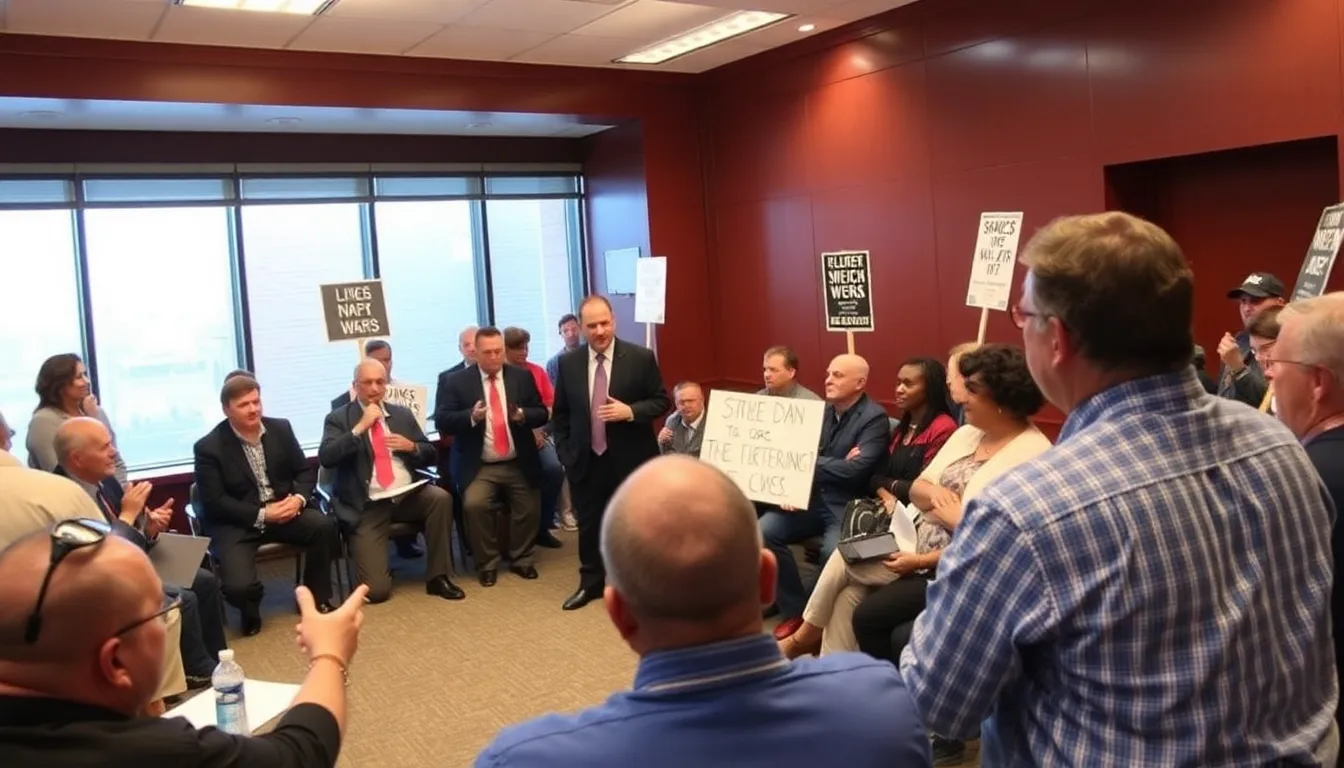
State Senator’s involvement adds a political dimension to the situation, as lawmakers often seek to ensure that labor disputes are resolved amicably to avoid disruptions in the local economy. The Senator’s call for a resolution indicates the potential for legislative influence in negotiations, emphasizing the importance of maintaining a stable workforce within the entertainment sector.
- Economic Impact: A prolonged strike could have significant economic repercussions, affecting not only the workers but also local businesses reliant on the entertainment industry.
- Legal Considerations: The negotiations may involve legal complexities surrounding labor rights and contract enforcement, which could influence the outcome of discussions.
- Public Sentiment: The public’s perception of the strike and the demands of the staffers can sway the negotiations, as consumer support may play a role in pressuring the WGA West to reach an agreement.
- Future of Work: The outcome of this strike may set precedents for future labor relations in the entertainment industry, impacting how writers and staffers are treated moving forward.
In summary, the interplay between these stakeholders illustrates the complexities of labor relations within a pivotal sector of the economy. As negotiations progress, the resolution of these issues will be critical not only for the parties directly involved but also for the broader implications on the industry as a whole.
Who Is Affected by the Strike and Its Consequences
The ongoing strike by the Writers Guild of America West (WGA West) is having a significant ripple effect across various groups and industries. Primarily, the entertainment sector is experiencing the most direct impact, with writers, producers, and production staff facing disruptions. However, the ramifications extend beyond Hollywood, affecting local economies and ancillary businesses that rely on the film and television industry.
In the short term, the strike is leading to halted productions, which means that many television shows and films are delayed or canceled. This not only affects the livelihoods of those directly involved in the entertainment industry but also impacts local businesses such as catering services, equipment rentals, and hospitality sectors that cater to film crews. The uncertainty surrounding the strike could also deter potential investments in upcoming projects, further straining the economy.
Mid-term consequences may include shifts in policy discussions regarding labor rights and fair compensation in the entertainment industry. If the WGA West successfully negotiates better terms for its members, it could set a precedent for similar unions across various sectors, leading to broader discussions about workers’ rights. However, if the strike continues without resolution, it may result in long-term job losses and a decrease in the competitiveness of the U.S. entertainment market.
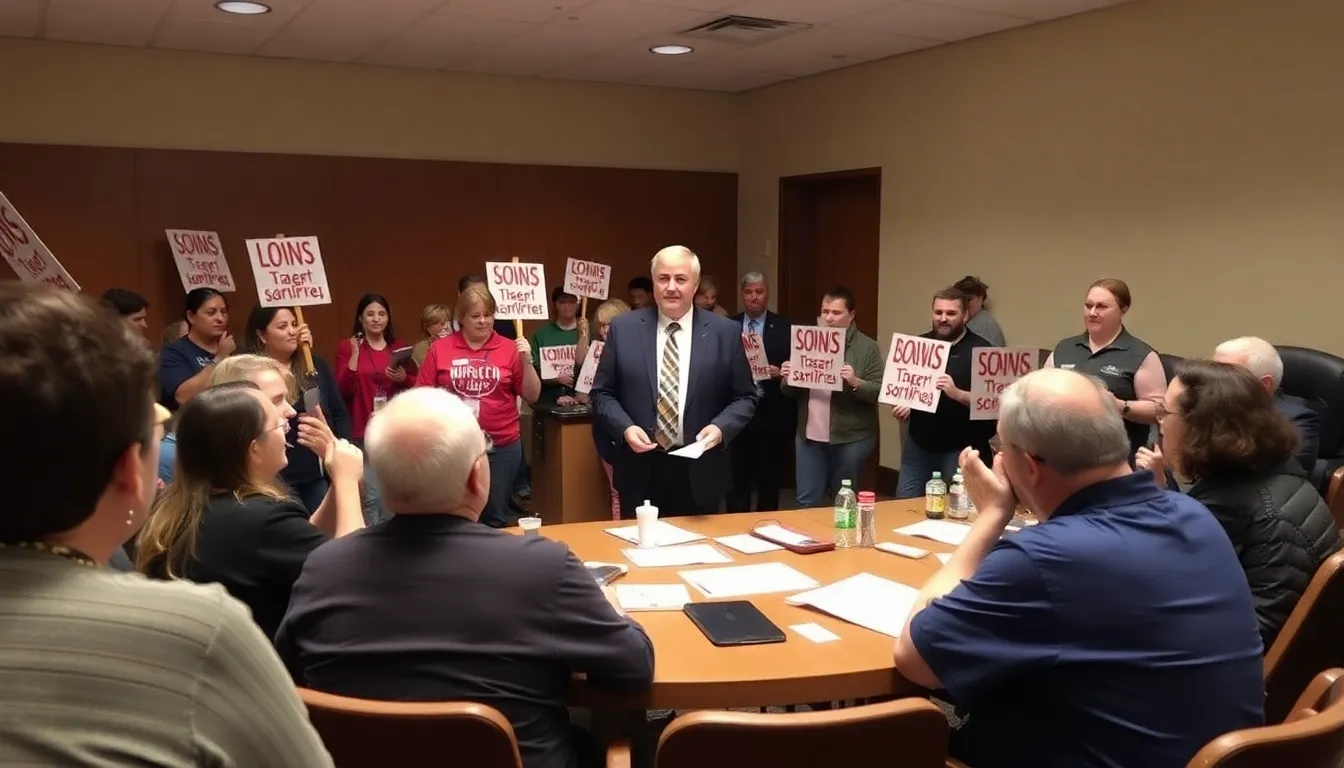
- Local Economies: Businesses that support the film industry may face financial strain.
- Policy Changes: Potential reforms in labor rights and compensation standards.
- Investment Risks: Uncertainty may deter new projects and investments in the sector.
- Job Security: Prolonged strikes could lead to layoffs and reduced job opportunities.
On the flip side, the strike also presents opportunities for new voices and diverse storytelling to emerge. With traditional structures disrupted, there may be a rise in independent content creation and alternative media platforms, allowing for a broader range of narratives to be explored. This shift could ultimately enrich the industry and provide a platform for untapped talent.
A: The strike was initiated due to unresolved contract negotiations, with staffers seeking better pay and working conditions. A: The state senator’s call for negotiation has brought additional public attention to the strike, potentially pressuring WGA West to reach a resolution. A: If a deal is not reached, the strike could continue, leading to further disruptions in the entertainment industry and affecting many workers. A: The strike has been ongoing for several weeks, with no signs of resolution as both sides remain firm in their positions. A: The main demands include increased salaries, better job security, and improved working conditions.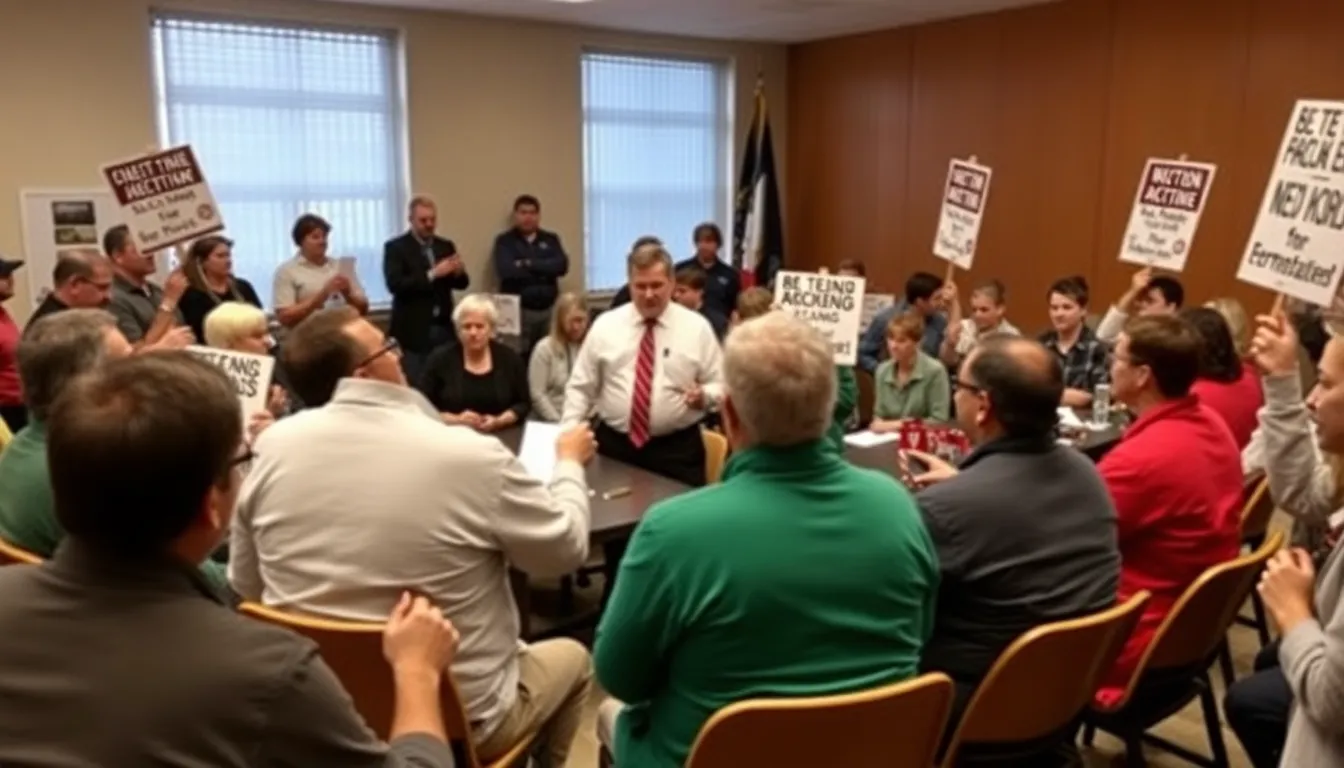
Frequently Asked Questions About the Strike
Key Takeaways and Future Outlook
The ongoing negotiations between WGA West and striking staffers highlight the complexities of labor relations within the entertainment industry. As state officials urge for a resolution, the implications of this standoff extend beyond the immediate parties involved, potentially affecting future labor negotiations and the broader landscape of industry practices.
Moving forward, the resolution of this dispute could set important precedents for how labor relations are managed in creative sectors, influencing not only the current workforce but also shaping the expectations of future employees and employers alike.
- Increased Pressure for Resolution: With political figures advocating for a swift agreement, the urgency for WGA West to negotiate may lead to more favorable terms for striking staffers.
- Potential for Industry-Wide Changes: Outcomes from this negotiation could inspire similar movements in other sectors, prompting a reevaluation of labor practices across the board.
- Impact on Future Negotiations: The strategies employed during this negotiation may serve as a blueprint for future labor disputes, influencing how both unions and management approach talks.
- Public Perception and Support: The level of public and political support garnered during this strike may shape the narrative around labor rights, affecting how future actions are viewed by the community.