


One of the key motivations for this expansion is the increasing regulatory scrutiny faced by tech firms in mainland China. The Chinese government has implemented stricter regulations on data privacy and antitrust practices, prompting many firms to seek a more stable environment for their operations. Hong Kong, with its separate legal system and business-friendly policies, is seen as an attractive alternative, particularly in light of recent developments in generative AI technologies.
Additionally, the ongoing geopolitical tensions between China and the West have led to a heightened interest in diversifying business operations. By establishing a foothold in Hong Kong, these companies aim to maintain access to international markets while navigating the complexities of domestic regulations. This strategic move allows them to foster relationships with global investors and partners.
The influx of tech firms into Hong Kong is also expected to have a significant impact on the local economy. The government has been actively promoting the city as a tech hub, with initiatives aimed at attracting talent and investment. As more companies set up operations, there is potential for job creation and innovation, contributing to the overall growth of the tech sector in the region.
Understanding the historical context of tech development in Hong Kong
Hong Kong has long been recognized as a global financial hub, but its role as a technology center has evolved significantly over the past few decades. The city’s unique position as a Special Administrative Region of China, combined with its Western legal framework and business practices, has made it an attractive destination for tech companies. Following the handover from British to Chinese sovereignty in 1997, Hong Kong retained a high degree of autonomy, which fostered an environment conducive to innovation and entrepreneurship.
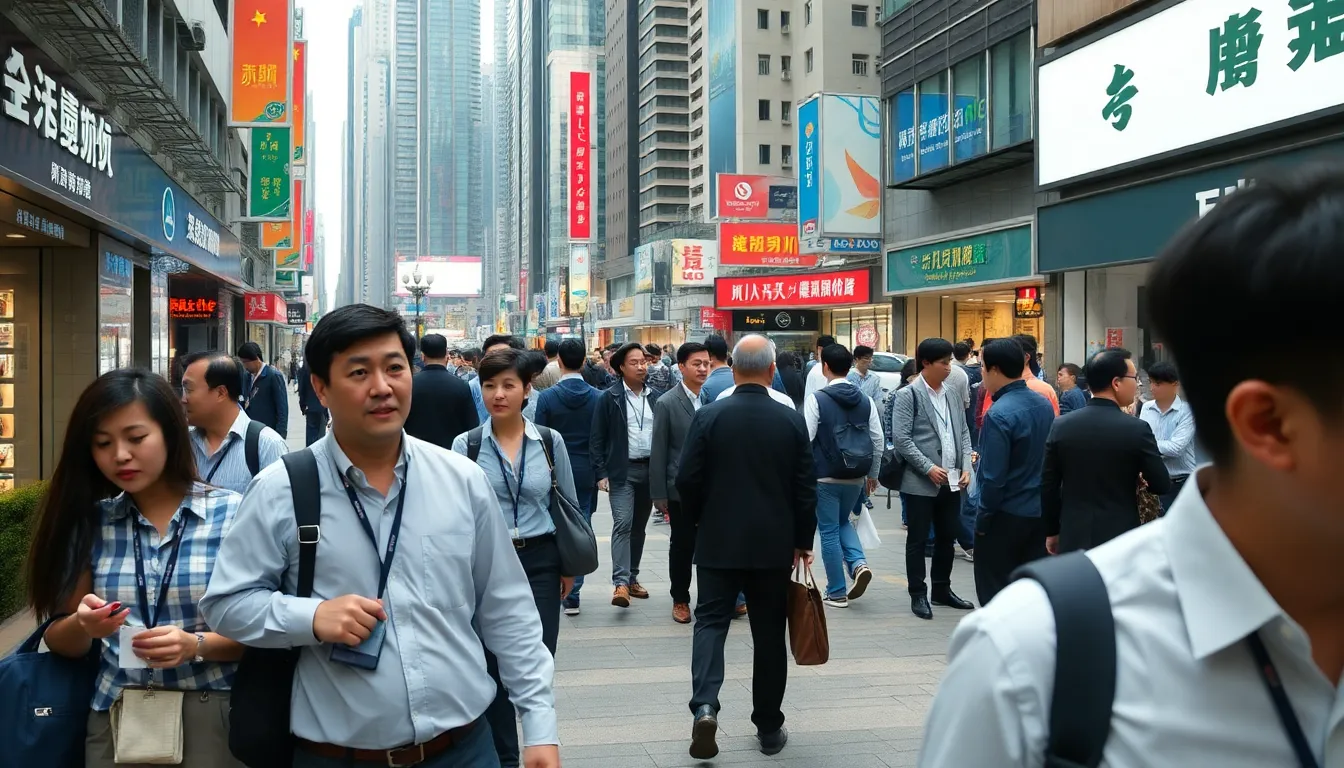
In the early 2000s, Hong Kong began to invest heavily in technology infrastructure, establishing various initiatives to promote research and development. The Hong Kong Science Park and Cyberport were launched to provide resources and support for startups and established tech firms alike. These developments laid the groundwork for a burgeoning tech ecosystem, attracting both local and international companies seeking to capitalize on the region’s strategic advantages.
The impact of recent political changes
However, the political landscape in Hong Kong has shifted dramatically in recent years, particularly following the protests in 2019 and the subsequent implementation of the National Security Law in 2020. These changes have prompted many tech firms to reassess their operations in mainland China due to concerns over regulatory scrutiny and restrictions on freedom. As a result, Hong Kong has emerged as a more appealing alternative for companies looking to maintain a foothold in the Chinese market while navigating these complexities.
Moreover, the economic implications of the COVID-19 pandemic have accelerated the digital transformation across various sectors, further enhancing the demand for tech solutions. Chinese companies, in particular, are racing to establish a presence in Hong Kong to leverage its favorable business environment and skilled workforce, ensuring they remain competitive in a rapidly evolving global landscape, similar to the trends observed in healthcare innovations.
As Chinese tech companies seek to diversify their operations and mitigate risks associated with geopolitical tensions, the historical context of Hong Kong as a bridge between East and West continues to play a pivotal role in shaping the future of tech development in the region.
Key stakeholders and issues driving the tech race
The race among Chinese tech companies to establish a presence in Hong Kong involves several key stakeholders, each with distinct interests and motivations. These include major tech firms such as Alibaba and Tencent, the Hong Kong government, international investors, and regulatory bodies. Their interactions shape the dynamics of this burgeoning tech landscape.
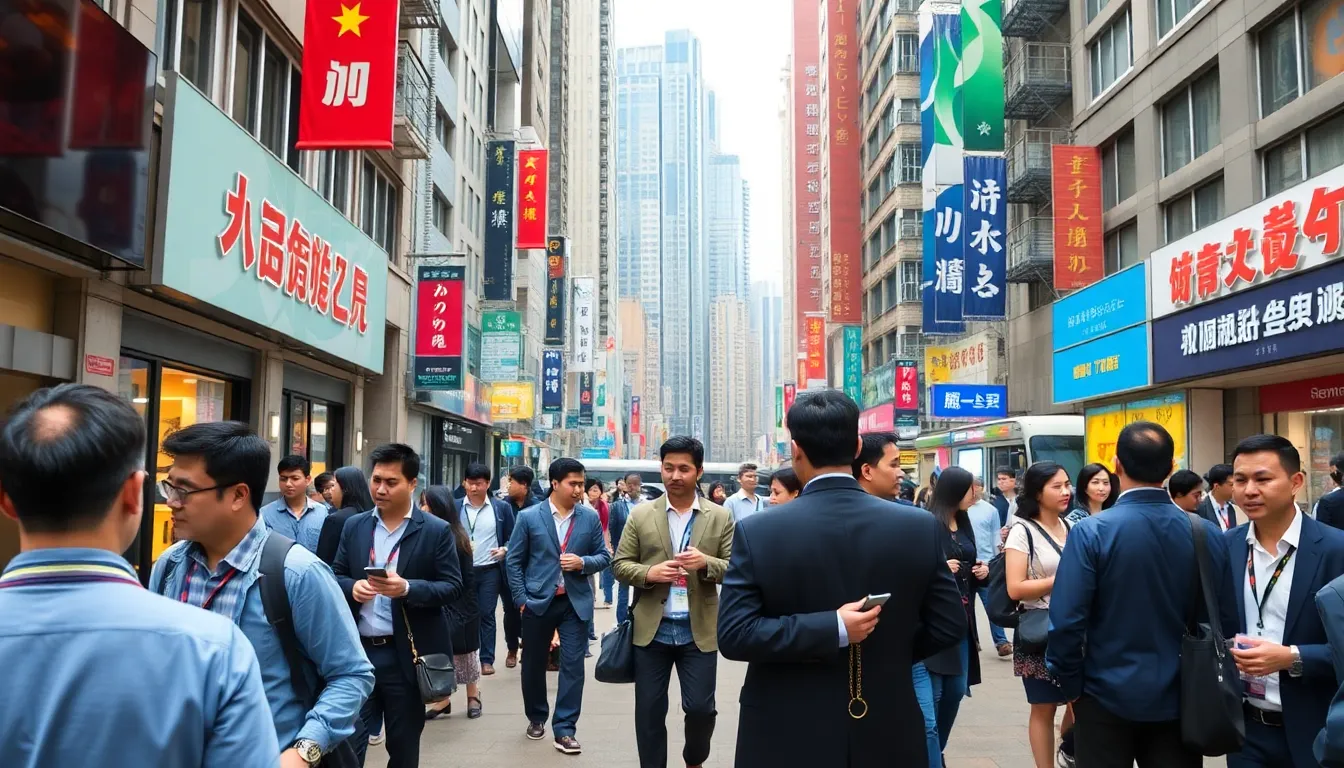
Chinese tech companies are primarily motivated by the desire to access global markets and tap into international investment. Hong Kong’s unique position as a Special Administrative Region (SAR) offers a more favorable regulatory environment compared to mainland China, attracting companies seeking to diversify their operations and mitigate risks associated with domestic regulations.
On the other hand, the Hong Kong government has a vested interest in fostering a vibrant tech ecosystem that can drive economic growth and innovation. By attracting tech firms, the government aims to enhance the city’s status as a global financial and technological hub, while ensuring a balanced approach that considers challenges akin to those faced in sectors like finance, as highlighted in discussions about a strategic withdrawal approach.
- Regulatory challenges: Companies face the need to navigate differing regulatory frameworks between Hong Kong and mainland China, which can lead to compliance issues.
- Geopolitical tensions: The ongoing tensions between the U.S. and China may impact foreign investment flows and the operational strategies of tech firms.
- Talent acquisition: As tech companies expand, the competition for skilled labor intensifies, raising questions about workforce availability and costs.
- Public perception: The local population’s response to the influx of tech firms can influence the sustainability of this growth, particularly in light of past protests against perceived encroachments on autonomy.
In summary, the interplay of these stakeholders and the associated issues creates a complex landscape where opportunities and challenges coexist. Understanding these dynamics is crucial for evaluating the future trajectory of the tech industry in Hong Kong.
The impact of this trend on the local economy and job market
The influx of Chinese tech companies into Hong Kong is poised to significantly affect various groups and industries. Local businesses, tech startups, and the workforce will all experience both challenges and opportunities as this trend unfolds. The immediate beneficiaries are likely to be sectors directly related to technology, finance, and real estate.
In the short term, the establishment of these companies is expected to create a surge in job opportunities. This could lead to a tightening labor market as demand for skilled workers increases. Local talent may find themselves in a competitive landscape, with tech firms offering attractive salaries and benefits to lure top candidates.
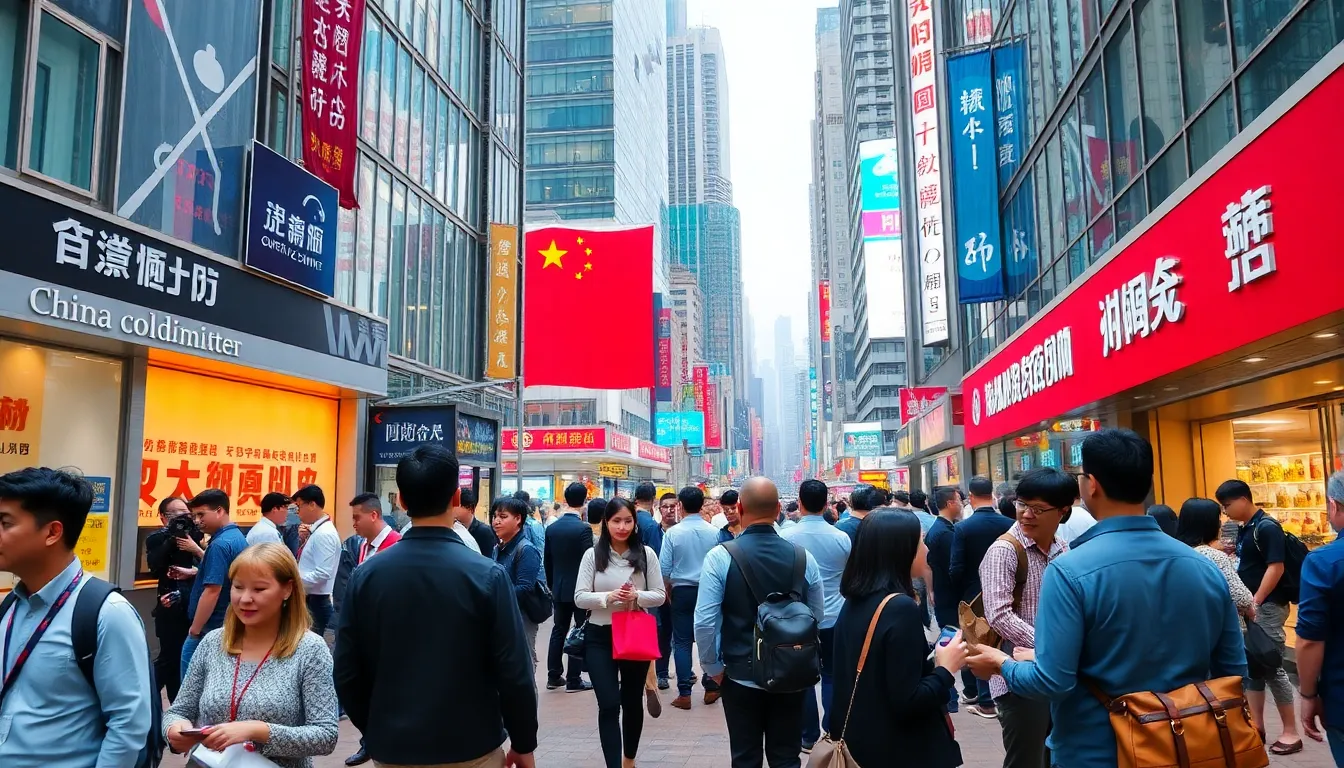
However, this trend also carries risks. The rapid expansion of tech companies could exacerbate existing issues such as housing affordability and urban congestion. As more employees flock to the city, demand for housing will spike, potentially driving up rents and pushing lower-income residents out of their neighborhoods.
- Opportunities: Enhanced job creation in the tech sector.
- Risks: Increased housing costs and urban congestion.
- Long-term impact: Strengthening of Hong Kong’s position as a global tech hub.
In the mid-term, the local economy could see a diversification of industries as tech companies collaborate with existing businesses. This could foster innovation and lead to the development of new products and services, enhancing the overall economic landscape. Policymakers may need to adapt regulations to accommodate this growth while ensuring sustainable development.
Ultimately, while the influx of Chinese tech companies heralds a new era for Hong Kong’s economy, it will require careful management to balance growth with the well-being of the local population.
A: Chinese tech companies are attracted to Hong Kong due to its favorable business environment, regulatory framework, and proximity to international markets. A: Hong Kong provides tax incentives, a skilled workforce, and a robust financial system that supports innovation and investment. A: The influx of tech companies can stimulate local economies, create jobs, and foster collaboration with existing businesses. A: Yes, challenges include high operational costs and navigating local regulations, but many companies find the benefits outweigh these issues. A: The long-term outlook appears positive, with continued growth expected as more companies recognize the strategic advantages of operating in Hong Kong.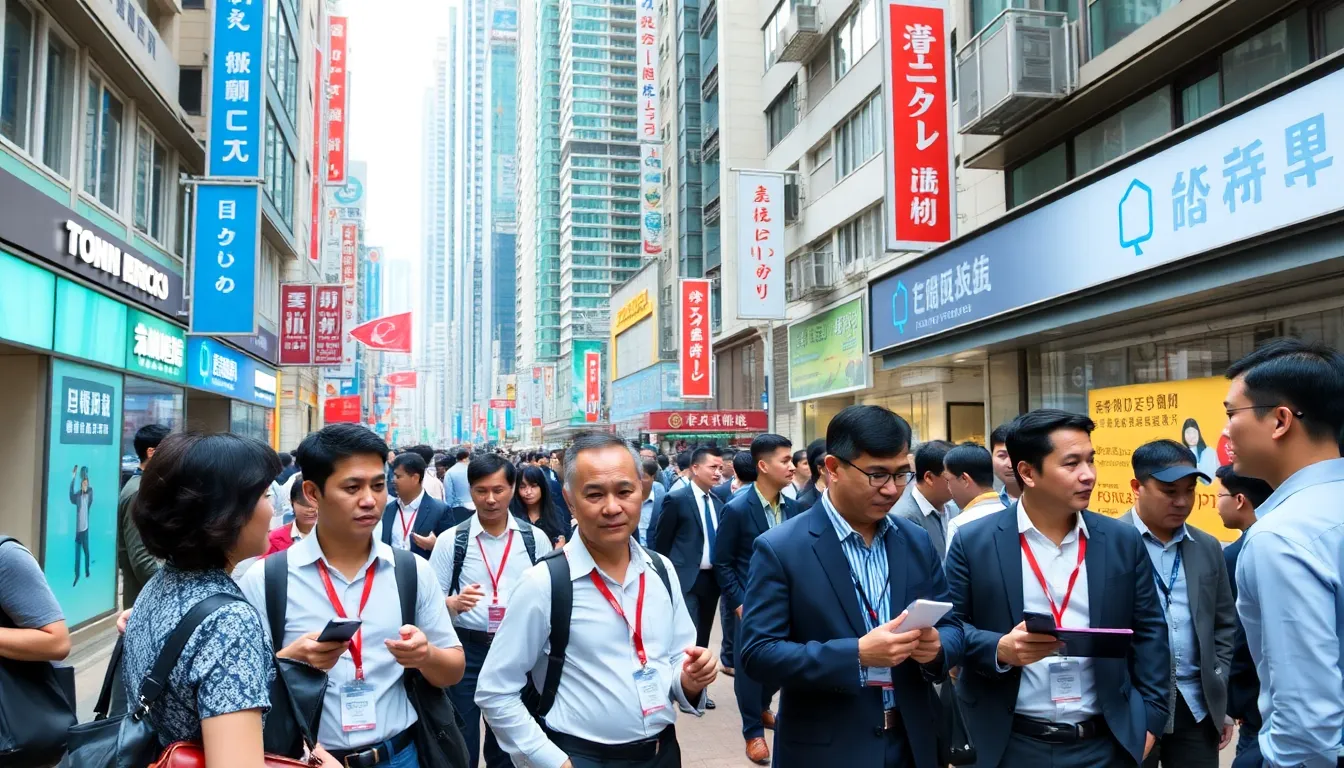
Common questions about Chinese tech companies in Hong Kong
Looking ahead: Future implications for the tech industry
The surge of Chinese tech companies establishing a presence in Hong Kong signals a strategic shift in the landscape of technology and innovation. This move not only reflects a response to regulatory pressures on the mainland but also highlights Hong Kong’s unique position as a bridge between East and West. As these companies navigate the complexities of global markets, their strategies will likely influence the broader tech ecosystem in the region.
Investors and industry observers should closely monitor how this influx impacts competition, talent acquisition, and regulatory dynamics. The evolution of Hong Kong as a tech hub could lead to increased collaboration and innovation, while also raising questions about the long-term implications for both local and international firms.
- Watch for potential shifts in investment patterns as companies leverage Hong Kong’s financial infrastructure.
- Monitor the talent landscape, as the influx of tech firms may lead to a competitive job market for skilled professionals.
- Consider the implications for regulatory frameworks, as local authorities may adapt to accommodate this growing sector.
- Track the development of cross-border partnerships that may emerge from this strategic relocation.
- Be aware of the potential for increased scrutiny from international markets regarding data privacy and security practices.