


Critics argue that such changes could lead to increased habitat loss and further endanger species already at risk, undermining decades of conservation efforts, especially those highlighted in recent discussions on global conservation policies.
The cancellation of the vote reflects the contentious nature of the debate and the potential for significant political ramifications as stakeholders, including environmental groups, continue to advocate for or against the proposed changes.
With public awareness of climate change and biodiversity loss growing, the decision may influence future legislative actions and public opinion on conservation policies.
Understanding the significance of endangered species protections
Endangered species protections have long been a cornerstone of environmental policy in the United States, aimed at conserving biodiversity and safeguarding ecosystems. The Endangered Species Act (ESA), enacted in 1973, was designed to protect species that are at risk of extinction and their habitats. This legislation has played a critical role in the recovery of numerous species, from the American bald eagle to the gray wolf, underscoring the importance of governmental intervention in environmental conservation.
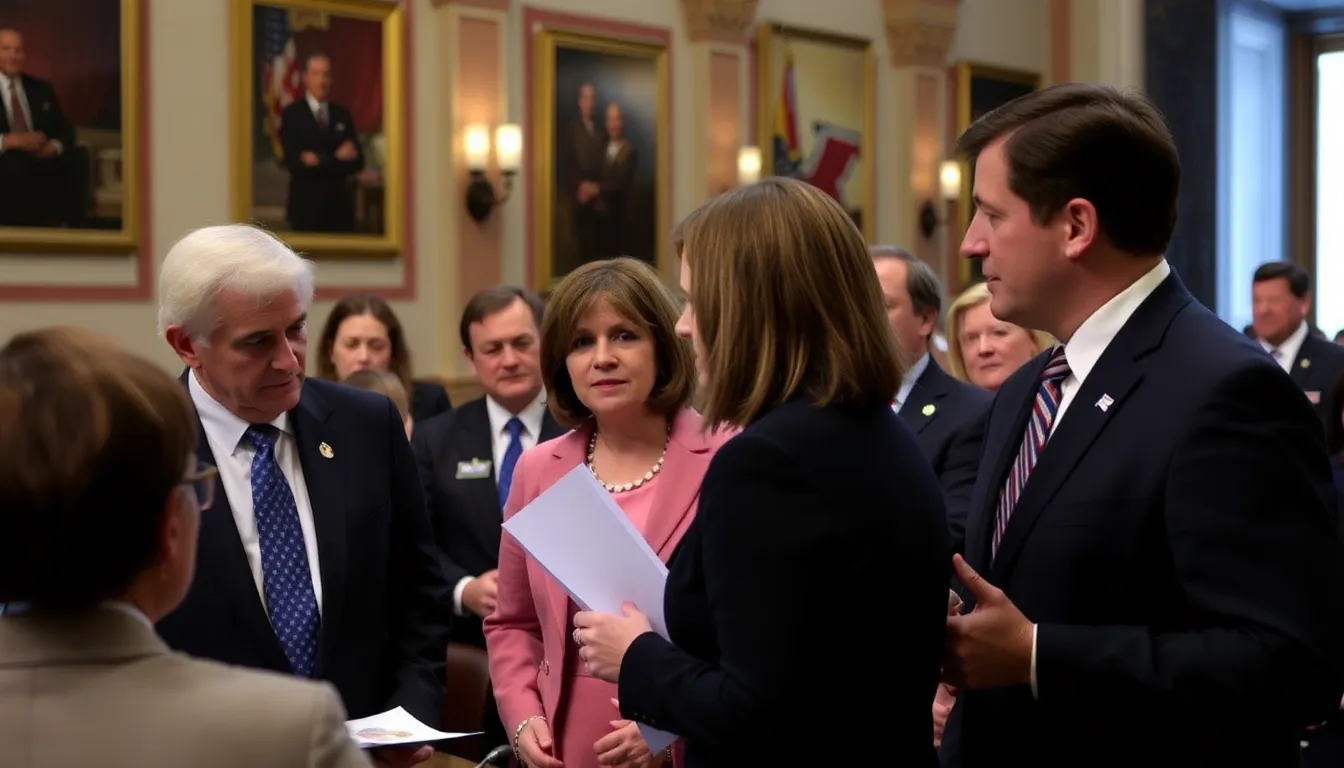
Over the years, the ESA has faced various challenges and changes, reflecting the shifting political landscape. In recent years, there has been a growing trend among some lawmakers to roll back protections under the guise of economic development and land use. The debate often centers around the balance between environmental conservation and economic interests, with proponents of deregulation arguing that such measures hinder growth and job creation.
Key milestones in endangered species legislation
Several key milestones illustrate the evolution of endangered species protections in the U.S. In the late 1990s, the introduction of the “God Squad” allowed for exemptions from the ESA under specific circumstances, indicating a shift towards more flexible interpretations of the law. More recently, the Trump administration implemented changes that made it more challenging to list new species and weakened habitat protections, prompting significant backlash from environmental groups and conservationists.
The recent decision by the House to cancel a vote aimed at narrowing these protections is indicative of ongoing political tensions surrounding the ESA. This development comes at a time when many species continue to face existential threats from climate change, habitat loss, and pollution, raising questions about the long-term implications of such legislative actions on biodiversity and ecosystem health.
As the conversation around endangered species protections continues, it remains crucial for stakeholders to consider the historical context and the potential impacts of policy changes on both wildlife and human communities that depend on healthy ecosystems.
Key stakeholders and issues surrounding the vote
The recent decision by the House to cancel a vote aimed at narrowing protections under the Endangered Species Act has brought various stakeholders to the forefront of the discussion. These include government officials, environmental organizations, and industries that may be affected by the regulations. Each group has distinct interests that shape their positions on the issue.
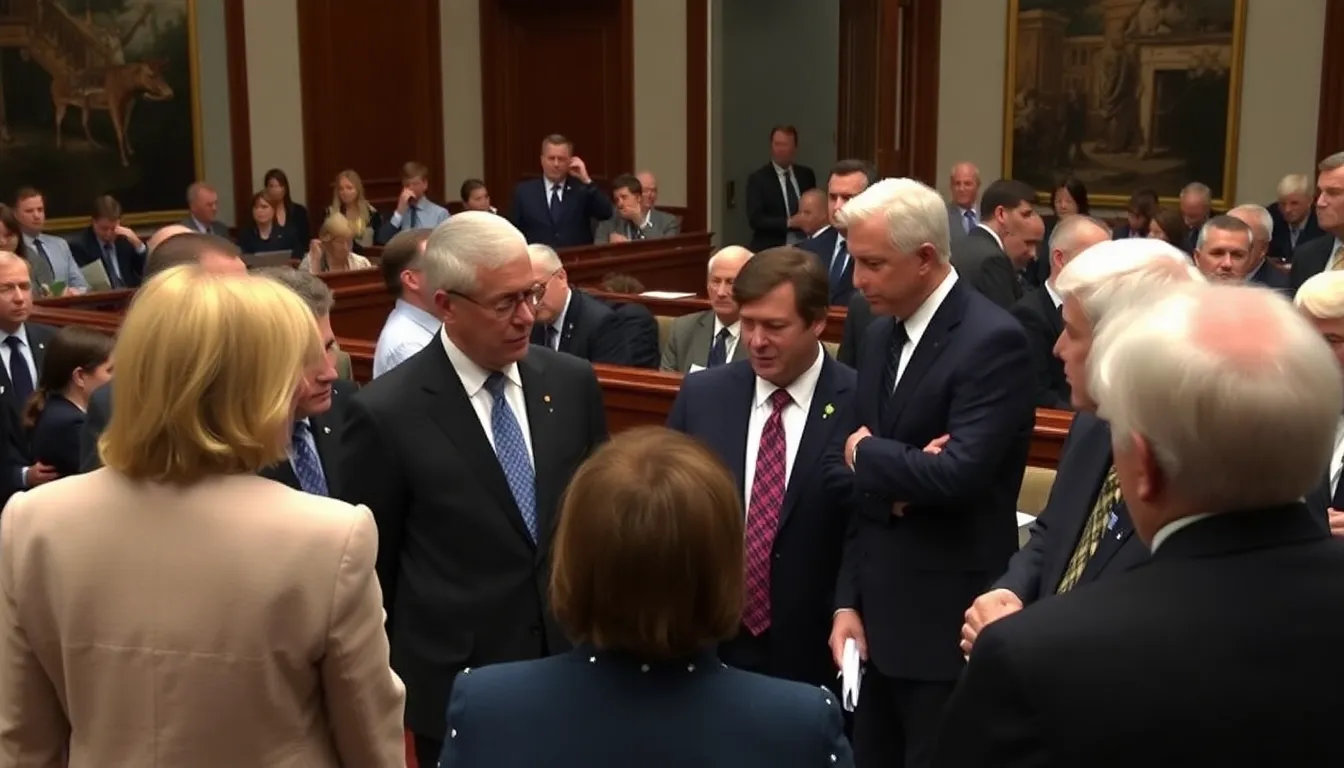
One of the primary actors in this debate is the U.S. Congress, particularly members who represent districts with significant agricultural and industrial interests. These legislators often argue that stringent protections hinder economic development and land use, advocating for a more flexible approach that balances environmental concerns with economic growth.
On the opposing side, environmental advocacy groups such as the Sierra Club and the National Wildlife Federation are deeply invested in maintaining robust protections for endangered species. Their stance emphasizes the ecological importance of preserving biodiversity and the long-term benefits it brings to ecosystems and public health.
Additionally, the federal government, through agencies like the U.S. Fish and Wildlife Service, plays a critical role in implementing and enforcing the Endangered Species Act. The agency’s interests lie in ensuring that species recovery efforts are effective while also navigating the political landscape shaped by various stakeholders.
- Economic Interests: Industries may push for reduced regulations to promote development and job creation.
- Environmental Protection: Advocacy groups stress the importance of maintaining species protections for ecological balance.
- Political Dynamics: The influence of local constituencies on legislators can lead to conflicting priorities.
- Legal Framework: Changes to the Endangered Species Act could face legal challenges from environmental organizations.
- Public Opinion: Voter sentiment regarding environmental issues can sway political decisions and legislative actions.
In summary, the interplay between these stakeholders highlights the complex nature of environmental policy-making, where economic, legal, and ecological considerations often collide, creating a challenging landscape for lawmakers and advocates alike.
Potential effects on wildlife and conservation efforts
The decision to cancel the vote on narrowing endangered species protections has significant implications for various groups, particularly conservationists, environmental organizations, and local communities that rely on biodiversity. These stakeholders are primarily affected as they strive to protect vulnerable species and their habitats, which are essential for ecological balance.
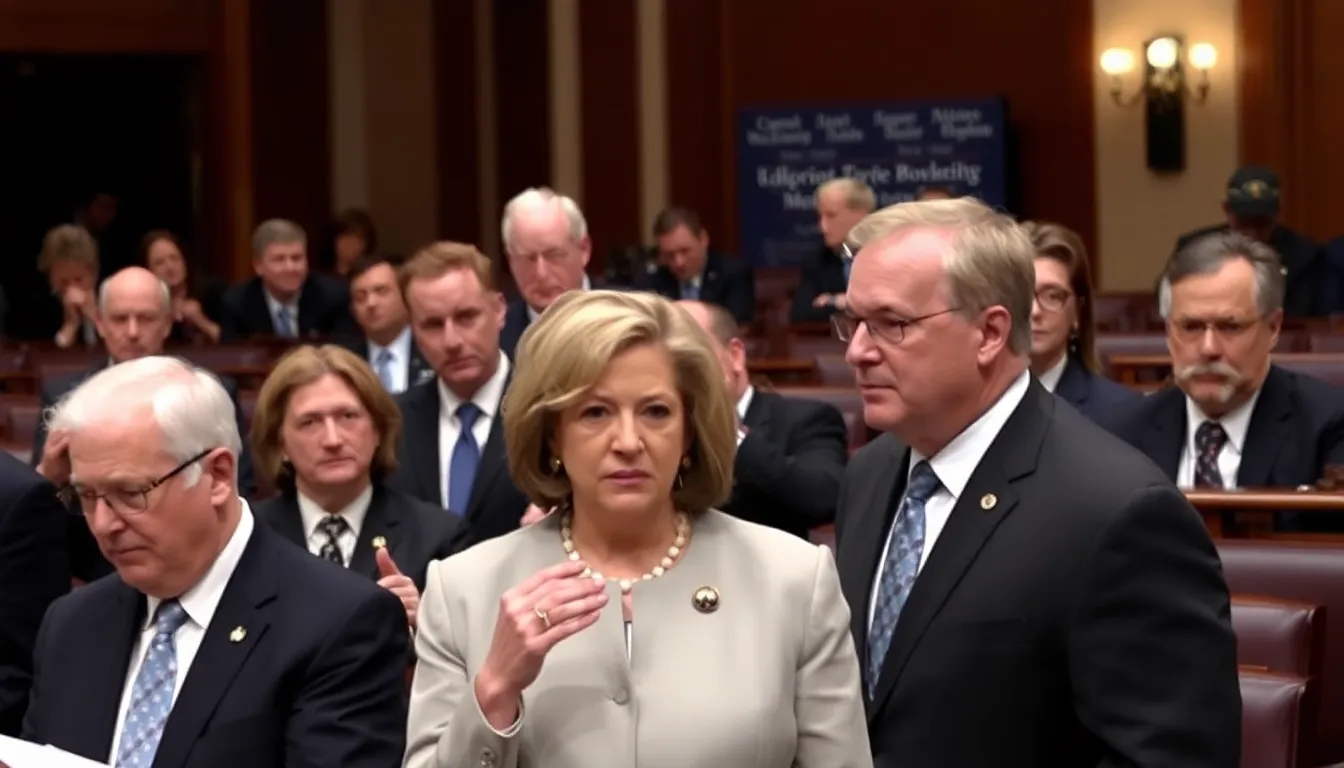
Industries such as agriculture, forestry, and real estate may also feel the impact of this decision. In regions where endangered species are prevalent, stricter protections can limit development and land use, prompting concerns from businesses about potential restrictions on their operations. Conversely, the cancellation could lead to fewer regulatory hurdles for these industries in the short term, allowing for increased economic activity.
In the short term, the lack of updated protections may lead to increased habitat degradation as industries rush to capitalize on the absence of regulatory oversight. This could result in immediate benefits for businesses but poses long-term risks to biodiversity, which can have cascading effects on ecosystems and local economies that depend on healthy environments.
Mid-term impacts may include shifts in public sentiment and advocacy. As communities witness the decline of local wildlife and habitats, there may be a renewed push for stronger conservation policies. This could create opportunities for environmental organizations to rally support and drive policy changes, potentially leading to more robust protections in the future.
- Short-term risks: Increased habitat loss and degradation.
- Mid-term opportunities: Potential for stronger advocacy and policy reform.
- Economic impacts: Immediate benefits for industries, but potential long-term costs to ecosystems.
A: The vote was canceled due to a lack of support among lawmakers, particularly on a day dedicated to environmental awareness. A: Endangered species protections are laws and regulations aimed at preventing the extinction of species that are at risk. A: The cancellation may hinder ongoing conservation efforts by reducing legal protections for vulnerable species. A: Proponents argue that narrowing protections could benefit economic development, while opponents emphasize the need to safeguard biodiversity. A: Individuals can support endangered species by advocating for conservation policies, donating to wildlife organizations, and participating in local conservation efforts.
Frequently asked questions about the vote cancellation
Looking ahead: implications for environmental policy
The recent decision by the House to cancel the vote on narrowing protections for endangered species on Earth Day underscores the ongoing tension between economic interests and environmental conservation. This development suggests a potential shift in congressional priorities, one that may influence future legislation related to wildlife protection and habitat conservation. As stakeholders assess the implications of this decision, it is crucial to consider how it may reshape the dialogue around environmental policy in the coming months.
The cancellation of the vote could signal a growing recognition of the importance of biodiversity and ecosystem health, particularly in light of increasing climate change impacts. Observers should monitor how this decision affects both local and national conservation efforts, as well as the reactions from environmental advocacy groups and the public.
- Watch for potential backlash from environmental groups, which may mobilize to advocate for stronger protections in response to the House’s decision.
- Monitor how this decision influences upcoming legislative sessions, particularly regarding bills related to conservation and climate action.
- Consider the impact on local communities that rely on biodiversity for their economies, especially in regions heavily affected by habitat loss.
- Stay alert to shifts in public opinion regarding endangered species and conservation efforts, particularly as Earth Day initiatives gain traction.
- Evaluate the role of state-level policies that may emerge in response to federal inaction, potentially leading to a patchwork of protections across the country.