


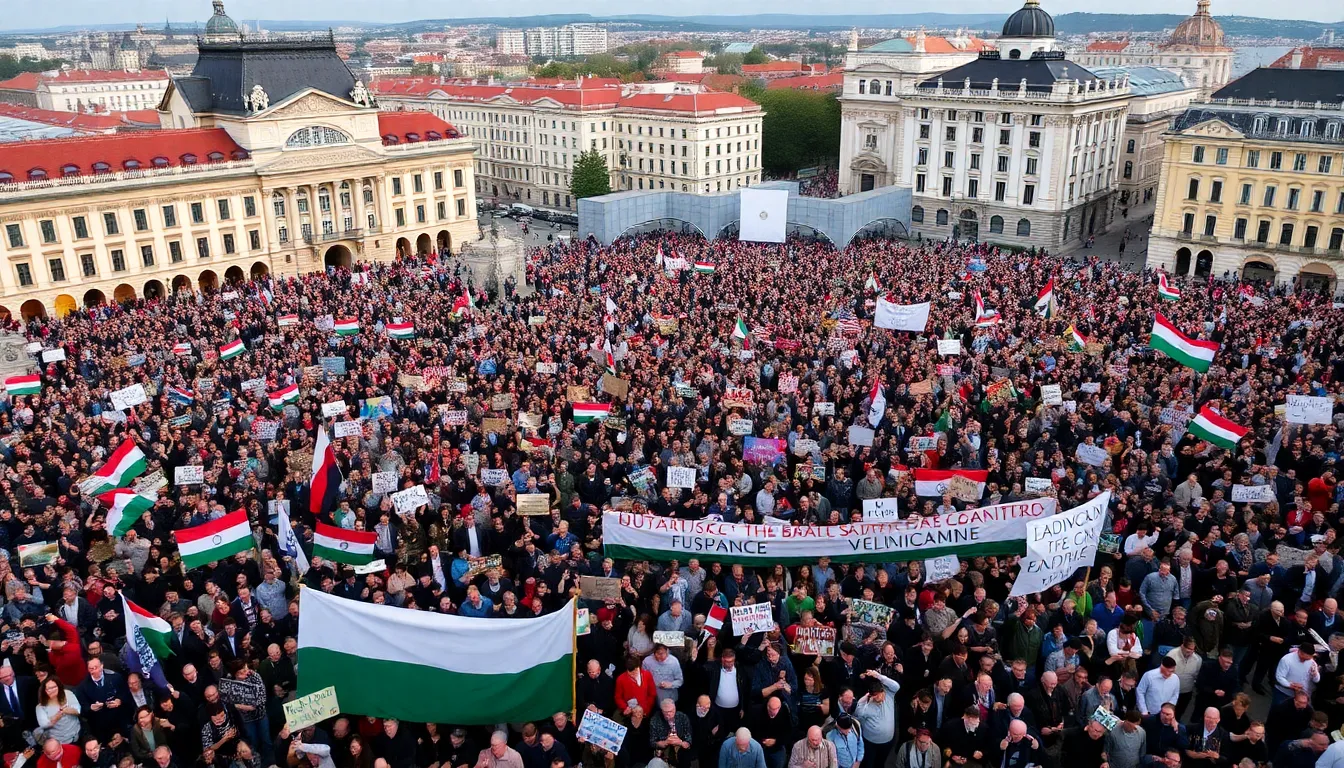
The newly elected coalition, led by the Democratic Coalition and supported by other progressive parties, aims to address pressing issues such as corruption, economic inequality, and democratic backsliding. Voters expressed their frustration over years of Fidesz rule, which critics argue has eroded democratic norms and stifled dissent. The coalition’s victory is seen as a mandate for reform and a rejection of the status quo, similar to the dynamics in the final push for votes leading up to the election.
Key figures in the opposition, including the coalition leader, have promised to restore democratic institutions and enhance transparency in governance. As Hungary navigates this transition, the implications of this election are profound, not only for domestic policies but also for Hungary’s relationship with the European Union. The EU has been critical of the previous government’s policies, and the new leadership’s approach may redefine Hungary’s role within the bloc.
This election outcome is viewed as a reflection of broader trends in Europe, where populist movements are being challenged by pro-democracy forces. As Hungarian voters celebrate this “much-needed” change, the international community is closely monitoring the developments, eager to see how the new government will tackle the economic and social challenges ahead, much like democratic movements in other countries.
Understanding the political landscape leading to this change
Hungary’s political landscape has undergone significant transformations over the past few decades, particularly since the fall of communism in 1989. The transition to a democratic system initially brought hope and optimism among the populace, as the country sought to integrate with Western Europe and embrace democratic values. However, the past decade has seen a shift towards authoritarianism under the leadership of Prime Minister Viktor Orbán and his Fidesz party, leading many citizens to feel disenfranchised and longing for change.
The economic backdrop has also played a crucial role in shaping voter sentiment. While Hungary experienced a period of robust growth following its EU accession in 2004, the benefits of this growth have not been evenly distributed. Rising inequality, coupled with corruption scandals and a perceived erosion of democratic norms, has left many voters disillusioned. As a result, calls for reform and a return to a more inclusive political environment have gained traction among the electorate, echoing trends seen in the context of public health discussions that highlight societal disparities.
Key milestones in Hungary’s political evolution
Several key events have marked Hungary’s political evolution and contributed to the current climate. The 2010 parliamentary elections saw Fidesz secure a two-thirds majority, which allowed the party to implement significant constitutional changes. This consolidation of power was met with widespread criticism from both domestic and international observers, who argued that it undermined democratic institutions.
In recent years, opposition parties have struggled to unite against the ruling party, but grassroots movements and civil society organizations have played a pivotal role in mobilizing voters. The 2022 elections represented a turning point, as opposition coalitions began to gain momentum, reflecting a growing desire for accountability and transparency in governance. This shift has culminated in the recent celebrations among voters who view the current changes as a much-needed step towards reclaiming their democratic rights.
Key stakeholders and their roles in the recent elections
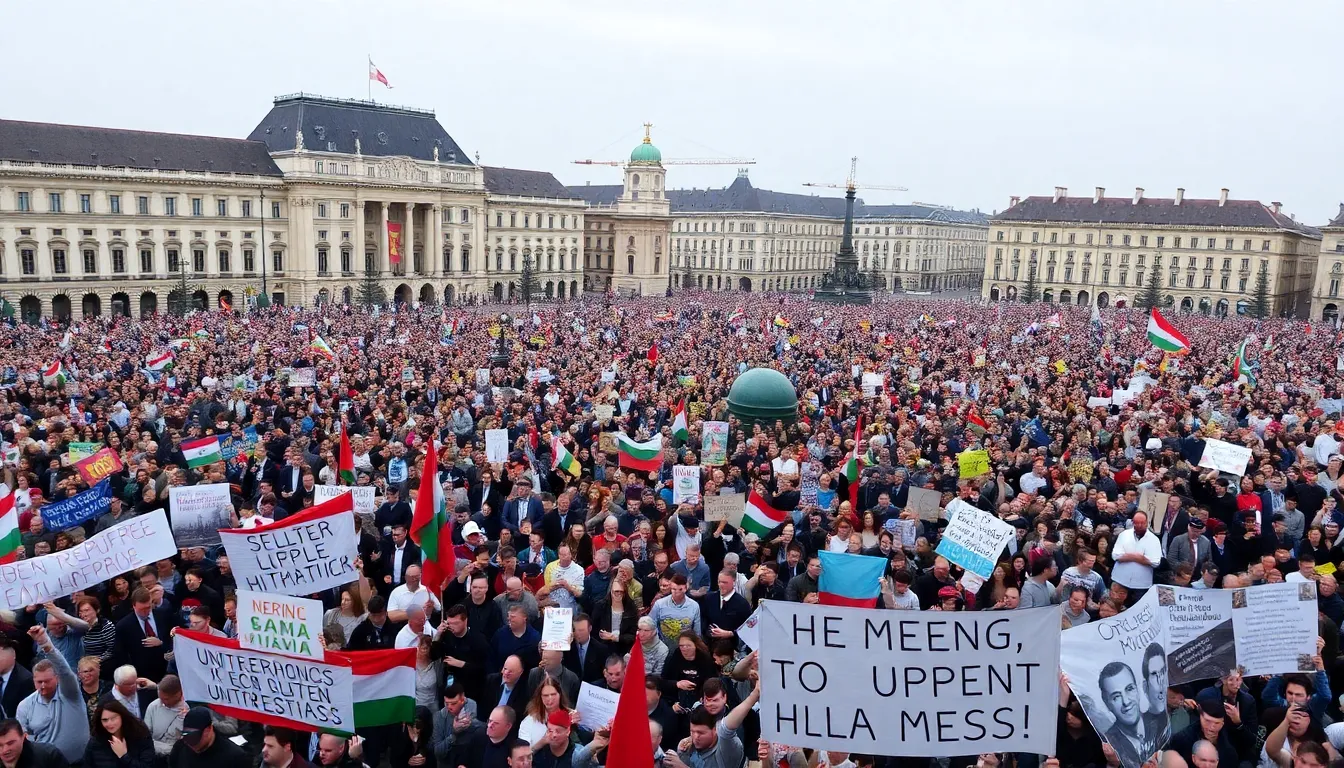
The recent elections in Hungary have brought to the forefront a variety of stakeholders, each with distinct interests and objectives. The primary actors include political parties, voters, civil society organizations, and international observers, all of whom play a crucial role in shaping the electoral landscape. Understanding their motivations and the conflicts that may arise is essential for grasping the implications of the electoral outcomes.
At the center of this electoral shift are the political parties, particularly the opposition coalition that has gained significant traction among voters seeking change. This coalition, composed of multiple parties, aims to address issues such as corruption, economic inequality, and democratic governance. Their success reflects a growing discontent with the ruling party’s policies, which some voters perceive as increasingly authoritarian.
Voters themselves are a critical stakeholder group, representing a diverse array of interests and concerns. Many Hungarians have expressed a desire for a more transparent government and improved social services. This sentiment has driven voter turnout and engagement, indicating a shift in public sentiment that could reshape Hungary’s political future. However, the varying priorities among different demographic groups, such as urban versus rural voters, highlight potential conflicts and trade-offs that the new government will need to navigate.
- Political Parties: The ruling party faces challenges from a united opposition, which seeks to capitalize on voter dissatisfaction.
- Voters: A diverse electorate with differing priorities, leading to potential conflicts in policy implementation.
- Civil Society Organizations: Advocating for human rights and democratic reforms, these organizations play a watchdog role.
- International Observers: Their presence ensures compliance with democratic standards, adding pressure on the government.
Key legal and economic issues also emerge from this electoral context. The new government will need to address Hungary’s economic challenges, including inflation and public debt, while also navigating the legal framework surrounding electoral reforms. Balancing economic recovery with the demands for greater accountability and transparency will be a critical task for the incoming administration.

The effects of the election results on Hungarian society and economy
The recent election results in Hungary have sparked a wave of optimism among various voter groups, particularly those who have felt marginalized in recent years. Young voters, urban residents, and those from lower-income backgrounds are among the most affected, as they seek a shift towards more progressive policies that address their needs and aspirations.
In the short term, the political shift may lead to immediate changes in governance, impacting daily life through the introduction of new social programs and reforms aimed at improving public services. This could enhance access to education and healthcare, particularly for disadvantaged communities. However, the transition period may also bring uncertainty as the new administration navigates its policy agenda.
Mid-term impacts are likely to be felt across various industries, especially in sectors such as technology, renewable energy, and social services. The government may prioritize investments in these areas, creating job opportunities and fostering innovation. However, traditional industries that have benefited from the previous administration may experience disruptions, leading to potential job losses and economic instability.
- Opportunities: Growth in green technology and sustainable practices.
- Risks: Economic uncertainty for traditional sectors.
- Impact on policy: Increased focus on social equity and public welfare.
Regions that have historically been underserved may see a boost in funding and initiatives aimed at revitalizing local economies. This could lead to improved infrastructure and services, benefitting residents and businesses alike. However, the challenge remains to balance these investments with fiscal responsibility to avoid long-term debt issues.
Frequently asked questions about the recent elections
A: Many voters expressed dissatisfaction with the previous government’s policies, particularly regarding economic issues and civil liberties. The desire for a fresh approach to governance played a crucial role in shaping voter sentiment.
A: The new government is expected to adopt a more cooperative stance towards the EU, potentially easing tensions that had developed under the previous administration. This could lead to more favorable economic agreements and support from EU institutions.
A: The new administration will need to address pressing economic issues, including inflation and unemployment, while also working to restore public trust in government institutions. Balancing reform with stability will be crucial.
A: Yes, the new government has indicated plans to revise key policies related to healthcare, education, and social welfare. These changes aim to improve living standards and address long-standing grievances among the populace.
Looking ahead: implications of the election results
The recent election results in Hungary signal a significant shift in the political landscape, reflecting voters’ desire for change and a move towards more progressive policies. This transformation may lead to important adjustments in both domestic and foreign policies, as the new leadership seeks to address the concerns of a diverse electorate. Observers will be keen to see how these changes will impact Hungary’s relationship with the European Union and its approach to pressing social issues.
As the new government takes shape, several key areas are likely to become focal points for both policymakers and citizens. The implications of these changes extend beyond immediate political adjustments, potentially reshaping the socio-economic fabric of the nation.
- Policy Reforms: Watch for proposed reforms in areas such as education, healthcare, and social welfare aimed at improving citizens’ quality of life.
- EU Relations: The new administration’s approach to EU negotiations will be crucial, especially regarding funding and compliance with EU standards.
- Public Sentiment: Continued public engagement and sentiment analysis will be essential to gauge the effectiveness of the new policies and their reception among voters.
- Economic Strategy: Monitor the economic strategies implemented to stimulate growth and address inflation, which will be vital for long-term stability.
- Social Cohesion: The government’s ability to foster social cohesion in a politically divided society will be a key factor in maintaining public support.