


Traoré’s remarks reflect a broader sentiment within the military leadership, which argues that the current security challenges posed by jihadist groups necessitate a focus on stability over democratic processes. This situation echoes similar dynamics seen in other regions, as discussed in recent articles.
Since the coup, Burkina Faso has experienced a surge in violence, with thousands of civilians displaced and numerous attacks on military personnel. The military government has positioned itself as the protector of national security, emphasizing that any transition to democracy will only be considered once the threat from armed groups is adequately addressed.
The statement has sparked debate among political analysts and citizens alike, with some expressing concern over the potential for prolonged military rule and the erosion of democratic norms. As Burkina Faso navigates these challenges, the implications of Traoré’s comments will likely influence both domestic policy and international relations.
Historical background of military rule in Burkina Faso
Burkina Faso, a landlocked country in West Africa, has a complex history marked by cycles of military coups and democratic transitions. Since gaining independence from France in 1960, the nation has experienced significant political instability, with a series of military leaders and governments struggling to maintain control and legitimacy. This historical context can provide valuable insight into ongoing challenges, as seen in debates surrounding democratic governance.
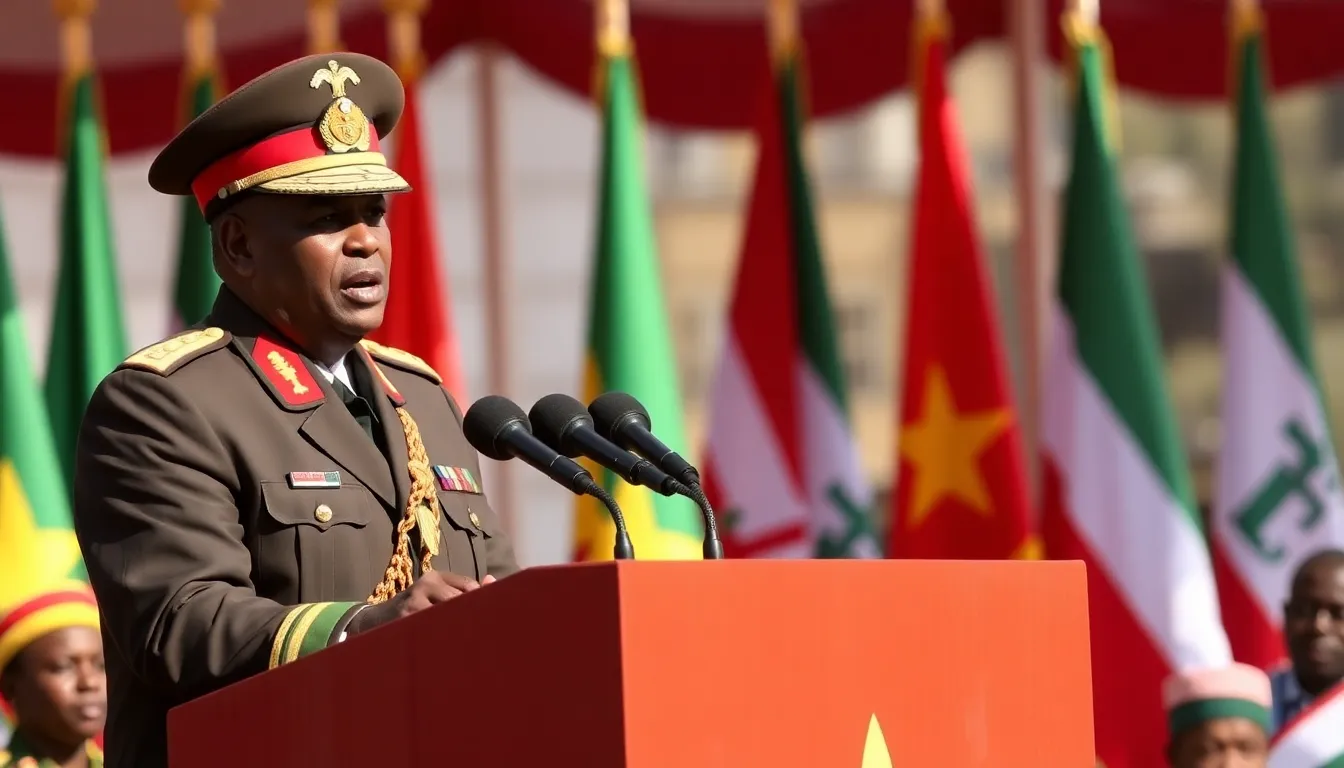
In 1983, a young revolutionary leader, Thomas Sankara, took power through a coup, promoting radical social and economic reforms aimed at improving the lives of Burkinabé citizens. His tenure, however, was cut short in 1987 when he was assassinated in another coup led by his former ally, Blaise Compaoré. Compaoré ruled until 2014, when widespread protests against his attempt to extend his presidency led to his ousting. This period of unrest highlighted the Burkinabé people’s desire for democratic governance, yet the transition was fraught with challenges.
Recent Developments and Military Takeovers
In the years following Compaoré’s departure, Burkina Faso struggled to establish a stable democratic government. The rise of extremist violence, particularly from jihadist groups, exacerbated the political crisis. In January 2022, dissatisfaction with the government’s inability to address security concerns culminated in a coup led by Lieutenant Colonel Paul-Henri Sandaogo Damiba. This marked a return to military rule, with Damiba promising to restore security and stability but also indicating a potential retreat from democratic ideals.
The current military regime has faced criticism for its authoritarian tendencies and reluctance to engage in democratic processes. As the military ruler suggests that the people of Burkina Faso should forget about democracy, it raises questions about the future of governance in the country and the impact on civil society. The historical context of military rule in Burkina Faso serves as a backdrop for understanding the current political landscape and the challenges that lie ahead for its citizens.
Key stakeholders and implications of the military’s stance
The recent declaration by Burkina Faso’s military ruler that the populace should abandon hopes for democracy has significant implications for various stakeholders involved in the region’s governance and stability. Understanding the motivations and interests of these key actors is essential to grasp the broader context of this statement.
At the forefront are the military leaders themselves, who have positioned themselves as guardians of national security amid ongoing threats from extremist groups. Their primary interest lies in consolidating power and maintaining control over the state, often justifying their actions through the narrative of restoring order. This perspective can lead to conflicts with civilian populations who yearn for democratic governance and civil liberties.
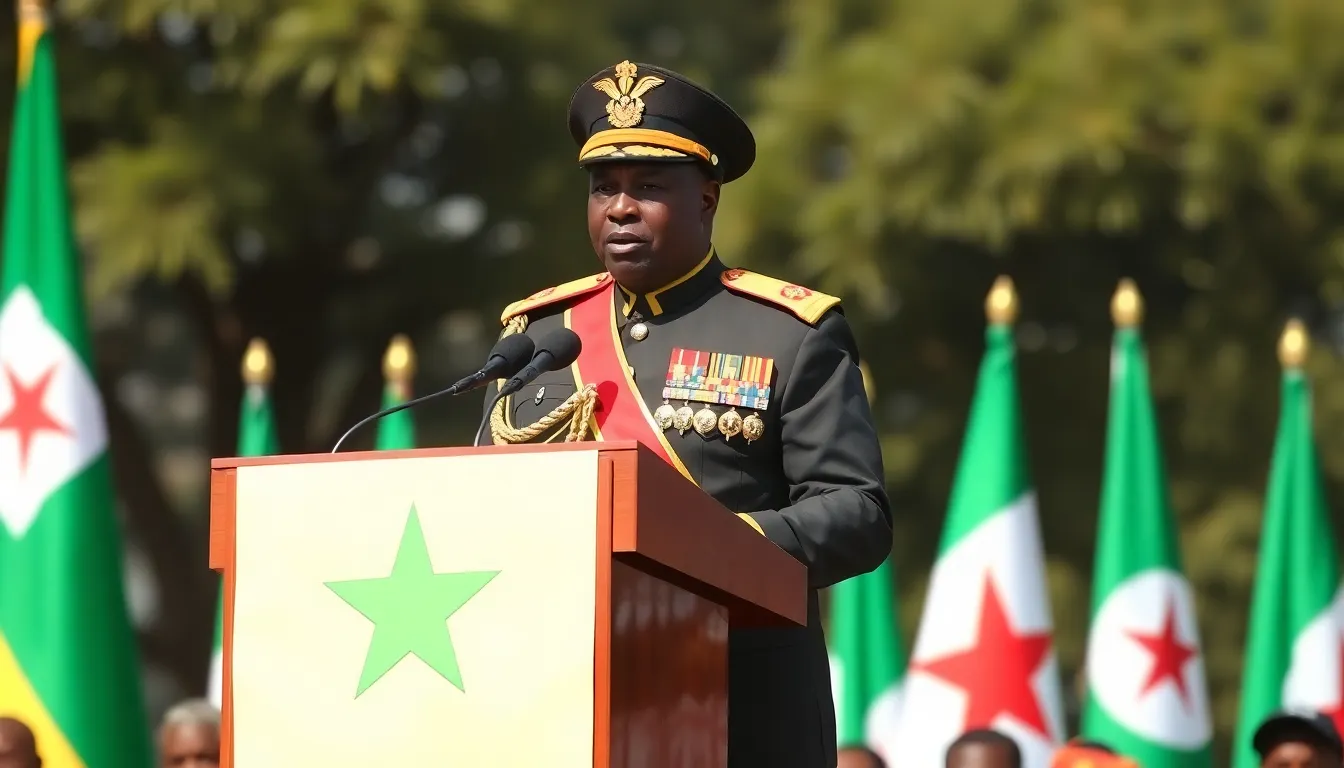
International organizations, including the United Nations and regional bodies like the Economic Community of West African States (ECOWAS), are also crucial stakeholders. They advocate for democratic principles and human rights, often imposing sanctions or diplomatic pressure on military regimes. Their interests in Burkina Faso revolve around promoting stability and preventing the spread of extremism, which can be undermined by the military’s rejection of democratic processes.
- Local Population: Many citizens are caught between the desire for security and the demand for democratic governance.
- International Community: Countries and organizations may face dilemmas in balancing support for human rights with the need for regional stability.
- Non-Governmental Organizations: These entities often work to promote civic engagement and may find their efforts stifled under military rule.
- Extremist Groups: The ongoing conflict with these groups complicates the situation, as military leaders use security threats to justify their actions.
Legal and economic issues also play a critical role in this analysis. The military’s governance model raises questions about the rule of law, human rights, and the legitimacy of power. Economically, the country faces challenges such as poverty and unemployment, which could be exacerbated by political instability. The military’s focus on security over democratic reform may lead to short-term gains but could hinder long-term development and international investment, much like other regions facing similar economic concerns, as detailed in various reports.
Potential effects on the citizens and political landscape
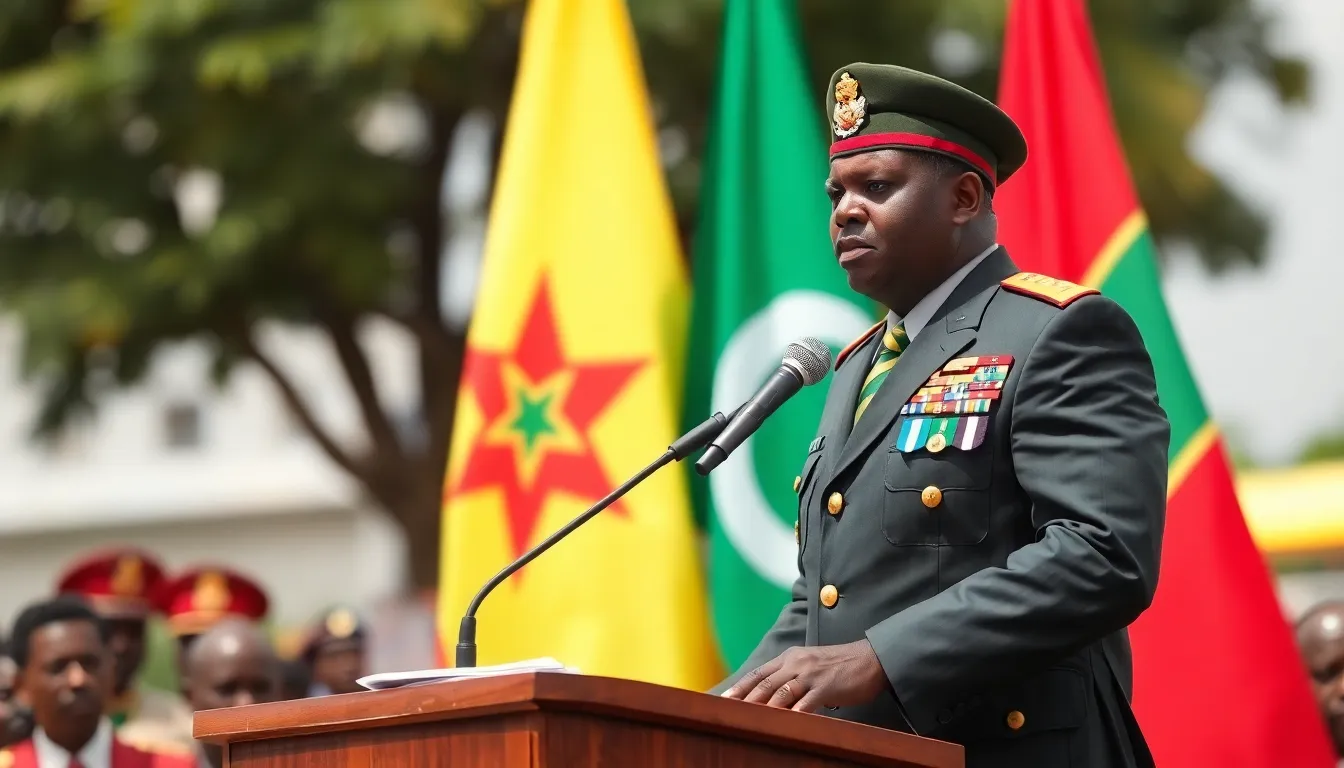
The recent statement by Burkina Faso’s military ruler suggesting that citizens should abandon democracy indicates a significant shift in the political landscape. This change primarily affects various groups, including the general populace, political activists, and civil society organizations, who have long fought for democratic governance and human rights.
In the short term, daily life for many citizens may become increasingly authoritarian. Restrictions on freedom of speech and assembly could lead to a chilling effect on political dissent. Businesses may also face uncertainty as the military government could impose regulations that prioritize state control over free enterprise. The tourism sector, already struggling due to security issues, could further decline as international perceptions of stability worsen.
Mid-term impacts may include a rise in civil unrest as citizens grapple with the loss of democratic freedoms. This unrest could disrupt local economies, leading to decreased foreign investment and potential sanctions from international bodies. However, there may be opportunities for new markets to emerge, particularly in sectors that align with the military’s priorities, such as security and infrastructure development.
- Increased government control over businesses and civil society.
- Potential for civil unrest and protests against military rule.
- Opportunities in security and infrastructure sectors.
- Decline in tourism and foreign investment.
Overall, the military ruler’s dismissal of democracy poses significant risks to the social fabric and economic stability of Burkina Faso. While some sectors may find ways to adapt, the overarching implications for governance and civil rights are likely to be profound and long-lasting.
A: The military ruler stated that the people of Burkina Faso should forget about democracy, suggesting a shift away from democratic governance. A: This statement is significant as it reflects the military’s intent to consolidate power and raises concerns about human rights and political freedoms. A: Public reaction has been mixed, with some supporting the military’s approach for stability, while others fear a loss of democratic rights. A: Burkina Faso has experienced several coups and political instability, leading to the current military government’s rise to power. A: The military’s stance may affect Burkina Faso’s relationships with democratic nations and international organizations, potentially leading to sanctions or isolation.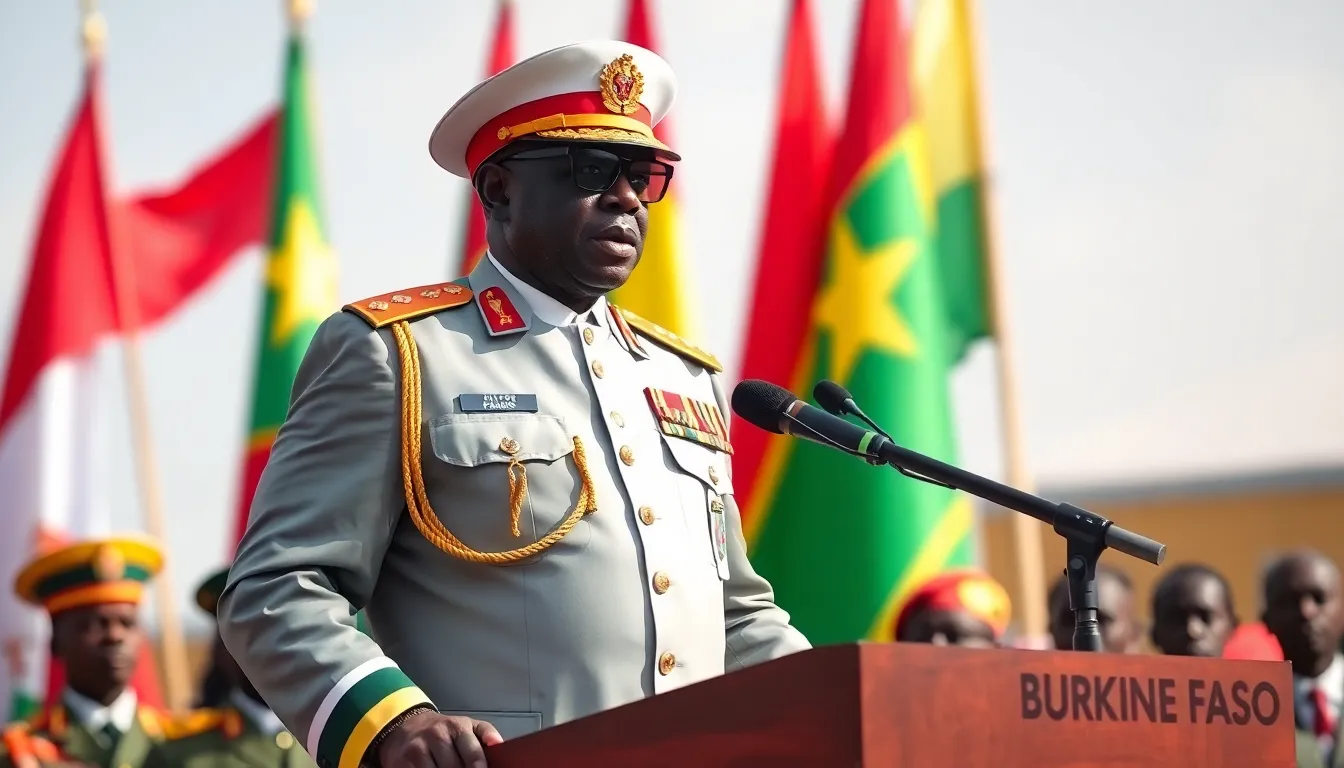
Frequently asked questions about the situation in Burkina Faso
Outlook on the future of democracy in Burkina Faso
The recent statements from Burkina Faso’s military ruler indicate a significant shift away from democratic governance, raising concerns about the future political landscape in the country. With the military’s focus on stability and security over democratic processes, citizens may face prolonged uncertainty regarding their political rights and freedoms. This transition could lead to a re-evaluation of civil society’s role and the potential for increased international scrutiny and intervention.
As the situation evolves, it is crucial to monitor how this military governance will impact socio-economic conditions and the public’s response. The military’s approach may also influence regional dynamics, particularly in relation to neighboring countries facing similar challenges. Stakeholders should prepare for various scenarios that could either stabilize or further destabilize the region.
- Watch for potential international responses, including sanctions or diplomatic efforts aimed at restoring democracy.
- Observe the military’s policies on civil liberties and how they affect public sentiment and dissent.
- Monitor the economic implications of military rule, particularly in sectors reliant on foreign investment and aid.
- Consider the role of regional organizations in mediating the situation and promoting dialogue.
- Assess the impact of social movements and grassroots organizations in advocating for democratic principles amidst military governance.