


In response to the crisis, local authorities are encouraging residents to adopt energy-saving measures. Initiatives such as the Cool Singapore campaign aim to promote the use of natural ventilation and energy-efficient appliances. However, with the average temperature in Singapore reaching a record high of 35°C this year, many residents remain reluctant to reduce their air conditioning usage.
Furthermore, the rising demand for electricity during peak hours has put additional strain on Singapore’s energy grid. The Energy Market Authority (EMA) has warned that without significant changes in consumption patterns, the country could face blackouts during the hottest months. This situation highlights the urgent need for a shift towards renewable energy sources and improved energy management practices.
Industry experts are calling for a comprehensive review of Singapore’s energy policies to address the challenges posed by climate change and urban heat. As the city-state navigates this crisis, the balance between comfort and sustainability will be crucial in shaping its energy future. The outcomes of these discussions could have lasting implications for Singapore’s environmental goals and economic stability, making it similar to the considerations faced by other nations.
Understanding Singapore’s air conditioning culture
Singapore’s relationship with air conditioning has evolved significantly since the technology was first introduced in the region. Initially adopted in the mid-20th century, air conditioning was seen as a luxury, primarily found in high-end hotels and offices. However, as Singapore underwent rapid urbanization and industrialization, the demand for cooling solutions surged, leading to widespread adoption across residential and commercial spaces.
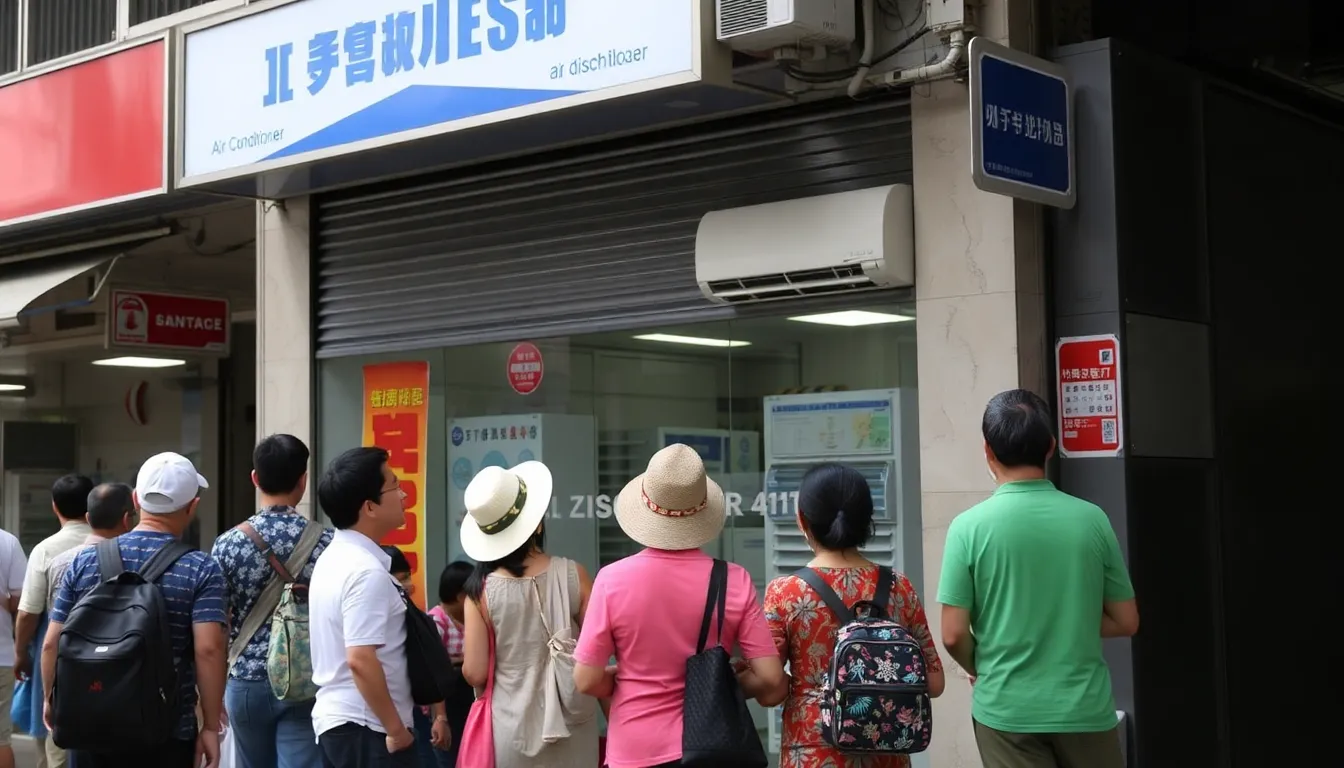
The tropical climate of Singapore, characterized by high humidity and temperatures averaging around 30 degrees Celsius, has made air conditioning not just a comfort but a necessity for many. Over the decades, the government has encouraged the use of air conditioning as part of its urban development strategy, contributing to the growth of a culture that heavily relies on these cooling systems in daily life, much like the trends seen in the modern tech life.
Economic Implications
The economic landscape of Singapore has also played a crucial role in the proliferation of air conditioning. As the nation transformed into a global financial hub, businesses prioritized employee comfort and productivity, leading to an increase in air-conditioned office spaces. This trend was further fueled by the rise of consumerism, with households investing in air conditioning units to enhance their living conditions.
However, this addiction to air conditioning has come with significant consequences. The energy demands of these systems have contributed to rising electricity consumption, prompting concerns about sustainability and the environmental impact. In recent years, the government has initiated various policies aimed at promoting energy efficiency and reducing carbon footprints, but the challenge remains as Singaporeans continue to grapple with their reliance on this modern convenience.
As the energy crisis looms, the need to reassess this air conditioning culture has never been more urgent. The intersection of climate change, economic pressures, and energy sustainability will test the nation’s ability to adapt, potentially reshaping the way Singaporeans view and utilize air conditioning in the future.
Key stakeholders in the energy debate
The energy crisis in Singapore has brought various stakeholders to the forefront, each with distinct interests and concerns. Key players include the Singaporean government, energy providers, environmental organizations, and the general public. Their interactions shape the discourse surrounding the country’s reliance on air conditioning and the broader implications for energy consumption.
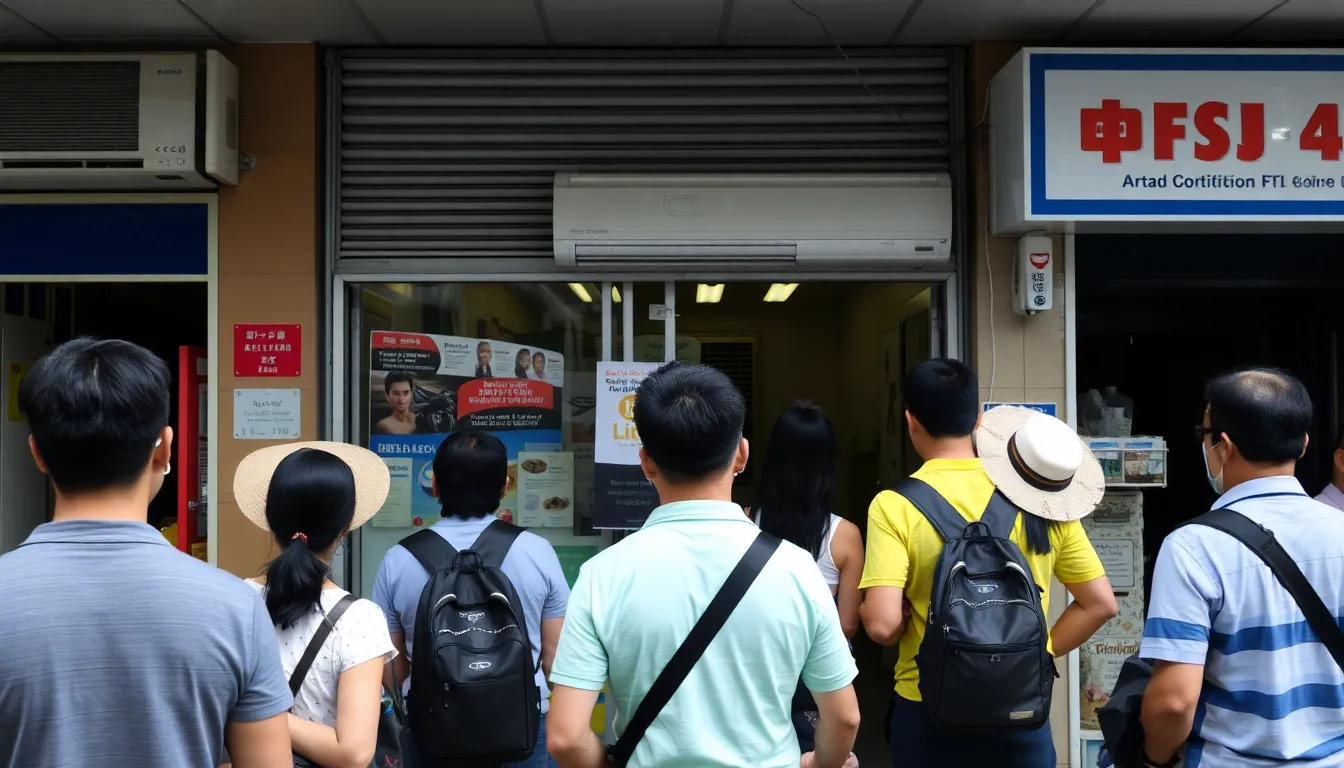
The Singaporean government is primarily focused on ensuring energy security and sustainability. With a growing population and increasing urbanization, the government aims to balance economic growth with environmental responsibility. This often leads to conflicts between the need for affordable energy and the push for greener alternatives. The government’s policies and initiatives, such as the Green Plan 2030, reflect its commitment to reducing carbon emissions while managing energy demands.
Energy providers, including both local and international companies, play a crucial role in this debate. Their interests lie in maintaining profitability while adapting to regulatory changes and consumer demands for cleaner energy sources. The challenge for these providers is to invest in renewable energy technologies and infrastructure while ensuring that energy prices remain competitive. This trade-off can lead to tensions between profitability and sustainability goals.
Environmental organizations advocate for more aggressive measures to combat climate change and promote energy efficiency. Their focus is on raising awareness about the environmental impacts of excessive air conditioning use, which contributes to higher energy consumption and greenhouse gas emissions. They often push for stricter regulations and incentives for both businesses and consumers to adopt more sustainable practices.
- Government policies aimed at reducing carbon emissions may conflict with the need for affordable energy.
- Energy providers face pressure to transition to renewable sources while keeping prices competitive.
- Public awareness of environmental issues may lead to increased demand for sustainable energy solutions.
- Environmental organizations may clash with energy providers over the pace of transition to greener technologies.
- Consumer behavior is influenced by both economic factors and growing environmental consciousness.
How the energy crisis affects residents and businesses
The ongoing energy crisis in Singapore is impacting various groups, particularly residents and businesses heavily reliant on air conditioning. With rising energy costs, households are facing increased utility bills, prompting many to reconsider their energy consumption habits. Low-income families are particularly vulnerable, as they may struggle to afford higher costs while maintaining comfortable living conditions.
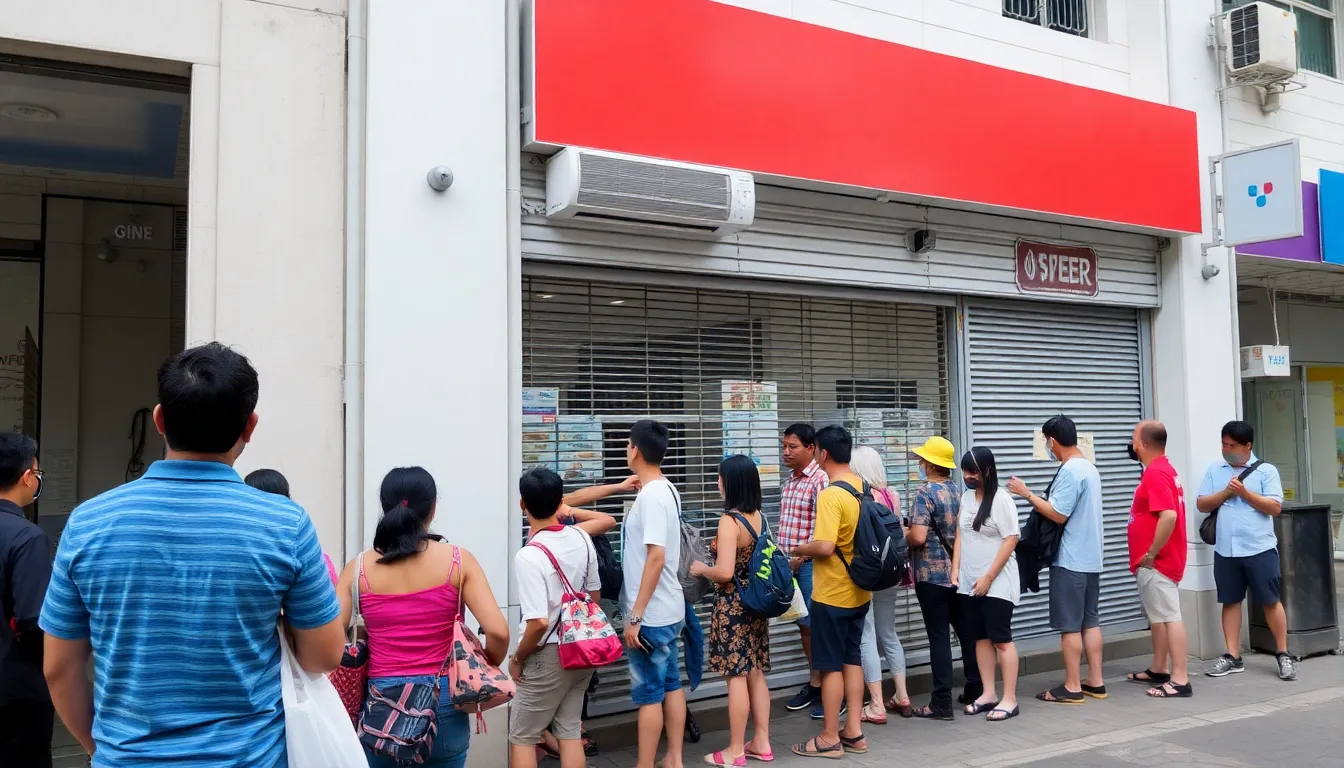
Industries such as hospitality, retail, and food services are also feeling the pinch. Businesses that depend on a steady stream of foot traffic, like restaurants and shops, may see a decline in customer visits during peak heat hours. In response, some establishments are adjusting their operating hours or investing in energy-efficient technologies to mitigate the impact.
In the short term, the energy crisis may lead to policy changes aimed at reducing energy consumption. The government could introduce incentives for businesses to adopt greener technologies or increase public awareness campaigns about energy conservation. These measures could foster a culture of sustainability among residents, ultimately leading to a shift in consumer behavior.
- Increased utility costs for households and businesses.
- Potential changes in operating hours for heat-sensitive industries.
- Heightened awareness of energy conservation practices.
- Opportunities for energy-efficient technology investments.
In the mid-term, the crisis could drive innovation in energy solutions, creating opportunities for startups and established companies to develop new products and services. The push for energy efficiency may also stimulate job growth in the green technology sector, providing a pathway for economic resilience amidst the challenges posed by the energy crisis.
A: The energy crisis in Singapore is primarily driven by rising global energy prices and increased demand for electricity, particularly for air conditioning during the hot months. A: Air conditioning systems account for a significant portion of electricity usage in Singapore, especially during peak hours, leading to higher energy costs and strain on the grid. A: The Singaporean government is exploring initiatives such as promoting energy efficiency, encouraging the use of renewable energy sources, and implementing demand-side management strategies. A: Yes, alternatives include natural ventilation, ceiling fans, and energy-efficient cooling technologies that can reduce reliance on traditional air conditioning. A: Residents can lower energy consumption by setting air conditioning to higher temperatures, using energy-efficient appliances, and utilizing shading techniques to keep homes cooler.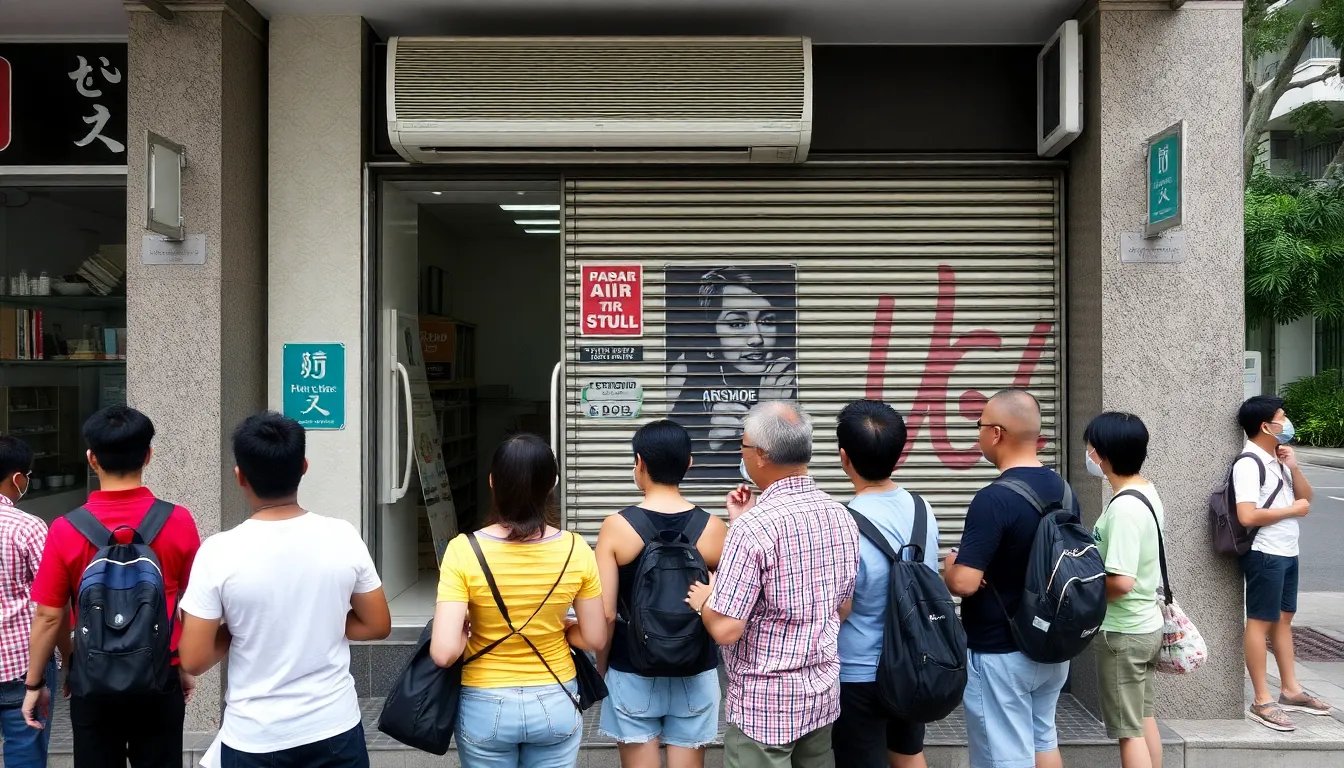
Frequently asked questions about the energy crisis
Future outlook on energy consumption and air conditioning
The ongoing energy crisis in Singapore presents a critical juncture for the nation’s reliance on air conditioning. As temperatures rise and energy resources become increasingly strained, the need for a sustainable approach to cooling is more pressing than ever. This situation not only challenges individual consumption habits but also calls for a collective reassessment of energy policies and infrastructure.
Looking ahead, the integration of innovative technologies and energy-efficient practices will be essential in mitigating the impacts of this crisis. Stakeholders, from government bodies to private enterprises and households, must collaborate to foster a culture of energy conservation while ensuring comfort in the tropical climate.
- Monitor energy consumption: Individuals and businesses should regularly assess their energy usage and explore ways to reduce reliance on air conditioning.
- Invest in energy-efficient technologies: The adoption of smart thermostats and high-efficiency cooling systems can significantly lower energy consumption.
- Promote alternative cooling methods: Exploring natural ventilation and shading techniques can help reduce the need for mechanical cooling.
- Engage in community initiatives: Collaborative efforts in neighborhoods can lead to shared solutions for energy conservation and awareness campaigns.
- Stay informed on policy changes: Keeping abreast of government initiatives and incentives aimed at promoting energy efficiency can provide opportunities for individuals and businesses to adapt.