


During a congressional hearing on October 10, 2023, several lawmakers confronted Kennedy about his evolving views, emphasizing the importance of maintaining scientific integrity in the face of misinformation. Critics argue that his previous anti-vaccine rhetoric has contributed to a decline in vaccination rates, particularly during the COVID-19 pandemic. They worry that his new strategy may still harbor elements of his past beliefs, potentially undermining public health efforts.
As Kennedy seeks to redefine his platform, he has begun to address issues such as environmental policy and economic inequality, attempting to connect with voters on topics beyond vaccines. This shift has sparked debate among political analysts regarding the effectiveness of his approach in appealing to mainstream Democratic voters. The ongoing discussions highlight the tension between public health priorities and political ambitions.
The situation remains fluid as Kennedy navigates his campaign while responding to the scrutiny from lawmakers. With the presidential primaries approaching, the outcome of this clash could significantly influence both his candidacy and the broader conversation about health policy in the United States. Observers are keenly watching how this dynamic unfolds in the coming months.
Understanding the background of RFK Jr’s vaccine stance
Robert F. Kennedy Jr. has long been a controversial figure in the debate over vaccines, primarily due to his vocal opposition to vaccine mandates and his promotion of vaccine skepticism. His stance can be traced back to the early 2000s, when he began to express concerns about the safety of vaccines, particularly in relation to autism. This period marked the rise of a significant anti-vaccine movement in the United States, fueled by various studies and anecdotal evidence that linked vaccines to health issues, despite overwhelming scientific consensus that vaccines are safe and effective. For more on this topic, see the article on vaccine discussions and public health.
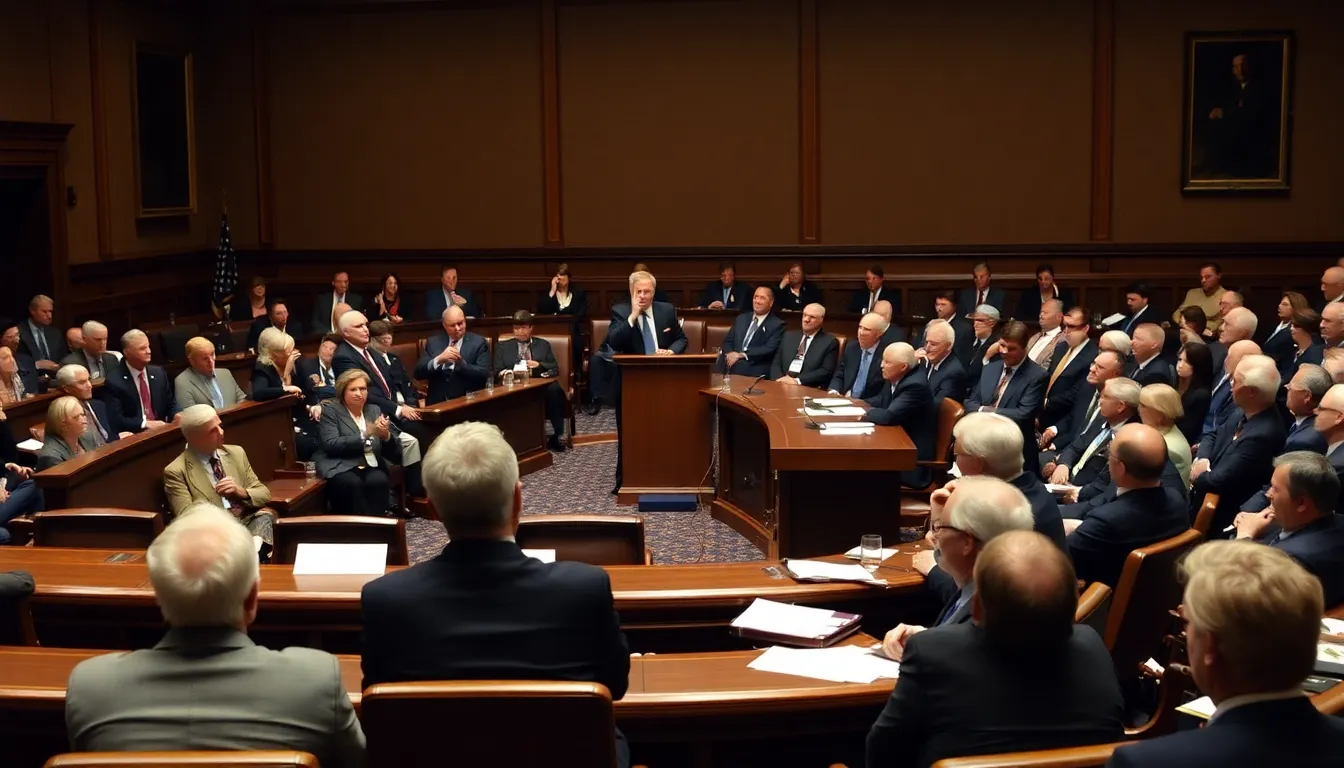
As a member of the Kennedy family, RFK Jr. has leveraged his surname’s legacy to gain attention for his views. His activism has often intersected with broader public health discussions, particularly during outbreaks of diseases like measles and whooping cough, which have been attributed to declining vaccination rates. The political landscape surrounding vaccines has also evolved, with lawmakers increasingly divided along partisan lines. Many Republicans have embraced anti-vaccine rhetoric, while Democrats generally advocate for vaccination as a public health imperative.
The Shift in Focus
Recently, RFK Jr. has begun to shift his focus away from vaccines and towards broader issues, including environmental concerns and government overreach. This pivot has sparked clashes with lawmakers who are wary of his influence, particularly as he positions himself as a candidate for the presidency. His change in strategy may reflect a desire to broaden his appeal beyond the anti-vaccine community and engage with a wider audience on issues that resonate with a growing number of Americans concerned about government policies and personal freedoms.
This shift has not come without controversy. Lawmakers and public health officials are concerned that his rhetoric could undermine vaccination efforts, especially in light of recent public health crises. The historical context of vaccine hesitancy in the U.S. underscores the challenges faced by those advocating for immunization, as they navigate a landscape shaped by misinformation and distrust in government institutions.
In summary, RFK Jr.’s evolving position on vaccines and public health reflects a complex interplay of historical precedents, political dynamics, and social movements. As he continues to engage with these issues, the implications for public health policy and vaccine advocacy remain significant.
Examining the key stakeholders and their positions
The recent clashes between lawmakers and Robert F. Kennedy Jr. (RFK Jr.) highlight a complex landscape of stakeholders, each with distinct interests and motivations. As RFK Jr. shifts his focus away from vaccines, various actors are responding to his evolving narrative, reflecting broader societal debates on public health, individual rights, and government regulation. For an understanding of similar narratives, you might be interested in the article about Kennedy Ryan’s industry moves.
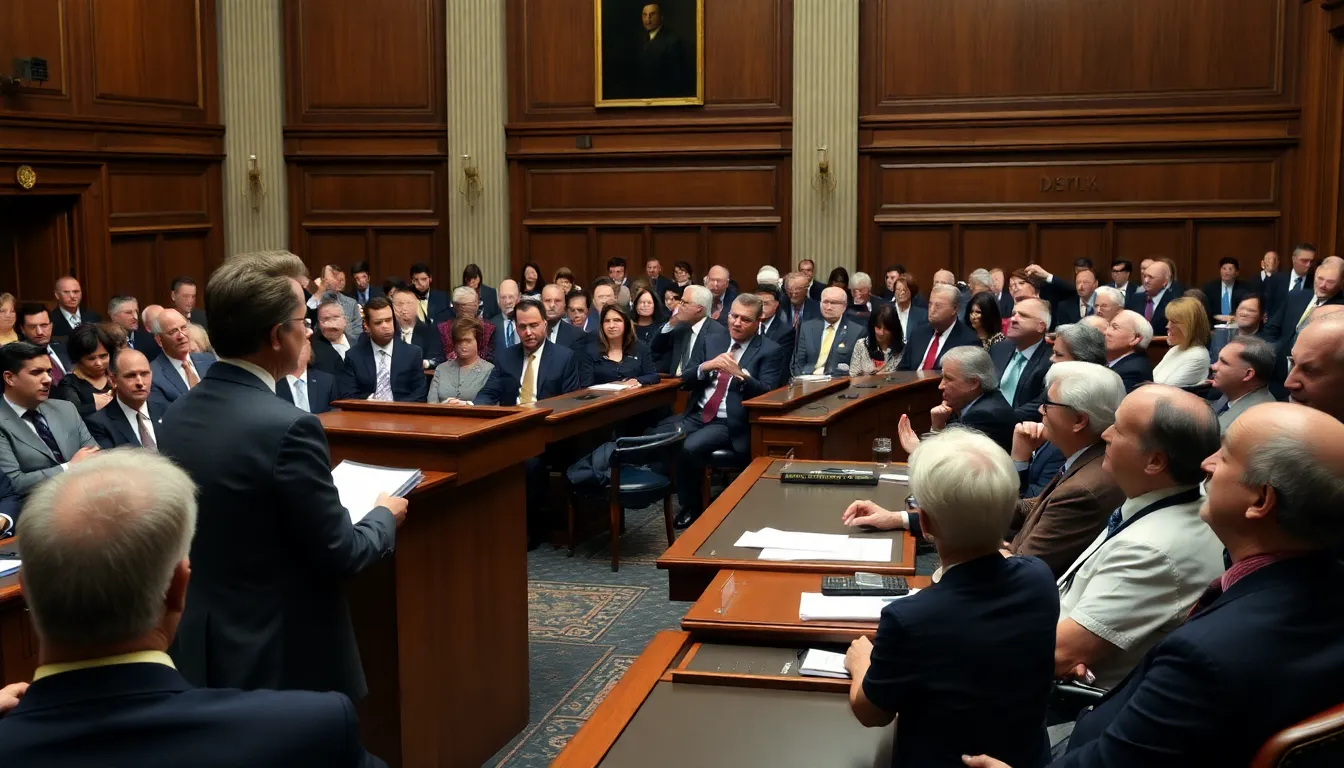
One of the primary stakeholders is RFK Jr. himself, who has built a significant following by advocating for vaccine skepticism. His shift in focus may be an attempt to broaden his appeal beyond the anti-vaccine movement, potentially positioning himself as a candidate who champions individual liberties and critiques government overreach. This change could resonate with a wider audience concerned about various issues, including environmental policies and civil liberties.
On the opposing side, lawmakers and public health officials are keenly interested in maintaining public trust in vaccination programs, especially in the wake of the COVID-19 pandemic. They argue that misinformation can lead to public health crises, and RFK Jr.’s influence could undermine years of efforts to promote vaccine uptake. This clash raises critical legal and ethical questions about free speech versus public health responsibilities. This debate echoes sentiments shared in the recent story about individual rights and health concerns.
- Public Health Agencies: These organizations are focused on safeguarding community health and may view RFK Jr.’s statements as a threat to vaccination efforts.
- Political Opponents: Lawmakers opposed to RFK Jr.’s views may leverage his statements to rally support for stricter regulations on misinformation.
- Vaccine Advocacy Groups: These groups work to counter misinformation and promote the benefits of vaccines, often finding themselves in direct conflict with RFK Jr.’s messaging.
Additionally, the media plays a crucial role in shaping public perception of this debate. Coverage of RFK Jr.’s statements and the subsequent reactions from lawmakers can influence how the public views both the anti-vaccine movement and the importance of vaccination. The framing of these narratives can either exacerbate divisions or foster a more nuanced discussion about health policy and personal freedoms.
Potential impacts on public health and political landscape
The ongoing clash between lawmakers and Robert F. Kennedy Jr. (RFK Jr.) as he shifts his focus away from vaccines has significant implications for various groups, industries, and regions. Public health advocates, vaccine manufacturers, and political entities are among those most affected by this evolving narrative. The discourse surrounding vaccines has historically polarized communities, and a renewed focus on RFK Jr.’s alternative health views may exacerbate existing divisions.
In the short term, communities that have been staunchly supportive of vaccination efforts may experience increased anxiety and confusion. This could lead to a rise in vaccine hesitancy, particularly among parents considering vaccinations for their children. In contrast, groups that align with RFK Jr.’s views may find renewed energy and support, potentially mobilizing grassroots movements that challenge public health initiatives.
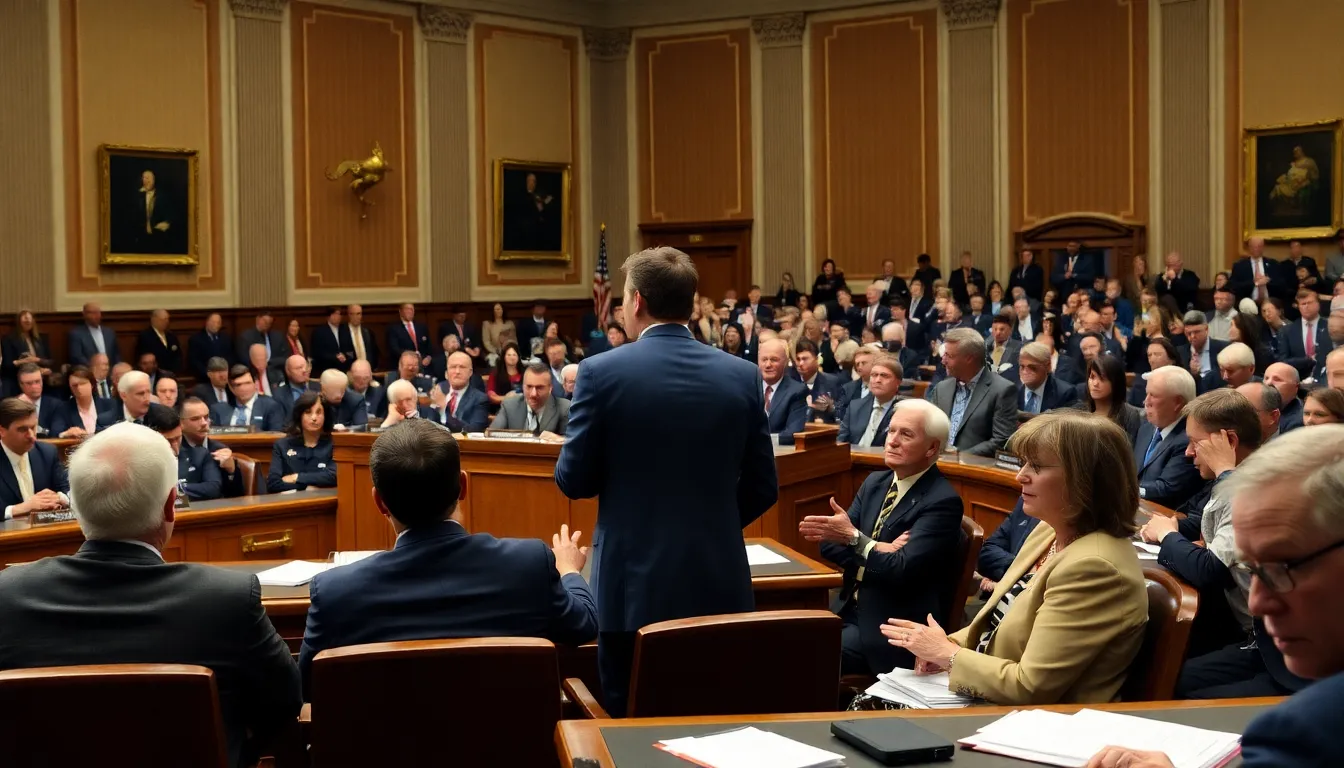
Mid-term impacts may extend beyond public health into the political arena. Lawmakers who support vaccination may face increased pressure from constituents who resonate with RFK Jr.’s rhetoric. This could result in shifts in policy discussions, with some legislators reconsidering their stance on vaccine mandates and public health funding. Conversely, this presents an opportunity for public health advocates to strengthen their messaging and engage more effectively with communities that feel disenfranchised.
- Public Health Risks: Increased vaccine hesitancy leading to outbreaks of preventable diseases.
- Political Opportunities: Potential for lawmakers to engage with constituents through improved health education initiatives.
- Economic Impacts: Vaccine manufacturers may face fluctuations in demand based on public perception.
- Community Division: Heightened polarization affecting local health policies and community trust.
As RFK Jr. pivots his focus, industries related to alternative health products may see a surge in interest, presenting both risks and opportunities. Businesses that align with his views could thrive, while those in the traditional healthcare sector may need to adapt to changing consumer sentiments. The overall landscape of public health policy may shift as lawmakers respond to the evolving dialogue influenced by RFK Jr.’s advocacy.
A: Lawmakers are concerned that RFK Jr’s shift away from vaccines could undermine public health initiatives and spread misinformation. A: RFK Jr has recently redirected his focus to other issues, which has led to tensions with lawmakers who feel he is abandoning critical discussions on vaccine safety. A: Public reaction has been mixed, with some supporting his broader agenda while others criticize him for moving away from vaccine advocacy. A: The implications could be significant, as reduced emphasis on vaccines may lead to lower vaccination rates and increased risk of outbreaks. A: Yes, several lawmakers are planning to introduce measures aimed at addressing vaccine misinformation and promoting public health initiatives.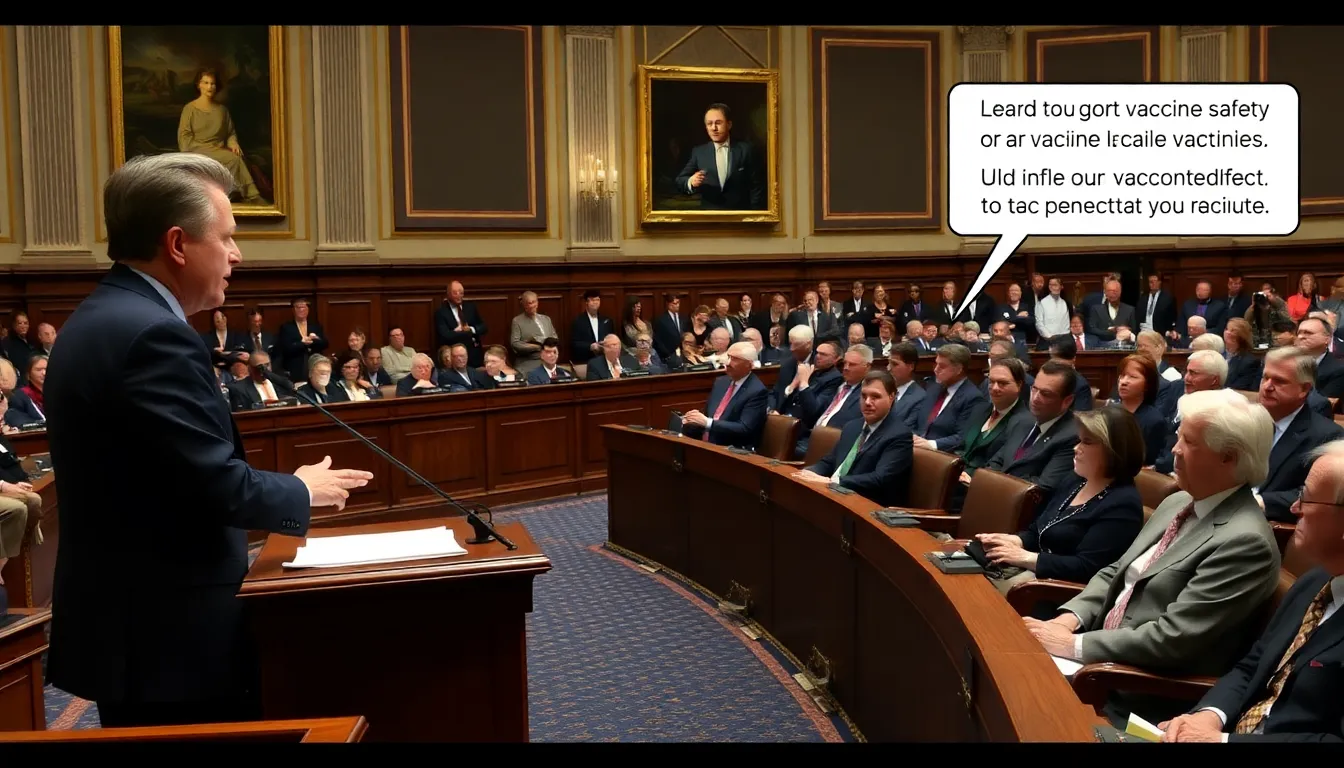
Frequently asked questions about RFK Jr and vaccines
Key takeaways and future outlook on the issue
The recent shift in focus by Robert F. Kennedy Jr. from vaccines to broader public health issues has sparked significant debate among lawmakers and public health advocates. This transition highlights the evolving landscape of health policy discussions, where the intersection of personal beliefs and public health mandates continues to create tension. As RFK Jr. expands his platform, it raises important questions about the future of health advocacy and the role of personal narratives in shaping public opinion.
Lawmakers must navigate these complex dynamics, balancing the need for public health initiatives with the diverse viewpoints of constituents. The implications of this clash could influence future legislation and public discourse around health-related topics, particularly as more individuals become engaged in discussions surrounding health freedom and personal choice.
- Monitor potential shifts in public health policy as RFK Jr. gains traction in his new focus.
- Watch for increased polarization among lawmakers regarding health mandates and personal freedoms.
- Consider the impact of RFK Jr.’s narrative on public perception of vaccines and health initiatives.
- Anticipate responses from public health organizations as they address the changing conversation.
- Evaluate the role of social media in amplifying divergent views on health-related issues.