


The translator, who had been working with the studio since the game’s initial release in 2018, was informed of their dismissal in early October 2023. The studio’s management emphasized that the shift towards AI is aimed at increasing efficiency and reducing costs, a trend that has been observed across various industries, such as in Microsoft’s recent decisions.
Critics argue that replacing human translators with AI could lead to a loss of nuance and cultural understanding in game narratives. Language is inherently complex, and the subtleties that a human translator brings to the table may be overlooked by machine-generated translations, potentially alienating players in diverse markets.
This development also raises broader questions about the future of employment in creative sectors, as more companies consider AI as a viable alternative to human labor. As the gaming industry continues to evolve, the balance between technological advancement and the preservation of human artistry remains a critical issue for stakeholders.
Background on the use of AI in the gaming industry
The integration of artificial intelligence (AI) in the gaming industry has transformed how games are developed, localized, and experienced by players. As technology has advanced, studios have increasingly turned to AI solutions to streamline processes, reduce costs, and enhance gameplay. This trend has sparked debates about the implications for human roles within the industry, particularly in areas such as translation, where accuracy and cultural nuances are paramount.

The rise of AI-driven translation tools can be traced back to significant advancements in machine learning and natural language processing. These technologies have enabled machines to process and understand languages at an unprecedented scale. As a result, many game developers have begun to favor these tools over traditional human translators, often citing efficiency and cost-effectiveness as primary motivators. However, this shift raises questions about the quality of localization and the potential loss of jobs for skilled professionals in the field.
Historical Context of Game Localization
Game localization has a rich history, evolving from simple text translations to complex processes that involve cultural adaptation and voice acting. In the early days of gaming, localization was often an afterthought, leading to poorly translated content that detracted from player experience. As the gaming market expanded globally, the demand for high-quality localization grew, prompting studios to invest in professional translators who could convey not just language but also cultural context. This historical backdrop sets the stage for the current controversy surrounding AI’s role in replacing human translators.
The recent decision by the studio behind ‘Kingdom Come: Deliverance 2’ to allegedly fire a translator deemed “obsolete” in favor of AI highlights the ongoing tension between technological advancement and human expertise. While AI can handle basic translations efficiently, it often struggles with idiomatic expressions and cultural references—issues also present in other sectors.
As the industry continues to evolve, the balance between utilizing AI for efficiency and maintaining the integrity of human creativity and cultural understanding remains a critical challenge. The outcome of such decisions not only affects individual professionals but also shapes the future of gaming as a global medium that thrives on diverse narratives and authentic experiences.
Key stakeholders react to the studio’s controversial move
The decision by the studio behind ‘Kingdom Come: Deliverance 2’ to replace a human translator with AI has sparked significant debate among various stakeholders. These include the gaming studio, the translator community, players, and AI technology developers. Each group has distinct interests that shape their reactions to this development.

The gaming studio’s primary interest lies in reducing costs and increasing efficiency. By employing AI for translation tasks, they aim to streamline production and potentially enhance the game’s accessibility to a broader audience. However, this move raises questions about the quality and cultural sensitivity of AI-generated translations, which could impact player experience.
On the other hand, the translator community views this decision as a threat to their profession. Many translators argue that AI lacks the nuanced understanding of language and culture that human translators provide. They fear that reliance on AI could lead to job losses and a decline in the quality of localization in video games.
Players, as key consumers, have mixed feelings about this shift. Some may welcome faster translations, while others are concerned about the potential loss of authenticity and emotional depth in the game’s narrative. This divide highlights the importance of maintaining a balance between technological advancement and preserving the artistry of game development.
- Cost Reduction: Studios may save money by replacing human workers with AI.
- Quality Concerns: AI translations may lack cultural context and emotional nuance.
- Job Security: Human translators face job displacement due to automation.
- Player Experience: The impact on game quality and player engagement is uncertain.
- Legal Issues: Potential copyright and ethical implications of using AI-generated content.
Potential effects on translators and the gaming market
The decision by the studio behind ‘Kingdom Come: Deliverance 2’ to replace human translators with AI technology has far-reaching implications for several groups, particularly professional translators and the gaming industry. As AI continues to evolve, the demand for skilled human translators may diminish, impacting those who rely on this profession for their livelihood.
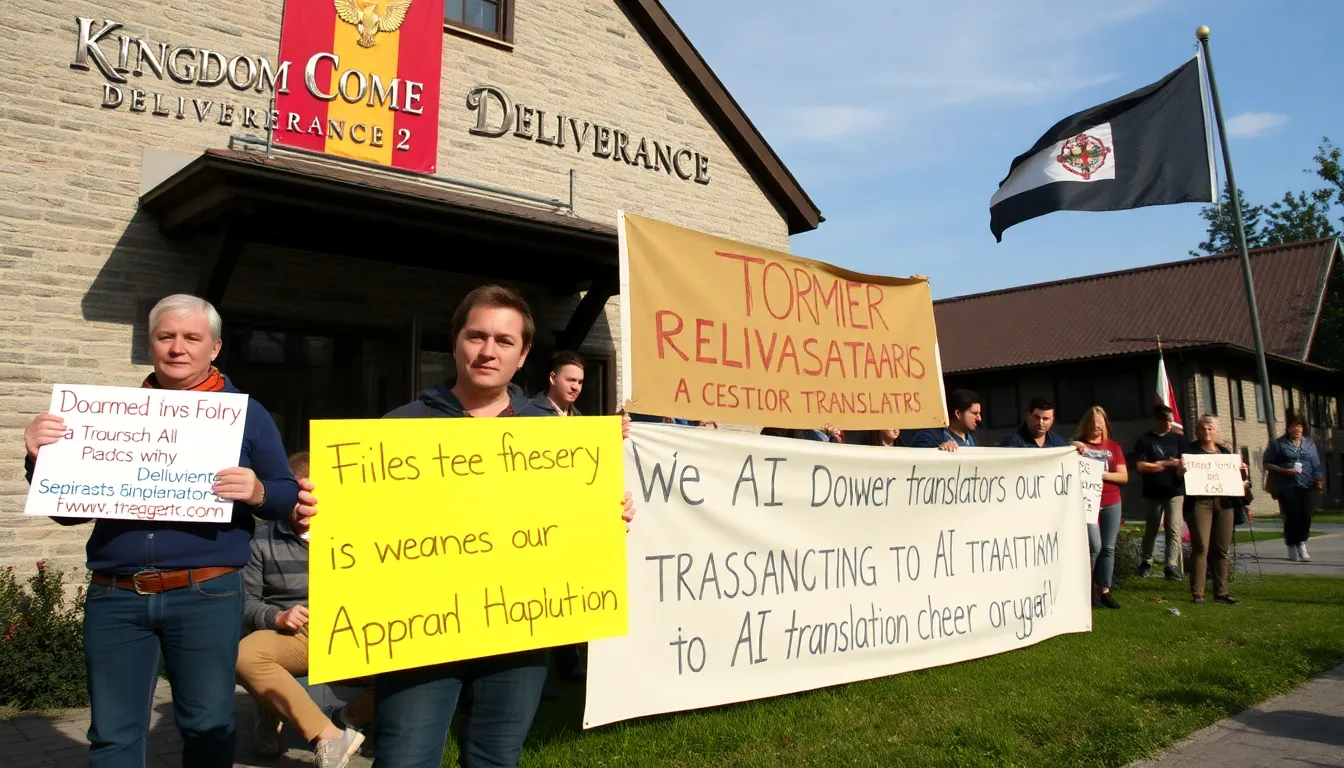
In the short term, translators may face job insecurity as studios and companies explore cost-saving measures through automation. This shift could lead to a reduction in available positions, particularly in the gaming sector, where localized content is crucial for player engagement. The immediate effects could include increased competition among translators and a potential decline in the quality of translations if AI-generated content is not adequately supervised.
Mid-term impacts may extend beyond job loss. As AI technology becomes more integrated into the translation process, businesses may begin to prioritize speed and cost over quality, which could result in a homogenization of game narratives and cultural nuances. This shift might alienate players who value authentic storytelling and localized experiences, ultimately affecting sales and player satisfaction.
- Job Losses: Translators may find fewer job opportunities as studios opt for AI solutions.
- Quality Concerns: The potential decline in translation quality could impact player experiences.
- Cultural Homogenization: AI may overlook unique cultural elements, leading to less engaging narratives.
- Cost Savings: Studios could benefit from reduced translation costs, potentially reallocating funds to other areas.
- New Roles: Opportunities may arise for tech-savvy translators to manage AI tools and ensure quality control.
While the risks are significant, there are also potential opportunities for adaptation. Translators may pivot towards roles that emphasize creativity and cultural insight, which AI cannot replicate. Additionally, the gaming industry might see a rise in demand for professionals who can bridge the gap between AI technology and human creativity, leading to new job categories that focus on AI oversight and enhancement of translated content.
A: The studio claimed that the translator was deemed obsolete and that AI could provide more efficient and cost-effective solutions for localization. A: Critics argue that while AI can speed up the process, it may lack the nuance and cultural understanding that human translators provide. A: Many translators have expressed concern over job security and the potential decline in translation quality due to reliance on AI. A: Yes, the use of AI for various tasks, including translation, is becoming increasingly common in the gaming industry as companies seek to cut costs. A: The long-term implications could include a shift in job roles within the industry and a reevaluation of the importance of human translators.
Frequently asked questions about the translator replacement
Looking ahead: implications for the future of translation in gaming
The recent decision by the studio behind Kingdom Come: Deliverance 2 to replace a human translator with AI raises significant questions about the future of translation in the gaming industry. As technology continues to evolve, the balance between human creativity and machine efficiency becomes increasingly precarious. This shift not only impacts job security for translators but also the quality and authenticity of localized content in video games.
As developers and studios explore the capabilities of AI in translation, it is crucial to consider the broader implications for the gaming community. The potential for enhanced efficiency and cost savings must be weighed against the risk of losing the nuanced understanding that human translators bring to culturally sensitive material.
- Quality vs. Efficiency: Monitor how AI-generated translations affect the narrative and emotional depth of games.
- Job Market Changes: Observe the evolving role of human translators and the emergence of new job opportunities in AI oversight and localization management.
- Player Reception: Pay attention to community feedback regarding AI translations and their impact on player experience.
- Technological Advancements: Stay informed about advancements in AI translation technology and its integration into game development processes.
- Cultural Sensitivity: Evaluate how AI handles culturally specific references and whether it can maintain the integrity of the original content.