


In 2022, the United Nations Climate Change Conference, also known as COP27, brought together leaders from around the globe to address these pressing issues. Despite the urgency, many experts argue that commitments made during the conference are insufficient to meet the goals set in the Paris Agreement, which aims to limit global warming to 1.5 degrees Celsius.
Corporate involvement in climate discussions has increased, with major companies participating in forums like the World Economic Forum in Davos. However, critics point out that without concrete actions and accountability, discussions may lead to “greenwashing” rather than meaningful change. For more insights on this topic, you can read about Trump’s Davos speech.
Furthermore, biodiversity loss remains a critical issue, with the World Wildlife Fund reporting that populations of mammals, birds, fish, and reptiles have declined by an average of 68% since 1970. This decline threatens ecosystems and human livelihoods, highlighting the need for immediate and effective conservation efforts.
As the world grapples with these challenges, the role of international forums like Davos becomes crucial. The ability of global leaders to collaborate and implement effective strategies could determine the future of environmental sustainability and the health of the planet.

The history and significance of the Davos meetings
The World Economic Forum (WEF), held annually in Davos, Switzerland, has evolved since its inception in 1971 into a pivotal platform for global leaders to discuss pressing issues, including economic development, social change, and environmental sustainability. Originally established as a meeting for European business leaders to engage with American counterparts, the forum has expanded its scope to include heads of state, academics, and civil society representatives, reflecting a broader understanding of the interconnectedness of global challenges. Another important aspect of global discourse can be found in the insights of BBC Inside Science.
Over the decades, the Davos meetings have witnessed key milestones that have shaped global economic policies. In the 1990s, the forum began to address the implications of globalization, emphasizing the need for collaborative solutions to emerging challenges. The 2000s saw a growing focus on corporate social responsibility and sustainable development, culminating in the establishment of various initiatives aimed at tackling climate change and promoting environmental stewardship.
Environmental initiatives at Davos
In recent years, the WEF has increasingly spotlighted environmental issues, particularly in response to the escalating climate crisis. The Paris Agreement in 2015 marked a significant turning point, with Davos serving as a platform for world leaders to reaffirm their commitments to reducing carbon emissions. Initiatives like the “1 Trillion Trees” campaign and the focus on sustainable business practices have emerged from discussions at the forum, illustrating a growing recognition of the urgent need for environmental action. To gain a deeper understanding of the complexities surrounding these issues, consider exploring Adam Tooze’s insights.
Despite these advancements, critics argue that the actions taken at Davos often fall short of the necessary commitments to effect real change. The paradox of high-profile discussions on sustainability occurring in a luxury setting has raised questions about the sincerity and effectiveness of the forum’s environmental agenda. As global leaders convene once again in Davos, the challenge remains: can this influential platform truly catalyze the transformative actions needed to protect the planet?
Key stakeholders and their roles in environmental discussions
In the context of the World Economic Forum in Davos, various stakeholders play pivotal roles in shaping the discourse around environmental sustainability. These actors include governments, international organizations, non-governmental organizations (NGOs), corporations, and civil society. Each has distinct interests that influence their positions on environmental policies and initiatives.

Governments, particularly those from developed nations, often advocate for ambitious climate targets and regulatory frameworks. Their interests are typically aligned with the need to meet international commitments, such as the Paris Agreement. However, conflicts may arise when these governments face pressure from domestic industries that prioritize economic growth over environmental regulations.
International organizations, such as the United Nations and the World Bank, are crucial in facilitating dialogue and providing funding for climate initiatives. Their focus is on global cooperation and sustainable development. Yet, they must navigate the complexities of differing national priorities and the challenge of ensuring that financial resources are allocated effectively to address environmental issues.
- Corporations: Many businesses are increasingly recognizing the importance of sustainability for their long-term viability. However, there is often a trade-off between short-term profits and long-term environmental goals.
- NGOs: Environmental NGOs advocate for stricter regulations and accountability from both governments and corporations. They often highlight the need for transparency and public engagement in environmental decision-making.
- Civil Society: The general public and grassroots movements play a critical role in raising awareness and pushing for change. Their interests can sometimes conflict with corporate and governmental agendas, particularly when local communities are affected by environmental degradation.
Legal and economic issues also complicate the landscape of environmental discussions at Davos. For instance, the implementation of carbon pricing mechanisms can create economic disparities between countries, particularly impacting developing nations that may lack the resources to transition to greener technologies. Additionally, debates around intellectual property rights related to green technologies can hinder the sharing of innovations that are crucial for global sustainability efforts.
How Davos decisions affect global environmental policies
The World Economic Forum in Davos serves as a critical platform where leaders from various sectors converge to discuss pressing global issues, including climate change and environmental sustainability. The decisions made here have far-reaching implications for multiple groups, industries, and regions. Stakeholders such as governments, corporations, and non-profit organizations are all influenced by the policies and commitments that emerge from these discussions.
In the short term, businesses may face increased pressure to adopt sustainable practices and reduce their carbon footprints. Industries such as energy, transportation, and agriculture are particularly affected, as they are major contributors to greenhouse gas emissions. This shift can lead to significant operational changes, requiring companies to invest in new technologies and processes. Consequently, consumers may experience changes in product availability and pricing as businesses adapt to new regulations and market demands.
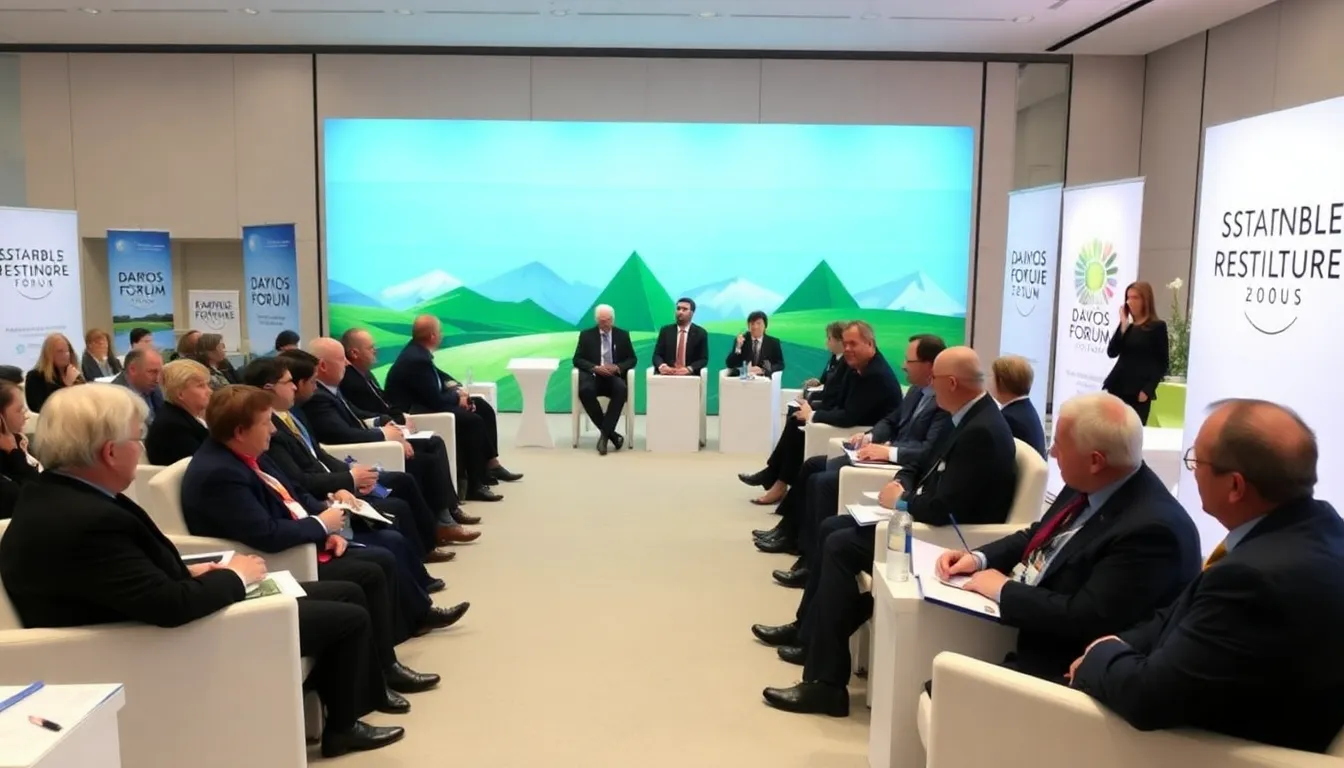
In the mid-term, the emphasis on sustainability can create opportunities for innovation and growth in green technologies. Regions that invest in renewable energy and sustainable practices may see economic benefits, including job creation in emerging sectors. However, there are also risks involved, particularly for industries that are slow to adapt. Companies that fail to comply with new environmental standards may face legal repercussions or lose market share to more agile competitors.
- Governments: Increased regulatory frameworks promoting sustainability.
- Corporations: Need for innovation in sustainable practices and technologies.
- Consumers: Potential changes in product offerings and pricing.
- Regions: Opportunities for economic growth through green investments.
- Industries: Risks for those that do not adapt to new environmental standards.
The ripple effects of Davos decisions extend beyond immediate policy changes, influencing public sentiment and corporate responsibility. As environmental concerns gain traction, companies may find that their reputations are tied to their sustainability efforts. This shift can lead to a more environmentally conscious marketplace, where consumers actively seek out brands that prioritize ecological integrity.
A: The main goal is to foster dialogue among global leaders to address pressing environmental issues and promote sustainable practices. A: Outcomes from Davos can set a global agenda that influences national and local policies by encouraging governments to adopt more sustainable practices. A: Yes, various initiatives have been launched at Davos aimed at combating climate change and promoting green technologies. A: Key participants include world leaders, business executives, environmental activists, and representatives from international organizations. A: Challenges include differing national interests, the complexity of global environmental issues, and the need for immediate action versus long-term goals.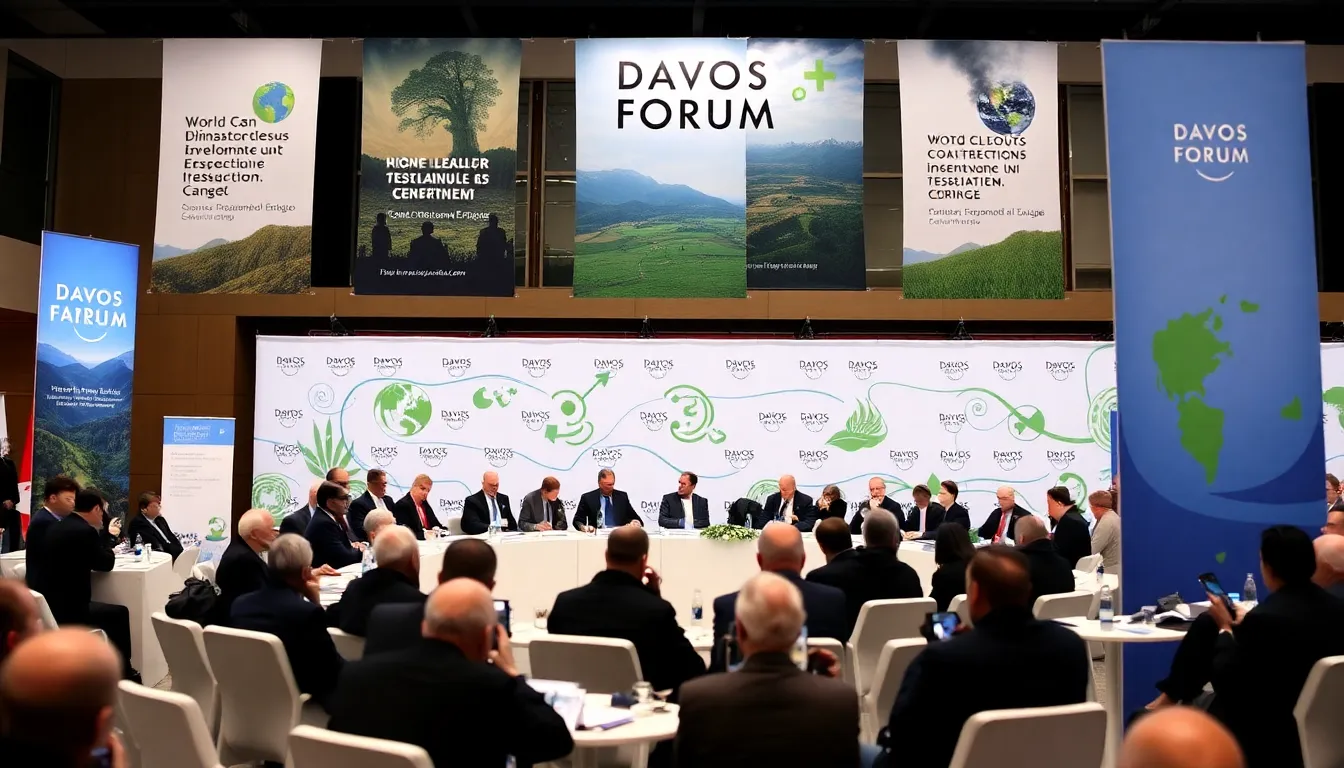
Frequently asked questions about Davos and the environment
Future outlook on Davos and its environmental impact
The ongoing discussions at Davos regarding climate change and sustainability reflect a growing recognition of the urgency needed to address environmental challenges. As global leaders and influential figures convene, the decisions made and commitments announced can significantly shape the trajectory of international climate policy and corporate responsibility. The effectiveness of these dialogues will depend not only on the pledges made but also on the tangible actions taken in the following years.
Monitoring the outcomes of these discussions will be crucial. Stakeholders should pay attention to the alignment of governmental policies with the private sector’s sustainability goals, as well as the potential for innovative solutions that emerge from collaborative efforts. The commitment to green technologies and sustainable practices at Davos could set a precedent for future global initiatives.
- Watch for increased collaboration between governments and businesses to drive sustainable innovations.
- Observe how commitments made at Davos translate into actionable policies and measurable outcomes.
- Keep an eye on the integration of climate considerations into economic recovery plans post-pandemic.
- Consider the role of emerging technologies in addressing environmental challenges discussed at the summit.
- Evaluate the effectiveness of public-private partnerships formed as a result of dialogues at Davos.