


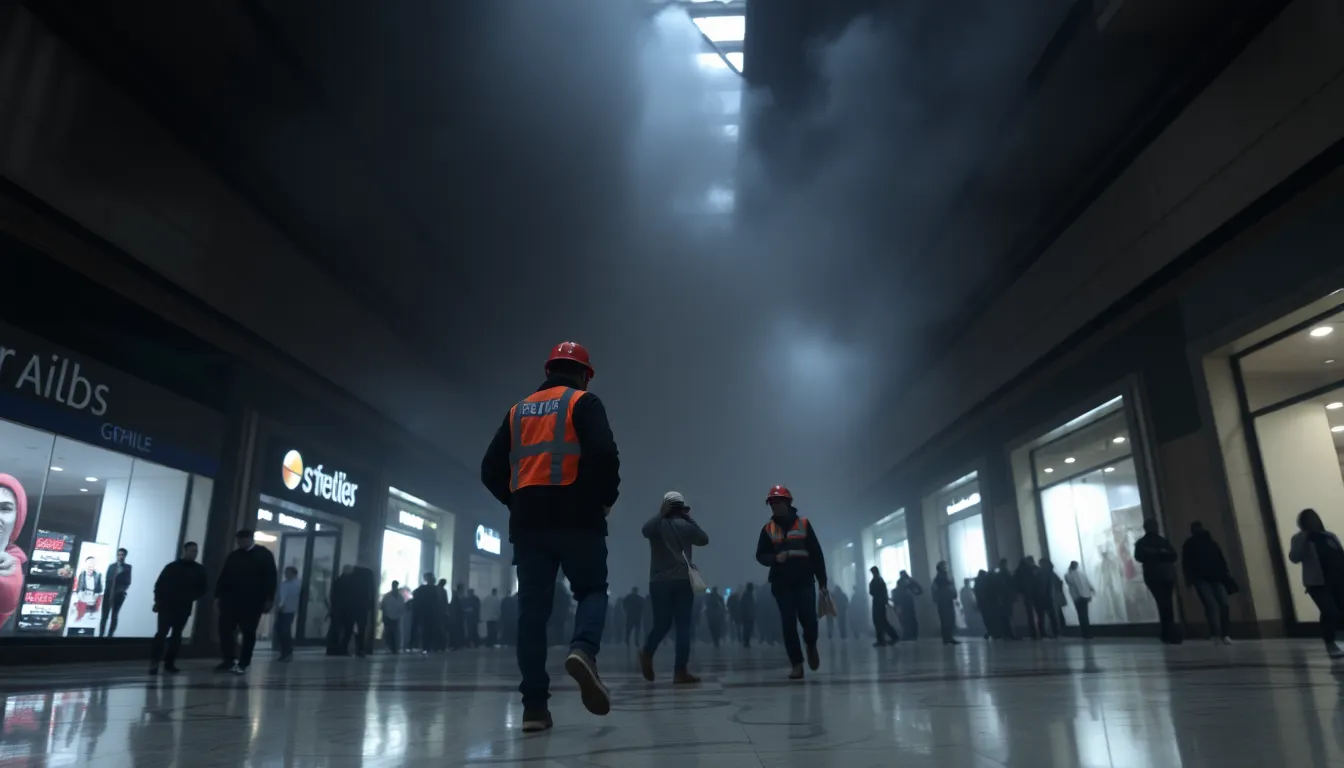
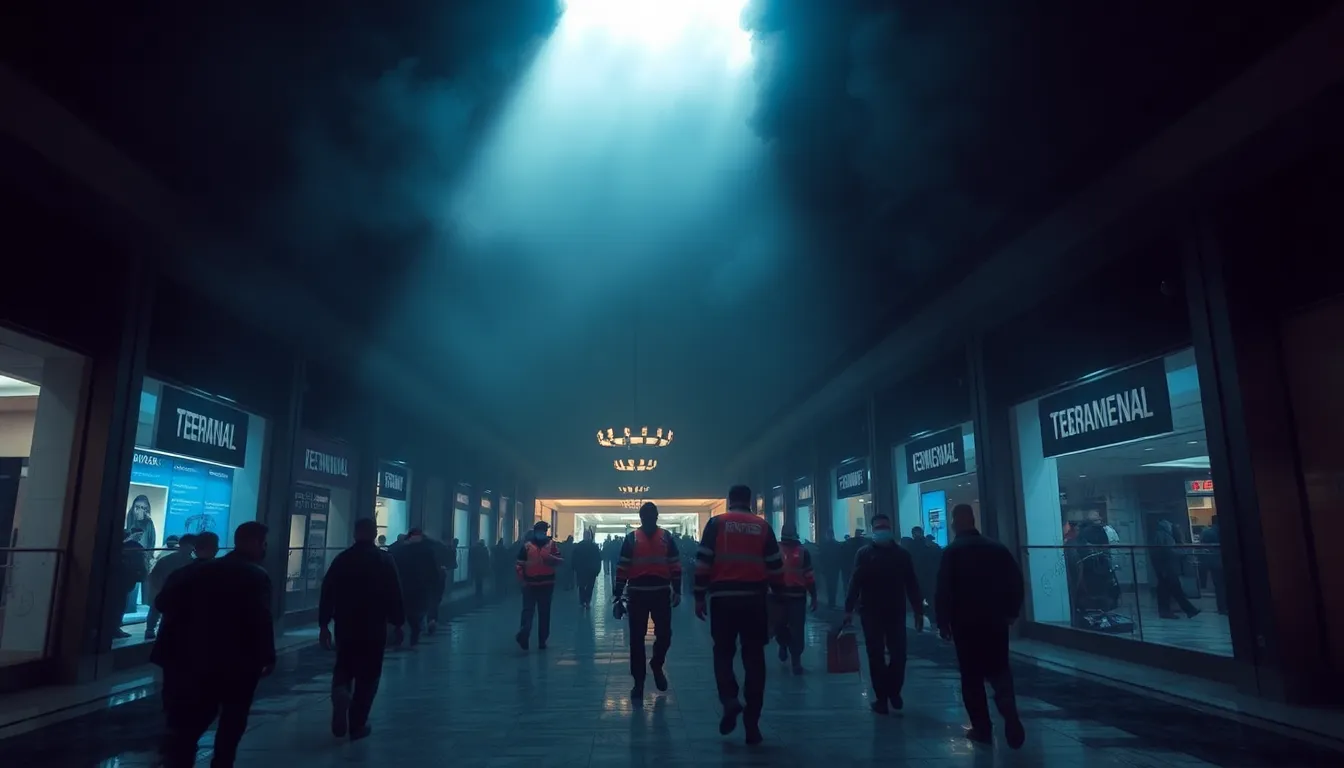
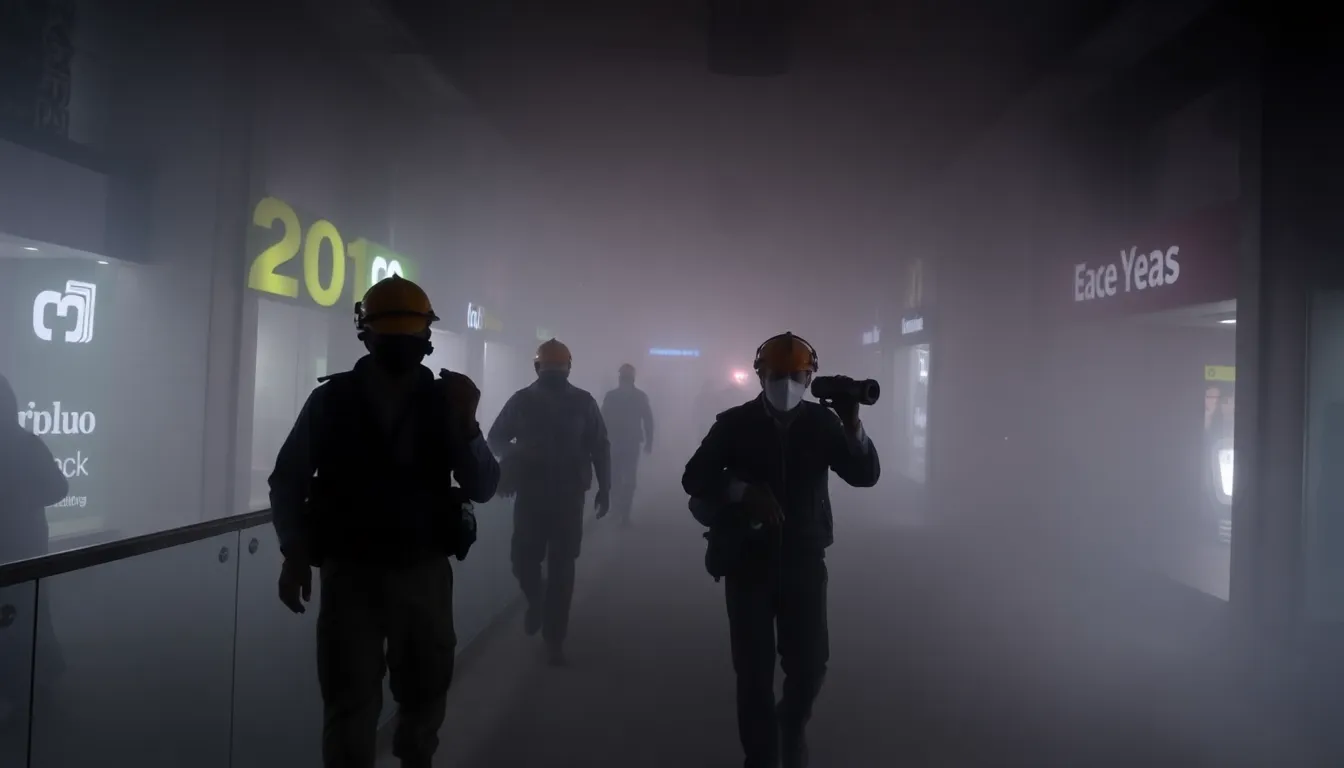
Emergency services were dispatched promptly, but the scale of the blaze hampered rescue efforts. Firefighters battled the flames for several hours, and the structural integrity of the building has been called into question. Witnesses reported chaotic scenes as shoppers attempted to flee the mall, highlighting the urgent need for improved safety measures in public spaces.
The mall, a popular destination for both locals and tourists, was crowded at the time of the fire, exacerbating the situation. Authorities are currently investigating the cause of the fire, with initial reports suggesting it may have originated from electrical faults. This incident has prompted national discussions on the enforcement of safety codes in commercial establishments.
In the aftermath of this tragedy, families of the victims are demanding accountability and justice. Local government officials have vowed to take immediate action to ensure that such incidents do not occur in the future. As the search for the missing continues, the emotional toll on the community is palpable, with many mourning the loss of loved ones and grappling with the impact of this disaster. This incident raises crucial questions about accountability and the measures needed to prevent such disasters.
Background on fire safety regulations in Pakistan
Fire safety regulations in Pakistan have historically been inadequate, often resulting in tragic incidents like the recent mall fire that claimed at least 21 lives. The lack of stringent enforcement of safety codes has been a persistent issue, exacerbated by rapid urbanization and the proliferation of commercial spaces without proper oversight. Many buildings, including malls, have been constructed without adhering to basic fire safety standards, leading to catastrophic outcomes when fires occur.
The tragedy of the recent mall fire highlights a broader systemic failure within the country’s regulatory framework. Despite the existence of laws aimed at ensuring fire safety, enforcement has been weak. Corruption, lack of resources, and insufficient training for safety inspectors have all contributed to a culture of negligence. This has led to a situation where many establishments operate without necessary fire safety measures, such as fire alarms, extinguishers, and proper evacuation plans.
Historical Context of Fire Incidents
Pakistan has witnessed several high-profile fire incidents over the years, each serving as a grim reminder of the consequences of lax safety measures. Notable cases include the 2012 Ali Enterprises garment factory fire in Karachi, which resulted in over 250 deaths, and the 2016 Lahore factory fire that killed dozens more. These events prompted public outcry and calls for reform, yet meaningful changes have been slow to materialize. The recurring nature of such tragedies has raised questions about the government’s commitment to improving fire safety standards and protecting its citizens.
Economically, the implications of such disasters extend beyond the immediate loss of life and property. Businesses face significant financial repercussions, and the overall investment climate can be adversely affected when safety concerns dominate public discourse. As Pakistan continues to grow as a commercial hub, the need for robust fire safety regulations becomes increasingly critical to ensure the safety of both citizens and businesses alike.
In summary, the recent mall fire serves as a stark reminder of the urgent need for comprehensive reforms in fire safety regulations in Pakistan. The interplay of historical negligence, economic pressures, and political will must be addressed to prevent future tragedies and safeguard the lives of individuals in commercial spaces across the nation.
Key stakeholders and issues surrounding the tragedy
The devastating fire at the mall in Pakistan has drawn attention to various stakeholders involved, including the government, local businesses, emergency services, and the victims’ families. Each of these groups has distinct interests and concerns that are now at the forefront of discussions surrounding this tragic event.
One of the primary stakeholders is the Pakistani government, which faces pressure to ensure public safety and accountability in the wake of the disaster. The government must investigate the cause of the fire and assess compliance with safety regulations. This incident raises questions about the enforcement of building codes and fire safety standards, which may have been overlooked in the past.
Local businesses and mall owners also have a vested interest in the aftermath of the fire. They may be concerned about potential financial losses, insurance claims, and the impact on consumer confidence. The tragedy could lead to stricter regulations, which may impose additional costs on business operations. Furthermore, the mall’s closure could significantly affect the local economy and employment rates.
- Emergency Services: The effectiveness of emergency response teams is under scrutiny, as their ability to manage such large-scale incidents is critical for public safety.
- Victims’ Families: The families of those affected are advocating for justice and support, highlighting the need for compensation and psychological assistance.
- Media and Public Opinion: The media plays a crucial role in shaping public perception, which can influence government action and policy changes.
- Legal Issues: Potential lawsuits may arise against the mall owners or the government for negligence, complicating the legal landscape surrounding the incident.
- International Response: The global community may also respond, with humanitarian aid or support for rebuilding efforts, affecting diplomatic relations.
In summary, the tragic fire at the mall has highlighted a complex web of stakeholders, each with their own interests and concerns. The interplay between these groups will significantly influence the response to the tragedy and the measures taken to prevent future incidents.
Impact on victims’ families and local community
The tragic fire at the mall in Pakistan has left a profound impact on the victims’ families and the local community. With at least 21 confirmed dead and dozens missing, the immediate emotional toll is immense. Families are grappling with loss and uncertainty, while the community is coming to terms with the tragedy that has struck their neighborhood.
In the short term, local businesses are likely to experience a decline in foot traffic as residents mourn and safety concerns rise. The mall, which served as a hub for shopping and social interaction, will see a significant drop in patronage, impacting retailers and service providers who relied on the influx of customers.
Moreover, the incident could prompt local authorities to reevaluate safety regulations and emergency response protocols. This could lead to stricter enforcement of fire safety measures in public spaces, affecting not only malls but also other commercial establishments.
In the mid-term, the community may face economic challenges as businesses struggle to recover. Job losses could ensue, particularly for those employed in the affected mall. However, this situation may also present opportunities for new businesses to emerge, focusing on safety and community resilience.
- Emotional and psychological impact on victims’ families.
- Decline in local business revenue due to reduced foot traffic.
- Potential policy changes regarding safety regulations.
- Opportunities for new businesses emphasizing safety and community support.
A: The exact cause of the fire is still under investigation, but initial reports suggest it may have been linked to electrical faults. A: At least 21 individuals have been confirmed dead, with dozens more reported missing and many injured. A: Local authorities are working to provide support and compensation to the families of the victims, including medical assistance for the injured. A: Yes, there are fire safety regulations in place, but enforcement has often been criticized as inadequate, raising concerns about compliance. A: Improved safety standards, regular inspections, and better emergency response training are essential to prevent similar tragedies.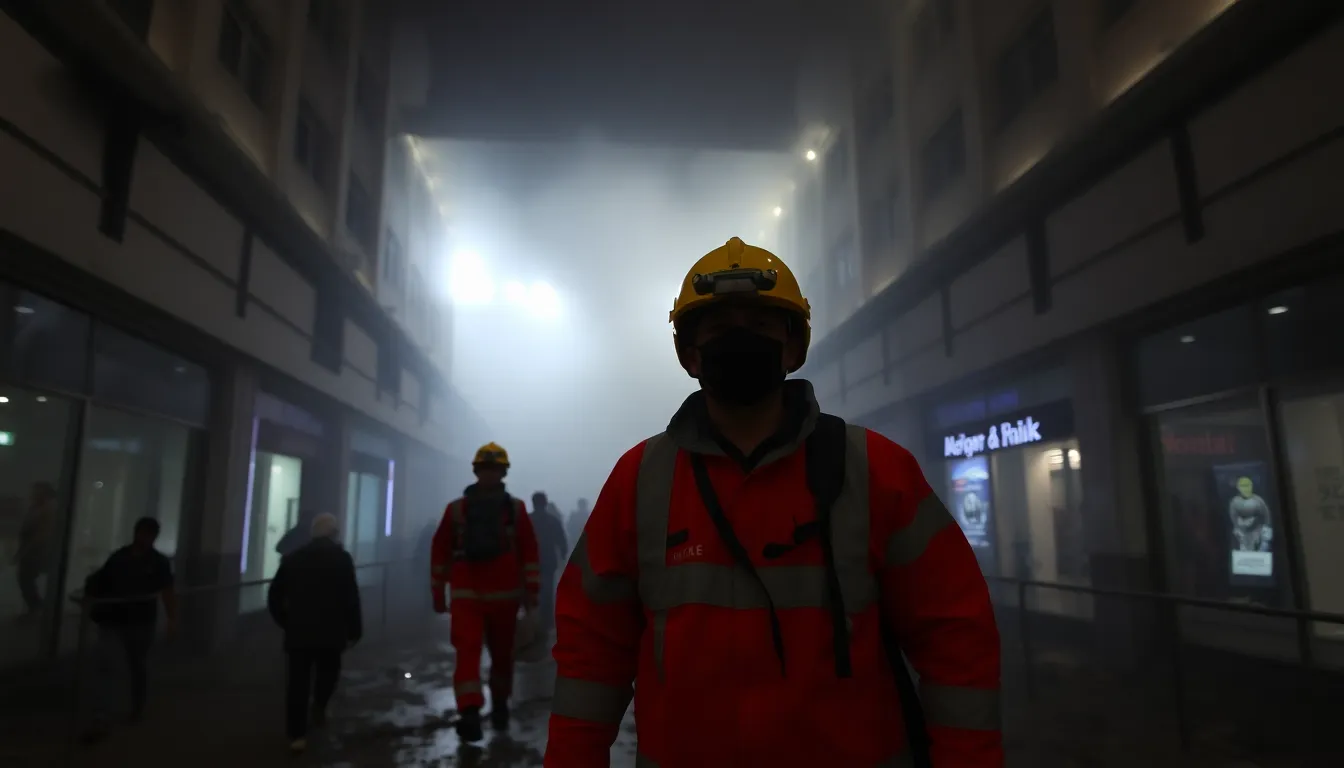
Frequently asked questions about the mall fire
Key takeaways and future implications of the incident
The tragic fire at the mall in Pakistan, which has resulted in significant loss of life and numerous individuals still unaccounted for, underscores the urgent need for stringent fire safety regulations and emergency response protocols in commercial establishments. This incident not only highlights the vulnerabilities within public spaces but also serves as a wake-up call for authorities and business owners to reassess their preparedness for such disasters.
As investigations proceed, it is essential to monitor the responses from government agencies and the business community. The outcomes may lead to reforms in safety standards, increased public awareness, and potential legal ramifications for those deemed responsible. The long-term impact on consumer behavior and confidence in retail environments will also be critical to observe.
- Increased scrutiny of fire safety regulations in commercial buildings is likely to follow.
- Potential for new legislation aimed at enhancing emergency preparedness and response measures.
- Public awareness campaigns may emerge to educate citizens on safety protocols in crowded spaces.
- Long-term effects on retail and consumer confidence in public venues could reshape shopping behaviors.
- Legal consequences for negligence may set precedents for future safety compliance and accountability.