


The focus on Grok AI comes amid rising incidents of deepfake pornography, which has raised significant ethical and legal questions. These digitally manipulated images can have severe consequences for individuals, including harassment and reputational damage. For more on legal implications surrounding digital content, see the related article on California’s investigation into Elon Musk’s xAI. As technology evolves, regulators are under increasing pressure to establish frameworks that protect users from such abuses.
Elon Musk, the owner of X, has emphasized the platform’s commitment to user safety; however, critics argue that the current measures may not be sufficient. The investigation will evaluate whether X complies with existing regulations and how effectively it addresses the challenges posed by AI-generated content. This scrutiny highlights the broader implications for social media platforms grappling with the balance between innovation and user protection.
The outcome of Ofcom’s investigation could set a precedent for how deepfake technology is regulated in the UK and potentially influence policies worldwide. As AI continues to advance, the need for robust guidelines becomes increasingly urgent to safeguard individuals from the risks associated with digital manipulation. The findings may also prompt other countries to reassess their own regulations regarding AI and online content moderation.
Understanding the rise of sexual deepfakes and their societal impact
The emergence of deepfake technology has transformed the landscape of digital media, allowing individuals to create hyper-realistic manipulated videos. This technology, which utilizes artificial intelligence to superimpose faces onto different bodies or alter speech, has raised significant ethical and legal concerns, particularly in the realm of sexual content. As the capabilities of deepfake technology have advanced, instances of its misuse have proliferated, leading to a surge in the creation of sexual deepfakes that exploit individuals without their consent.
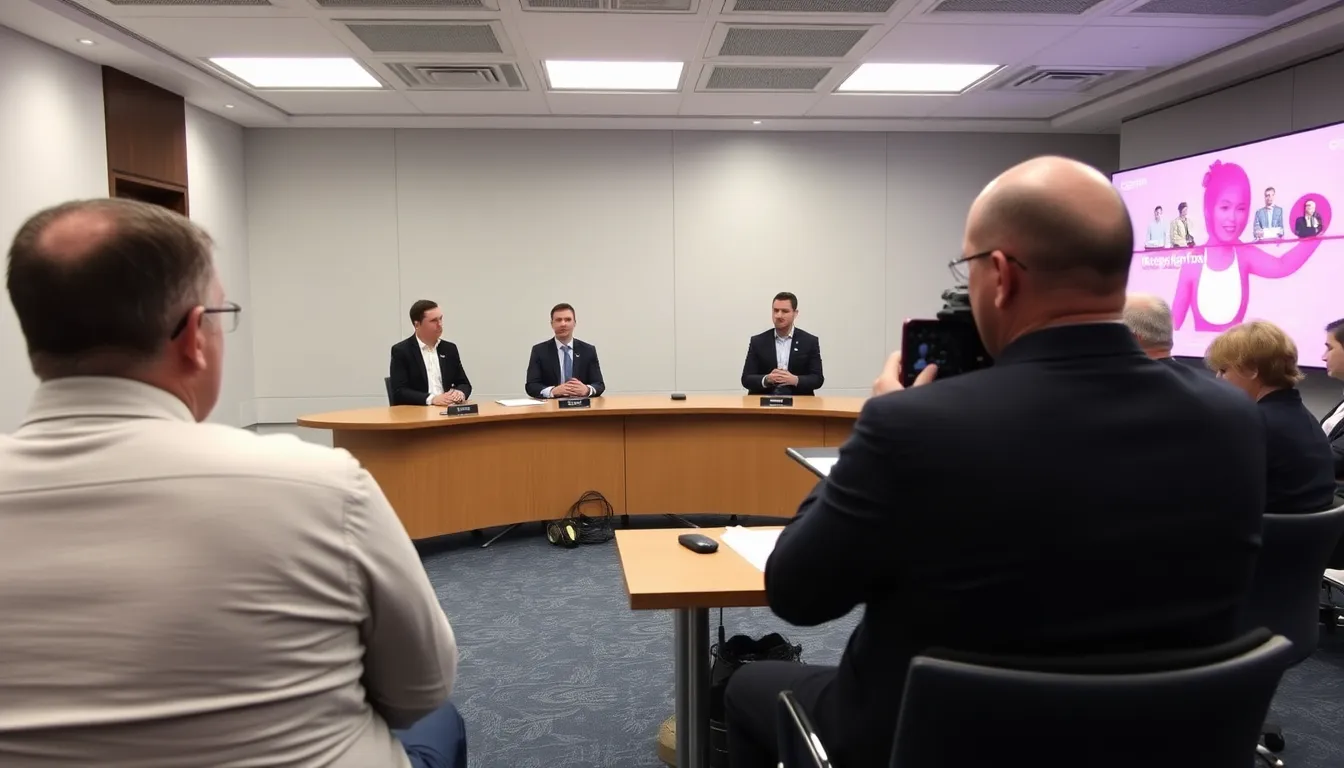
Historically, the first instances of deepfake technology appeared around 2017, but it was not until 2018 that sexual deepfakes became a notable issue, with numerous reports of non-consensual pornography circulating online. This marked a pivotal moment in the intersection of technology and personal privacy, prompting discussions about consent, autonomy, and the potential for harm. The rapid dissemination of such material has not only affected the victims but has also sparked broader societal debates about the responsibilities of tech companies in regulating content on their platforms.
In recent years, the political landscape surrounding digital privacy and content regulation has evolved significantly. Governments and regulatory bodies have begun to take a more active role in addressing the implications of deepfake technology. For instance, various countries have introduced legislation aimed at combating the spread of non-consensual deepfake pornography, recognizing the need to protect individuals from digital exploitation. This legal framework is still developing, and the challenge remains to balance freedom of expression with the protection of individual rights.
The role of social media platforms
Social media platforms have found themselves at the center of the deepfake debate, particularly as they serve as the primary distribution channels for such content. Companies like Elon Musk’s X (formerly Twitter) have faced scrutiny over their policies regarding harmful content, especially as they relate to AI-generated materials. The investigation by Ofcom into X’s handling of Grok AI, which has been implicated in the creation of sexual deepfakes, highlights the growing pressure on tech firms to implement robust measures that prevent the misuse of their technologies. This situation underscores the necessity for these platforms to adopt proactive strategies that prioritize user safety and ethical standards in the digital age.
Key stakeholders involved in the deepfake debate and their positions
The investigation by Ofcom into Elon Musk’s platform, X, regarding the Grok AI’s potential use of sexual deepfakes highlights a complex web of stakeholders, each with distinct interests and concerns. At the forefront is Ofcom, the UK’s communications regulator, which aims to protect consumers and ensure that digital platforms adhere to legal standards and ethical guidelines. Their interest lies in safeguarding public trust and mitigating the risks associated with harmful content.
Elon Musk, as the owner of X, represents a significant player in this scenario. His interests are multifaceted; on one hand, he seeks to foster innovation and free expression on the platform, while on the other, he must navigate the legal implications and public backlash associated with deepfake technology. Musk’s position reflects a tension between promoting technological advancement and addressing the ethical concerns that arise from such advancements.
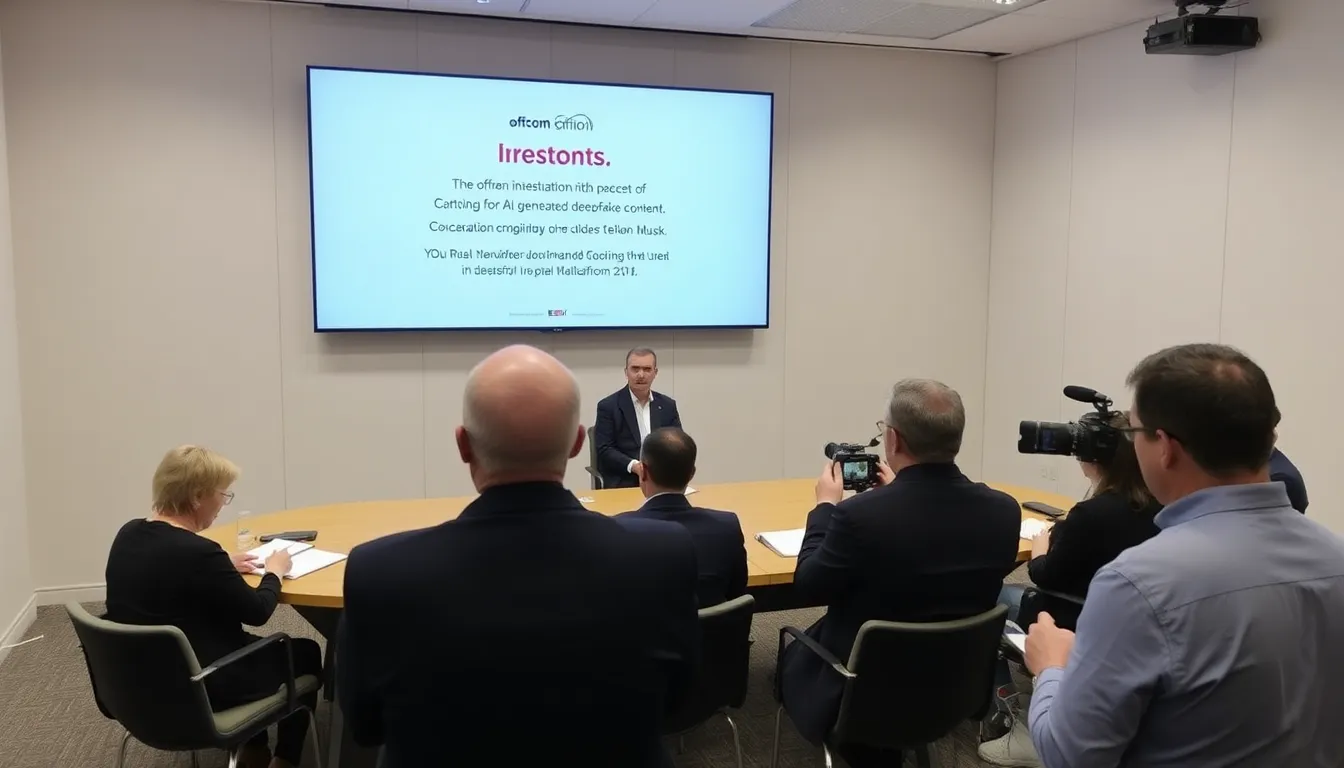
Additionally, users of the platform, including content creators and consumers, are critical stakeholders. Many users advocate for creative freedom and the right to utilize AI-generated content, while others express concerns over privacy, consent, and the potential for misinformation. This dichotomy presents a challenge for regulators and platform owners alike.
- Legal implications: The use of deepfakes raises questions about copyright infringement, defamation, and consent.
- Economic interests: The potential for monetization of AI-generated content could drive innovation but also lead to exploitation.
- Public safety: The proliferation of sexual deepfakes poses risks to individual reputations and mental health.
- Regulatory challenges: Crafting effective regulations that balance innovation with protection is a key hurdle for Ofcom.
- Ethical considerations: The moral implications of using AI to create deceptive content must be addressed by all stakeholders.
In summary, the investigation by Ofcom into the practices surrounding Grok AI and its deepfake capabilities underscores the intricate dynamics between innovation, regulation, and ethical standards. Each stakeholder’s position reflects broader societal debates about the implications of emerging technologies in the digital age.
Potential effects of the investigation on users and the tech industry
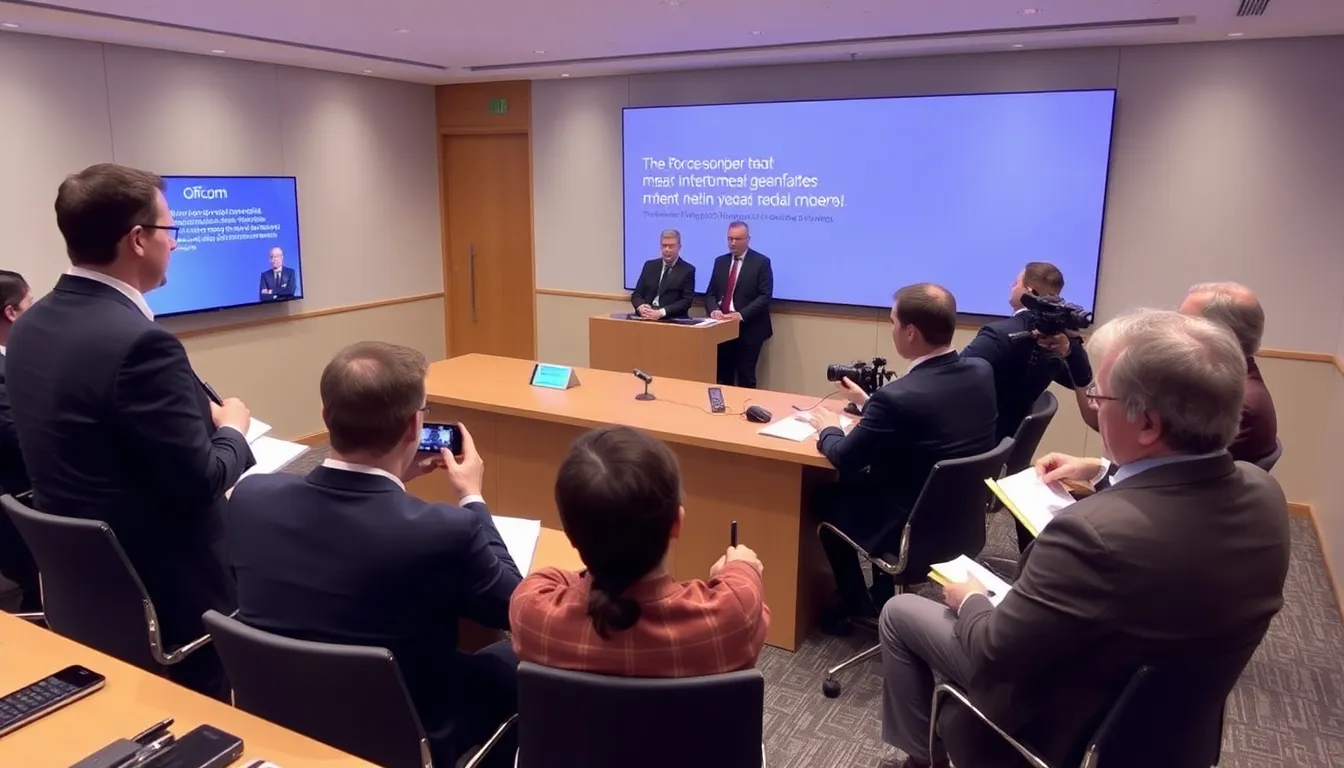
The ongoing investigation by Ofcom into Elon Musk’s X regarding Grok AI’s use of sexual deepfakes is poised to have significant ramifications for various groups, industries, and regions. Users of the platform, particularly those vulnerable to online harassment, will be directly affected by the outcomes of this inquiry. Moreover, content creators and influencers who rely on social media for their livelihood may find themselves navigating a more complex landscape of digital ethics and accountability.
In the short term, the investigation could lead to heightened scrutiny of AI-generated content, prompting users to reconsider their engagement with platforms that utilize such technology. This may result in a temporary decline in user trust and engagement on X, affecting advertising revenue and user-generated content. Industries tied to social media marketing, such as digital advertising and influencer partnerships, could experience immediate disruptions as brands reassess their strategies in light of potential reputational risks.
Mid-term impacts may include changes in policy and regulation surrounding AI and digital content creation. Governments and regulatory bodies may implement stricter guidelines to protect individuals from harmful deepfake content, influencing how tech companies develop and deploy AI technologies. This could lead to a more robust framework for accountability, but it may also stifle innovation if regulations are overly restrictive.
- Increased user awareness: Users may become more vigilant about the content they encounter online, leading to a demand for better verification tools.
- Shift in advertising strategies: Brands may pivot towards platforms with stronger content moderation policies, impacting revenue streams for less regulated platforms.
- Opportunities for tech development: Companies focused on ethical AI and content verification may see growth as demand for safer online environments rises.
Overall, while the investigation poses risks, particularly for users and businesses reliant on social media, it also opens doors for innovation and the development of more responsible AI technologies. The balance between regulation and creativity will be crucial as stakeholders navigate this evolving landscape.
A: Ofcom initiated the investigation due to rising concerns about the use of Grok AI in creating sexual deepfakes, which pose risks to user safety and privacy. A: Sexual deepfakes can lead to severe emotional distress, reputational harm, and violations of privacy for individuals depicted in such content. A: Grok AI is a technology that can generate realistic deepfake content, and its application in creating sexualized images has raised significant ethical and legal concerns. A: The investigation could lead to new regulations for deepfake technology, increased accountability for platforms, and better protections for users. A: Users can stay informed about deepfake technology, report suspicious content, and advocate for stronger regulations to safeguard their rights.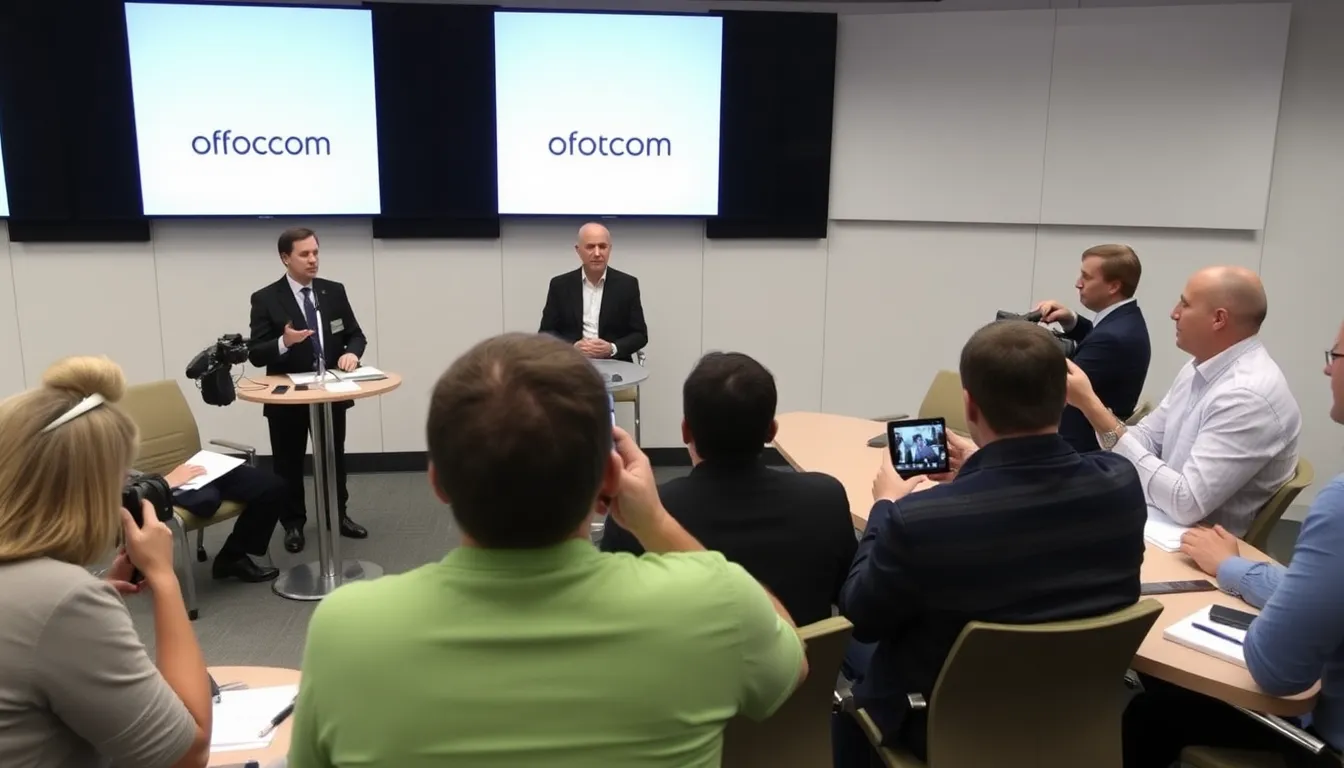
Frequently asked questions about the investigation and deepfakes
Future outlook on deepfake regulation and user safety
The ongoing investigation by Ofcom into Elon Musk’s X regarding Grok AI’s involvement with sexual deepfakes highlights the urgent need for robust regulatory frameworks in the digital landscape. As the technology behind deepfakes becomes increasingly sophisticated, the potential for misuse raises significant concerns about user safety and the integrity of online content. Stakeholders must navigate the delicate balance between innovation and ethical responsibility, ensuring that platforms foster a safe environment for all users.
Looking ahead, it is crucial for regulators, technology companies, and users to collaborate in establishing guidelines that not only address the immediate threats posed by deepfakes but also anticipate future challenges. This collaborative approach will be essential in mitigating risks associated with misinformation and protecting individuals from harm.
- Increased Regulatory Scrutiny: Expect more stringent regulations as governments respond to the growing concerns surrounding deepfake technology.
- Enhanced User Education: Platforms may implement educational initiatives to inform users about the risks associated with deepfakes and how to identify them.
- Technological Solutions: Innovations in detection technologies will likely emerge, helping to identify and mitigate the impact of harmful deepfake content.
- Industry Collaboration: A push for partnerships between tech companies and regulators can lead to more effective strategies for managing deepfake risks.
- Public Awareness Campaigns: Increased awareness campaigns could empower users to recognize and report deepfake content, enhancing community vigilance.