


As the storyline unfolds, viewers will witness the rekindling of hope for central characters Joe and Emma as they navigate their complex relationship amid new challenges in Los Angeles. The decision to set parts of the season in L.A. introduces a fresh dynamic, exploring themes of identity and resilience in a bustling urban landscape. This transition is expected to resonate with audiences, reflecting the ongoing struggles and triumphs of Native communities, highlighting the importance of representation.
In addition to the captivating narrative, the season features a talented cast, including Zahn McClarnon as Joe Leaphorn and Kiowa Gordon as Jim Chee. The ensemble is complemented by guest appearances from notable actors, enhancing the storytelling experience. The production team has emphasized a commitment to authenticity, ensuring that the cultural representation remains respectful and accurate.
The collaboration with Robert Redford, who has a longstanding dedication to indigenous representation in film, adds an extra layer of significance to this season. His influence is felt not only in the thematic elements but also in the creative direction of the series. As ‘Dark Winds’ continues to garner attention, it stands as a testament to the evolving landscape of television, where diverse narratives are increasingly finding their place in Hollywood.
The significance of Robert Redford in film and television
Robert Redford, an iconic figure in Hollywood, has long been celebrated for his contributions to the film industry as an actor, director, and producer. His influence extends beyond his on-screen performances; Redford has played a pivotal role in advocating for independent cinema and promoting environmental issues through his work. His founding of the Sundance Film Festival in 1978 has provided a platform for emerging filmmakers, particularly those from underrepresented communities, thereby reshaping the landscape of American cinema.

In recent years, the resurgence of interest in Redford’s work has coincided with a broader cultural reckoning regarding representation in film and television. As audiences increasingly demand authentic storytelling, projects that honor the legacies of pioneers like Redford gain significance. This context is particularly relevant for shows like ‘Dark Winds,’ which not only embraces indigenous narratives but also pays homage to figures who have championed diversity in the arts.
Key milestones in ‘Dark Winds’ development
‘Dark Winds,’ based on the novels of Tony Hillerman, has made significant strides since its inception. The series, which premiered in 2022, has garnered attention for its authentic portrayal of Native American culture and its commitment to storytelling that reflects the realities of indigenous life. The show’s success can be attributed to a growing appetite for narratives that challenge stereotypes and provide a platform for indigenous voices, much like the stories emerging from today’s film industry.
As the series approaches its fourth season, the decision to travel to Los Angeles for filming symbolizes a new chapter in its evolution. This move not only enhances production value but also rekindles hope for the characters Joe and Emma, who navigate their complex relationship against the backdrop of a changing world. The incorporation of Redford’s influence serves as a reminder of the importance of mentorship and the power of storytelling in bridging cultural divides.
Overall, the trajectory of ‘Dark Winds’ reflects a significant shift in the television landscape, where diverse narratives are increasingly recognized and celebrated. The series stands as a testament to the enduring legacy of Robert Redford and the ongoing quest for authenticity in storytelling, making it a vital part of contemporary discourse in film and television, similar to the emerging narratives in other media.
Exploring the character dynamics between Joe and Emma
The relationship between Joe and Emma in ‘Dark Winds’ serves as a focal point for the series, especially as it transitions to Hollywood for its fourth season. Both characters represent different perspectives and experiences, which often leads to tension but also deepens their bond. Joe, portrayed as the rugged, introspective detective, embodies the struggles faced by Indigenous communities, while Emma, a strong and determined figure, symbolizes resilience and hope.
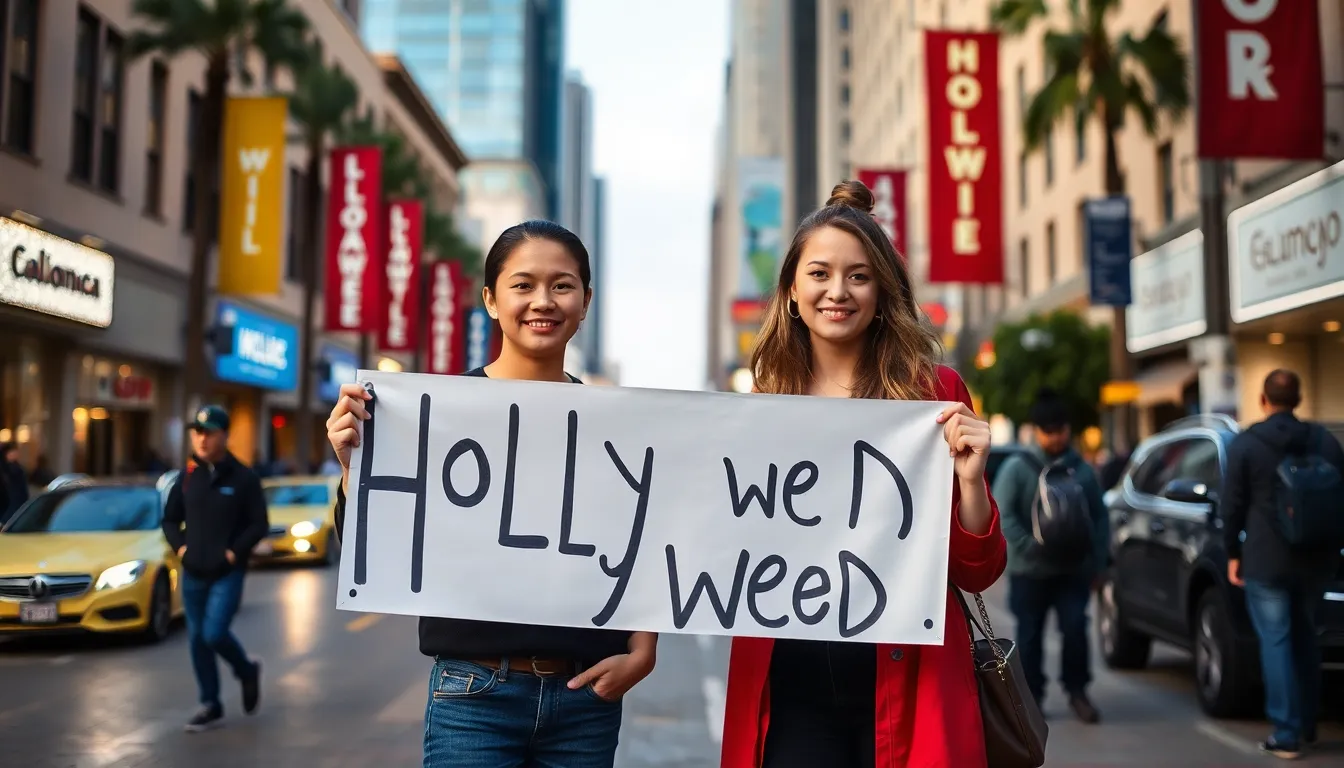
As the narrative unfolds in Los Angeles, the dynamics between Joe and Emma are further complicated by external pressures from the entertainment industry. The involvement of Hollywood not only amplifies their personal struggles but also introduces broader themes of representation and authenticity in storytelling. Their journey reflects the challenges of maintaining cultural integrity while appealing to a wider audience.
- Hollywood’s Influence: The shift to L.A. raises questions about how Indigenous stories are told and who gets to tell them.
- Character Development: Joe and Emma’s evolving relationship highlights the importance of understanding and support in overcoming personal and communal challenges.
- Industry Pressures: The demands of the entertainment sector may conflict with the characters’ authentic experiences, creating potential ethical dilemmas.
- Tribute to Robert Redford: The season pays homage to Redford’s contributions to film and Indigenous representation, emphasizing the need for continued progress.
- Hope and Resilience: As Joe and Emma navigate their challenges, their story becomes a beacon of hope, illustrating the potential for growth and healing.
In analyzing the key issues surrounding ‘Dark Winds,’ it is essential to consider the stakeholders involved. This includes the production team, actors, and the broader Indigenous community, all of whom have vested interests in how the narrative unfolds. The series must balance artistic expression with the responsibility of portraying Indigenous cultures accurately and respectfully.
Moreover, the economic implications of moving a production to Hollywood cannot be overlooked. The potential for increased funding and exposure can lead to greater opportunities for Indigenous filmmakers and actors, but it also raises concerns about the commodification of their stories. The trade-offs between financial gain and cultural preservation are critical in understanding the stakes involved in this transition.
The potential influence of Hollywood on the series’ audience
The transition of ‘Dark Winds’ to Hollywood for its fourth season is set to influence various groups, particularly fans of the series, the film industry, and the Native American community. The show’s connection to Robert Redford not only pays homage to his legacy but also highlights the importance of authentic storytelling in Hollywood. This move could attract a broader audience, thus expanding the show’s cultural impact.
In the short term, the increased visibility of ‘Dark Winds’ may lead to a surge in tourism in New Mexico, where the series is primarily filmed. Local businesses, from hotels to restaurants, could see a spike in patronage as fans flock to experience the landscapes and culture depicted in the show. Additionally, the involvement of Hollywood may lead to job creation in the region, benefiting local workers in the film industry.
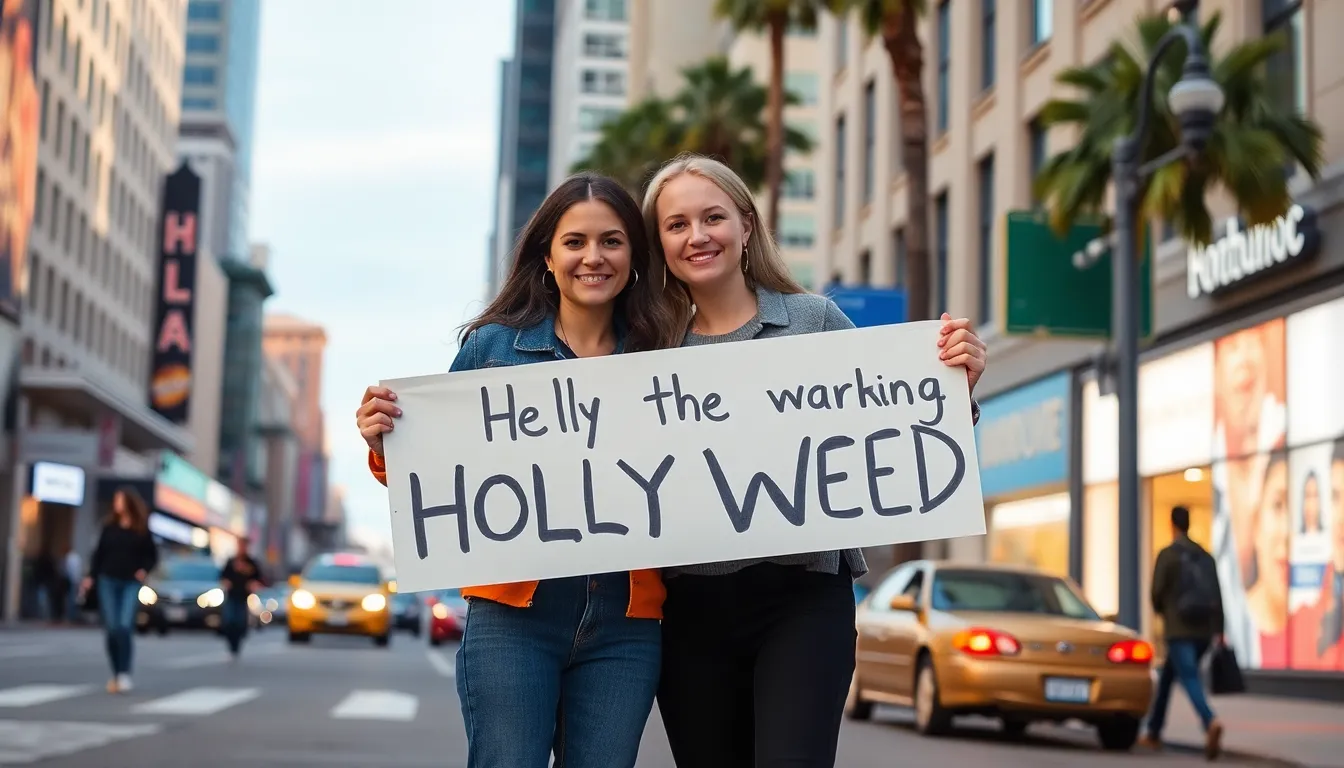
Mid-term impacts could include a shift in policy regarding the representation of Native American stories in mainstream media. As ‘Dark Winds’ garners attention, there may be increased pressure on networks and producers to prioritize authentic narratives and diverse storytelling. This could pave the way for more projects that highlight Indigenous voices, potentially leading to a renaissance in how Native American stories are told.
- Increased tourism and economic activity in New Mexico.
- Job creation within the local film industry.
- Potential policy changes regarding representation in media.
- Opportunities for local businesses to engage with a wider audience.
However, there are risks involved as well. The commercialization of Indigenous narratives may lead to concerns about cultural appropriation and misrepresentation. It is crucial for the creators of ‘Dark Winds’ to navigate these waters carefully, ensuring that the stories remain true to their roots while appealing to a larger audience.
A: The main theme revolves around the tribute to Robert Redford and the rekindling of hope in the relationship between Joe and Emma as they navigate new challenges. A: Robert Redford’s legacy in Hollywood serves as a backdrop for the series, inspiring characters and plot developments that reflect his impact on the film industry. A: Yes, Season 4 will introduce new characters that will add depth to the existing storyline and explore fresh dynamics within the narrative. A: The Los Angeles setting brings a new layer of complexity to the plot, allowing for interactions with a broader range of characters and themes related to the film industry. A: Season 4 is expected to premiere in early 2024, with fans eagerly anticipating its release.
Frequently Asked Questions about Dark Winds Season 4
Key takeaways and future outlook for Dark Winds
The transition of ‘Dark Winds’ to a Hollywood setting in its fourth season not only pays homage to cinematic legend Robert Redford but also revitalizes the narrative arc of its central characters, Joe and Emma. As the series unfolds in Los Angeles, it opens new avenues for storytelling while maintaining its roots in Native American culture and themes of resilience.
Viewers can anticipate a deeper exploration of character dynamics and cultural representation as the series navigates the complexities of its new environment. The homage to Redford suggests a commitment to quality storytelling, potentially attracting a broader audience and fostering a renewed interest in the series.
- Expect enhanced character development as Joe and Emma face new challenges in L.A.
- Watch for increased cultural representation and its impact on the narrative.
- The tribute to Robert Redford may signal a shift towards more mainstream recognition for the series.
- Anticipate collaborations with Hollywood talent that could elevate production quality.
- Observe audience reactions to the blend of traditional themes with contemporary settings.