


The project is currently in its early stages, with Gabriel Nussbaum attached as the director. Nussbaum’s vision for the film aims to explore complex themes, resonating with contemporary audiences while drawing from historical narratives. The choice of Haas as the lead is expected to bring a fresh perspective and depth to the character, as seen in her acclaimed performance in Unorthodox.
As of now, there are no official release dates or additional casting announcements. However, the film is anticipated to generate interest within the industry, given the reputation of both the producer and the lead actress. The combination of Haas’s rising star power and Kaplan’s production expertise could position “Triumph of the Will” as a significant entry in upcoming film festivals.
This announcement comes at a time when the film industry is increasingly focused on diverse storytelling and representation. Kaplan’s project is poised to contribute to this dialogue, potentially engaging audiences with its unique narrative and artistic vision.
Background on David Kaplan and the film’s significance
David Kaplan is a prominent figure in the film industry, known for his ability to produce thought-provoking and socially relevant content. His latest project, ‘Triumph of the Will,’ directed by Gabriel Nussbaum, marks a significant addition to his portfolio, as it explores complex themes surrounding power, propaganda, and the human condition. The film is particularly notable for its casting of Shira Haas, an actress acclaimed for her role in the Netflix series ‘Unorthodox,’ which delves into the struggles of a young woman navigating her identity within a strict religious community.

The historical context of ‘Triumph of the Will’ is rooted in the examination of propaganda and its effects on society, drawing inspiration from Leni Riefenstahl’s controversial 1935 film of the same name. Riefenstahl’s work is often cited as a pivotal example of how film can be used to manipulate public perception and promote political ideologies. By revisiting this topic through a modern lens, Kaplan and Nussbaum aim to spark discussions about the ethical responsibilities of filmmakers and the impact of media on contemporary politics, a theme also reflected in projects like Canada’s new animation initiatives.
The Evolution of Propaganda in Film
The evolution of propaganda in film has seen significant shifts over the decades, particularly in how it is perceived and utilized. From the early days of cinema, where films were often used to promote nationalistic sentiments during wartime, to the present day, where social media and streaming platforms have transformed the landscape of information dissemination, the role of film as a tool for persuasion remains potent. Kaplan’s project seeks to investigate these dynamics, reflecting on how historical precedents inform current narratives and societal beliefs.
Moreover, the economic implications of producing such a film cannot be overlooked. As the film industry grapples with the challenges posed by digital streaming and changing viewer habits, projects that tackle controversial subjects often face funding hurdles. Kaplan’s commitment to bringing ‘Triumph of the Will’ to fruition underscores a growing trend among filmmakers to prioritize artistic integrity and social commentary over purely commercial interests.
In summary, ‘Triumph of the Will’ represents a convergence of historical reflection and contemporary relevance, showcasing David Kaplan’s dedication to producing films that challenge audiences to confront difficult truths about power and representation. As the film progresses through production, it will be interesting to observe its reception and the conversations it ignites within both the film community and society at large, much like the discussions generated by recent works in diverse storytelling.
Key stakeholders and issues surrounding the film’s production
The production of ‘Triumph of the Will,’ spearheaded by producer David Kaplan, involves several key stakeholders, each with distinct interests and potential conflicts. The primary actors include the film’s production team, the cast, investors, and distributors. Understanding their motivations and the dynamics between them is crucial for grasping the broader implications of this project.
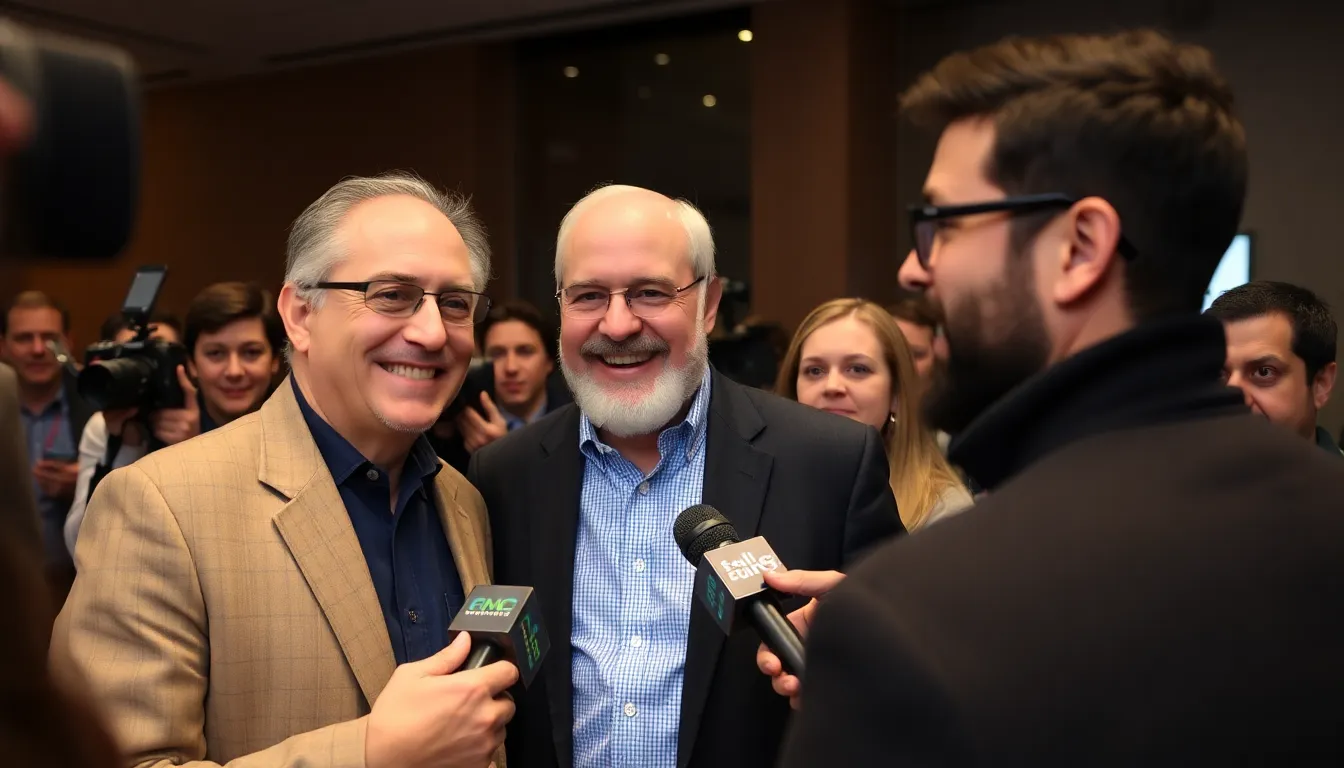
David Kaplan, as the producer, aims to create a compelling narrative that resonates with audiences while ensuring the film’s financial viability. His collaboration with Shira Haas, known for her role in ‘Unorthodox,’ highlights an interest in leveraging star power to attract viewers and enhance the film’s marketability. However, this partnership also raises questions about the portrayal of sensitive historical themes, given the controversial nature of the film’s title.
Investors and financial backers are another critical group, primarily focused on the return on investment and the film’s commercial success. They may face trade-offs between artistic integrity and market demands, particularly in a project that could provoke polarized reactions. The economic implications of the film’s reception could significantly impact future funding for similar projects.
- Legal considerations: The film’s subject matter may invoke scrutiny regarding historical accuracy and representation, potentially leading to legal challenges.
- Cultural sensitivity: The portrayal of certain themes may lead to backlash from various communities, affecting public perception and marketing strategies.
- Distribution challenges: Finding the right platforms for release that align with the film’s themes while appealing to a broad audience could be a complex undertaking.
Ultimately, the interplay between these stakeholders and the issues at hand will shape the narrative surrounding ‘Triumph of the Will,’ influencing both its production and public reception. The film’s success or failure may set precedents for future projects tackling similarly contentious subjects in the cinematic landscape.
Potential impact on the film industry and audiences
The announcement of David Kaplan’s production of ‘Triumph of the Will’ featuring Shira Haas is set to create ripples across various sectors of the film industry. This project, which draws on a controversial historical narrative, will likely engage audiences in discussions about representation and the ethics of storytelling, particularly in relation to sensitive subjects.
In the short term, film studios and distributors may feel pressure to reassess their own projects, especially those that tackle complex themes. This could lead to a surge in projects that prioritize diverse perspectives, potentially reshaping the landscape of mainstream cinema. The involvement of a high-profile actor like Haas could also attract attention from international markets, expanding the film’s reach.

In the mid-term, audiences may experience a shift in the types of stories being told in theaters. With the growing emphasis on unique narratives, there is potential for increased audience engagement and a more diverse array of films. However, this could also pose risks for traditional filmmakers who may struggle to compete with innovative storytelling approaches that resonate more with contemporary viewers.
- Increased focus on diverse narratives: More films may explore unconventional themes and backgrounds.
- Market expansion: International interest in the film could lead to broader distribution opportunities.
- Shifts in audience expectations: Viewers may demand more authenticity and complexity in storytelling.
- Risks for traditional filmmakers: Established norms may be challenged, leading to potential financial risks for conventional projects.
Overall, the production of ‘Triumph of the Will’ could mark a turning point for filmmakers and audiences alike, encouraging a more inclusive and thought-provoking cinematic experience while also presenting challenges for those adhering to traditional filmmaking practices.
A: Triumph of the Will is a film directed by Gabriel Nussbaum that explores significant historical themes. It aims to provide a fresh perspective on its subject matter. A: Shira Haas is an acclaimed actress known for her role in the series Unorthodox. Her involvement in Triumph of the Will is expected to bring significant attention to the project. A: The release date for Triumph of the Will has not yet been announced, but production is expected to begin soon. A: Details about Shira Haas’s character in Triumph of the Will have not been disclosed yet, but her role is anticipated to be impactful. A: David Kaplan’s previous projects have been well-received, and Triumph of the Will is expected to continue his trend of producing thought-provoking cinema.
Frequently asked questions about Triumph of the Will
Key takeaways and future outlook for the film
The collaboration between David Kaplan and Gabriel Nussbaum on ‘Triumph of the Will’ presents a significant opportunity for innovative storytelling in the film industry. With Shira Haas, known for her compelling performances, taking on a leading role, the project is poised to attract attention not only for its narrative but also for its artistic direction. This combination of talent and vision could set new benchmarks for future productions.
As the film progresses through its development stages, industry watchers should keep an eye on how it navigates the complexities of its subject matter, as well as its potential impact on audiences. The unique blend of historical context and contemporary themes may resonate deeply, offering a fresh perspective on familiar narratives.
- The film’s approach to sensitive historical themes could redefine audience expectations for biographical dramas.
- Shira Haas’s involvement may draw in a diverse viewership, enhancing the film’s marketability.
- Expect innovative cinematography and storytelling techniques that reflect Nussbaum’s distinctive style.
- The collaboration between established producers and emerging directors could signal a shift in industry dynamics.
- Monitor the film’s festival circuit presence for early critical reception and audience engagement.