


Scheduled for release in 2024, the film is expected to feature interviews with band members, archival footage, and insights into their creative process. Morello’s involvement adds a unique perspective, as he merges his passion for music with his commitment to fighting against societal injustices. This dual focus resonates with fans who appreciate both the band’s legacy and Morello’s activism; you can read more about his commitment to social issues in our article on Wim Wenders and the impact of movies.
The timing of this documentary is particularly relevant, as it coincides with a resurgence of interest in classic rock and heavy metal. Fans are eager to explore the stories behind their favorite artists, especially in an era where music continues to play a crucial role in cultural and political discourse. Morello’s project not only celebrates Judas Priest but also serves as a reminder of the power of music to inspire change, similar to the themes explored in David Kaplan’s collaboration with Shira Haas.
As the film progresses, Morello emphasizes the importance of using creative platforms to address pressing issues such as fascism and inequality. His statement about living in a time where one can simultaneously create art and advocate for social justice underscores the potential for music to be a catalyst for positive change. This documentary is poised to resonate with audiences on multiple levels, making it a significant addition to the landscape of music documentaries.
The significance of Judas Priest in rock history
Judas Priest, formed in 1969, is often hailed as one of the pioneers of heavy metal music. With their distinctive sound characterized by twin guitar harmonies and powerful vocals, they played a crucial role in shaping the genre during the 1970s and 1980s. The band’s influence extends beyond their music; they helped define the visual aesthetics of heavy metal with their leather-and-studs image, which has become iconic in rock culture.
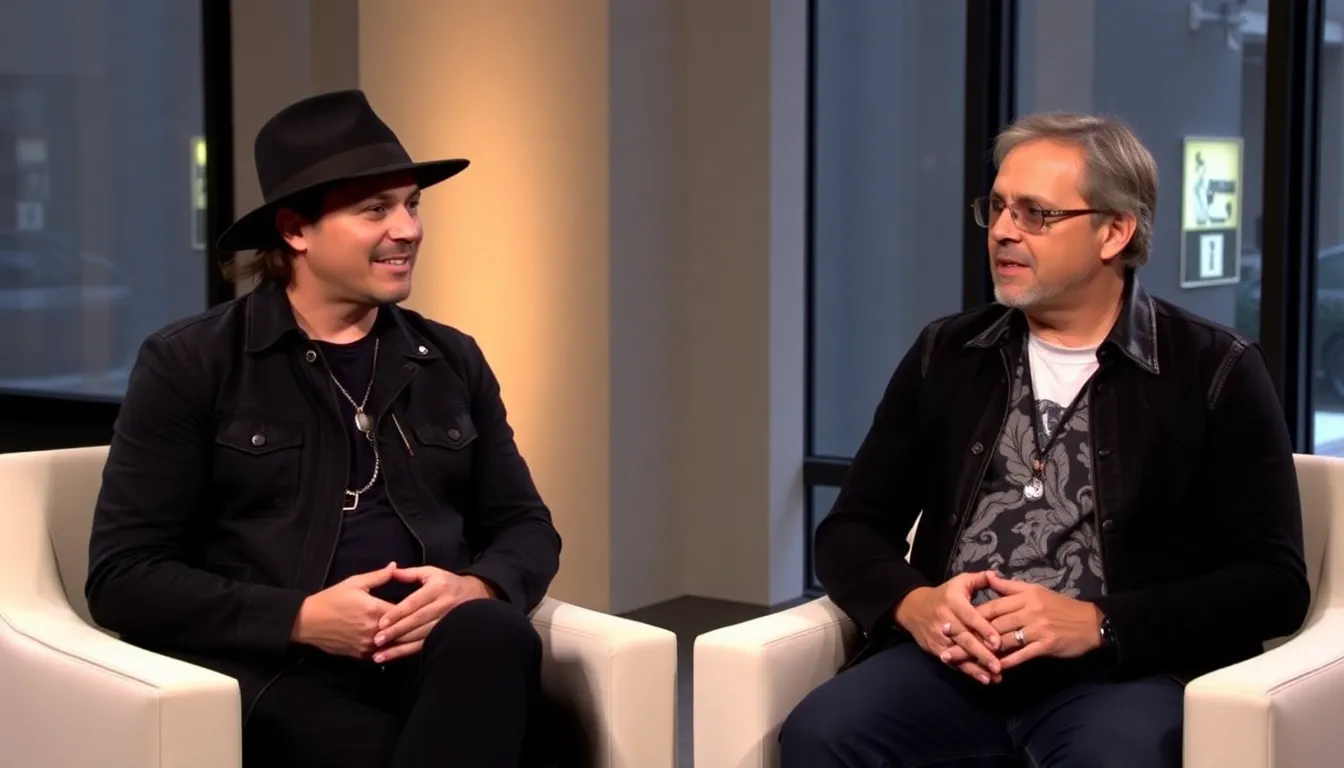
The band’s breakthrough album, “British Steel,” released in 1980, marked a significant milestone in their career, featuring classic tracks like “Living After Midnight” and “Breaking the Law.” This album not only solidified their status in the heavy metal scene but also introduced a new generation of fans to the genre. Judas Priest’s ability to blend melodic elements with hard-hitting riffs set them apart from their contemporaries, allowing them to appeal to a wide audience.
Judas Priest and socio-political themes
Beyond their musical achievements, Judas Priest has often engaged with socio-political themes in their lyrics. Songs like “Electric Eye” and “Beyond the Realms of Death” explore issues of surveillance, freedom, and existential struggles, resonating with listeners during times of societal upheaval. Their willingness to tackle these topics has contributed to their enduring relevance, particularly in an era where political discourse is increasingly polarized, much like the recent discussions surrounding Dua Lipa’s surprise appearance at the Berlin Film Festival.
Tom Morello, known for his activism and innovative guitar work with bands like Rage Against the Machine, epitomizes the intersection of music and social justice. His co-direction of “The Ballad of Judas Priest” not only celebrates the band’s legacy but also highlights the importance of using art as a tool for activism. In a time when fascism and authoritarianism are resurging in various parts of the world, Morello’s perspective underscores the significance of music in fostering resistance and unity.
The collaboration on this documentary reflects a broader trend in the music industry, where artists are increasingly using their platforms to address pressing issues. As fans seek authenticity and engagement from their favorite musicians, the merging of documentary storytelling with activism offers a compelling narrative that resonates with audiences eager for both entertainment and meaningful discourse.
Exploring the themes of music and activism
In the documentary ‘The Ballad of Judas Priest’, co-directed by Tom Morello, the intersection of music and activism takes center stage. Morello, a renowned guitarist and activist, embodies the duality of being both an artist and a social commentator. His involvement highlights the importance of music as a platform for political expression, particularly in turbulent times.
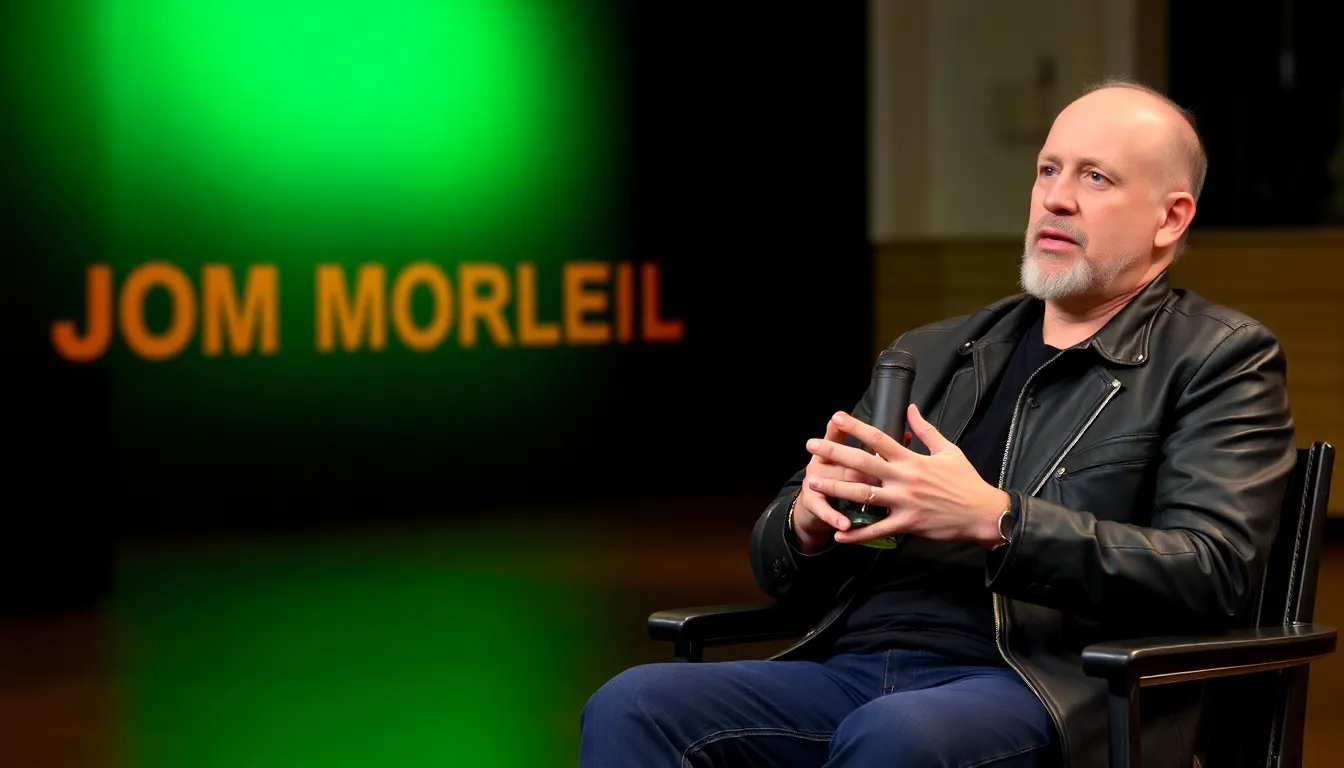
Key stakeholders in this project include the band Judas Priest, Morello himself, documentary production teams, music fans, and various activist groups. Each of these actors has distinct interests: Judas Priest aims to preserve and promote their legacy, while Morello seeks to leverage the band’s influence to address pressing social issues. The production teams focus on creating a compelling narrative that resonates with audiences, and fans are eager for a deeper understanding of the band’s impact on culture and activism.
- Conflicts of Interest: There may be tensions between the band’s desire for a polished portrayal and Morello’s commitment to highlighting the socio-political messages in their music.
- Trade-offs: The balance between entertainment and advocacy could lead to compromises in how the documentary presents controversial topics.
- Legal Issues: Copyright and intellectual property rights may arise, particularly concerning the use of the band’s music and archival footage.
- Economic Factors: Funding sources for the documentary could influence its content and direction, especially if sponsors have specific agendas.
- Audience Reception: The film’s success will depend on how well it resonates with both music lovers and those engaged in social justice movements.
As the documentary unfolds, it serves as a lens through which the ongoing struggle against fascism and inequality can be examined. Morello’s dual role as co-director and activist allows for a unique perspective that challenges viewers to consider the power of music as a tool for change. This exploration not only honors the legacy of Judas Priest but also positions their story within the broader narrative of resistance and empowerment.
The documentary’s potential influence on fans and society
The release of ‘The Ballad of Judas Priest,’ co-directed by Tom Morello, has the potential to impact various groups and industries. Music fans, particularly those who have followed Judas Priest throughout their career, will find a renewed sense of connection to the band. Additionally, the documentary may resonate with a broader audience interested in the intersection of music and social activism.
In the short term, fans can expect increased engagement with Judas Priest’s music and legacy, leading to a resurgence in merchandise sales and concert attendance. The documentary may also inspire discussions around the themes of resistance and empowerment, particularly among younger audiences who are navigating a complex socio-political landscape.
In the mid-term, the film could influence the music industry by encouraging more artists to explore social issues through their work. This shift may lead to a new wave of documentaries focusing on music as a vehicle for change, ultimately impacting how artists approach their craft and public personas.
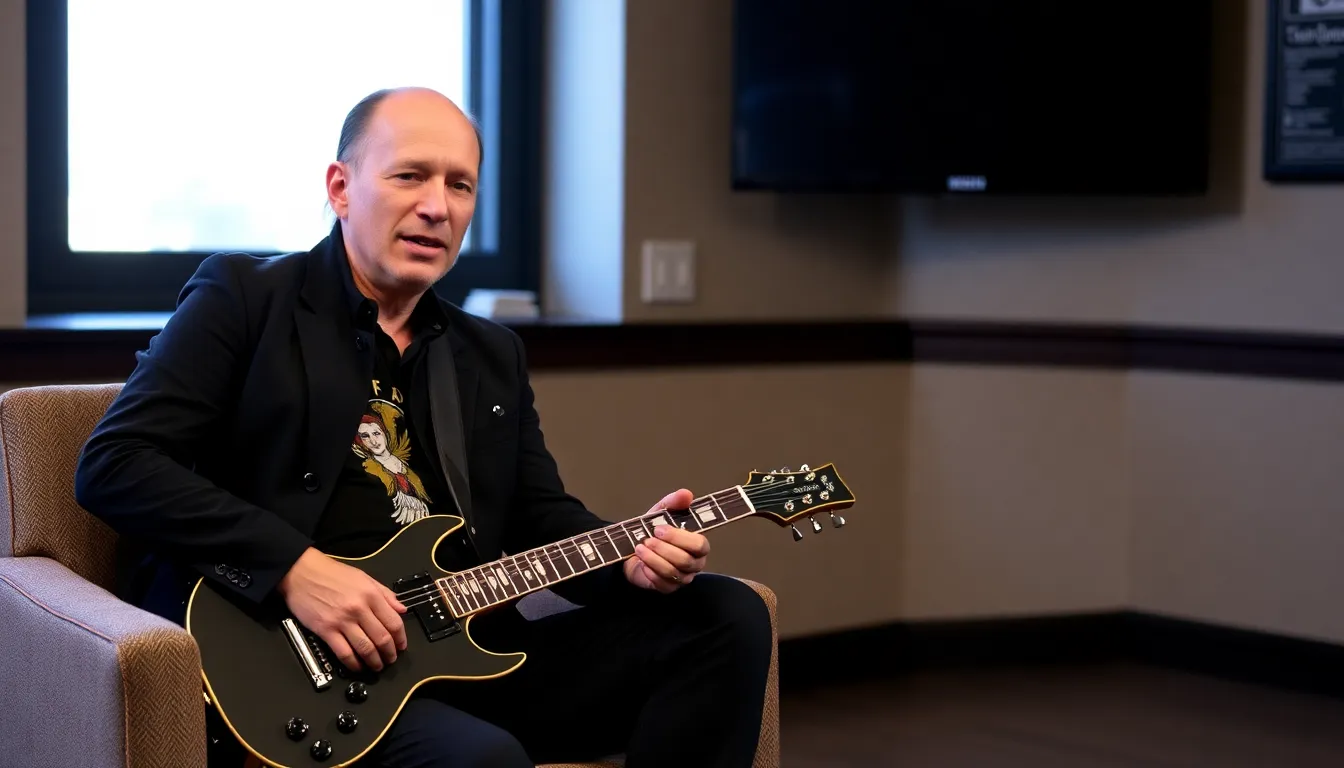
- Risks: Potential backlash from controversial themes may alienate some fans.
- Opportunities: Increased visibility for social justice movements through the lens of popular culture.
- Industry Impact: A rise in music documentaries that tackle important societal issues.
Regions with strong music cultures, particularly in the U.S. and the U.K., may see a heightened interest in local music scenes as a result of the documentary’s influence. This could lead to a revitalization of local venues and an increase in community events centered around music and activism.
A: Tom Morello was inspired by his deep admiration for Judas Priest and the band’s impact on rock music. He believes that combining music with activism is crucial in today’s socio-political climate. A: The documentary interweaves themes of resistance against fascism, showcasing how music can be a powerful tool for social change and empowerment. A: Fans can expect a blend of personal stories, historical context, and insights into the band’s legacy, along with a strong message about standing up against oppression. A: The release date has not been officially announced yet, but Morello and the production team are working diligently to finalize it. A: Yes, the documentary will feature exclusive interviews with members of Judas Priest, providing fans with an intimate look at their journey and influence.
Frequently asked questions about the documentary
Key takeaways and future outlook for the project
Tom Morello’s co-direction of ‘The Ballad of Judas Priest’ highlights the intersection of music, activism, and personal passion. As a longtime fan of the band, Morello’s involvement brings authenticity to the documentary while also serving as a platform for broader discussions about social issues, particularly the fight against fascism. This dual focus not only enriches the narrative of the documentary but also reflects a growing trend where artists leverage their platforms for activism.
As the project progresses, it will be essential to observe how Morello balances these themes and whether the documentary can effectively engage both music enthusiasts and those concerned with social justice. The potential for this film to inspire action and provoke thought about the role of music in societal change is significant.
- The documentary may serve as a catalyst for discussions on the role of music in activism.
- Morello’s unique perspective could attract a diverse audience, bridging gaps between music fans and social advocates.
- Future projects could follow this model, combining entertainment with messages of social importance.
- The reception of the documentary may influence how other artists approach similar themes in their work.
- Watch for potential collaborations between musicians and activists that may arise from this project.