


The picketing is taking place at the WGA headquarters in Los Angeles, where writers are voicing their concerns about working conditions and compensation. The meeting, set for March 15, 2024, is intended to discuss strategies for upcoming negotiations with major studios, making the presence of protesting staff particularly impactful. For more on the broader implications of industry dynamics, see our article on the new apprenticeship clearing system.
Recent reports indicate that the WGA’s leadership is preparing to address issues such as residuals, minimum pay, and job security, which have become increasingly contentious. The threat of a strike looms large, as members express frustration over what they perceive as inadequate responses from studio executives to their demands.
This situation underscores the broader implications for the entertainment industry, as a strike could halt production and disrupt scheduled projects across various platforms. With the industry still recovering from previous disruptions caused by the pandemic, the outcome of these negotiations is critical for both writers and studios alike. For insights into the rising demand for original content in this changing landscape, check out Eddie’s Journey to Olympic Ski Jumping.
Understanding the background of the current labor situation in the entertainment industry
The current labor situation in the entertainment industry is rooted in a complex history of labor relations that has evolved over decades. Writers, actors, and various crew members have long fought for better working conditions, fair pay, and job security. The Writers Guild of America (WGA) has been at the forefront of these negotiations, advocating for its members against powerful studios and production companies. The ongoing strike threats and picketing by WGA staff reflect the culmination of years of tension and unresolved grievances within the industry.
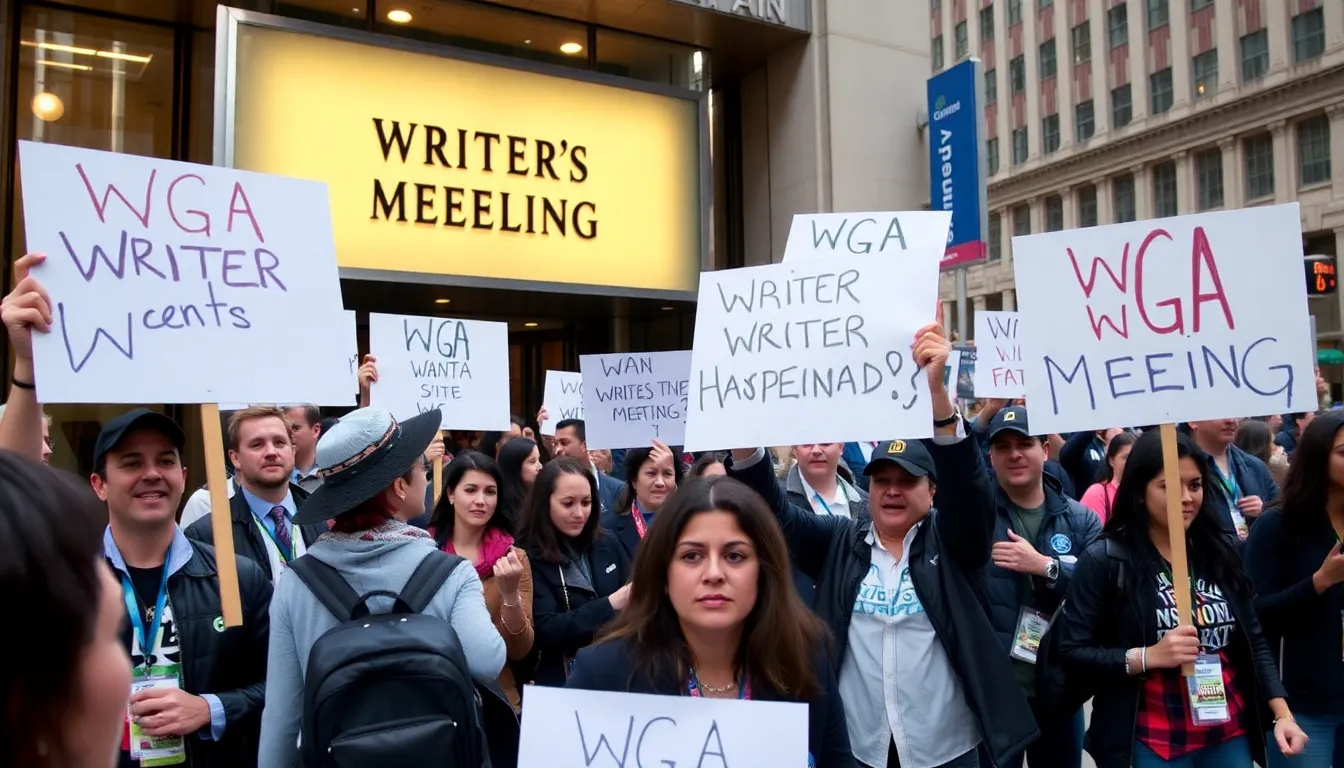
Historically, the WGA has engaged in several significant strikes that have shaped the landscape of television and film production. Notably, the 2007-2008 writers’ strike lasted 100 days and resulted in significant changes to how writers are compensated, particularly concerning digital content. This strike highlighted the growing importance of new media and the need for contracts that reflect the evolving nature of the entertainment industry. However, many writers feel that the agreements reached during that time have not kept pace with the industry’s rapid growth, particularly with the rise of streaming platforms.
As the threat of strikes looms, recent developments have intensified the situation. The WGA has begun organizing pickets outside writers’ meetings to demonstrate solidarity among its members and to push for more favorable contract negotiations. These actions serve as a reminder of the power dynamics at play in the industry and the ongoing struggle for fair treatment. For additional context on the cultural impact of artistic creation, visit our article about the backlash faced by Canadian singer Tate McRae.
Recent Developments and Current Tensions
As the threat of strikes looms, recent developments have intensified the situation. The WGA has begun organizing pickets outside writers’ meetings to demonstrate solidarity among its members and to push for more favorable contract negotiations. These actions serve as a reminder of the power dynamics at play in the industry and the ongoing struggle for fair treatment. As writers mobilize, the stakes are high, not only for their livelihoods but also for the future of storytelling in Hollywood.
Key stakeholders and issues surrounding the potential strike
The ongoing tensions between the Writers Guild of America (WGA) and major entertainment studios have brought to the forefront a complex web of stakeholders and interests. The WGA represents the interests of thousands of writers in the film and television industry, advocating for better wages, improved working conditions, and protections against the increasing use of artificial intelligence in scriptwriting. On the other side, the studios, which include major corporations like Disney, Warner Bros., and Netflix, are focused on maintaining profitability and managing production costs.
One of the main conflicts arises from the disparity in negotiating power between the WGA and the studios. The writers argue that they have not seen significant wage increases despite the industry’s growth and rising profits. This situation is exacerbated by the rise of streaming services, which have changed the traditional revenue models and created uncertainty in job security for writers. The studios, meanwhile, are concerned about the financial implications of granting extensive concessions that could impact their bottom line.
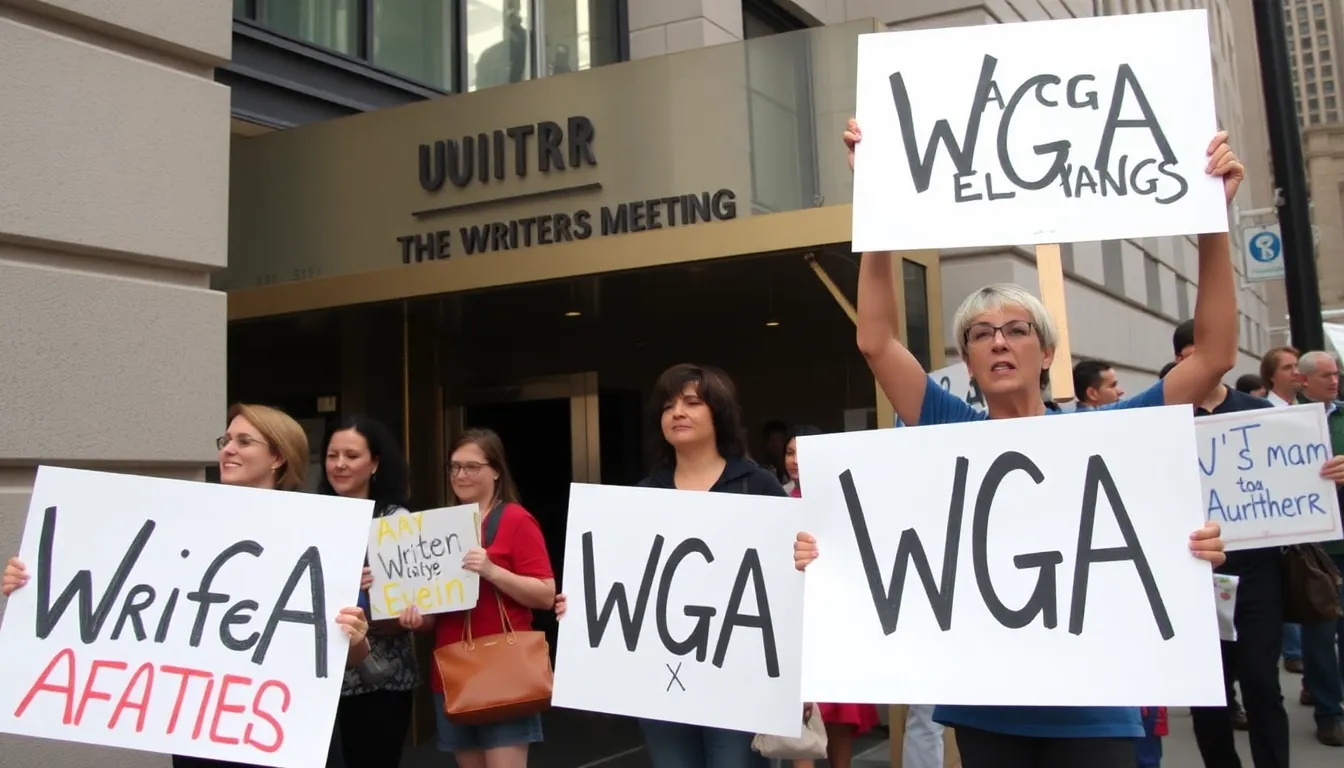
Key legal and economic issues also play a crucial role in this situation. The potential strike could disrupt not only the production of numerous film and television projects but also have wider economic ramifications for ancillary industries such as advertising and tourism that rely on a stable entertainment sector. Furthermore, the legality of the strike and the extent to which writers can legally picket poses additional challenges, as both sides navigate labor laws and contractual obligations.
- WGA’s Demands: Increased minimum compensation and protections against AI.
- Studio Concerns: Maintaining profitability and managing production costs.
- Economic Impact: Potential disruptions affecting ancillary industries.
- Legal Considerations: Navigating labor laws and contractual agreements.
- Public Perception: The role of fans and public support in shaping the narrative.
The potential impact on writers and the broader entertainment market
The ongoing threat of a strike by the Writers Guild of America (WGA) is poised to affect a wide range of stakeholders within the entertainment industry. Writers, producers, studios, and even audiences may feel the repercussions as negotiations unfold. The immediate focus is on the writers themselves, who are advocating for better pay and working conditions.
In the short term, the impact of a strike could lead to halted productions, resulting in delays for television shows and films. This disruption can ripple through various sectors, including advertising, marketing, and distribution, as content availability diminishes. The potential for increased content scarcity may lead to higher prices for existing programming, affecting consumers directly.
Mid-term effects could extend to the broader economy, particularly in regions heavily reliant on the entertainment industry, such as Los Angeles. Local businesses, including restaurants, hotels, and retail shops that cater to industry professionals, may experience decreased foot traffic and revenue. Additionally, the uncertainty surrounding the strike may deter new investments in film and television projects.
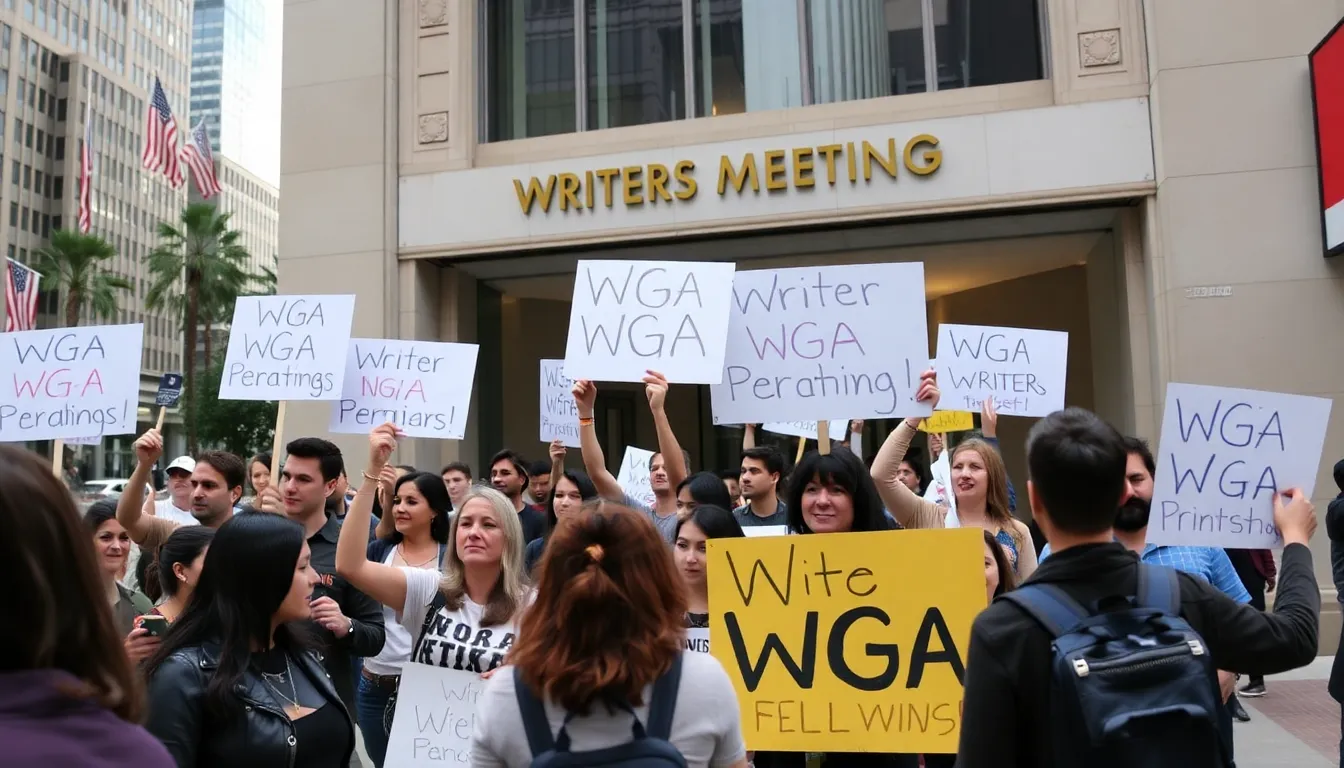
- Risks: Production delays, economic downturn for local businesses, and increased content costs.
- Opportunities: Potential for new agreements that improve working conditions and wages, fostering a more sustainable industry.
As the situation develops, there is also the potential for shifts in audience behavior. Viewers may turn to alternative content sources, such as streaming platforms or independent productions, which could lead to a diversification of the market. This shift may open doors for emerging writers and creators who offer fresh perspectives outside the mainstream industry.
A: WGA staff are picketing to express their concerns over ongoing labor negotiations and to advocate for better working conditions and pay. A: The main issues include fair compensation, job security, and the need for updated contracts that reflect the current industry landscape. A: A strike could lead to significant delays in production schedules, impacting television shows and films, and could result in financial losses for studios. A: The next negotiations are scheduled for later this month, where both parties hope to reach a resolution. A: Fans can show their support by raising awareness on social media and advocating for fair treatment of writers in the industry.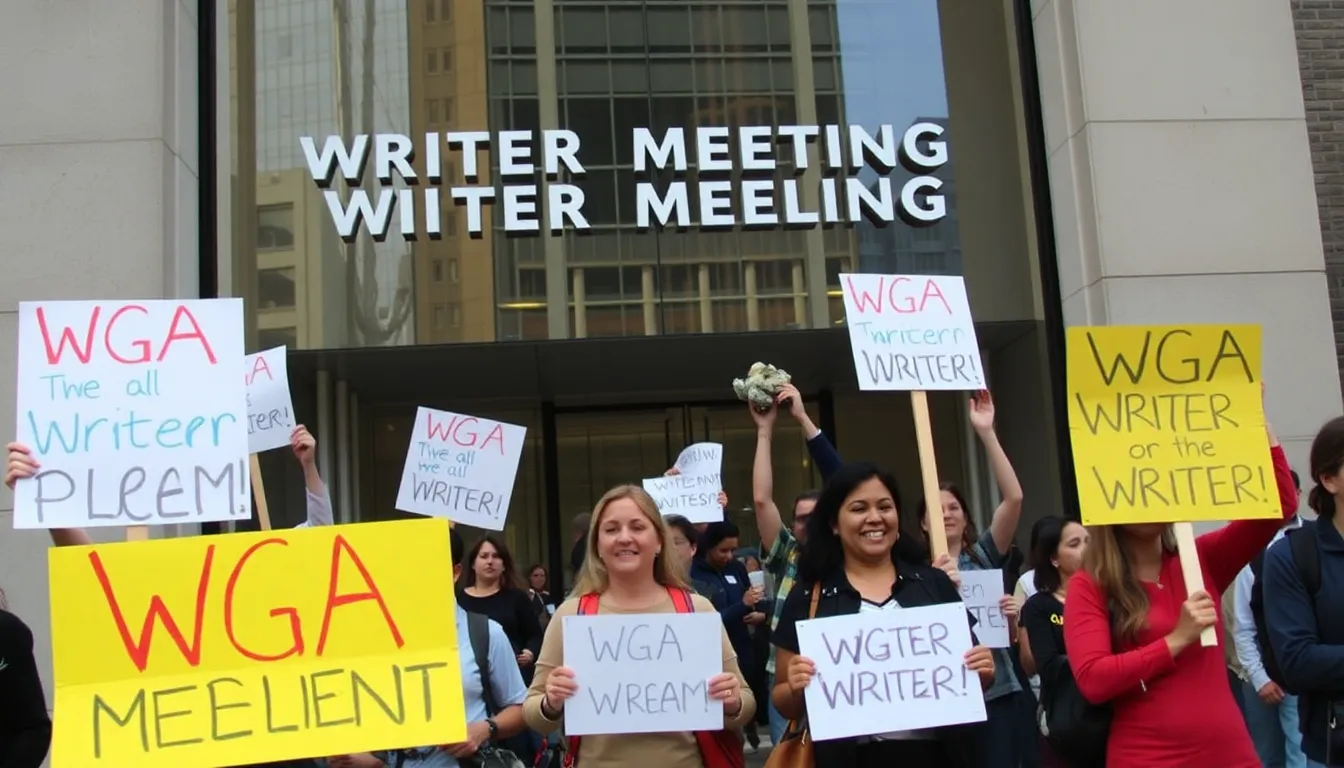
Frequently asked questions about the WGA picketing and strike threat
Insights on the future of WGA negotiations and industry implications
The ongoing tension between the Writers Guild of America (WGA) and industry stakeholders underscores a critical juncture in the landscape of creative labor. As staff members picket outside writers’ meetings amid threats of a strike, the implications for the future of television and film production are profound. This situation not only reflects the immediate concerns of writers but also highlights broader issues regarding labor rights, compensation, and the evolving dynamics of the entertainment industry.
As negotiations continue, industry observers should remain vigilant about the potential outcomes that could reshape the relationship between writers and studios. The decisions made in the coming weeks will likely set precedents that could influence future contracts and the overall health of the creative workforce.
- Increased Solidarity: The picketing efforts may lead to a stronger sense of unity among writers, potentially impacting future negotiations beyond this current dispute.
- Potential for Industry Disruption: A strike could halt production schedules, affecting not only writers but also actors, crew, and the entire supply chain of content creation.
- Focus on Fair Compensation: The outcome of these negotiations may push for more equitable pay structures and benefits for writers, which could set a new standard across the industry.
- Long-term Implications for Content Quality: If writers feel undervalued, the quality of scripts and creative output could suffer, impacting viewer engagement and industry reputation.
- Shift in Negotiation Strategies: The current climate may encourage other unions and labor groups to reassess their negotiation tactics in light of the WGA’s actions.