


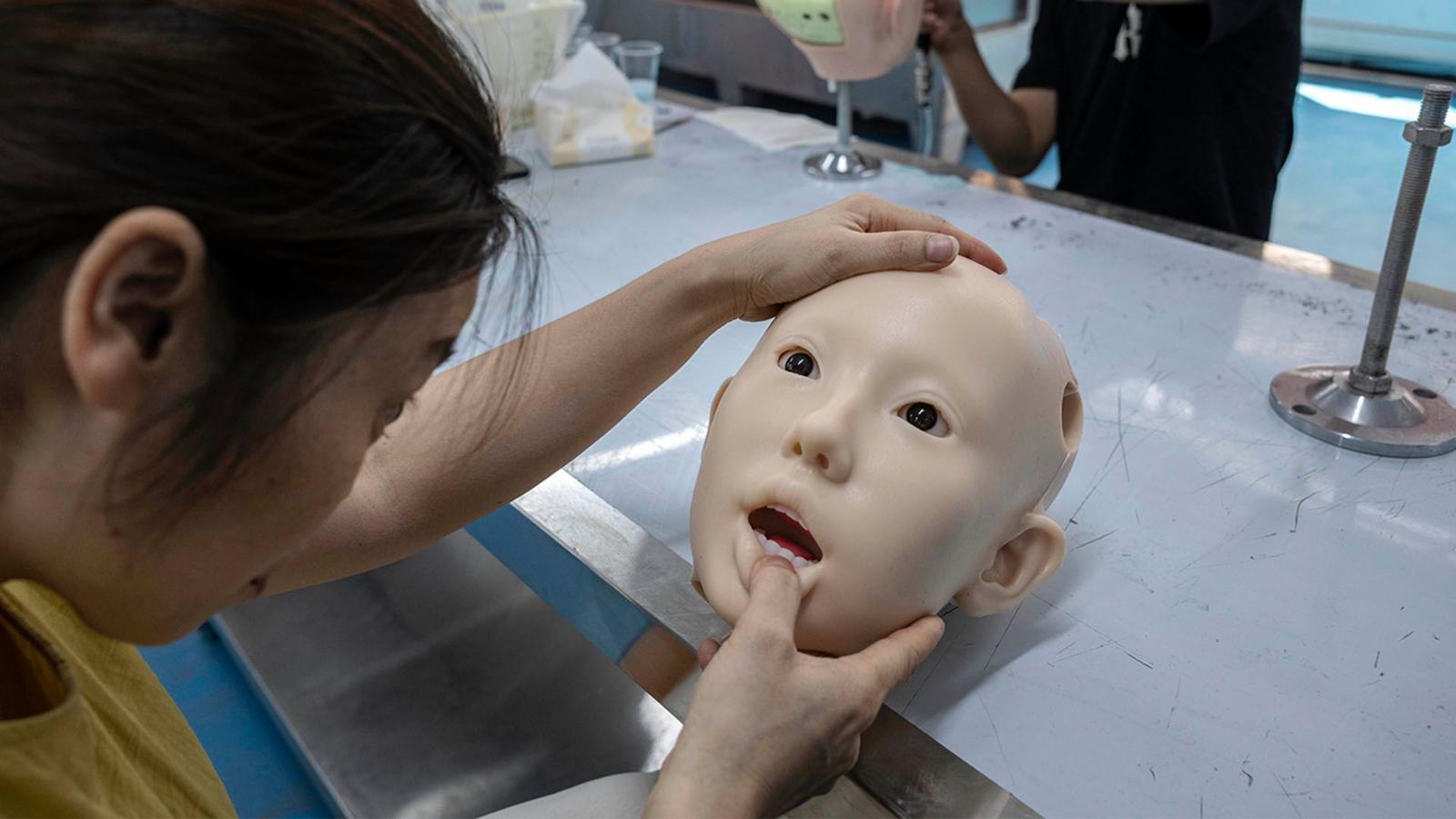
The halt in production was announced on October 15, 2023, following public outcry and pressure from various advocacy groups. These organizations argue that the existence of childlike sex dolls poses serious moral and societal risks, potentially normalizing harmful behaviors and attitudes towards children. Their concerns echo those raised in discussions about Forever Chemicals and their impact on society.
Authorities in China have not officially commented on the factory’s closure, but reports indicate that the decision may also be influenced by tightening regulations on the adult toy industry. As countries around the world increasingly grapple with issues of child protection and sexual ethics, the cessation of this production line reflects a broader shift in societal values.
This situation highlights the ongoing debate over the implications of adult products that mimic children, raising questions about legality, morality, and the responsibilities of manufacturers. As discussions continue, stakeholders from various sectors are expected to engage in dialogue about the future of such products in the market.
Understanding the background of the childlike doll controversy
The production of childlike sex dolls has sparked significant controversy and debate across various societies, particularly in China, where a factory recently halted its operations amid growing scrutiny. This issue touches on deep-seated cultural, ethical, and legal concerns related to child protection and the commercialization of sexual objects that resemble minors. The emergence of these dolls has raised alarms among child advocacy groups, lawmakers, and the general public, leading to calls for stricter regulations.

Historically, the sexualization of children has been a sensitive topic, with societies grappling with the implications of such practices. In recent years, the proliferation of technology and advancements in manufacturing have made it easier to create hyper-realistic dolls that can mimic the appearance of children. This has led to a troubling intersection of technology and morality, prompting discussions about the psychological impact on consumers and the potential normalization of harmful fantasies.
In 2017, several countries began to implement bans on the sale and distribution of childlike sex dolls, citing concerns over child exploitation and the protection of minors. These legal frameworks have evolved in response to public outcry and the increasing visibility of the issue in media and online platforms. The Chinese government, while previously allowing such products to be manufactured, has faced mounting pressure from both domestic and international communities to take a firmer stance against their production, amidst discussions similar to the current debates around geopolitical issues.
The role of advocacy groups
Advocacy groups have played a pivotal role in bringing attention to the dangers posed by childlike sex dolls. Organizations dedicated to child welfare have lobbied for legislative changes and raised awareness about the implications of normalizing such products. Their efforts have highlighted the need for comprehensive policies that not only address the manufacturing and distribution of these dolls but also educate the public about the risks associated with their use.
The recent halt in production at the Chinese factory marks a significant moment in the ongoing debate, reflecting a shift in societal attitudes towards child protection and the commercialization of sexual objects. As discussions continue, the future of these products remains uncertain, with potential implications for manufacturers, consumers, and the broader discourse on child safety.
Analyzing the stakeholders and ethical issues involved
The production halt at the Chinese factory making ‘childlike’ sex dolls has brought several stakeholders into the spotlight, each with distinct interests and concerns. Key actors include the manufacturers, governments, child protection organizations, and the general public. Their positions often reflect broader societal values and ethical considerations surrounding the production and distribution of such controversial products.

Manufacturers, primarily driven by profit, face a conflict between market demand and ethical production practices. The rapid growth of the sex doll industry has created a niche market for these controversial items, yet the backlash from various advocacy groups raises questions about the implications of normalizing childlike representations in adult products. This tension highlights the trade-off between potential financial gain and the ethical responsibility of producers.
Governments are also significant stakeholders, as they must navigate the complexities of regulation in a global marketplace. In China, the government may face internal pressure to enforce stricter manufacturing guidelines, while foreign governments could impose bans or restrictions on imports of such products. The legal landscape is further complicated by varying definitions of obscenity and child exploitation across jurisdictions, leading to potential international trade conflicts.
- Child Protection Organizations: These groups advocate against the normalization of childlike imagery in sexual contexts, arguing it could lead to harmful societal attitudes.
- Legal Implications: The production and distribution of these dolls raise legal challenges regarding obscenity laws and child protection statutes.
- Public Sentiment: The general public is divided, with some viewing these dolls as a form of adult expression, while others see them as a threat to societal norms regarding child safety.
In summary, the intersection of economic interests, legal frameworks, and ethical considerations creates a complex landscape for all stakeholders involved. As the discourse continues, it is essential to monitor how these dynamics evolve and influence future policies and societal attitudes towards such products.
Impact on the market and affected communities
The recent decision to halt production at the Chinese factory manufacturing ‘childlike’ sex dolls has significant implications for various groups, industries, and regions. Primarily, this move affects manufacturers, distributors, and retailers within the adult toy industry, particularly those relying on these products for revenue. Additionally, communities involved in the supply chain, including laborers and local economies dependent on these factories, are likely to feel the impact.
In the short term, businesses that sell these dolls may face inventory shortages, leading to potential revenue declines. Retailers might need to seek alternative products or suppliers, which could disrupt their operations. Consumers looking for these specific products may experience frustration due to limited availability, potentially shifting their purchasing habits towards other adult products.

In the mid-term, the halt in production may prompt policymakers to re-evaluate regulations surrounding the adult toy industry. Increased scrutiny could lead to stricter guidelines regarding the manufacturing and sale of such products, impacting businesses that operate within legal gray areas. This could foster a climate of compliance, pushing companies to innovate and adapt to new standards.
Despite the challenges, there are potential opportunities that may arise from this situation. Companies could pivot towards producing more ethically designed products, aligning with consumer demands for responsible manufacturing practices. Moreover, this disruption may encourage the development of new technologies or product lines that prioritize safety and ethical considerations.
- Manufacturers and retailers facing revenue declines.
- Increased scrutiny and potential regulatory changes in the adult toy industry.
- Opportunities for innovation in product design and manufacturing practices.
- Shift in consumer preferences towards ethically produced alternatives.
A: The production was halted due to ethical concerns and legal implications surrounding the creation of childlike sex dolls, which many view as harmful. A: The factory may face legal actions depending on local laws regarding the production of such items, which could include fines or shutdowns. A: Public reaction has been mixed, with some applauding the halt as a step towards ethical responsibility, while others argue for personal freedoms. A: This halt may set a precedent for stricter regulations on similar products, impacting future manufacturing and sales. A: Yes, there are other factories globally, but this situation may prompt a reevaluation of their practices and legal standings.
Frequently asked questions about the production halt
Key points and future outlook on the issue
The recent decision to halt production at the Chinese factory known for manufacturing ‘childlike’ sex dolls has sparked significant debate regarding ethical production practices and the implications for the adult industry. This move reflects growing concerns over the moral and social ramifications of such products, particularly in relation to child protection and societal norms. As discussions evolve, stakeholders must consider the balance between freedom of expression and the potential risks posed by these items.
Looking ahead, the industry may see increased scrutiny from regulators and advocacy groups, leading to stricter guidelines and oversight. The shift in consumer sentiment towards more responsible and ethical products could drive innovation in the adult toy market, prompting manufacturers to rethink their designs and marketing strategies.
- Monitor regulatory changes that may arise in response to public outcry against childlike representations in adult products.
- Watch for shifts in consumer preferences, as ethical considerations may influence purchasing decisions in the adult industry.
- Consider the potential for technological advancements in adult products that prioritize safety and ethical standards.
- Keep an eye on advocacy group movements that may push for broader reforms within the manufacturing and distribution of adult items.
- Observe how other manufacturers respond to this halt in production, as it may set a precedent for industry practices moving forward.