


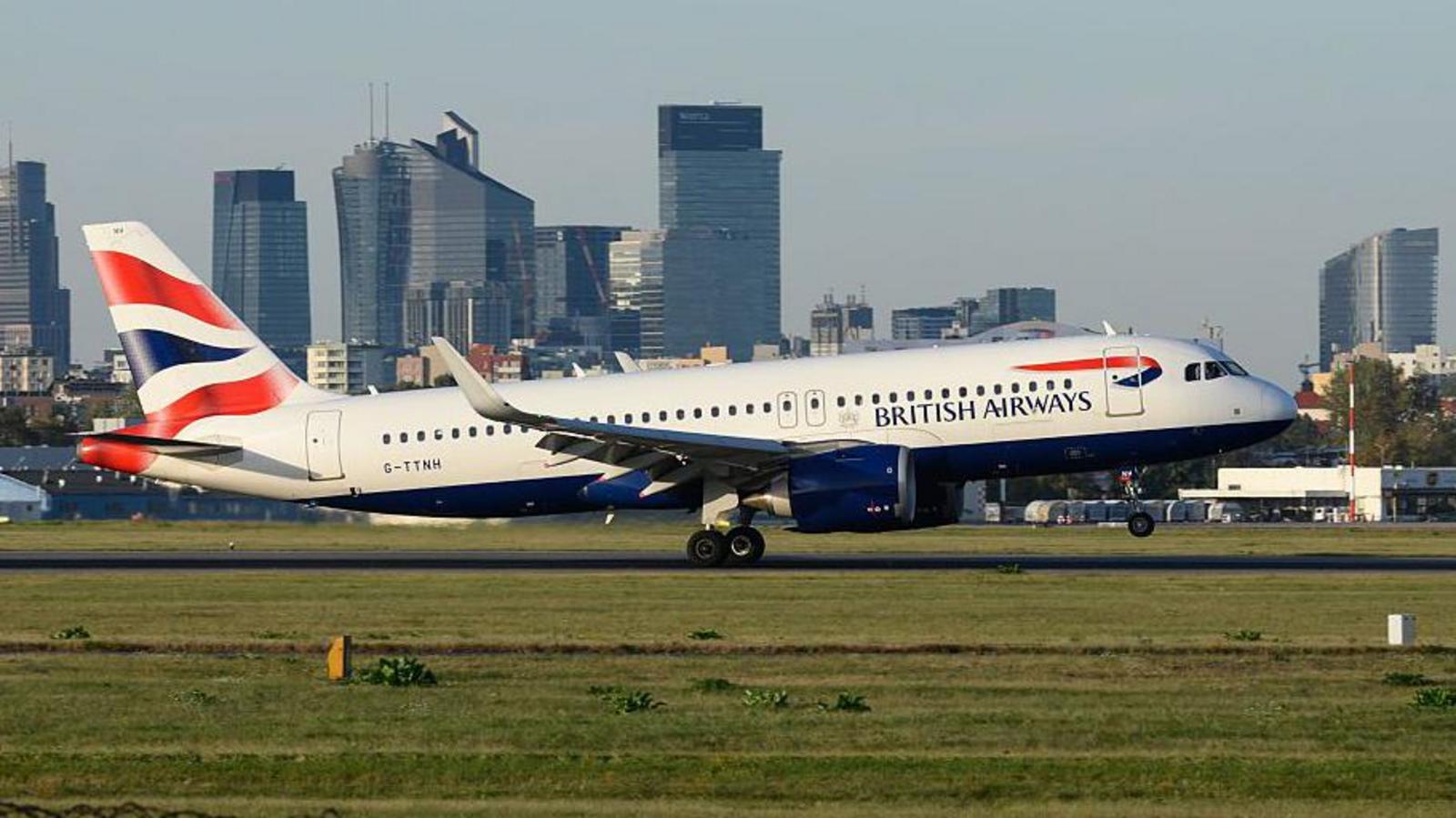
The affected aircraft include models from the A320 family, which are widely used by airlines around the world. The inspections are expected to begin immediately and will involve detailed assessments to ensure compliance with safety standards.
This situation is significant as it highlights ongoing challenges within the aerospace manufacturing sector, particularly in maintaining quality control amidst rising production rates. The inspections may lead to temporary disruptions in delivery schedules, impacting airlines that rely on these aircraft for their operations, as discussed in a recent article on market challenges.
Airbus has stated that it is committed to addressing the issue promptly and transparently, emphasizing that passenger safety remains its top priority. The company has not disclosed the exact number of aircraft involved but has assured stakeholders that appropriate measures are being taken to rectify the situation.
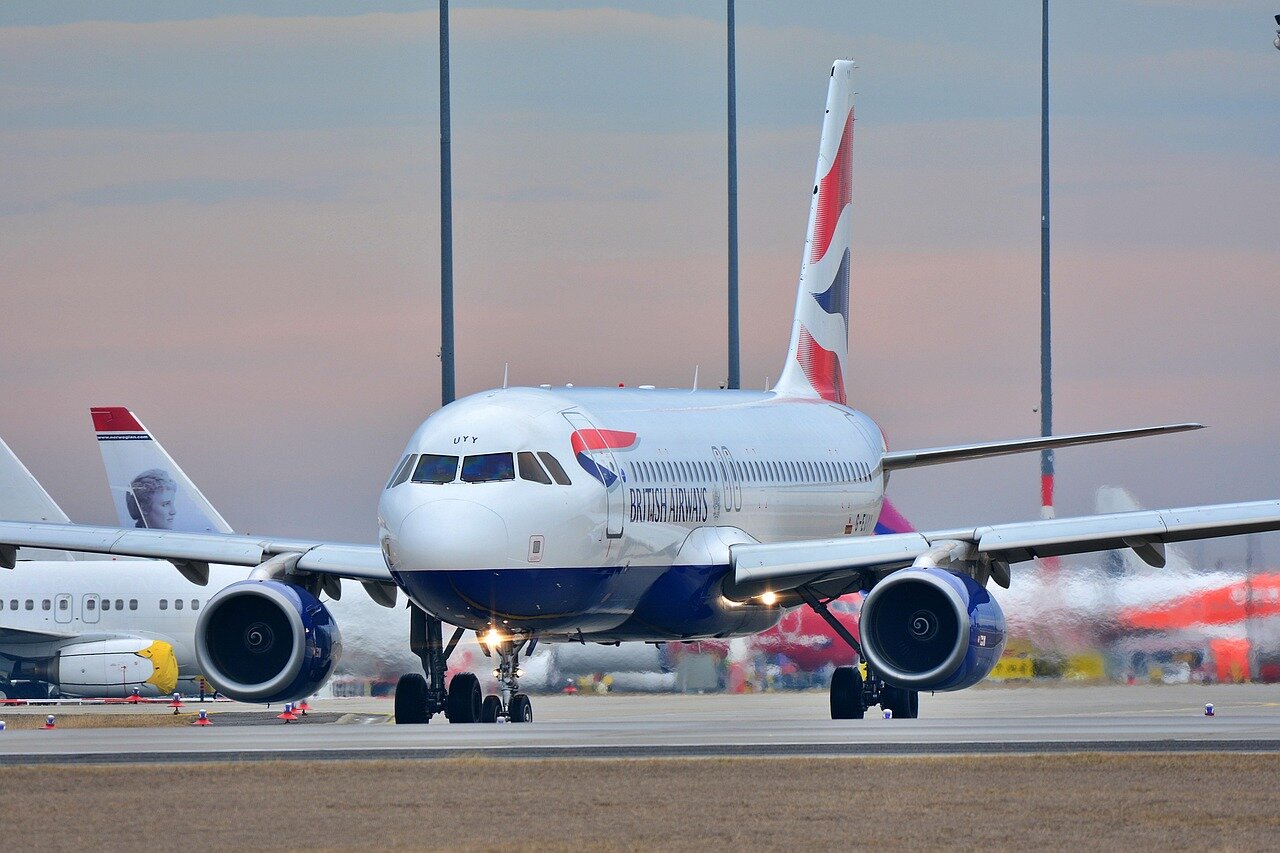
Understanding the background of Airbus’s quality concerns
Airbus, one of the leading aircraft manufacturers globally, has faced various challenges over the years, particularly concerning the quality of its aircraft components. The recent decision to inspect certain planes over a ‘quality issue’ with panels highlights the ongoing scrutiny that the aerospace industry faces regarding safety and reliability. This situation is not an isolated incident but part of a broader narrative shaped by historical events, regulatory changes, and market pressures.
The aerospace industry has always been under the microscope due to the high stakes involved in air travel. Following several high-profile incidents in the late 20th century, regulatory bodies around the world have imposed stringent quality control measures. The Federal Aviation Administration (FAA) and the European Union Aviation Safety Agency (EASA) have set high standards for aircraft manufacturers, compelling companies like Airbus to continuously enhance their quality assurance processes. These standards have evolved, especially in the wake of accidents that have raised public awareness and concern about aviation safety.
Economically, the competition between Airbus and Boeing has intensified, leading to increased pressure on both companies to deliver high-quality products while keeping costs competitive. This rivalry has driven innovation but has also resulted in compromises in some cases, where the rush to meet delivery schedules may inadvertently affect quality control. The recent inspection announcement can be seen as a response to this competitive environment, aiming to reassure clients and passengers about the safety of Airbus aircraft.
The Role of Supply Chain Management
The complexity of modern supply chains has also played a significant role in quality assurance challenges. Airbus relies on a vast network of suppliers for various aircraft components, including the panels in question, similar to challenges noted in co-production projects. Any disruption or quality issue at a supplier’s facility can have cascading effects, impacting the final product.
Analyzing the stakeholders involved in the Airbus inspection
The recent announcement by Airbus regarding the inspection of certain aircraft due to a quality issue with panels has brought several stakeholders into focus. The primary actors in this situation include Airbus as the manufacturer, airlines operating the affected planes, regulatory bodies, and ultimately, the passengers who rely on air travel safety.
Airbus, as the manufacturer, has a vested interest in maintaining its reputation for quality and safety. The company must address the quality issues swiftly to prevent any long-term damage to its brand. Additionally, this situation could lead to financial implications, as inspections and potential repairs can be costly and time-consuming.
Airlines that operate the affected aircraft are also significant stakeholders. Their interests lie in ensuring the safety of their operations while minimizing disruptions. They may face operational challenges, including flight delays or cancellations, which can impact customer satisfaction and revenue. Furthermore, airlines will need to navigate the financial repercussions of grounding planes for inspections.
- Regulatory bodies such as the European Union Aviation Safety Agency (EASA) play a crucial role in overseeing compliance and ensuring safety standards are met.
- Passengers are directly affected by any safety concerns, as their confidence in air travel relies heavily on the perceived reliability of airlines and manufacturers.
- Suppliers of the panels in question may also be implicated, as quality issues could lead to scrutiny of their manufacturing processes and partnerships with Airbus.
Legal implications may arise if the quality issues lead to incidents or accidents, prompting investigations and potential liability claims. Economically, the situation could affect Airbus’s stock prices and the financial health of airlines involved, underscoring the intricate balance of interests at play, much like the dynamics seen in charity fund allocations.
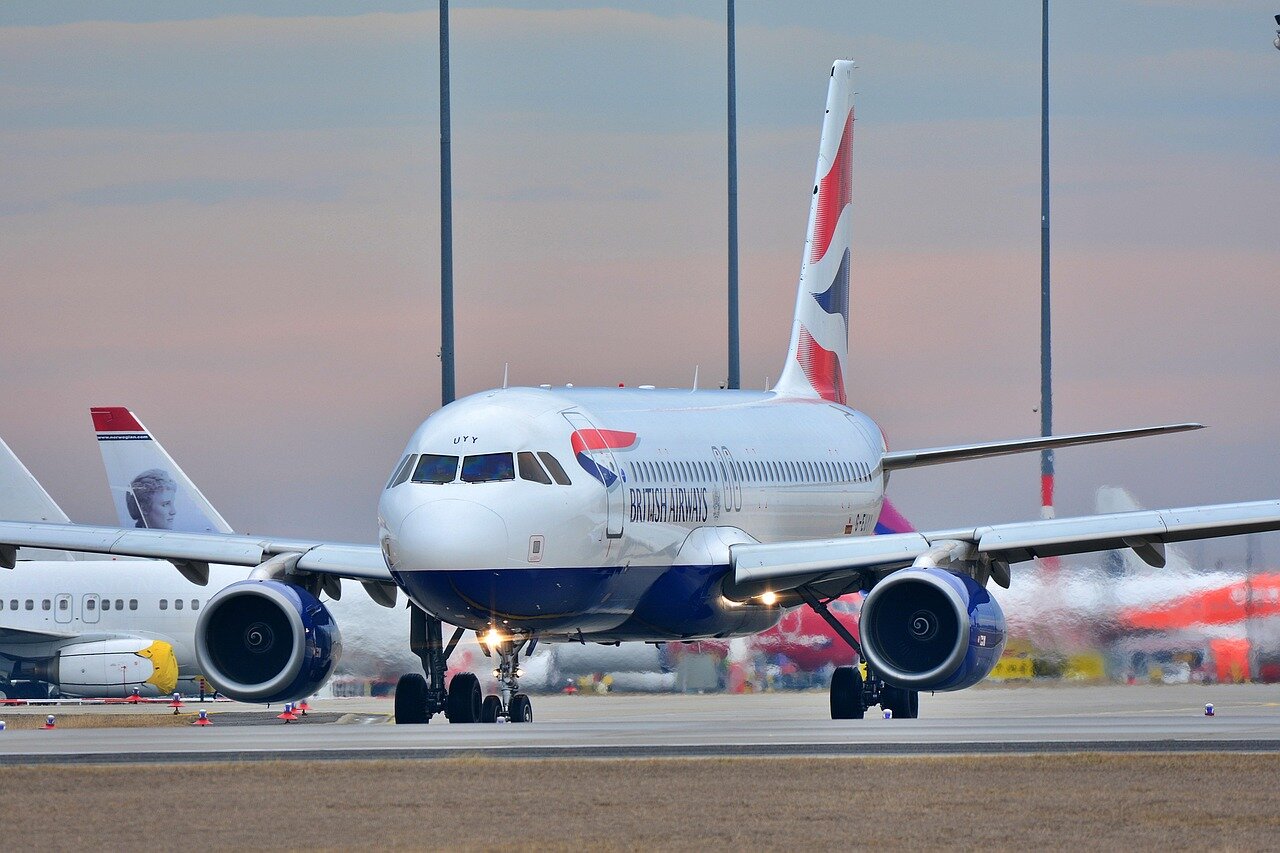
Impact of the inspections on airlines and passengers
The recent decision by Airbus to inspect certain planes due to a quality issue with panels is set to affect a wide range of stakeholders, including airlines, passengers, and the broader aviation industry. Airlines operating affected aircraft may face operational disruptions, leading to potential flight cancellations or delays. This situation could particularly impact regions with high air traffic, such as North America and Europe, where these aircraft are predominantly used.
In the short term, airlines may incur additional costs associated with the inspections and any necessary repairs. These costs could lead to increased ticket prices for consumers, impacting travel budgets and plans. Passengers may experience inconvenience as airlines scramble to adjust their schedules and allocate resources to maintain service levels amidst the inspections.
In the mid-term, the quality issue could prompt regulatory bodies to impose stricter oversight on aircraft manufacturing processes. This may lead to changes in policies that govern aviation safety standards, potentially benefiting the industry by enhancing overall safety but also increasing compliance costs for manufacturers and airlines alike.
- Increased operational costs for airlines.
- Potential rise in ticket prices for consumers.
- Regulatory changes impacting manufacturing and safety standards.
- Opportunity for airlines to invest in newer, safer aircraft models.
While the immediate impacts pose risks, there may also be opportunities for innovation and improvement in manufacturing processes. Airlines could capitalize on this situation by upgrading their fleets, which could lead to enhanced fuel efficiency and reduced maintenance costs in the long run. Additionally, passengers may benefit from improved safety measures and more reliable aircraft as the industry responds to these quality concerns.
A: The quality issues primarily concern the panels used in certain Airbus aircraft models, which may not meet the required safety standards. A: Airbus has not disclosed the exact number of aircraft affected, but the inspection will cover a significant portion of their fleet. A: If defects are identified, Airbus will take necessary corrective actions, which may include repairs or modifications to ensure safety. A: Airlines operating affected aircraft may experience delays or cancellations as inspections and repairs are carried out. A: Airbus has indicated that inspections will commence shortly, although a specific timeline has yet to be provided.
Frequently asked questions about the Airbus inspections
Key takeaways and future outlook for Airbus
The recent decision by Airbus to inspect certain aircraft due to a quality issue with panels highlights the manufacturer’s commitment to safety and quality assurance. This proactive approach not only aims to maintain the integrity of their fleet but also reinforces customer confidence in their products. As the aviation industry continues to recover from recent challenges, Airbus’s actions will be closely monitored by stakeholders, including airlines and regulatory bodies.
Moving forward, the implications of this inspection may extend beyond immediate operational adjustments. It could influence Airbus’s production timelines, customer relationships, and market competitiveness. Stakeholders should remain vigilant regarding potential delays and the company’s strategies to address any findings from these inspections.
- Airbus’s commitment to safety may enhance its reputation among airlines and passengers.
- Potential operational disruptions could affect delivery schedules and airline planning.
- Regulatory scrutiny may increase as authorities monitor Airbus’s response to the quality issue.
- Investors should watch for any impacts on Airbus’s stock performance in the coming months.
- Future innovations in manufacturing processes may emerge from lessons learned during this inspection.