



In July 2023, the U.S. Environmental Protection Agency (EPA) announced new guidelines to limit PFAS levels in drinking water. This decision follows years of advocacy from environmental groups and affected communities who have highlighted the potential health risks associated with long-term exposure to these chemicals, including cancer and immune system issues. The guidelines aim to establish a maximum contaminant level for specific PFAS compounds, which could lead to significant regulatory changes, similar to the issues highlighted in the Poison Water review.
Several states have also begun implementing their own regulations targeting PFAS. For instance, California and Michigan have enacted laws requiring manufacturers to disclose the presence of these chemicals in consumer products. These state-level actions reflect growing public concern and the urgent need for accountability in industries that have historically used PFAS in various applications, from firefighting foam to non-stick cookware.
The ongoing legal battles surrounding PFAS liability further complicate the situation. Major chemical manufacturers are facing lawsuits from municipalities seeking to recover costs associated with cleaning up contaminated sites. As these cases unfold, the outcomes could set important precedents for future regulations and corporate responsibility regarding environmental pollution.
Background on the Origins of Forever Chemicals
Forever chemicals, scientifically known as per- and polyfluoroalkyl substances (PFAS), have garnered significant attention in recent years due to their persistence in the environment and potential health risks. These synthetic compounds were first developed in the 1940s, initially used for their water- and grease-resistant properties in various consumer products, including non-stick cookware, water-repellent clothing, and food packaging. This widespread use makes the discussion around environmental impacts especially pertinent.
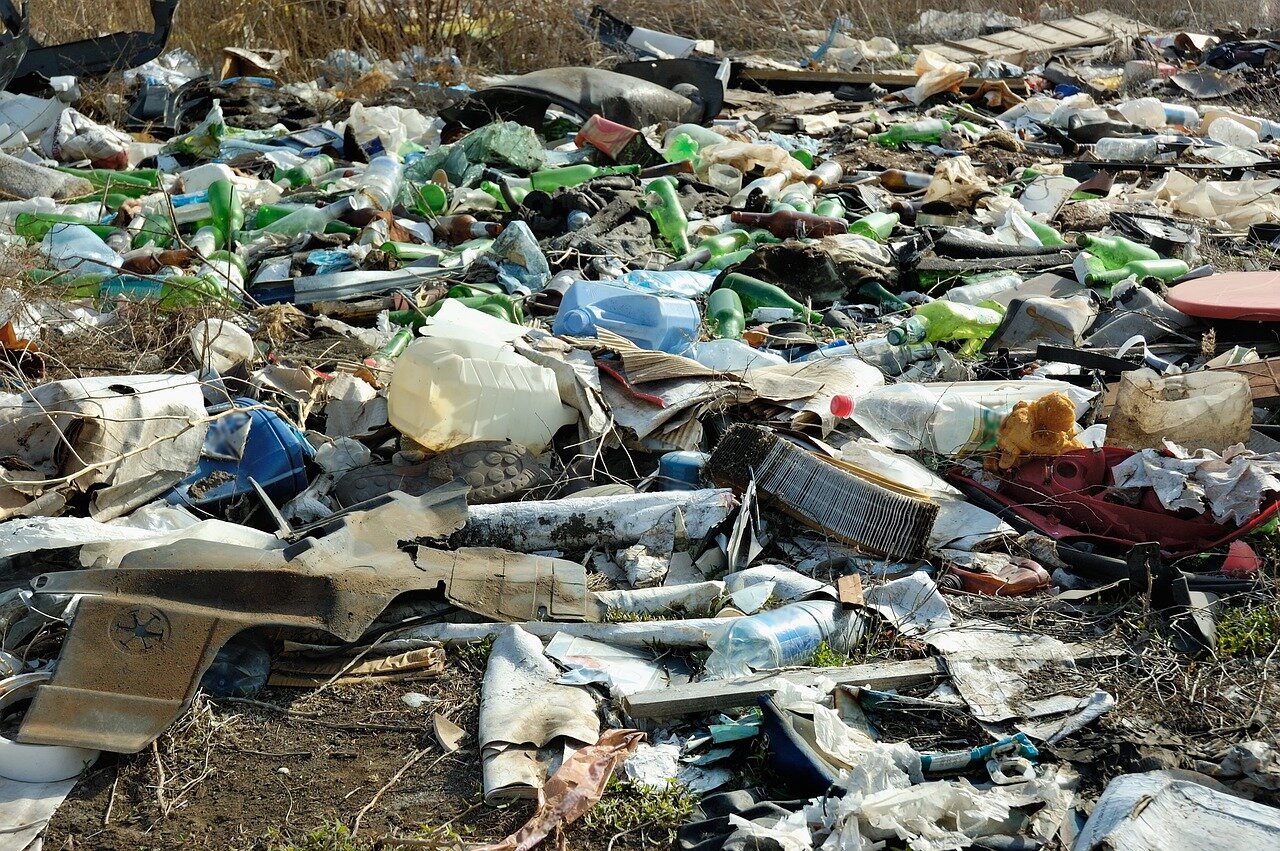
The political and regulatory landscape surrounding PFAS has evolved over the decades, often lagging behind scientific understanding. In the late 1990s, concerns began to surface regarding the environmental and health impacts of these chemicals, particularly after studies revealed their accumulation in human blood and potential links to serious health issues, such as cancer and liver damage. This prompted some states to take action, leading to the establishment of stricter regulations and guidelines.
Key Milestones in PFAS Regulation
One significant milestone occurred in 2001 when the major manufacturer of PFAS, DuPont, agreed to phase out certain products containing these chemicals. This decision was partly influenced by growing public awareness and legal challenges. In 2016, the U.S. Environmental Protection Agency (EPA) established a voluntary program for companies to reduce PFAS emissions, although many critics argue that these measures have been insufficient.
Socially, the issue of forever chemicals has sparked grassroots movements advocating for cleaner environments and stricter regulations. Communities affected by PFAS contamination have mobilized to demand accountability from manufacturers and greater transparency from regulatory bodies. As awareness continues to grow, the conversation around forever chemicals is evolving, highlighting the need for comprehensive action to mitigate their impact on public health and the environment, much like what is discussed in the rise of postpartum prescription rates.
Key Stakeholders and Issues Surrounding Forever Chemicals
Forever chemicals, known scientifically as per- and polyfluoroalkyl substances (PFAS), have garnered significant attention due to their widespread use and environmental persistence. The primary stakeholders in this issue include government agencies, environmental organizations, manufacturers, and the general public, each with distinct interests and concerns.
Government agencies, such as the Environmental Protection Agency (EPA) in the United States, are tasked with regulating chemical substances to protect public health and the environment. Their interest lies in establishing guidelines and regulations to limit the use of PFAS, which are linked to various health problems. However, the challenge they face is balancing regulatory actions with the economic implications for industries that rely on these chemicals.

Manufacturers of PFAS-containing products, including those in the textile, aerospace, and food packaging industries, are also critical stakeholders. Their primary interest is in maintaining economic viability while navigating increasing regulatory pressures. This often leads to conflicts between the need for innovation and the push for safer alternatives, creating a complex trade-off situation.
Environmental organizations advocate for stricter regulations and greater transparency regarding the use of PFAS. They emphasize the long-term health risks associated with these chemicals, pushing for comprehensive testing and cleanup efforts. However, their efforts can sometimes conflict with the interests of industries that argue for the economic benefits of PFAS use.
- Health Risks: Studies link PFAS exposure to serious health issues, raising public concern.
- Regulatory Challenges: Governments face difficulties in creating effective policies that address PFAS pollution.
- Economic Impacts: Industries argue that transitioning away from PFAS could lead to higher costs and job losses.
- Environmental Advocacy: Nonprofits push for accountability and remediation of contaminated sites.
- Scientific Research: Ongoing studies aim to better understand the effects and alternatives to PFAS.
In summary, the discourse surrounding forever chemicals is marked by a complex interplay of interests and issues. As stakeholders continue to navigate the implications of PFAS, the outcomes will significantly affect public health, environmental policy, and economic stability.
How Forever Chemicals Affect Public Health and Ecosystems
Forever chemicals, or per- and polyfluoroalkyl substances (PFAS), have far-reaching implications for various groups, industries, and regions. Communities near manufacturing sites, military bases, and wastewater treatment plants are particularly vulnerable, as these chemicals often contaminate local water supplies and soil. The impact extends to consumers who may unknowingly use products containing PFAS, such as non-stick cookware, water-repellent clothing, and food packaging.
In the short term, individuals exposed to PFAS may experience health issues, including hormonal disruptions, immune system effects, and increased risk of certain cancers. This can lead to a surge in healthcare costs for affected communities, straining local economies. Industries such as agriculture may face immediate challenges as contaminated water sources can affect crop yields and livestock health, leading to financial losses.
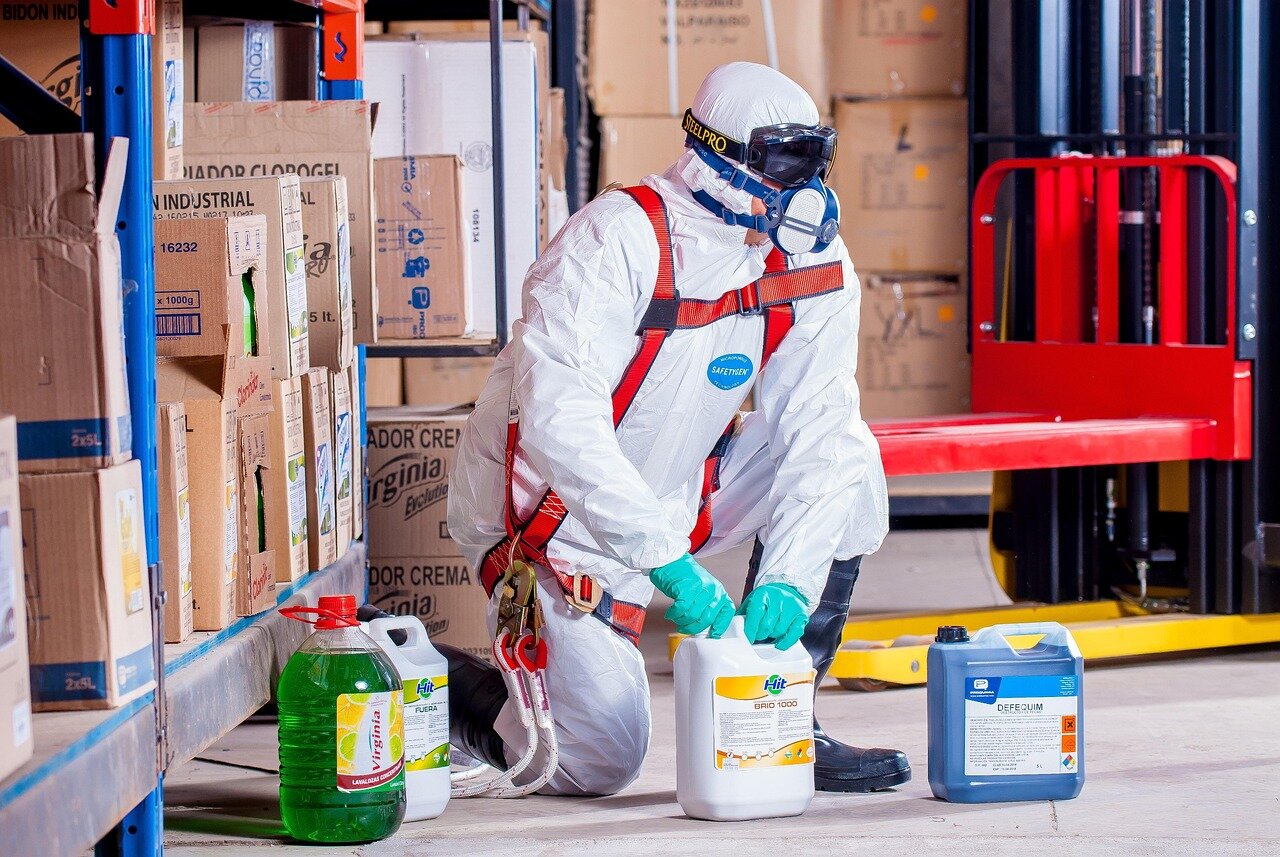
Mid-term impacts include potential regulatory changes as governments and health organizations respond to growing concerns about PFAS. Stricter regulations may require industries to adapt their manufacturing processes, which could lead to increased operational costs. However, this also presents opportunities for innovation, as companies may invest in developing safer alternatives to PFAS, creating new markets for eco-friendly products.
- Health risks for communities and individuals
- Economic strain on local healthcare systems
- Regulatory changes affecting industries
- Opportunities for innovation in safer alternatives
Regions with high levels of PFAS contamination may also face long-term environmental consequences, including damage to local ecosystems. This can disrupt wildlife and biodiversity, affecting tourism and recreation industries reliant on healthy natural habitats. On the flip side, there is a growing awareness and advocacy for cleaner environments, leading to community-driven initiatives aimed at reducing PFAS exposure and promoting sustainable practices.
A: Forever chemicals, or PFAS, are synthetic substances that do not break down in the environment. They are used in various products for their water- and grease-resistant properties. A: They are termed ‘forever chemicals’ because they persist in the environment and human body for a long time without degrading. A: Exposure to forever chemicals has been linked to various health issues, including cancer, liver damage, and immune system effects. A: You can reduce exposure by avoiding products that contain PFAS, using water filters, and being cautious with fast food packaging. A: Yes, some countries and states are implementing regulations to limit the use of forever chemicals, but enforcement and compliance vary.
Frequently Asked Questions About Forever Chemicals
Insights on the Future of Forever Chemicals Regulation
The growing awareness of forever chemicals, particularly per- and polyfluoroalkyl substances (PFAS), highlights the urgent need for comprehensive regulatory frameworks. As the potential health risks associated with these substances become clearer, stakeholders from governments to consumers must remain vigilant and proactive in addressing their presence in the environment and consumer products.
Future regulations will likely focus on stricter limits for PFAS in drinking water, soil, and food supplies. Additionally, increased transparency in product labeling and a push for safer alternatives will shape market dynamics. Monitoring and enforcement will be critical as industries adapt to new standards.
- Watch for upcoming legislation that may impose stricter limits on PFAS levels in consumer products.
- Be aware of the growing demand for transparency in product ingredients, which could drive innovation in safer alternatives.
- Stay informed about local and national water quality testing initiatives aimed at identifying PFAS contamination.
- Consider the implications for industries reliant on PFAS, as regulatory changes may lead to shifts in production practices and costs.
- Monitor public health studies that continue to explore the long-term effects of PFAS exposure on human health and the environment.