



In 2023, a growing number of advocacy groups and local governments are prioritizing initiatives to enhance bicycle accessibility. Notable events such as Bike to Work Day, celebrated in May, have highlighted the importance of cycling as a viable transportation option. These initiatives aim to encourage more people to consider biking as a daily mode of transport, thus reducing reliance on cars.
Key figures in the movement, such as urban planners and environmental activists, are collaborating to promote policies that support cycling infrastructure. For instance, the recent launch of a city-wide bike-sharing program in San Francisco has received positive feedback from residents and local businesses alike. Such programs not only provide access to bicycles but also foster a culture of cycling within communities.
Despite these advancements, challenges remain. Many cities still face obstacles such as inadequate bike lanes, safety concerns, and lack of public awareness about the benefits of cycling. Addressing these issues is crucial for creating a more bike-friendly environment that encourages sustainable transportation practices.

The Background of Bicycle Advocacy and Urban Planning
The movement towards creating bike-friendly cities has its roots in the early 20th century, when bicycles were a primary mode of transportation. However, with the rise of the automobile in the 1920s and 1930s, urban planning began to prioritize car travel over cycling, leading to a significant decline in bike usage. This shift not only changed the landscape of cities but also influenced public policy and infrastructure development, often sidelining cyclists in favor of vehicular traffic.
In the late 20th century, a renewed interest in cycling emerged, spurred by environmental concerns, health benefits, and the desire for sustainable urban living. The oil crises of the 1970s highlighted the vulnerabilities of car-dependent societies, prompting cities to reconsider their transportation strategies. Advocacy groups began to form, pushing for better cycling infrastructure, such as bike lanes and parking facilities, and promoting the idea that cycling could be a viable alternative to driving.
Key Milestones in Bicycle Advocacy
One significant milestone in the bicycle advocacy movement occurred in the 1990s with the establishment of the International Mountain Bicycling Association (IMBA) and similar organizations, which sought to promote responsible mountain biking and advocate for trail access. Additionally, the introduction of the Bicycle Commuter Benefit Act in the United States in 2008 provided tax incentives for employers to encourage cycling among their employees, further legitimizing cycling as a mode of transportation.
More recently, the COVID-19 pandemic accelerated the need for safe outdoor spaces, leading many cities to implement temporary bike lanes and pedestrian zones. This shift revealed the potential for cycling as a practical and safe means of transport, prompting discussions about permanent infrastructure changes. As cities worldwide continue to grapple with traffic congestion and air quality issues, the push for bike-friendly urban environments has gained momentum, with advocates emphasizing the importance of accessibility and inclusivity in their designs.
Key Stakeholders and Challenges in Promoting Cycling
In the movement to make urban environments more bike-friendly, several key stakeholders play pivotal roles. These include local governments, cycling advocacy groups, urban planners, and the general public. Each actor has distinct interests that can sometimes conflict, leading to challenges in policy implementation and community acceptance.
Local governments are often at the forefront, tasked with creating infrastructure that supports cycling. Their interests typically include reducing traffic congestion, promoting sustainable transportation, and enhancing public health. However, budget constraints and competing priorities can limit their ability to invest in bike-friendly initiatives.
Cycling advocacy groups, such as the League of American Bicyclists, aim to promote cycling as a viable mode of transportation. These organizations often lobby for better bike lanes, safety measures, and public awareness campaigns. While their goals align with public health and environmental sustainability, they may face opposition from businesses or residents concerned about the impact of reduced car access.
- Economic Trade-offs: Investment in cycling infrastructure can lead to increased property values and local business revenues, but it may also require reallocating funds from other essential services.
- Legal Issues: The implementation of bike lanes often involves navigating complex zoning laws and regulations, which can slow down progress.
- Public Perception: Resistance from community members who prioritize car travel can create obstacles for cycling initiatives, highlighting the need for effective communication and education.
Ultimately, the success of making the world more bike-friendly hinges on collaboration among these stakeholders. Understanding their diverse interests and the challenges they face is crucial for fostering an environment where cycling can thrive as a sustainable transportation option.

The Impact of Increased Bicycle Use on Communities
The push for a more bike-friendly world affects a diverse range of groups, including urban planners, local governments, environmental organizations, and everyday commuters. Cities that prioritize cycling infrastructure can see a shift in their demographic appeal, attracting younger residents and families who value sustainability and accessibility.
In the short term, businesses located in bike-friendly areas may experience an increase in foot traffic as more people opt for cycling over driving. This can lead to higher sales for local shops and cafes. However, traditional transportation industries, such as automotive and public transit, may face challenges as ridership decreases.
Mid-term impacts include potential changes in local policies aimed at promoting cycling. Governments may invest in bike lanes, parking facilities, and safety measures, creating jobs in construction and urban development. While these initiatives can improve public health and reduce pollution, there are risks of gentrification in neighborhoods that become more desirable due to enhanced cycling infrastructure.
- Opportunities: Increased business for local shops, job creation in cycling infrastructure development, improved public health.
- Risks: Reduced reliance on public transit, potential gentrification, and displacement of long-term residents.
Overall, the movement towards a bike-friendly environment presents both challenges and benefits. Stakeholders must navigate these dynamics carefully to ensure that the transition enhances community well-being while minimizing negative consequences.
A: The mission was inspired by the need for sustainable transportation options and the desire to reduce urban congestion and pollution. A: Individuals can advocate for better cycling infrastructure, participate in community events, and choose biking as their primary mode of transport. A: Common challenges include resistance from local governments, lack of funding for infrastructure, and cultural attitudes towards cycling. A: Yes, cities like Copenhagen and Amsterdam have implemented extensive cycling infrastructure and policies that encourage biking. A: Cycling reduces greenhouse gas emissions, decreases air pollution, and minimizes traffic congestion, contributing to a healthier urban environment.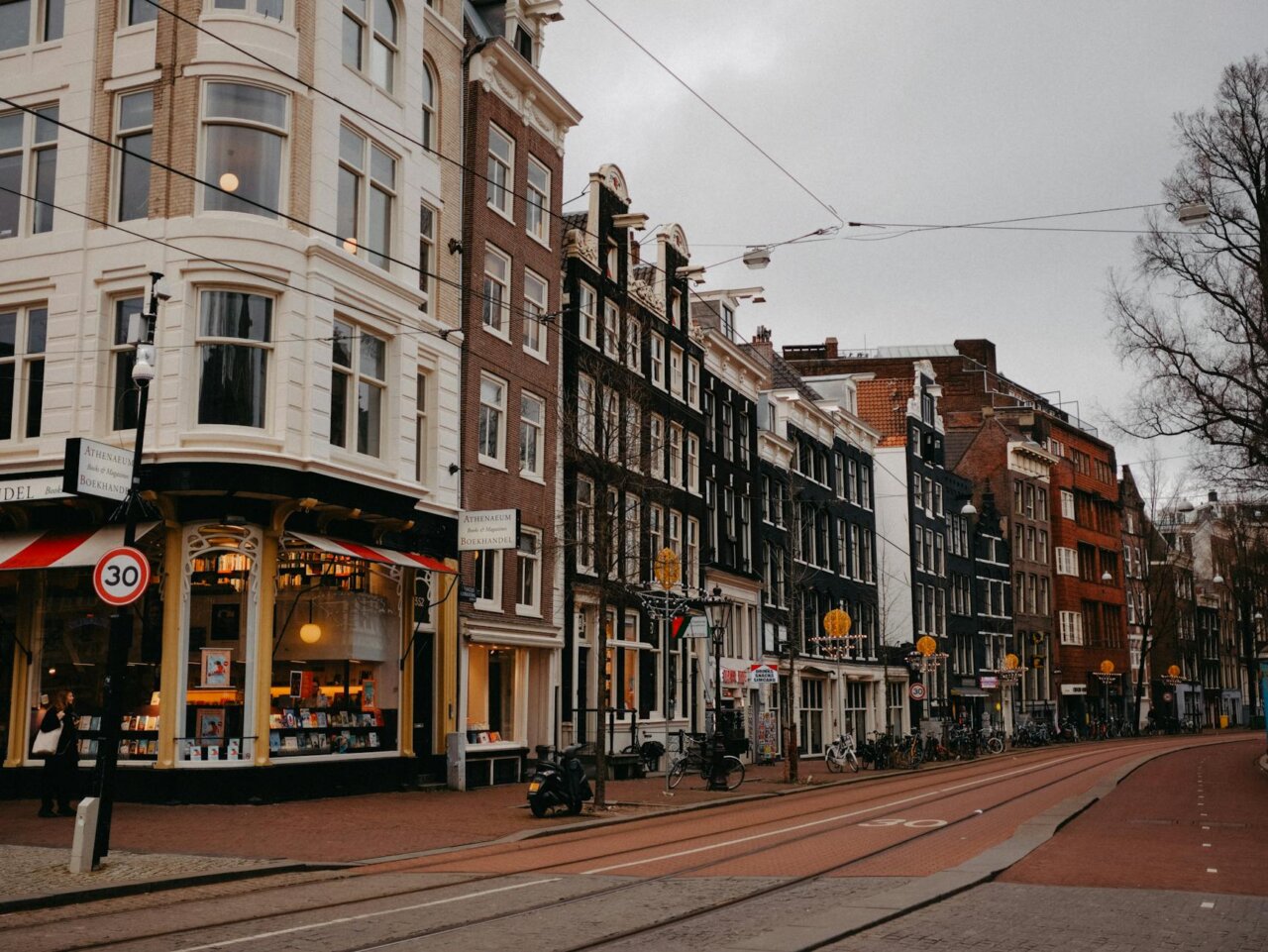
Frequently Asked Questions About Bicycle Advocacy
Future Directions for a Bike-Friendly World
As urban centers continue to grapple with congestion and pollution, the push for bike-friendly infrastructure is more relevant than ever. Advocates for cycling are not only promoting healthier lifestyles but also emphasizing the economic and environmental benefits of increased bike usage. A more bike-friendly world requires collaboration among city planners, policymakers, and communities to create sustainable transportation solutions.
Looking ahead, the integration of cycling into urban planning will be crucial. This involves not just the development of dedicated bike lanes but also the implementation of supportive policies that encourage cycling as a primary mode of transport. The future of urban mobility may well depend on how effectively cities can adapt to meet the needs of cyclists.
- Infrastructure Investment: Cities must prioritize the development of safe and accessible bike lanes to encourage cycling.
- Community Engagement: Involving local communities in planning processes can ensure that bike-friendly initiatives meet the needs of residents.
- Policy Support: Advocacy for policies that promote cycling, such as tax incentives for bike purchases and subsidies for bike-sharing programs, will be essential.
- Education and Awareness: Increasing public awareness about the benefits of cycling can lead to higher adoption rates and support for bike-friendly initiatives.
- Partnerships: Collaboration between governmental bodies, non-profits, and private sectors can enhance the effectiveness of bike-friendly projects.