


On September 20, 2023, U.S. Secretary of State Antony Blinken reiterated the U.S. commitment to promoting democracy in Venezuela during a speech at the United Nations General Assembly. He emphasized that the U.S. would continue to support opposition leaders and civil society groups, further straining diplomatic ties and prompting strong reactions from Caracas. For more on the U.S. stance on democracy, check out this article on Understanding The Climate Question and Its Implications.
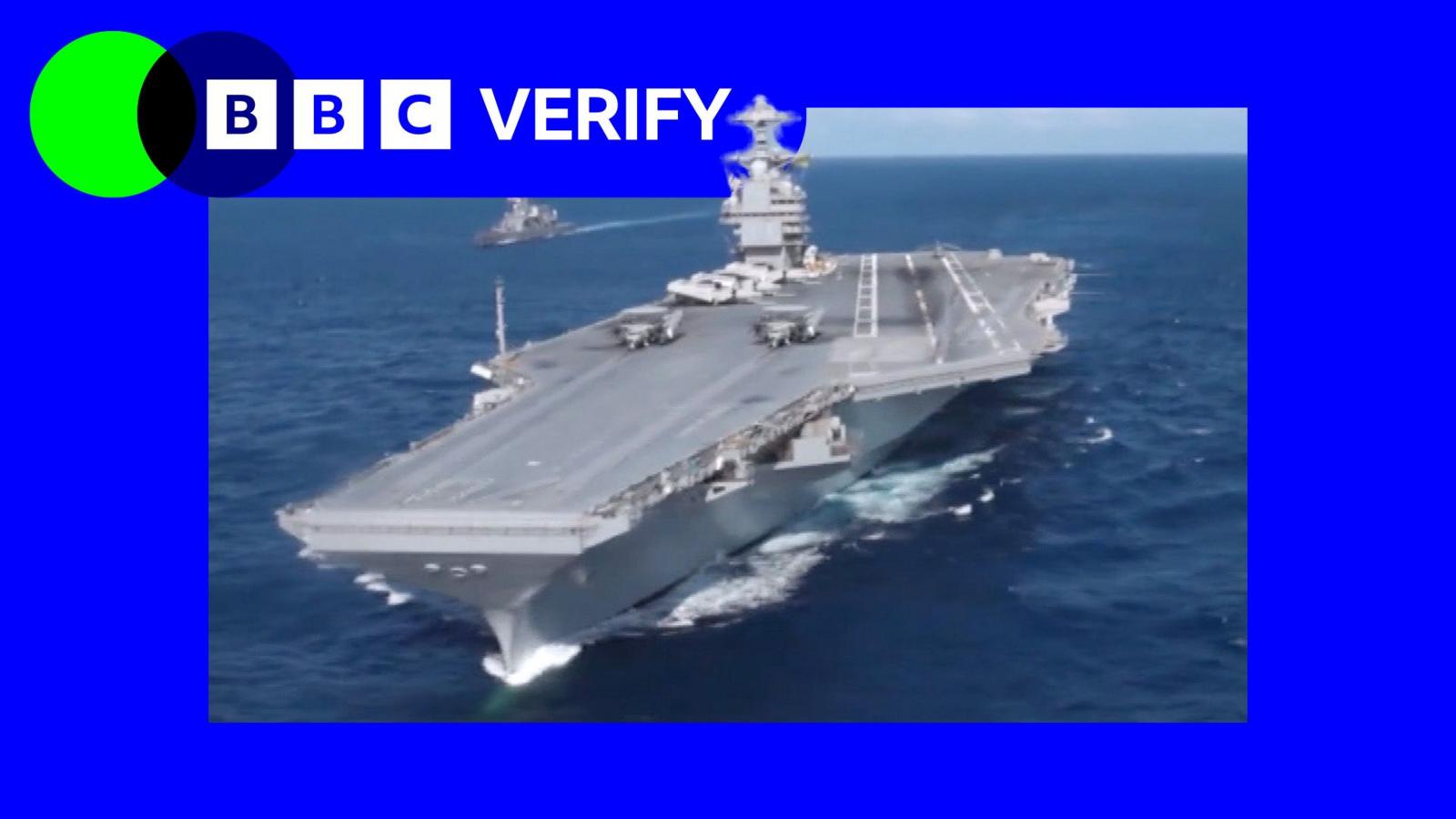
In response, the Venezuelan government has accused the U.S. of attempting to destabilize the country and has increased military readiness along its borders. Venezuelan officials have expressed fears of a potential invasion, particularly in light of recent U.S. military exercises in the Caribbean, which they view as provocative actions aimed at undermining Venezuela’s sovereignty.
Additionally, the geopolitical landscape has been complicated by the involvement of other nations. Russia and China have expressed their support for Venezuela, with both countries providing economic and military assistance, thereby increasing the stakes in any potential confrontation. As tensions escalate, analysts are closely monitoring the situation, as any miscalculation could lead to a broader regional conflict.
Historical background of US-Venezuela relations
The relationship between the United States and Venezuela has been complex and often contentious, shaped by a mix of political, economic, and social factors. Historically, the U.S. has maintained a significant influence in Latin America, with Venezuela being a focal point due to its vast oil reserves and strategic location. In the early 20th century, U.S. companies invested heavily in the Venezuelan oil industry, establishing a pattern of economic dependence that would influence bilateral relations for decades. You can learn more about the socio-political dynamics in this article about Concerns Over A.I..
During the Cold War, Venezuela was seen as a key ally against the spread of communism in Latin America. However, this dynamic shifted dramatically with the rise of Hugo Chávez in 1999. Chávez’s socialist policies and vocal opposition to U.S. interventionism marked a turning point in U.S.-Venezuela relations, leading to a series of diplomatic rifts. Chávez’s government sought to reduce U.S. influence in the region, forging alliances with countries like Cuba and Iran, which further exacerbated tensions.
Milestones in US-Venezuela relations
Several key events have shaped the trajectory of U.S.-Venezuela relations. In 2002, a short-lived coup against Chávez, which was briefly supported by the U.S., led to a deterioration of trust. Following Chávez’s death in 2013, Nicolás Maduro assumed power, continuing Chávez’s policies and further antagonizing the U.S. The imposition of sanctions by the U.S. in response to alleged human rights abuses and electoral fraud under Maduro’s regime marked a significant escalation in hostilities.
The economic crisis in Venezuela, characterized by hyperinflation and widespread shortages, has prompted the U.S. to take a more active role in the region. The U.S. has recognized opposition leader Juan Guaidó as the legitimate president, leading to increased tensions and the potential for military intervention. The ongoing humanitarian crisis in Venezuela has also drawn international attention, complicating the U.S. stance and raising questions about interventionist policies. For insights into how global events shape national interests, refer to Pope’s Visit to Turkey Aims to Bridge Christian Divides.
As the situation continues to evolve, the historical context of U.S.-Venezuela relations underscores the complexities involved. The interplay of economic interests, political ideologies, and social upheaval has created a volatile environment that raises concerns about the possibility of direct conflict in the future.
Key stakeholders and their interests in the conflict
In the complex landscape surrounding the potential for conflict between the United States and Venezuela, several key stakeholders emerge, each with distinct interests and motivations. The primary actors include the U.S. government, the Venezuelan government, regional Latin American countries, and international organizations.
The U.S. government, under the Biden administration, has shown a keen interest in addressing human rights violations and promoting democracy in Venezuela. This interest is coupled with strategic concerns about regional stability and the influence of adversarial nations, such as Russia and China, in Latin America. The U.S. aims to curb the flow of illegal drugs and migration, which are exacerbated by the Venezuelan crisis.
The Venezuelan government, led by President Nicolás Maduro, is focused on maintaining its hold on power amidst economic turmoil and international sanctions. Maduro’s administration seeks to portray itself as a bulwark against U.S. imperialism, rallying nationalistic sentiments to consolidate support. Additionally, Venezuela’s vast oil reserves play a crucial role in its geopolitical importance, attracting interest from various international actors.
- U.S. Interests: Promote democracy, combat drug trafficking, and limit adversarial influence.
- Venezuelan Interests: Maintain power, resist foreign intervention, and leverage oil resources.
- Regional Countries: Seek stability and may have varying responses based on their political alignments.
- International Organizations: Aim to mediate and provide humanitarian assistance while navigating geopolitical tensions.
Regional countries, such as Colombia and Brazil, have vested interests in the situation, as instability in Venezuela can lead to increased migration and security challenges. These nations may advocate for diplomatic solutions while also preparing for potential spillover effects of conflict. Additionally, international organizations like the United Nations and the Organization of American States are involved in monitoring the situation, emphasizing the need for humanitarian assistance and political dialogue.
In summary, the interplay of these stakeholders reveals a multifaceted conflict where legal, economic, and humanitarian issues converge. The potential for war involves not only military considerations but also the broader implications for regional and global stability, making it essential for all parties to navigate this complex landscape carefully.
Potential impacts on Venezuelan citizens and regional stability
The potential for increased tensions between the United States and Venezuela could have significant repercussions for Venezuelan citizens. As the situation escalates, everyday life may become more precarious for many. Economic instability could worsen, leading to shortages of essential goods such as food and medicine, which are already in limited supply.
In the short term, Venezuelan families may face heightened insecurity and anxiety due to potential military actions or sanctions. This could lead to increased migration as individuals seek safety and stability in neighboring countries. The influx of Venezuelan refugees could strain resources in those countries, particularly in Colombia and Brazil, which are already dealing with their own economic challenges.
Industries that rely on trade with the U.S., such as oil and agriculture, may experience immediate disruptions.
- Oil exports could face sanctions, crippling the Venezuelan economy.
- Agricultural sectors may suffer from reduced imports of necessary supplies.
- Local businesses may struggle due to increased prices and supply chain issues.
In the mid-term, the geopolitical landscape in Latin America could shift as countries align themselves with either the U.S. or Venezuela. This realignment may affect regional stability, leading to potential conflicts or alliances that could reshape trade and diplomatic relations. Additionally, the potential for renewed investment in Venezuela, should the political situation stabilize, could present opportunities for foreign businesses looking to enter the market.
While risks abound, there could also be opportunities for humanitarian aid organizations to provide support to affected populations. Increased international attention may lead to coordinated efforts aimed at alleviating the suffering of Venezuelan citizens, fostering a sense of global solidarity in the face of adversity.
A: The tensions stem from political disagreements, economic sanctions, and human rights concerns. The US has criticized Venezuela’s government, leading to a deterioration in diplomatic relations. A: As of now, the US has not engaged in direct military actions against Venezuela but has increased military presence in the region as a show of force. A: The international community is divided, with some countries supporting the US stance while others back the Venezuelan government, complicating diplomatic efforts. A: A conflict could exacerbate the humanitarian crisis in Venezuela, leading to increased displacement, food shortages, and further instability. A: A military conflict could strain US resources, impact relations with Latin American countries, and lead to significant geopolitical ramifications.
Frequently asked questions about US-Venezuela relations
Outlook on the future of US-Venezuela relations
The evolving dynamics between the United States and Venezuela are marked by a complex interplay of geopolitical interests, economic sanctions, and regional stability. As tensions rise, it is crucial to monitor the actions and rhetoric from both nations to understand potential shifts in policy and strategy. The current situation suggests that while direct military confrontation may not be imminent, the U.S. may continue to leverage diplomatic and economic tools to influence Venezuela’s internal affairs.
<pStakeholders should remain vigilant as developments unfold, particularly regarding U.S. alliances in Latin America and Venezuela's responses to external pressures. The implications of these interactions could have significant ramifications not only for bilateral relations but also for broader regional security and economic stability.
- Watch for changes in U.S. sanctions policy and their impact on Venezuela’s economy and governance.
- Monitor the involvement of regional allies and adversaries, as their positions could shift the balance of power.
- Pay attention to the humanitarian situation in Venezuela, as it may influence U.S. public opinion and policy decisions.
- Consider the potential for diplomatic engagements or negotiations, which could alter the current trajectory of conflict.
- Observe the role of international organizations and their responses to the crisis, as they may play a key role in mediating tensions.