


The decline in butterfly numbers is not just an environmental issue; it has far-reaching implications for ecosystems and agriculture. Butterflies play a crucial role as pollinators, and their decline can disrupt food chains and reduce crop yields, impacting food security for communities around the globe. For a more detailed look at the factors contributing to this decline, check out our article on butterfly species that are thriving.
In response to this crisis, conservationists are advocating for more sustainable agricultural practices and habitat restoration efforts. Initiatives such as the Butterfly Conservation’s “Save Our Butterflies” campaign aim to raise awareness and promote actions that can help reverse these trends.
Despite the overall decline, some butterfly species are showing resilience and adaptability. Species such as the Red Admiral and the Painted Lady have been reported in increasing numbers in various regions, suggesting that targeted conservation efforts can yield positive results. These species’ resilience highlights the importance of sustainable practices, which are further discussed in a related article on environmental conservation.
The environmental factors affecting butterflies
Butterflies have long been considered indicators of a healthy ecosystem, but their populations have been declining significantly over the past few decades. Various environmental factors contribute to this decline, including habitat loss, climate change, and pesticide use. Historically, urbanization and agricultural expansion have led to the destruction of natural habitats, making it increasingly difficult for butterflies to thrive.
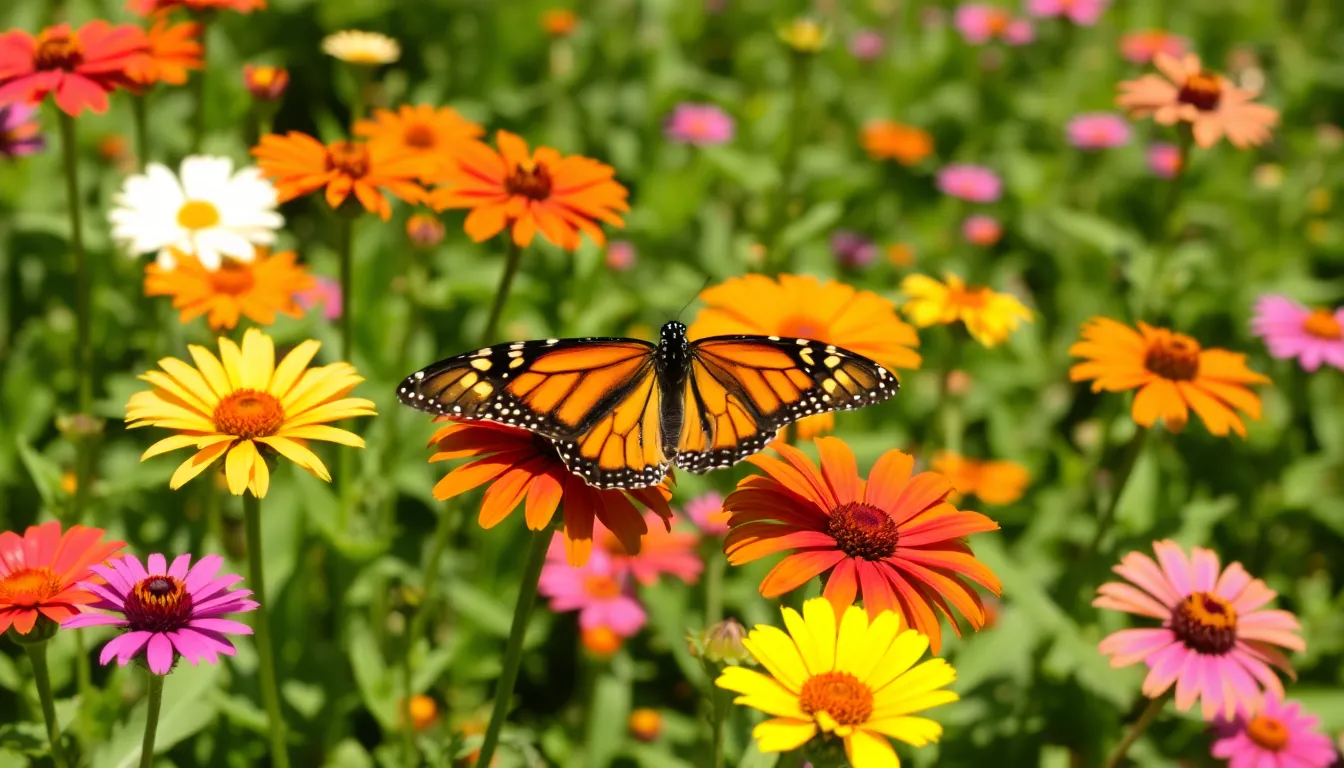
In the mid-20th century, the post-World War II agricultural boom introduced intensive farming practices that often disregarded the ecological balance. The widespread use of pesticides and herbicides not only targeted pests but also harmed non-target species, including beneficial insects like butterflies. As a result, many native butterfly populations experienced dramatic declines, leading to a ripple effect in the ecosystems they inhabit.
Climate Change and Its Impact
Climate change has further exacerbated the plight of butterflies by altering their habitats and migration patterns. Warmer temperatures can disrupt the timing of flowering plants, which are essential for butterflies’ survival as they rely on these plants for food. Additionally, extreme weather events, such as droughts and heavy rainfall, can destroy habitats and reduce food availability, making it even more challenging for butterfly populations to recover.
Despite these challenges, some butterfly species have shown resilience and adaptability. Conservation efforts focused on habitat restoration and sustainable agricultural practices are crucial to ensuring that these beautiful insects continue to grace our landscapes. Awareness of the factors contributing to their decline can help mobilize support for initiatives aimed at protecting both butterflies and their habitats.
Key stakeholders in butterfly conservation efforts
Butterfly conservation involves a diverse array of stakeholders, each with unique interests and motivations. Key actors include environmental organizations, governmental bodies, researchers, and local communities. These groups often have overlapping goals, such as preserving biodiversity and promoting sustainable practices, but they can also face conflicts arising from differing priorities and resource allocation.
Environmental organizations, such as the Xerces Society and the Butterfly Conservation, play a crucial role in advocacy and education. Their interests typically center around habitat preservation, public awareness campaigns, and funding for research initiatives. These organizations often collaborate with scientists to monitor butterfly populations and implement conservation strategies, but they may also encounter challenges in securing necessary funding and support from policymakers.
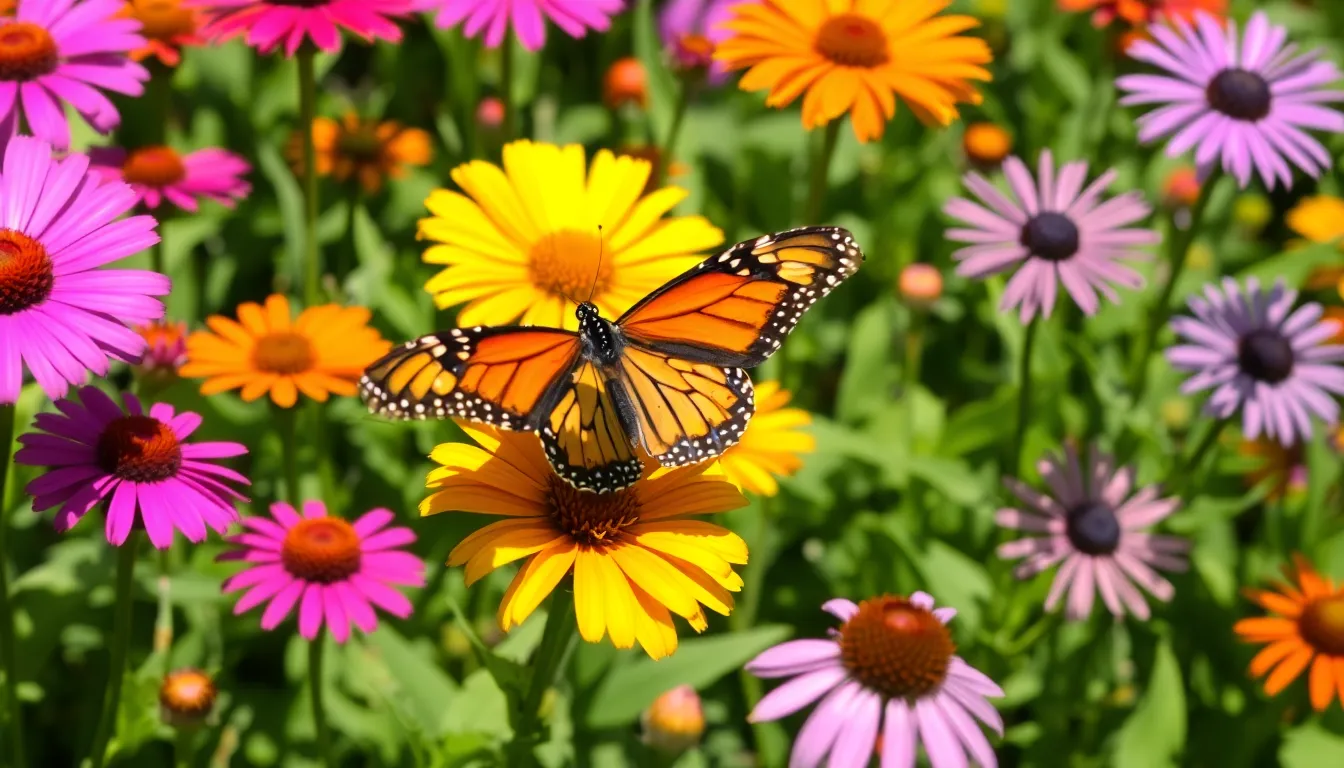
Government agencies at various levels are significant stakeholders, as they are responsible for enforcing environmental regulations and managing natural resources. Their interests often include balancing economic development with ecological preservation. Conflicts may arise when development projects threaten butterfly habitats, leading to tensions between conservationists and developers. Additionally, government policies may not always align with the latest scientific findings, complicating conservation efforts.
- Local communities: Residents living near butterfly habitats can influence conservation outcomes through their land-use practices.
- Researchers: Scientists studying butterfly populations contribute valuable data that inform conservation strategies but may face challenges in translating their findings into actionable policies.
- Private landowners: Their land management decisions can either support or hinder butterfly populations, depending on their willingness to adopt conservation-friendly practices.
- Tourism industry: Eco-tourism can provide economic incentives for conservation but may also lead to habitat degradation if not managed sustainably.
Trade-offs are often necessary in conservation efforts. For example, while protecting butterfly habitats may limit land development, it can also enhance local ecosystems and promote tourism. Understanding these dynamics is essential for stakeholders to navigate the complex landscape of butterfly conservation and work towards common goals. The implications of these trade-offs for various industries can be further explored in our coverage of agriculture and biodiversity issues.
How declining butterfly numbers affect ecosystems
The decline in butterfly populations has far-reaching consequences for various groups and industries, particularly those reliant on agriculture, tourism, and biodiversity conservation. Farmers may experience reduced pollination services, which can lead to lower crop yields and increased reliance on artificial pollination methods. This shift could raise production costs and impact food prices.
Regions with rich biodiversity, especially those that depend on butterflies as indicators of environmental health, may face challenges in maintaining their ecosystems. The loss of these pollinators can disrupt food webs and lead to a decline in plant species that rely on them for reproduction. This could result in a cascading effect on other wildlife that depend on these plants for habitat and food.
In the short term, communities that rely on butterfly tourism, such as those near butterfly reserves or gardens, may see a decrease in visitors. This could impact local economies that benefit from eco-tourism, leading to job losses and reduced income for businesses. However, there are also potential opportunities in promoting conservation efforts and creating awareness about the importance of butterflies in ecosystems.
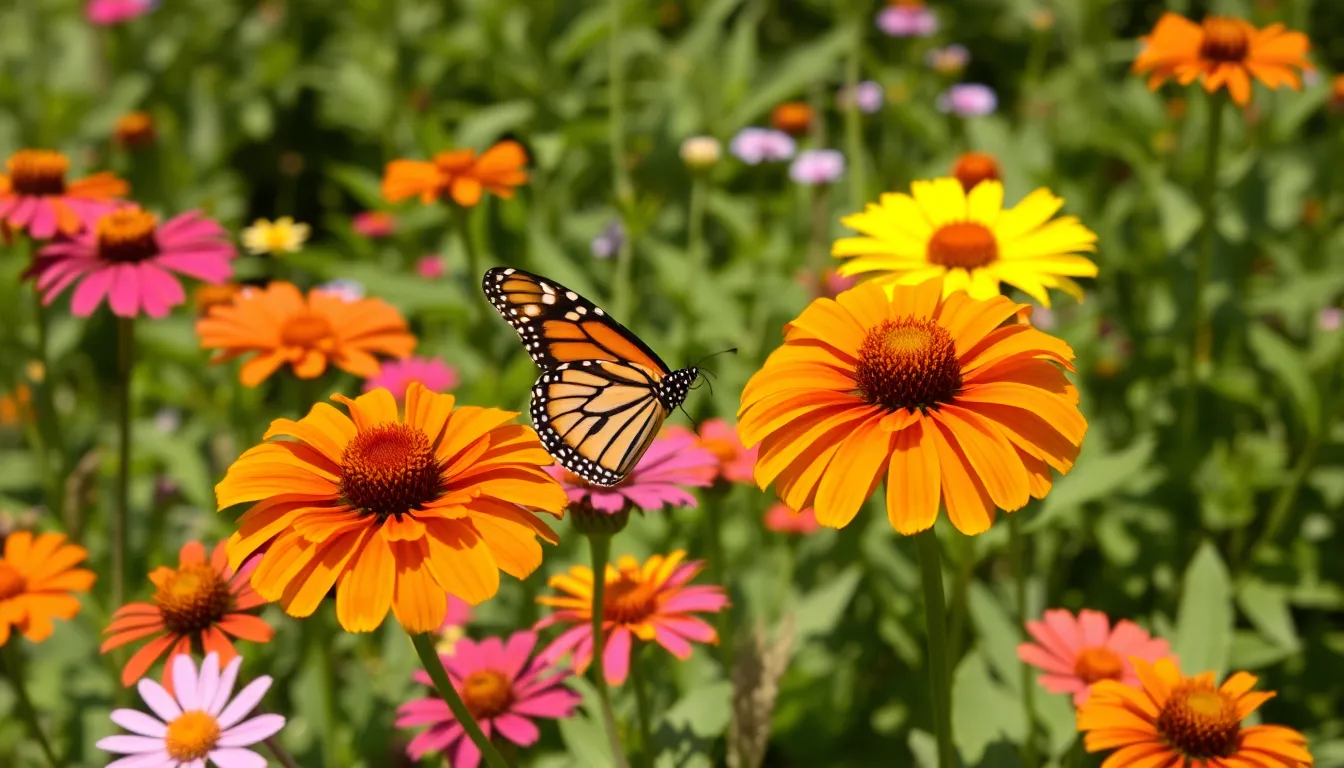
- Agricultural impact: Reduced pollination affecting crop yields.
- Economic consequences: Decrease in butterfly-related tourism revenue.
- Biodiversity loss: Disruption of food webs and plant reproduction.
- Conservation opportunities: Increased public interest in protecting butterfly habitats.
In the mid-term, policies aimed at preserving butterfly habitats could emerge, leading to new regulations and incentives for sustainable farming practices. This could benefit both the environment and farmers willing to adapt. Additionally, educational programs focused on butterflies might foster a new generation of conservationists, creating a cultural shift towards valuing biodiversity.
A: Butterfly populations are declining due to habitat loss, climate change, and pesticide use. These factors disrupt their breeding and feeding patterns. A: The five species that may be seen more often include the Eastern Tiger Swallowtail, Monarch, Painted Lady, Red Admiral, and Common Buckeye. A: You can help by planting native flowers, reducing pesticide use, and creating habitats that support butterflies in your garden. A: While many species are experiencing declines, some species are adapting and thriving in changing environments. A: Butterflies are important pollinators, helping to fertilize plants and support food chains in ecosystems.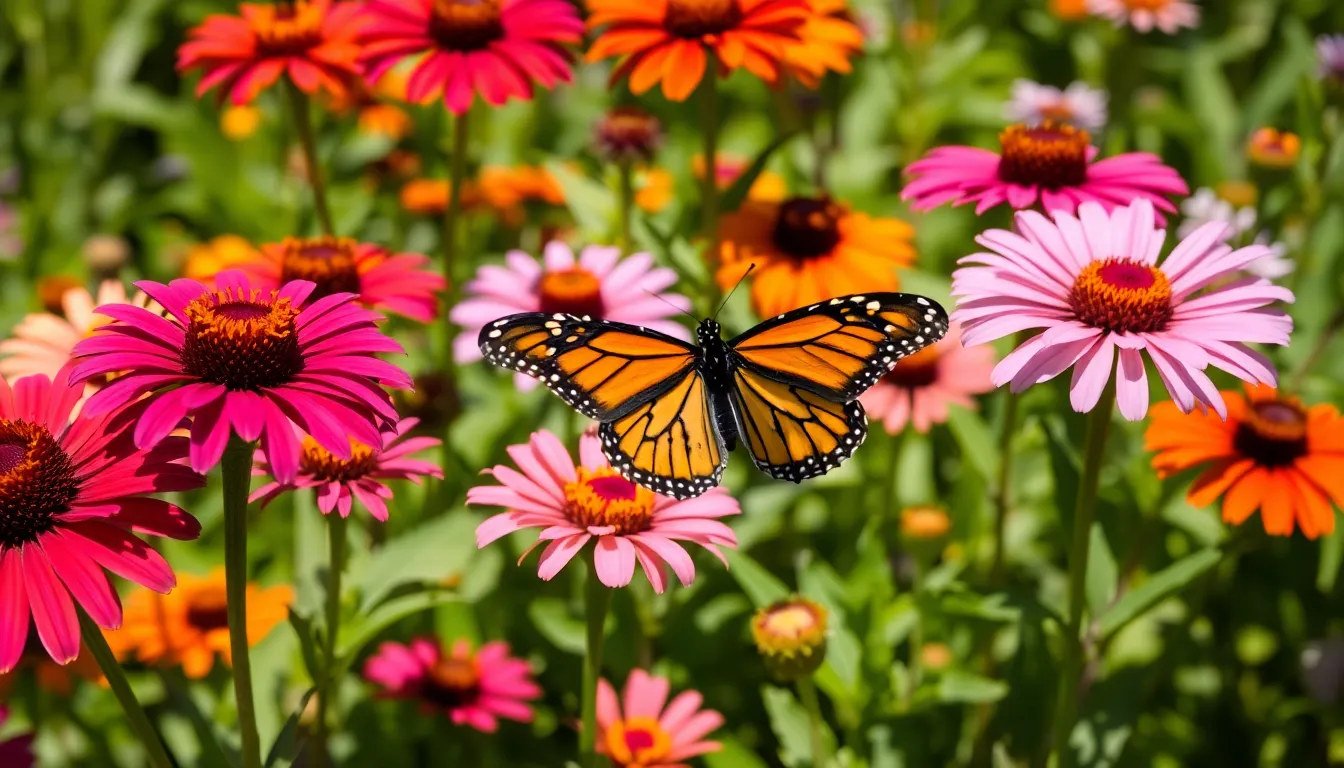
Frequently asked questions about butterflies
Looking ahead: the future of butterfly species
As butterfly populations face challenges due to habitat loss, climate change, and pesticide use, it is essential to recognize the species that may thrive in changing conditions. Understanding the dynamics of these resilient species can provide valuable insights into conservation efforts and ecosystem health. By fostering environments that support their growth, we can contribute to the overall biodiversity and stability of our ecosystems.
Monitoring butterfly populations will be crucial in the coming years. Engaging in citizen science projects and supporting local conservation initiatives can help track changes and promote healthy habitats. Additionally, awareness of the species that are adapting can guide future conservation strategies.
- Support local conservation efforts: Engage with organizations working to protect butterfly habitats.
- Plant native flora: Create gardens that attract and support resilient butterfly species.
- Participate in citizen science: Contribute to butterfly monitoring projects to track population changes.
- Stay informed: Follow research on butterfly species and their responses to environmental changes.
- Advocate for sustainable practices: Promote pesticide reduction and habitat preservation in your community.