


According to a report published by the International Union for Conservation of Nature (IUCN) in 2021, approximately 40% of butterfly species are currently at risk of extinction. Specific events, such as urban development and agricultural expansion, have led to the fragmentation of habitats, making it increasingly difficult for butterflies to thrive. The alarming statistics highlight the urgency of conservation efforts to protect these vital insects, a topic that resonates with the ongoing discussion about other pollinators at risk.
Despite the overall decline, there are certain butterfly species that are adapting and may be observed more frequently in various regions. Species such as the Red Admiral and the Common Buckeye have shown resilience and are becoming more prevalent in some areas, potentially due to their ability to exploit new habitats and food sources. Understanding these trends can provide insights into the changing dynamics of butterfly populations and the broader environmental implications, shedding light on the effects of climate change akin to those seen in the mental health impacts of environmental factors.
Conservation organizations are actively working to address the challenges faced by butterflies through habitat restoration projects and public awareness campaigns. These initiatives aim to create butterfly-friendly environments and encourage community involvement in conservation efforts. By fostering a deeper appreciation for these insects, stakeholders hope to inspire action that will halt or reverse the decline in butterfly populations.
The environmental factors affecting butterflies
Butterflies, often seen as symbols of beauty and transformation, are experiencing significant declines in their populations across the globe. This decline can be attributed to a combination of environmental factors, including habitat loss, climate change, pesticide use, and urbanization. Historically, the expansion of agricultural practices and urban development has led to the destruction of natural habitats, which are essential for the survival of many butterfly species.
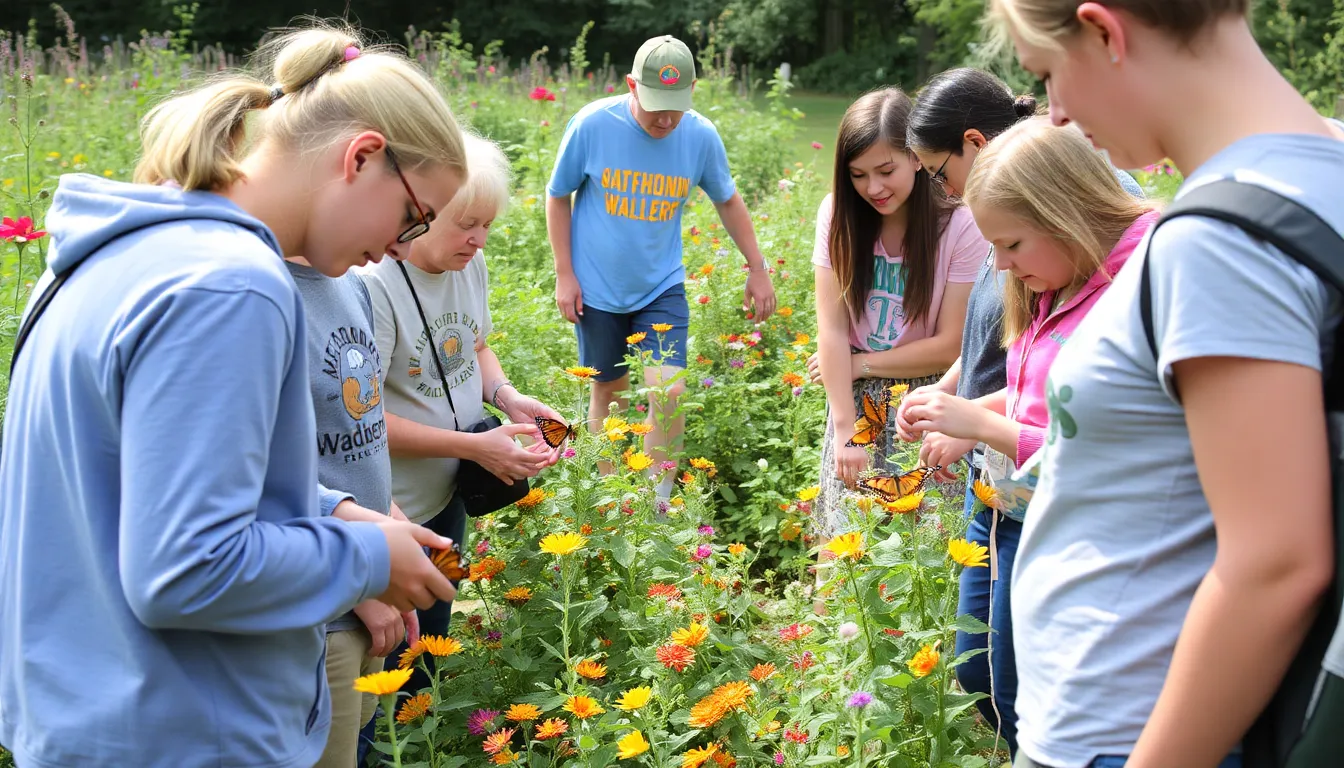
In the early 20th century, butterflies thrived in diverse ecosystems, benefiting from a variety of natural habitats. However, as industrialization progressed, large swathes of land were converted for farming and housing. The introduction of monoculture farming practices further exacerbated the issue, diminishing the diversity of flora that butterflies depend on for food and reproduction. The loss of native plants has been particularly detrimental, as many butterfly species have specialized diets that rely on specific host plants.
The impact of climate change
Climate change has emerged as another critical factor affecting butterfly populations. Rising temperatures and shifting weather patterns disrupt the delicate balance of ecosystems, altering the timing of flowering plants and the lifecycle of butterflies. For instance, if plants bloom earlier due to warmer temperatures, butterflies that rely on them may find themselves without food when they emerge from their chrysalises. This misalignment can lead to decreased survival rates and lower reproductive success.
Moreover, the use of pesticides in agriculture has had a profound impact on butterfly populations. Chemicals designed to control pests often do not discriminate between harmful insects and beneficial species like butterflies. The widespread application of these substances has led to significant declines in butterfly numbers, as they are exposed to toxic environments that hinder their ability to thrive, a concern that parallels the dangers facing health products in the ecosystem.
Despite these challenges, some butterfly species are showing resilience and adaptability in changing environments. Conservation efforts, habitat restoration, and public awareness campaigns are crucial in reversing the trend of declining populations. By understanding the historical and environmental context of butterfly numbers, we can better appreciate the importance of protecting these vital pollinators and the ecosystems they support.
Key stakeholders in butterfly conservation efforts
Butterfly conservation involves a variety of stakeholders, each with distinct interests and roles. Among the primary actors are government agencies, environmental organizations, researchers, and local communities. These stakeholders often collaborate to address the challenges posed by declining butterfly populations while also navigating differing priorities and resource constraints.
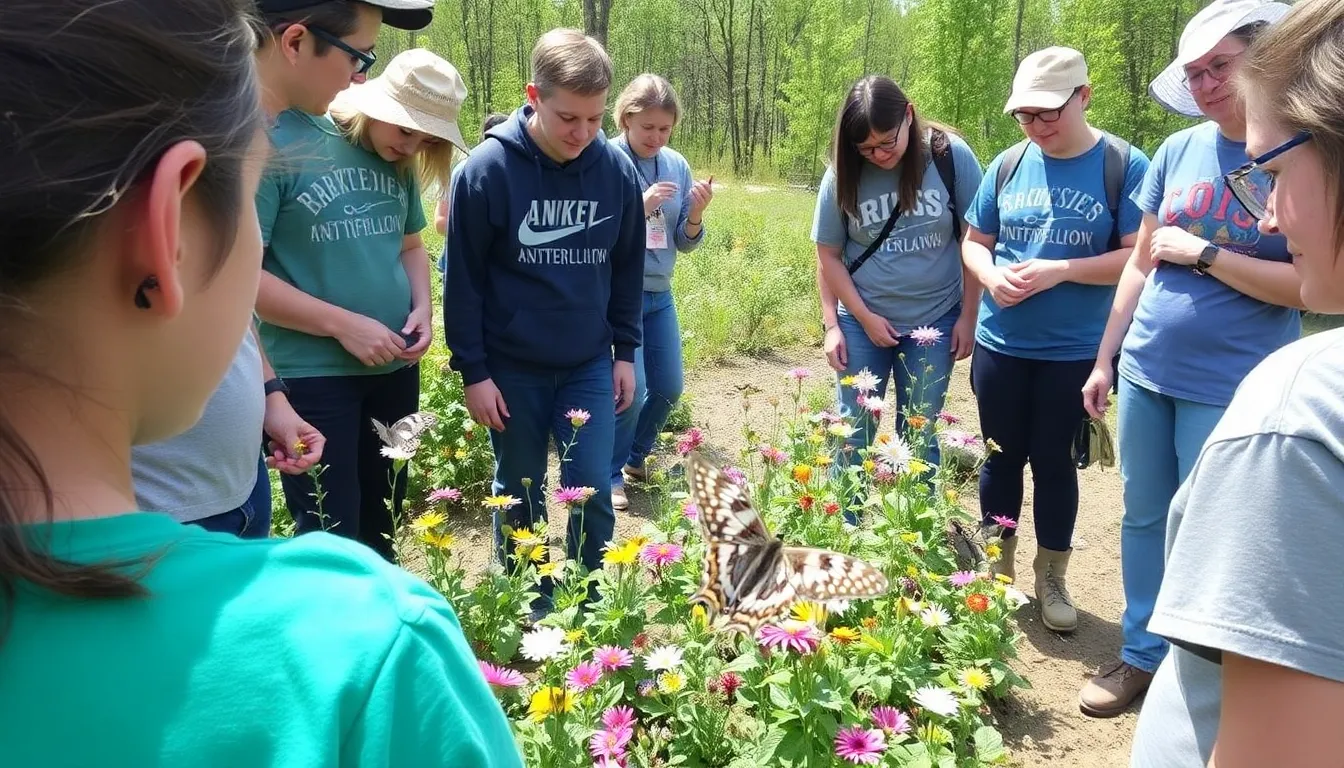
Government agencies, such as the U.S. Fish and Wildlife Service, are responsible for enforcing environmental regulations and protecting endangered species. Their interest lies in maintaining biodiversity and ensuring compliance with laws like the Endangered Species Act. However, these agencies may face conflicts with agricultural and industrial sectors that prioritize land use for economic development over conservation efforts.
Environmental organizations, including the Xerces Society and the Butterfly Conservation, advocate for habitat preservation and restoration. They often engage in public awareness campaigns and lobbying efforts to influence policy decisions. These organizations may encounter trade-offs when balancing the needs of local communities, who may rely on land for agriculture or housing, against the necessity of protecting butterfly habitats.
- Research Institutions: Academic and research organizations contribute valuable data on butterfly populations and their ecosystems, which can inform conservation strategies.
- Local Communities: Residents living in areas with butterfly habitats can either support conservation efforts or resist them due to economic interests, leading to potential conflicts.
- Private Landowners: Their land management practices can significantly impact butterfly populations, making their cooperation crucial for successful conservation initiatives.
Economic issues also play a critical role in butterfly conservation. Funding for conservation projects often comes from government grants, donations, and fundraising efforts. Limited financial resources can hinder the implementation of effective strategies, leading to competition among stakeholders for funding and support. Additionally, the potential economic benefits of ecotourism related to butterfly watching can create incentives for conservation, yet these benefits must be balanced against the need to protect natural habitats from overexploitation.
Who is affected by the decline in butterfly numbers
The decline in butterfly populations has far-reaching implications for various groups, industries, and regions. Primarily, ecological researchers and conservationists are significantly impacted as they strive to understand the causes and consequences of these declines. The loss of butterfly diversity can disrupt ecosystems, affecting not only the butterflies themselves but also the myriad species that rely on them for food and pollination.
Farmers and agricultural industries are also affected, particularly those reliant on pollination for crops. Butterflies, along with other pollinators, play a crucial role in the pollination of many fruits and vegetables. A decline in butterfly populations could lead to reduced crop yields, which may result in increased prices and economic strain for farmers. This could also lead to a greater reliance on artificial pollination methods, impacting the agricultural landscape.
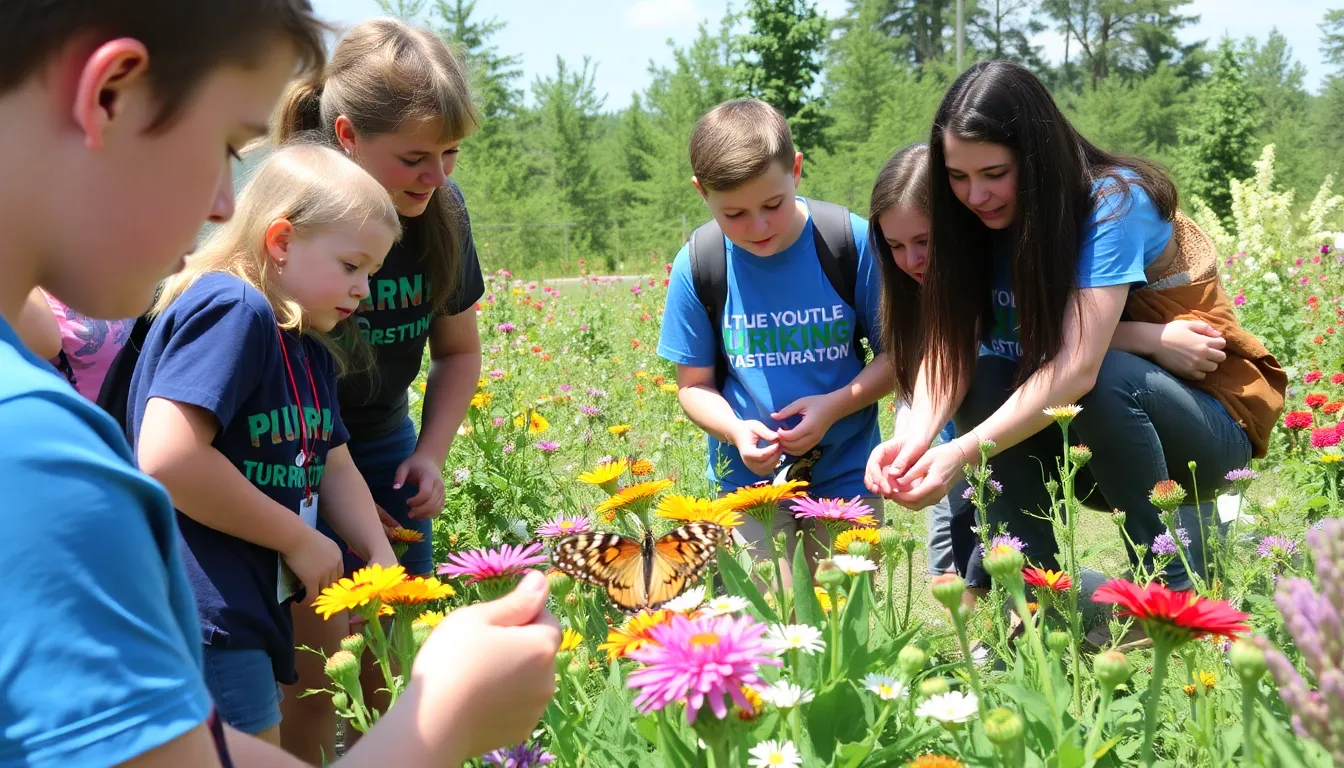
Urban areas may see shifts in local biodiversity as well. With fewer butterflies, the aesthetic and recreational value of parks and gardens may diminish, affecting tourism and local businesses that thrive on nature-based activities. Additionally, communities that prioritize biodiversity may face challenges in maintaining their green spaces, leading to policy shifts aimed at conservation efforts.
- Short-term impacts: Increased food prices due to reduced crop yields.
- Mid-term impacts: Policy changes promoting conservation and sustainable practices.
- Risks: Loss of biodiversity affecting ecosystem services.
- Opportunities: Growth in eco-tourism and conservation-related businesses.
Moreover, educational institutions and environmental organizations may find new opportunities to engage the public through awareness campaigns and conservation programs. This could foster a greater appreciation for biodiversity and encourage community involvement in protecting local ecosystems. As society becomes more aware of these issues, there may be a push for more sustainable practices that could benefit both the environment and the economy.
A: Butterfly numbers are declining due to habitat loss, climate change, and pesticide use. These factors disrupt their breeding and feeding patterns. A: The five species that are becoming more common include the Eastern Tiger Swallowtail, Monarch, Painted Lady, Red Admiral, and Common Buckeye. A: You can help by planting native flowers, reducing pesticide use, and creating butterfly-friendly habitats in your garden. A: Yes, many organizations run conservation programs aimed at protecting butterfly habitats and educating the public about their importance. A: Butterflies are important pollinators and serve as indicators of a healthy environment, making their presence vital for ecosystem balance.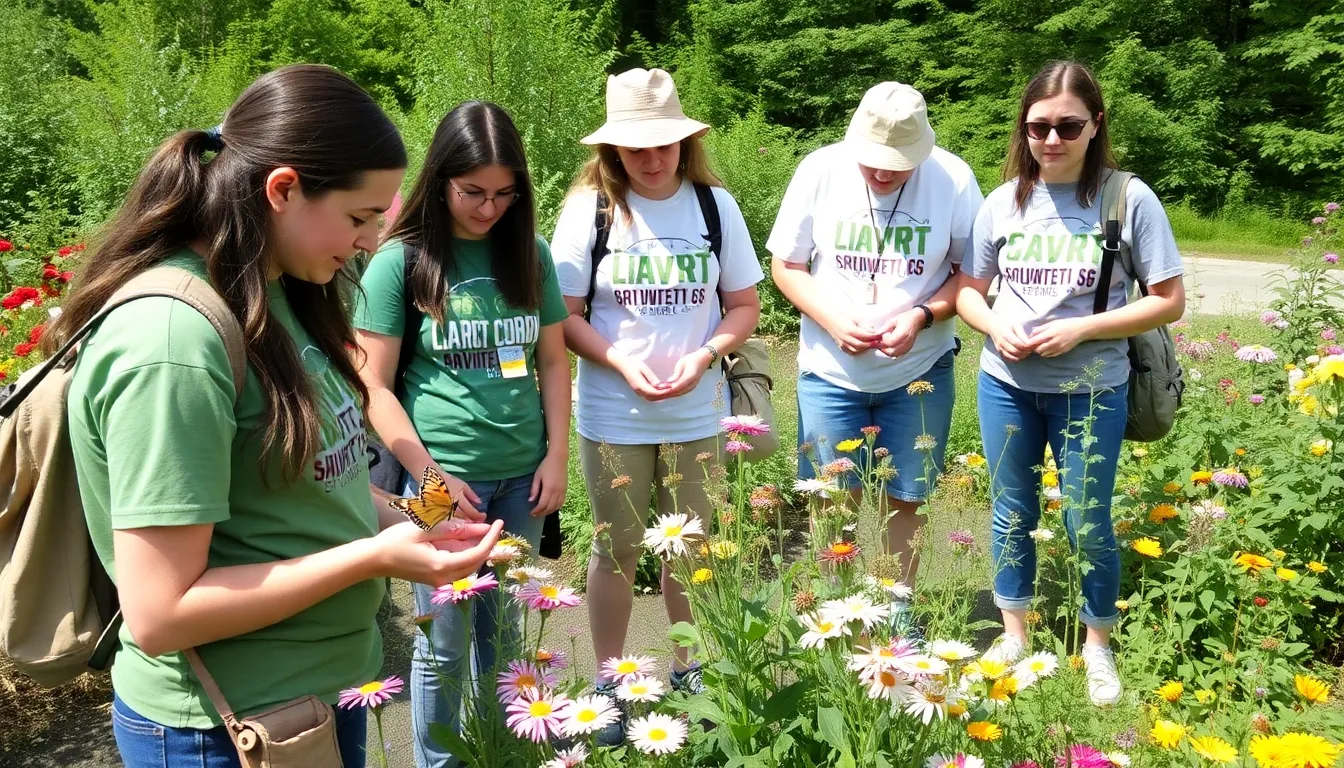
Frequently asked questions about butterflies
Future outlook on butterfly populations and conservation
The decline in butterfly numbers highlights a pressing need for conservation efforts, yet there are signs of resilience among certain species. By focusing on the butterflies that are adapting well to changing environments, we can gain insights into effective conservation strategies. Understanding the factors that contribute to the success of these species may provide a roadmap for protecting more vulnerable populations.
As we look ahead, it is essential to monitor habitat changes, climate impacts, and conservation initiatives that can influence butterfly populations. Engaging communities in conservation efforts and promoting biodiversity will be crucial in ensuring a balanced ecosystem where both common and rare species can thrive.
- Monitor local butterfly populations: Keep track of sightings to understand which species are thriving and where.
- Support habitat restoration: Engage in or support projects that restore natural habitats to benefit butterfly populations.
- Educate communities: Raise awareness about the importance of butterflies in ecosystems and encourage participation in conservation efforts.
- Adapt gardening practices: Plant native flowers and reduce pesticide use to create butterfly-friendly environments.
- Advocate for policies: Support local and national policies aimed at protecting butterfly habitats and addressing climate change.