


The impact of this pollution is profound, as these underwater forests play a crucial role in carbon sequestration and providing habitat for marine life. Seagrass meadows are known to store carbon up to 35 times faster than tropical rainforests, making their health vital in the fight against climate change. The decline of these habitats could therefore have significant implications for biodiversity and climate resilience. For more information on the importance of underwater ecosystems, check out our article on latest tech trends.
In recent years, several high-profile incidents have highlighted the issue, including the discharge of untreated sewage by water companies during heavy rainfall. The Environment Agency reported that over 400,000 hours of sewage were released into UK waters in 2022 alone, raising concerns among environmentalists and local communities about the long-term effects on marine ecosystems.
Moreover, agricultural practices continue to contribute to the problem, with fertilizers and pesticides washing into waterways and ultimately reaching the ocean. A 2022 study indicated that agricultural runoff is responsible for a significant increase in nutrient levels in coastal waters, exacerbating the decline of underwater vegetation and leading to harmful algal blooms.
As policymakers and environmental groups push for stricter regulations and better management practices, the urgency to address these issues has never been greater. The ongoing degradation of underwater forests not only threatens marine biodiversity but also undermines the health of coastal communities that rely on these ecosystems for their livelihoods.
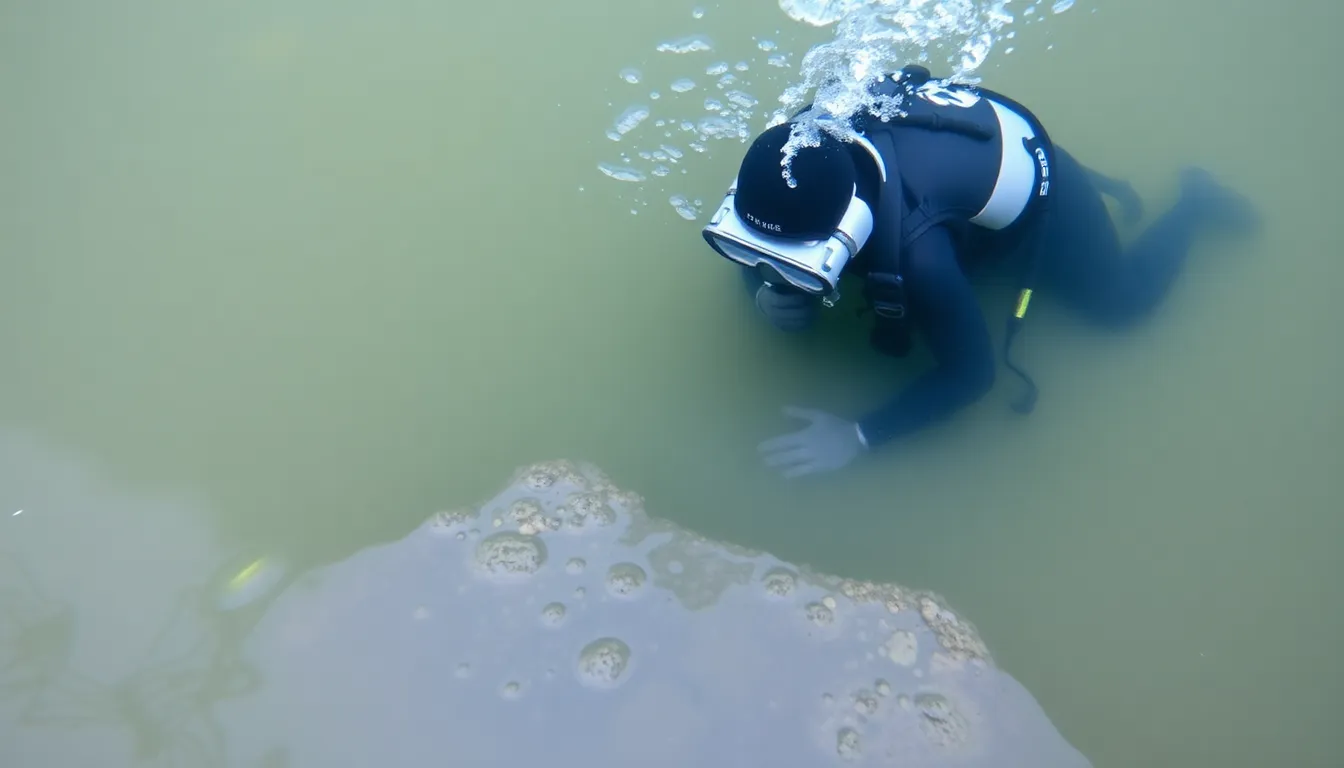
Understanding the historical context of underwater forests in the UK
Underwater forests, primarily composed of kelp and seagrass, have long been an integral part of the UK’s marine ecosystem. Historically, these underwater habitats flourished along the coastline, providing essential services such as carbon sequestration, coastal protection, and habitats for diverse marine life. However, the health of these ecosystems has been compromised over the years due to various anthropogenic factors that mirror the challenges highlighted in the article about Ferguson.
The industrial revolution marked a significant turning point in the relationship between human activity and the marine environment. As industries expanded, so did the discharge of untreated sewage and agricultural runoff into coastal waters. This pollution introduced excess nutrients, leading to algal blooms that suffocate underwater forests and disrupt the delicate balance of marine ecosystems, a situation that continues to unfold like consumer trends discussed in our feature on television’s launch.
Key milestones in environmental policy
In response to growing concerns about marine pollution, the UK government has implemented several policies aimed at protecting marine environments. The Clean Water Act of 1974 was one of the first legislative efforts to regulate wastewater discharge, yet enforcement and compliance have often lagged behind. More recently, the Marine and Coastal Access Act of 2009 sought to enhance the management of marine resources, but challenges remain in addressing the cumulative impacts of pollution on underwater forests.
Moreover, public awareness and activism have played a crucial role in highlighting the plight of underwater ecosystems. Campaigns led by environmental organizations have pushed for stricter regulations on agricultural practices and better sewage treatment facilities. Despite these efforts, the ongoing challenges of climate change and increasing coastal development continue to threaten the resilience of these vital underwater forests.
As the UK grapples with the dual challenges of pollution and climate change, understanding the historical context of underwater forests is essential for developing effective conservation strategies. The interplay of historical practices, regulatory frameworks, and societal awareness shapes the current landscape, underscoring the urgent need for a collective response to protect these invaluable marine habitats.
Key stakeholders and their roles in addressing pollution issues
In the ongoing struggle against sewage and agricultural pollution affecting the UK’s underwater forests, several key stakeholders play vital roles. These include government bodies, environmental organizations, agricultural sectors, and local communities. Each group has distinct interests and responsibilities that shape the approach to mitigating pollution.
The UK government, particularly through the Environment Agency and local councils, is responsible for regulating water quality and enforcing environmental laws. Their primary interest lies in ensuring compliance with EU directives and national legislation aimed at protecting aquatic ecosystems. However, budget constraints and competing priorities often lead to conflicts between regulatory enforcement and agricultural interests.
Environmental organizations, such as the Marine Conservation Society and the Wildlife Trusts, advocate for the protection of marine environments. They aim to raise awareness about the detrimental effects of pollution on underwater forests. Their efforts often focus on lobbying for stricter regulations and promoting sustainable practices among farmers, which can sometimes result in tension with agricultural stakeholders.
- Agricultural sector: Farmers and agribusinesses may resist regulations that they perceive as threatening their livelihoods. They advocate for practices that maintain productivity while minimizing environmental impact.
- Local communities: Residents in coastal areas are directly affected by pollution, as it impacts their health, livelihoods, and recreational activities. Their interests often align with environmental groups, pushing for cleaner waters.
- Scientific community: Researchers and universities contribute to understanding the ecological impact of pollution and developing innovative solutions. Their findings can influence policy decisions but may face challenges in being translated into actionable measures.
Conflicts often arise due to differing priorities among these stakeholders. For instance, agricultural practices that enhance crop yield can lead to increased runoff of fertilizers and pesticides, exacerbating pollution. This presents a significant trade-off between economic interests and environmental sustainability. Legal frameworks, such as the Water Framework Directive, aim to balance these interests but can be complex and slow to implement, leading to frustration among activists and local communities.
The environmental and economic impacts of pollution on marine life
The alarming rise in sewage and agricultural pollution is significantly affecting various groups across the UK. Coastal communities, particularly those reliant on fishing and tourism, are facing immediate threats to their livelihoods. The farming industry, while contributing to pollution, also finds itself in a complex position as regulations tighten and public scrutiny increases.
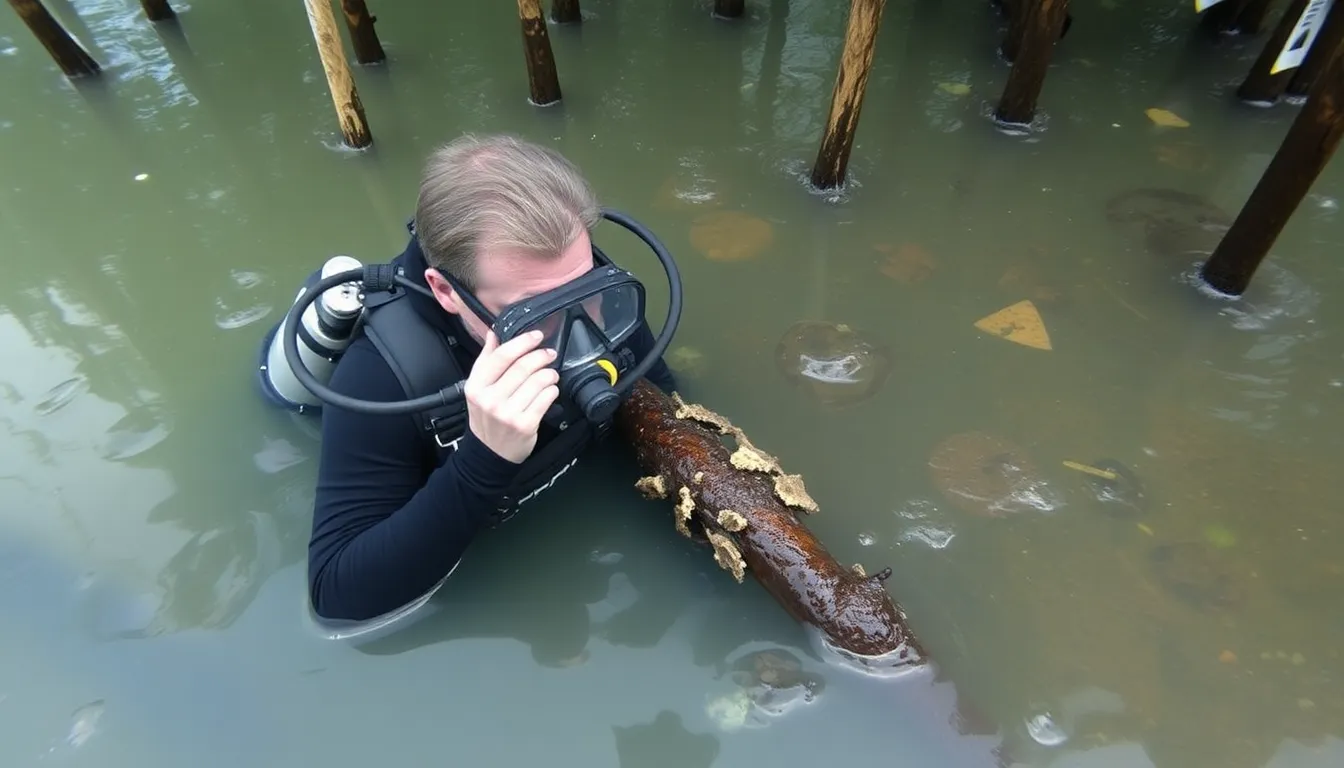
Regions with rich marine biodiversity, such as the Cornwall coast and the Scottish Highlands, are experiencing a decline in underwater forests, which are crucial for maintaining ecosystem balance. This degradation not only threatens marine species but also disrupts local economies that depend on healthy marine environments.
Short-term impacts include a decline in fish populations, leading to reduced catches for fishermen and increased prices for consumers. In the mid-term, businesses in the tourism sector may see a drop in visitors, as polluted waters deter outdoor activities such as diving and swimming. Additionally, local governments may face pressure to implement stricter regulations, which could lead to increased operational costs for both agricultural and fishing industries.
- Decline in fish stocks affecting local fisheries
- Increased operational costs due to regulatory changes
- Potential decrease in tourism revenue
- Public health risks from polluted waters
However, this situation also presents opportunities for innovation and investment. The push for cleaner practices could lead to advancements in sustainable farming techniques and wastewater management systems. Additionally, businesses that adapt to these changes may find new markets for eco-friendly products and services, promoting a healthier relationship with the environment.
A: Underwater forests primarily consist of kelp and other marine vegetation that provide habitat for various marine species. They play a crucial role in maintaining biodiversity and supporting marine ecosystems. A: Sewage pollution introduces harmful nutrients and pathogens into the water, leading to algal blooms that can suffocate underwater vegetation. This disrupts the balance of marine ecosystems and threatens species that rely on these habitats. A: Agricultural pollution mainly comes from runoff containing fertilizers, pesticides, and animal waste. These substances can contaminate waterways, contributing to the decline of underwater forests. A: Various initiatives are underway, including stricter regulations on waste disposal and agricultural practices. Conservation groups are also working to restore affected underwater habitats. A: Individuals can help by reducing their use of fertilizers, properly disposing of waste, and supporting local conservation efforts aimed at protecting marine environments.
Frequently asked questions about underwater forest pollution
Future outlook and key points on underwater forest conservation
The alarming impact of sewage and agricultural pollution on the UK’s underwater forests calls for immediate attention and action. As these vital ecosystems face increasing threats, understanding the implications of pollution on marine biodiversity and coastal protection becomes crucial. The health of underwater forests not only supports marine life but also plays a significant role in carbon sequestration and mitigating climate change effects.
Addressing these challenges will require a multifaceted approach that involves collaboration among policymakers, environmental organizations, and local communities. Monitoring water quality, implementing sustainable agricultural practices, and enhancing wastewater management systems are essential steps toward preserving these underwater habitats for future generations.
- Increased monitoring: Regular assessments of water quality and pollution levels will be critical in identifying problem areas and tracking improvements over time.
- Sustainable agricultural practices: Encouraging farmers to adopt environmentally friendly practices can significantly reduce runoff and its impact on marine ecosystems.
- Community engagement: Raising awareness and involving local communities in conservation efforts can foster a sense of stewardship and responsibility toward underwater forests.
- Policy reform: Advocating for stronger regulations on sewage discharge and agricultural runoff can help protect these vital ecosystems.
- Research and innovation: Investing in new technologies and research initiatives can lead to more effective solutions for mitigating pollution and restoring underwater habitats.