


On October 15, 2023, a new wellbeing garden was officially opened in the heart of the community, designed specifically to provide a tranquil space for individuals to gather, socialize, and engage in gardening activities. This initiative, led by the Community Health Alliance, aims to foster connections among residents while promoting mental wellness through nature-based interactions. For more related insights on community engagement, visit here.
The garden features a variety of plants, seating areas, and communal spaces where residents can participate in workshops and events. Local volunteers and mental health professionals have collaborated to create programming that encourages participation and builds relationships among community members. This effort highlights the importance of outdoor spaces in combating feelings of loneliness.
As the community navigates the ongoing challenges of isolation, the wellbeing garden serves as a vital resource, offering not just a physical space but also a sense of belonging. By investing in such initiatives, local leaders hope to cultivate a more connected and supportive environment for all residents.
Understanding the need for wellbeing spaces
In recent years, the issue of social isolation has gained increasing attention, particularly as communities grapple with the long-term effects of the COVID-19 pandemic. The lockdowns and social distancing measures implemented worldwide highlighted the detrimental impact of isolation on mental health, prompting a renewed focus on creating spaces that foster connection and community support. Wellbeing gardens have emerged as a vital solution to combat these feelings of loneliness and disconnection.
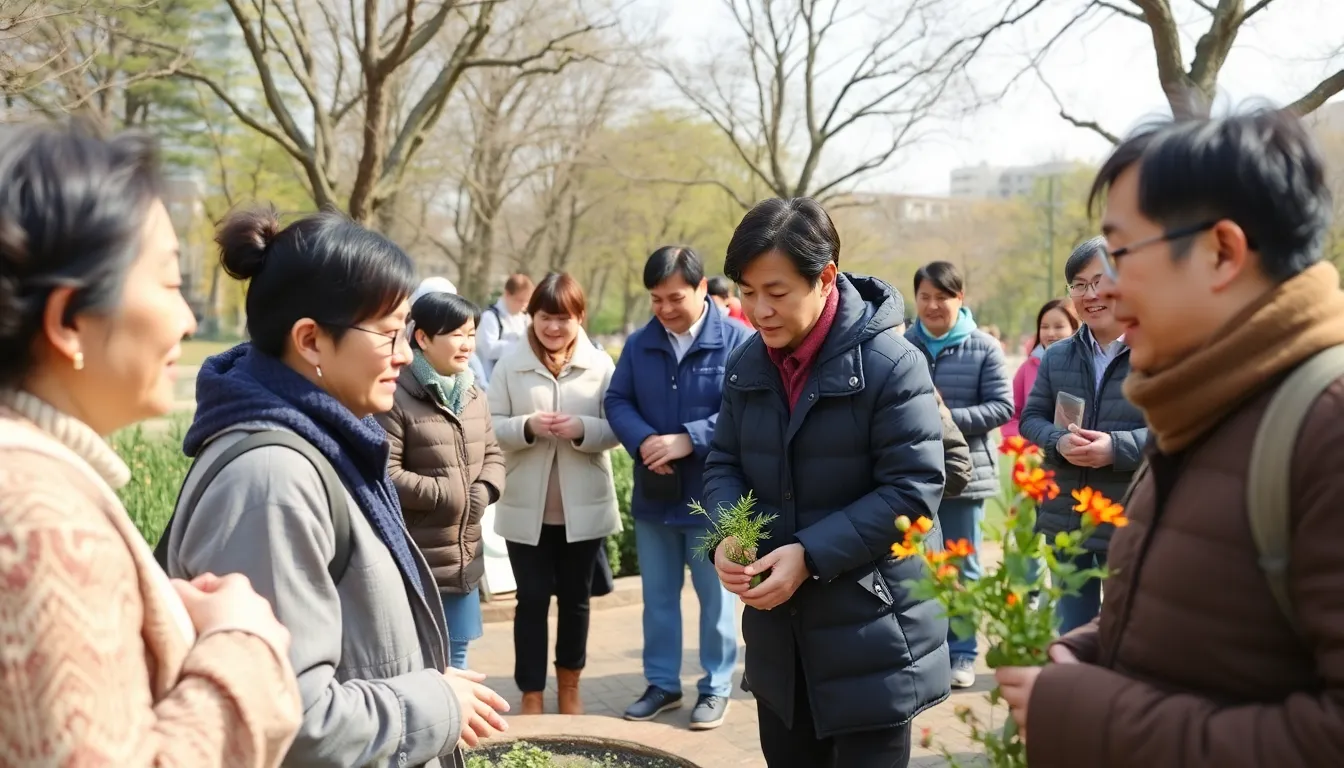
The concept of wellbeing gardens is rooted in the understanding that nature has a profound impact on mental health. Research has shown that spending time in green spaces can reduce stress, enhance mood, and promote overall wellbeing. Historically, community gardens have served as gathering places, providing not just food but also a sense of belonging. The modern iteration of these spaces seeks to expand on this idea, offering a holistic approach to mental health by integrating therapeutic gardening practices, much like the initiatives discussed in this article.
The Role of Policy and Community Initiatives
Government policies and community initiatives have played a crucial role in the establishment of wellbeing gardens. In many regions, local governments have recognized the need for mental health resources and have allocated funding for community wellness projects. These initiatives often involve collaboration with mental health organizations, horticultural therapists, and community volunteers, creating a multifaceted approach to tackling isolation.
Key milestones in this movement include the establishment of various pilot projects that have demonstrated the effectiveness of wellbeing gardens in reducing feelings of isolation. For instance, several cities have reported positive outcomes from community gardening programs that not only provide therapeutic benefits but also encourage social interactions among participants. As more evidence emerges, the push for integrating wellbeing spaces into urban planning continues to gain momentum, paralleling the discussions on urban solutions seen in another context.
Ultimately, the rise of wellbeing gardens reflects a broader societal shift towards prioritizing mental health and community engagement. As cities evolve and adapt to the challenges posed by modern life, these spaces offer a beacon of hope, fostering connections and promoting a sense of community in an increasingly fragmented world.
Key stakeholders involved in the garden project
The opening of the wellbeing garden has brought together a diverse group of stakeholders, each with unique interests and motivations. Local government authorities, community organizations, mental health advocates, and residents are all playing pivotal roles in the development and sustainability of this initiative.
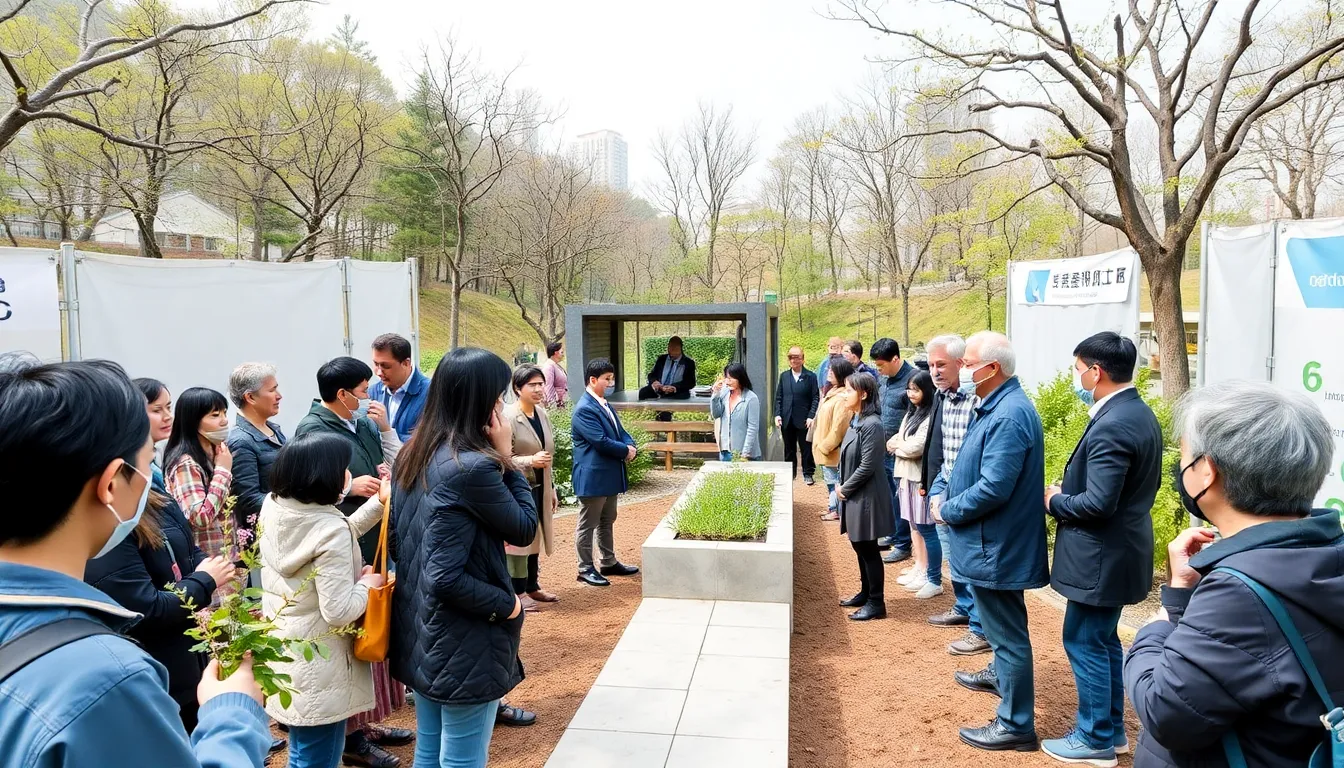
Local government agencies are primarily focused on addressing public health concerns related to isolation and mental wellbeing. By supporting the garden project, they aim to enhance community cohesion and provide residents with a safe space for social interaction. This aligns with their broader objectives of improving quality of life and reducing healthcare costs associated with mental health issues.
Community organizations, including non-profits and volunteer groups, are instrumental in the garden’s implementation. They are committed to fostering social connections among residents, particularly vulnerable populations such as the elderly and those with disabilities. Their involvement ensures that the garden serves as an inclusive space, promoting accessibility and engagement for all community members.
However, conflicts may arise among stakeholders regarding resource allocation and management. For instance, while local governments may prioritize funding for infrastructure, community organizations might advocate for more resources directed towards programming and events that encourage participation. These trade-offs highlight the need for ongoing dialogue and collaboration among stakeholders to ensure the garden meets its intended goals.
- Local government interests in public health and cost reduction.
- Community organizations focusing on inclusivity and social engagement.
- Potential conflicts over funding priorities and resource management.
- Legal considerations regarding land use and community safety regulations.
- Economic impacts related to increased community activity and local business support.
Positive effects on mental health and community bonding
The opening of the wellbeing garden is set to positively impact various groups within the community, particularly those who have been affected by isolation, such as the elderly, individuals with mental health issues, and families facing social challenges. This initiative aims to create a supportive environment that fosters connection and encourages individuals to engage with one another.
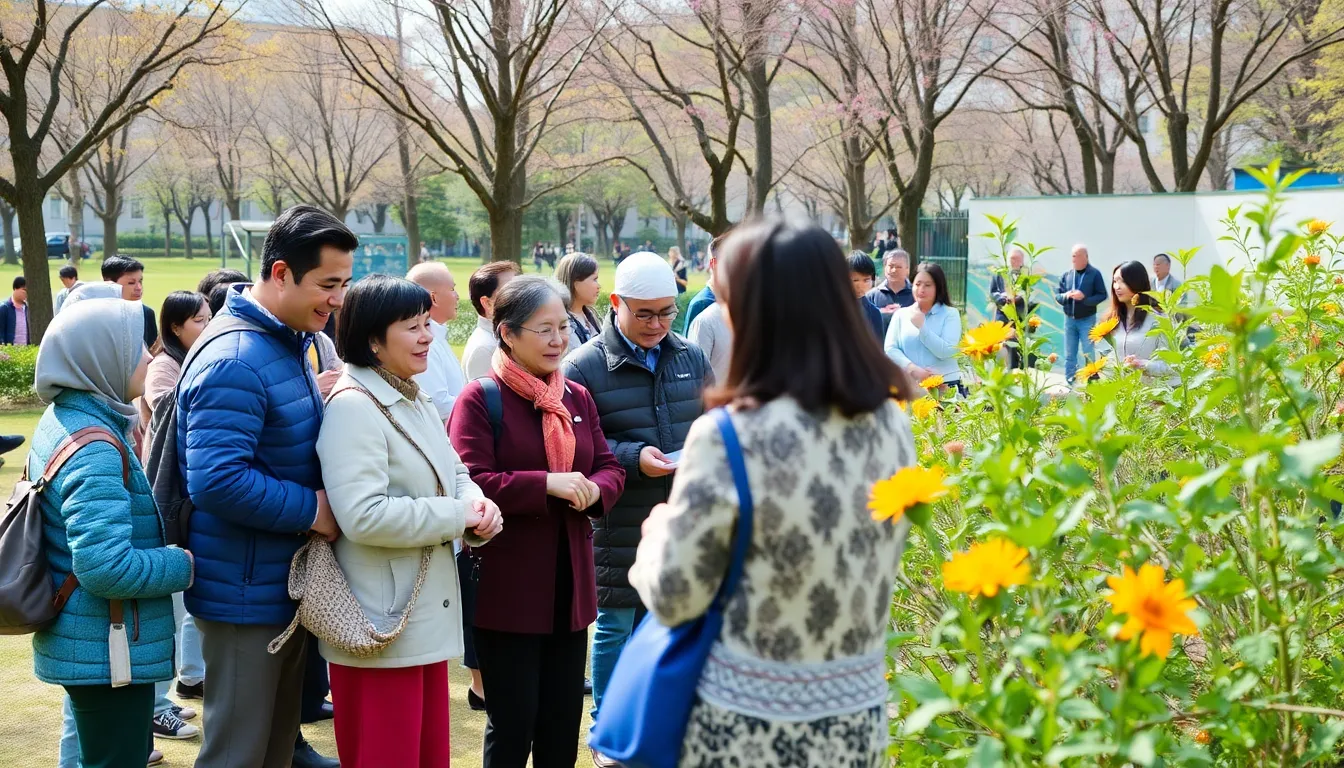
In the short term, the garden will provide a serene space for relaxation and social interaction, which can alleviate feelings of loneliness and anxiety. Local businesses, particularly those related to wellness, gardening supplies, and community services, may also see increased foot traffic as residents gather in the area. This can lead to a boost in sales and heightened community engagement.
Over the mid-term, the wellbeing garden could influence policy discussions around mental health and community support programs. Local governments might be encouraged to invest more in public spaces that promote mental health, leading to a broader shift in urban planning and community resource allocation. Additionally, schools and educational institutions may incorporate outdoor activities into their curricula, promoting social skills and emotional wellbeing among students.
- Short-term impacts: Increased social interaction, reduced feelings of isolation.
- Mid-term impacts: Potential policy changes, enhanced community programs.
- Risks: Possible maintenance challenges, reliance on volunteer support.
- Opportunities: Growth in local businesses, stronger community ties.
While there are risks associated with the upkeep of the garden and the need for sustained community involvement, the potential benefits far outweigh these challenges. By fostering a sense of belonging and support, the wellbeing garden stands to create lasting positive changes for individuals and the community as a whole.
A: The wellbeing garden aims to provide a peaceful space for individuals to connect with nature and each other, helping to alleviate feelings of isolation. A: The garden is open to all community members, encouraging participation from individuals of all ages and backgrounds. A: Yes, the garden will host various activities such as gardening workshops, mindfulness sessions, and community gatherings. A: Community members can volunteer for events, participate in workshops, or simply visit the garden to enjoy its offerings. A: The garden has been designed with safety in mind, including well-maintained pathways, seating areas, and regular maintenance to ensure a safe environment.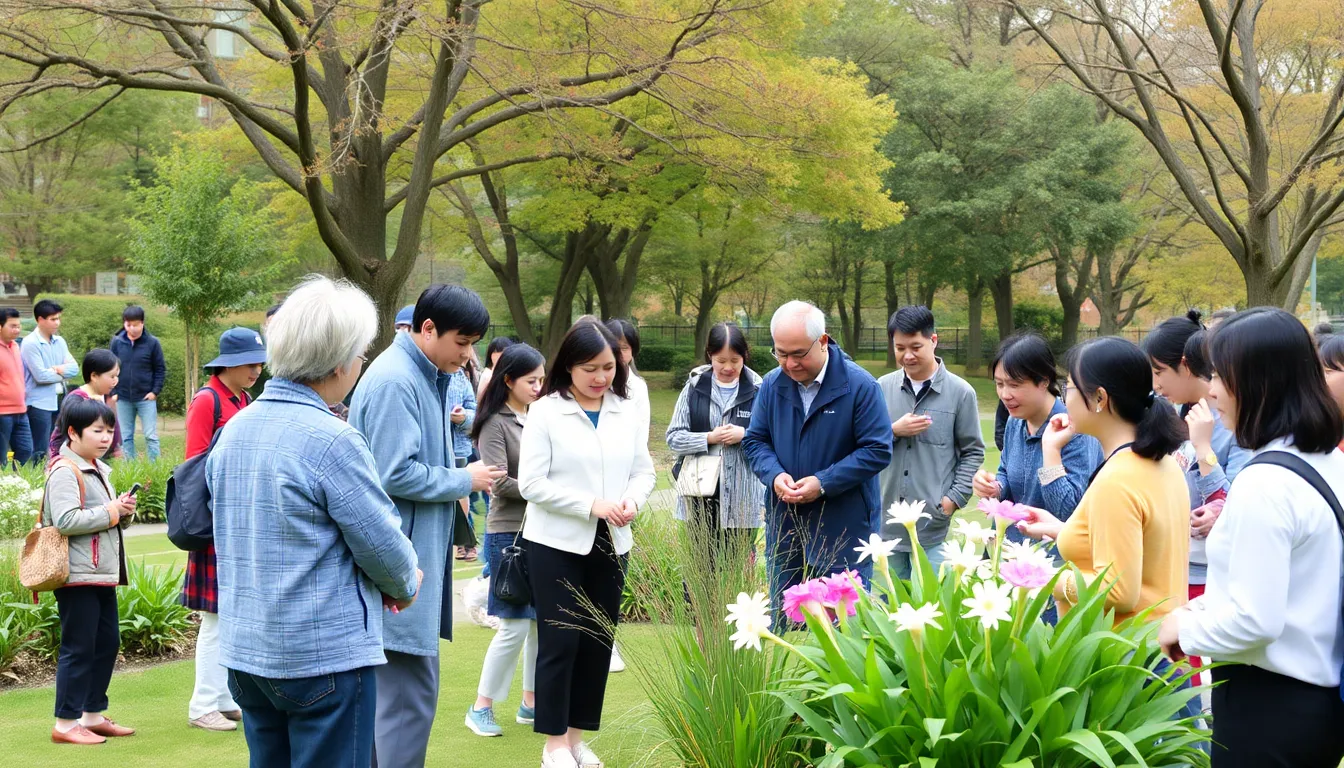
Frequently asked questions about the wellbeing garden
Looking ahead: the future of community wellbeing initiatives
The opening of the wellbeing garden marks a significant step towards addressing the growing concerns of social isolation within communities. As urban environments continue to evolve, the need for spaces that foster connection and mental health is becoming increasingly evident. This initiative not only provides a physical space for interaction but also symbolizes a collective commitment to enhancing the quality of life for all residents.
Moving forward, the success of the wellbeing garden could serve as a model for similar projects in other areas. By prioritizing community engagement and mental health, these initiatives can create resilient neighborhoods that support individuals in their journey towards improved wellbeing.
- Community Engagement: Active participation from local residents will be crucial for the garden’s ongoing success and sustainability.
- Holistic Approach: Integrating mental health resources and programs into community spaces can further enhance their impact.
- Partnerships: Collaboration with local organizations and mental health professionals can provide valuable support and resources.
- Measuring Impact: Establishing metrics to assess the garden’s effect on social connections and mental health will be important for future initiatives.
- Scalability: Exploring how this model can be adapted and replicated in other communities may lead to widespread benefits.